Are you sure your radon mitigation system is working as it should? Many people install these systems and then forget about them, but just like any other home equipment, your radon system needs regular care.
Ignoring maintenance could put your family’s health at risk without you even realizing it. You’ll discover why keeping your radon mitigation system in top shape is crucial and what simple steps you can take to ensure it continues protecting your home effectively.
Keep reading—your safety depends on it.

Credit: www.angi.com
Importance Of Radon Mitigation Maintenance
Radon mitigation systems play a crucial role in keeping your home safe from harmful radon gas. But installing the system is just the start. Regular maintenance is essential to ensure it continues working effectively and protects your family.
Ignoring maintenance can lead to a false sense of security. You might think your home is safe when, in reality, radon levels could be rising again. So, how can you be sure your system stays reliable over time?
Checking System Performance Regularly
Radon mitigation systems rely on fans and pipes to reduce gas levels. These components can wear out or get blocked over time. Regularly checking system performance helps you spot issues early before radon levels increase.
Simple tests you can do at home include using radon test kits every few months. If you notice a spike, it could mean your system needs attention. This proactive approach saves you from costly repairs and health risks later.
Maintaining Fan Functionality
The fan is the heart of your radon mitigation system. If it stops working properly, radon can seep back into your home. You should listen for unusual noises or lack of airflow, which might signal a failing fan.
Cleaning and servicing the fan annually can extend its life and keep it running smoothly. Have you checked your fan’s condition lately? Don’t wait until it breaks down unexpectedly.
Inspecting And Sealing Pipes
Pipes carry radon gas safely out of your home, but cracks or loose seals can let gas leak back inside. Regular inspection ensures all joints and seals remain intact. Fixing small leaks quickly prevents bigger problems.
Look for signs like cracks, condensation, or damage around the pipes. Even minor issues can affect your system’s effectiveness. Staying on top of pipe maintenance protects your home’s air quality.

Credit: www.angi.com
Signs Your Radon System Needs Attention
Radon mitigation systems protect your home from harmful radon gas. These systems need regular checks to work well. Certain signs show your radon system might need repairs or maintenance. Detecting these signs early keeps your home safe and air clean.
Unusual Noise From The System
Listen closely to your radon mitigation system. Strange sounds like buzzing, rattling, or humming can signal problems. These noises may mean the fan or motor is failing. Ignoring these sounds can cause system breakdown.
Increased Radon Levels
Test your home’s radon levels regularly. A sudden rise can mean the system is not working properly. Faulty pipes, blocked vents, or a broken fan can cause this. High radon levels are dangerous and need quick action.
Visible Wear And Tear
Check the system’s pipes and components for damage. Cracks, rust, or loose parts reduce system efficiency. Weather and time can cause wear and tear. Fixing these issues prevents radon leaks and keeps the system strong.
Key Maintenance Tasks
Keeping your radon mitigation system in top shape requires attention to a few key maintenance tasks. These actions ensure the system works efficiently, protecting your home from harmful radon gas. Neglecting these can reduce the system’s effectiveness and potentially put your health at risk.
Regular Filter Replacement
Filters trap dust and debris, preventing them from entering the fan and other components. Over time, these filters get clogged, which lowers airflow and weakens the system’s performance. Check your filter every three to six months and replace it as needed to keep the air moving smoothly.
Sealing System Leaks
Leaks in the sealing can allow radon gas to bypass the system and enter your home. Inspect the seals around pipes and connections regularly for cracks or gaps. Even a small leak can undermine the entire mitigation effort, so patching these quickly is crucial.
Fan Performance Checks
The fan is the heart of your radon system, continuously pushing harmful gas outside. Listen for unusual noises or vibrations that might indicate wear or damage. Testing fan speed and airflow every few months helps catch problems early before they cause a system failure.
Diy Maintenance Vs Professional Services
Radon mitigation systems require regular care to keep working well. Choosing between doing maintenance yourself or hiring a professional affects safety and efficiency. Understanding each option helps you decide what fits your needs.
When To Diy
Simple tasks like checking the fan or cleaning vent pipes can be done at home. Regularly inspecting your system helps spot small issues early. Use a radon test kit to monitor radon levels yourself. Tightening loose connections or replacing filters are safe DIY jobs. Always turn off the power before any maintenance work.
- Check fan operation monthly
- Clean dirt and debris from vents
- Replace filters when dirty
- Monitor radon levels with a test kit
Stop if you notice unusual noises, leaks, or rising radon levels. These signs need expert attention.
Benefits Of Hiring Experts
Professionals offer detailed system inspections and repairs beyond basic tasks. They find hidden problems that may cause system failure. Experts use specialized tools to measure radon levels accurately. Hiring pros ensures your system meets local safety codes. They provide documentation that may be needed for home sales or insurance. Professionals can upgrade your system for better performance and lower energy use.
- Thorough system inspections
- Advanced radon testing
- Safe repairs and replacements
- Compliance with safety standards
- Professional advice on upgrades
Scheduling Routine Inspections
Scheduling routine inspections for radon mitigation systems keeps your home safe. Regular checks ensure the system works well and catches problems early. Inspections help maintain low radon levels and protect your family’s health. Setting a schedule for inspections is a smart way to avoid unexpected issues.
Recommended Inspection Frequency
Most experts suggest checking your radon system once every year. Some situations may need more frequent inspections, like after heavy storms or home renovations. Older systems might also require closer attention. Follow manufacturer guidelines and local regulations for the best results.
What To Expect During An Inspection
A technician will start by examining the system’s fan and pipes. They check for cracks, leaks, or any damage that could reduce effectiveness. The airflow and pressure levels get tested to ensure proper function. The inspector may also retest radon levels to confirm safety. After the inspection, you receive a report explaining the findings and any needed repairs.
Cost Considerations For Maintenance
Maintaining radon mitigation systems involves ongoing costs that homeowners should plan for. Understanding these expenses helps avoid surprises and keeps your system running efficiently. Proper budgeting ensures your home stays safe from radon risks without breaking the bank.
Budgeting For Regular Upkeep
Regular maintenance includes inspections, fan checks, and system cleaning. These tasks prevent system failures and keep radon levels low. Typical yearly costs range between $100 and $300, depending on system complexity.
Setting aside funds each year covers routine service visits. This budget also helps pay for small repairs like fan replacements or pipe fixes. Planning ahead saves money and stress over time.
Potential Costs Of Ignoring Maintenance
Ignoring maintenance can lead to bigger problems and higher costs. Fans may stop working, causing radon levels to rise dangerously. Repairing major system damage may cost thousands of dollars.
Unmaintained systems risk health and property damage. Home resale value may drop if the system is faulty. Regular upkeep avoids these costly issues and protects your investment.
Long-term Benefits Of Proper Care
Proper care for your radon mitigation system is not just about fixing problems when they arise. Regular maintenance brings multiple long-term benefits that affect your home’s safety, comfort, and the system’s overall performance. Taking time to care for your system now can save you money and hassle down the road.
Enhanced System Efficiency
Keeping your radon mitigation system in good shape means it runs more efficiently. Clean filters and well-maintained fans work better to reduce radon levels in your home. Have you noticed a difference in how quickly your system operates after a tune-up? That’s a clear sign of improved efficiency.
Increased Lifespan Of Mitigation Systems
Regular maintenance prevents small issues from turning into big repairs. Simple tasks like checking seals and replacing worn parts can extend the life of your system by years. Imagine avoiding the cost of a full replacement just by scheduling a yearly inspection.
Improved Indoor Air Quality
Your radon system does more than lower radon—it also helps keep your indoor air clean. Proper care ensures that the system doesn’t become a source of dust or mold buildup. Would you want to breathe cleaner air and feel healthier inside your home? Proper maintenance helps make that happen.
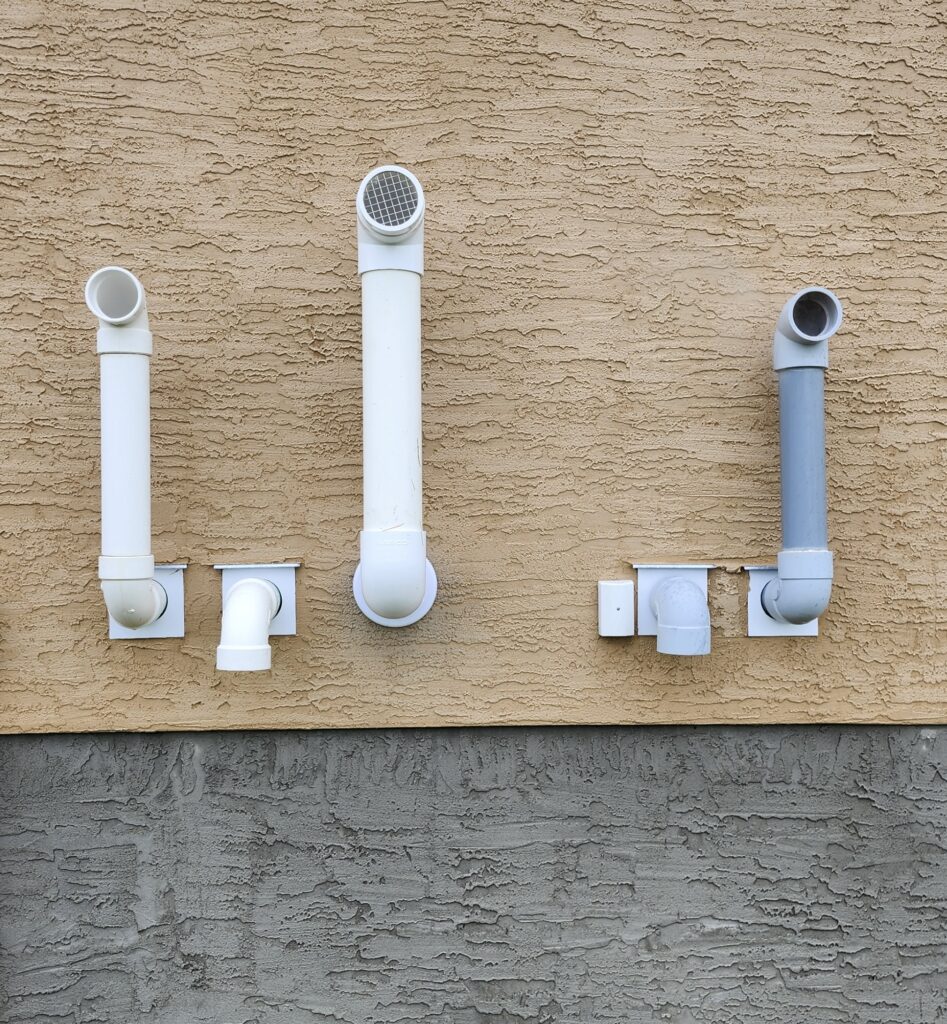
Credit: radoncare.ca
Frequently Asked Questions
How Often Should Radon Mitigation Systems Be Inspected?
Radon mitigation systems should be inspected annually. Regular checks ensure the system functions correctly and effectively reduces radon levels in your home.
What Maintenance Does A Radon Mitigation System Require?
Maintenance includes checking the fan operation, seals, and vent pipes. Clean or replace parts as needed to maintain optimal performance.
Can I Maintain My Radon Mitigation System Myself?
Basic inspections can be done by homeowners, but professional maintenance is recommended. Experts ensure the system remains safe and effective.
Why Is Radon System Maintenance Important?
Proper maintenance prevents radon buildup, protecting your health. It ensures the system continues to lower radon levels efficiently and reliably.
Conclusion
Radon mitigation systems need regular care to work well. Check your system often for any signs of damage. Clean parts and replace filters if needed. Keeping your system in good shape helps keep radon levels low. This protects your family’s health and your home’s safety.
Don’t wait for problems to grow. Small checks now can save big troubles later. Stay safe by maintaining your radon system. Simple steps make a big difference.
Leave a Reply