Are you tired of complex maintenance schedules that waste your time and resources? Simplifying your planned maintenance system can save you headaches and keep your operations running smoothly.
But which method really makes your maintenance easier and more effective? You’ll discover clear answers and practical steps to streamline your maintenance process. Keep reading to unlock the secrets that will transform how you manage maintenance—and make your job a whole lot simpler.

Credit: safetyculture.com
Importance Of Planned Maintenance
Planned maintenance plays a crucial role in keeping your equipment and systems running smoothly. It helps you avoid unexpected breakdowns that can halt your work and drain your budget. Understanding its importance can change how you manage your assets daily.
Reduces Unexpected Downtime
When you stick to a planned maintenance schedule, your machines get checked and fixed before problems escalate. This means fewer surprises and less downtime. Imagine how much easier your day would be if you never had to deal with sudden equipment failure.
Extends Equipment Lifespan
Regular maintenance keeps your tools and machines in good shape for a longer time. Instead of replacing parts frequently, you keep everything working efficiently. This saves you money and reduces the hassle of constant repairs.
Improves Safety For Everyone
Neglecting maintenance can lead to dangerous situations at work. By planning maintenance, you reduce the risk of accidents caused by faulty equipment. Safety should always be a top priority, and planned maintenance helps you achieve that.
Saves Money Over Time
At first, planned maintenance might seem like an extra cost. But it prevents costly emergency repairs and replacements later. Do you want to spend more on fixing big problems or less on small, regular fixes?
Boosts Productivity And Efficiency
Machines that run well help your team work faster and better. When you avoid breakdowns, everyone can focus on their tasks without interruptions. How much more could you accomplish if your equipment worked perfectly every day?
Challenges In Current Systems
Many companies rely on planned maintenance systems to keep equipment running. These systems aim to reduce breakdowns and extend asset life. Yet, many current systems face challenges that slow down their effectiveness. These problems make maintenance harder and less efficient.
Understanding these challenges helps find better solutions. It also improves the way maintenance teams work. Let’s explore the key issues that affect planned maintenance systems today.
Complex Data Management
Maintenance systems gather a lot of data from machines and sensors. Managing this data can be complicated. Often, data is scattered across different platforms. This makes it hard to track maintenance history and schedules.
Teams may miss important alerts or updates. This leads to delayed repairs and unexpected downtime.
Limited User Accessibility
Some systems are not easy to use for all staff. Complex interfaces confuse technicians and managers. Training new users takes extra time and effort.
When users struggle, they may skip important steps. This reduces the system’s overall effectiveness.
Poor Integration With Other Tools
Many maintenance systems do not connect well with other software. Lack of integration creates manual work and errors. For example, inventory management might not sync with maintenance schedules.
This causes delays in ordering parts and planning work.
Inflexible Scheduling
Some systems use rigid schedules that don’t adjust to real conditions. Machines may need maintenance more or less often than planned. Fixed schedules can waste resources or increase risk of failure.
Dynamic scheduling based on actual equipment condition is often missing.
High Implementation And Maintenance Costs
Installing and running planned maintenance systems can be expensive. Small businesses may find costs too high. Ongoing updates and support add to expenses.
Cost issues limit access to advanced maintenance tools for many organizations.
Innovative Software Solutions
Innovative software solutions have transformed the way planned maintenance systems operate. They make managing schedules, tracking tasks, and analyzing data much easier and more efficient. These tools give you more control and reduce the chances of missing critical maintenance activities.
Cloud-based Platforms
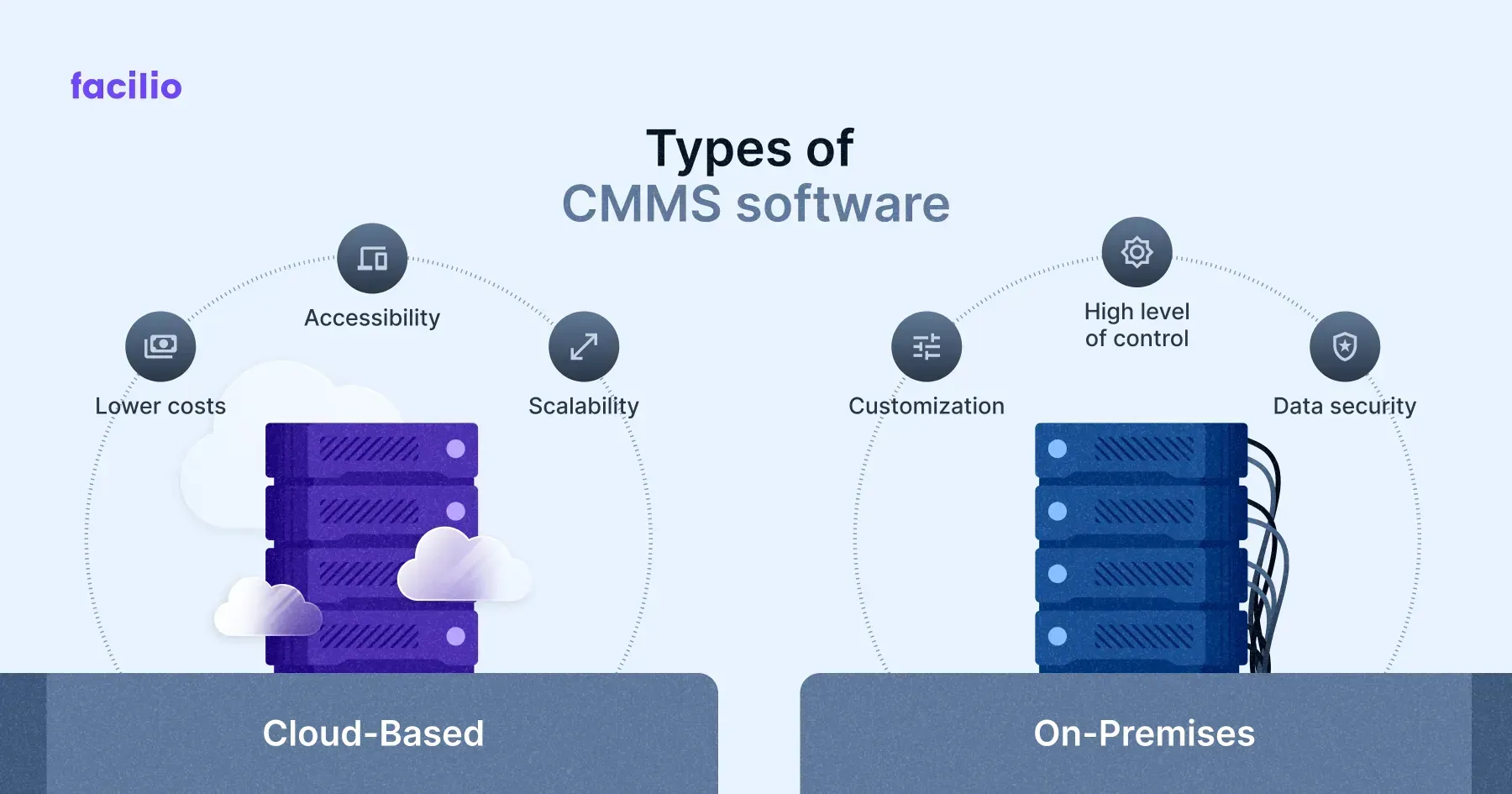
Cloud-based platforms allow you to access your maintenance system from anywhere with an internet connection. This flexibility means your team can collaborate in real-time, whether they are onsite or working remotely.
You don’t have to worry about installing updates or managing servers. The platform automatically stays up to date, saving you time and reducing IT costs. Plus, cloud storage keeps all your data safe and easy to retrieve.
Mobile Accessibility
Mobile accessibility puts the power of your maintenance system in the palm of your hand. Technicians can receive alerts, update work orders, and log completed tasks right from their smartphones or tablets.
This immediate access improves response times and accuracy. Imagine a technician spotting an issue, recording it instantly, and scheduling the repair without returning to a desk. That level of efficiency can prevent small problems from becoming costly repairs.
Automated Scheduling Tools
Automated scheduling tools transform how you manage planned maintenance by taking the guesswork out of timing and resource allocation. These tools streamline the process, allowing you to focus on what matters most—keeping your equipment running smoothly without unnecessary downtime. Imagine never having to manually track maintenance dates or scramble to assign tasks at the last minute.
Predictive Maintenance
Predictive maintenance uses data from your equipment to forecast when maintenance should happen. Instead of fixed schedules, automated tools analyze patterns like vibration, temperature, and wear. This approach helps you address issues before they become costly breakdowns.
Think about the last time a machine failed unexpectedly. Could predictive scheduling have saved you time and money? By adopting this method, you prioritize maintenance based on actual need, not just calendar days.
Ai-driven Insights
AI-driven insights take automated scheduling to the next level. These systems learn from historical data, environmental conditions, and even operator behavior to refine maintenance plans continuously. The result is a smarter, more efficient schedule that adapts as your operations evolve.
Have you noticed how some machines require more attention after certain shifts or during specific seasons? AI tools can spot these trends and adjust schedules accordingly, reducing both maintenance costs and unexpected downtime.
Integration With Iot Devices
Integrating IoT devices into your planned maintenance system can significantly simplify how you manage equipment and schedule upkeep. These smart devices constantly collect and share real-time data, helping you spot issues before they turn into costly breakdowns. This approach moves maintenance from reactive to proactive, saving both time and money.
Real-time Monitoring And Alerts
IoT devices provide continuous monitoring of machines, tracking parameters like temperature, vibration, and usage hours. This real-time data enables instant alerts when something goes wrong or needs attention. Imagine getting notified about a motor overheating before it fails—this allows you to act quickly and avoid unexpected downtime.
Automated Maintenance Scheduling
With data from IoT sensors, your maintenance system can automatically schedule tasks based on actual equipment condition rather than fixed intervals. This means you perform maintenance only when necessary, reducing unnecessary work and extending machine life. Have you ever maintained equipment too early or too late? IoT integration helps fix that.
Improved Resource Allocation
Knowing exactly which machines need attention helps you allocate your maintenance team more efficiently. IoT data highlights priority tasks, so your crew focuses on critical issues first. This prevents wasted effort and keeps your operations running smoothly.
Data-driven Decision Making
Access to detailed performance data empowers you to make smarter maintenance decisions. You can analyze trends, predict failures, and optimize maintenance plans over time. This insight turns raw data into actionable steps that improve your maintenance strategy.
Credit: facilio.com
User-friendly Interfaces
User-friendly interfaces play a crucial role in simplifying a planned maintenance system. They make it easier for users at all skill levels to navigate the software, complete tasks quickly, and reduce errors. When the system feels intuitive, you spend less time troubleshooting and more time maintaining equipment effectively.
Customization Options
Not every maintenance team works the same way. A user-friendly interface that offers customization lets you tailor dashboards, reports, and notifications to fit your workflow. This flexibility means you only see what matters most, avoiding clutter and confusion.
Imagine being able to set up alerts for specific equipment issues or prioritize work orders based on urgency without digging through menus. Customization lets you control your system rather than the other way around.
Training And Support
Even the best interface can feel overwhelming without proper training. Look for systems that provide clear tutorials, easy-to-access help guides, and responsive customer support. This helps you and your team get comfortable fast.
When I first started using a new maintenance system, quick access to video tutorials saved hours of frustration. You want a system where support feels like a partner, ready to assist whenever you hit a snag. How much time could you save if your team learned the software with minimal downtime?
Data Analytics And Reporting
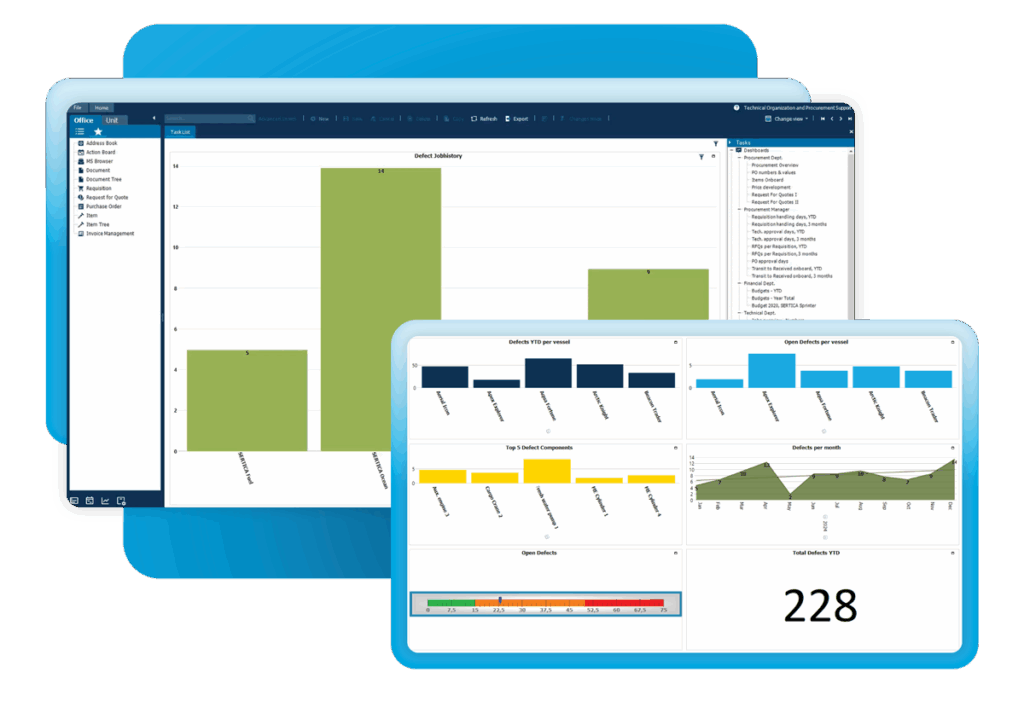
Data analytics and reporting are vital for simplifying planned maintenance systems. They offer clear insights into maintenance tasks and equipment status. With accurate data, teams can make better decisions and improve overall efficiency.
Real-time Data
Real-time data provides instant updates on equipment conditions. It helps detect issues before they become serious problems. Maintenance teams can respond quickly, reducing downtime and repair costs. Sensors and IoT devices often collect this data automatically. This constant flow of information keeps the system running smoothly.
Performance Metrics
Performance metrics track how well maintenance activities meet goals. They measure equipment reliability, repair times, and maintenance costs. Clear metrics highlight areas needing improvement. Teams can focus on tasks that boost efficiency and reduce failures. Regular reports create transparency and support better planning.
Credit: www.sertica.com
Cost-effective Solutions
Finding cost-effective solutions for your planned maintenance system can save your business a significant amount of money without sacrificing quality or efficiency. The key lies in choosing options that fit your budget and deliver tangible benefits over time. Let’s look at how you can make smarter decisions that improve your maintenance process and protect your bottom line.
Budget-friendly Options
Start by identifying tools and software that offer essential features without expensive extras. Many maintenance management systems provide scalable pricing plans tailored to small or growing businesses. Look for cloud-based solutions that reduce upfront costs on hardware and IT support.
Consider leveraging open-source software or subscription models that spread costs evenly over time. You might also save by training your existing team instead of hiring new specialists. Have you explored combining simpler tools that integrate well rather than investing in one costly all-in-one system?
Return On Investment
Every dollar spent on your maintenance system should bring measurable returns. Efficient scheduling and tracking reduce downtime, lowering repair costs and extending equipment life. Tracking these improvements helps justify your investment to stakeholders.
Think about how much unplanned downtime currently costs you. Even a small reduction can quickly cover the cost of a maintenance system. Are you measuring performance metrics that connect maintenance activities to financial outcomes?
By focusing on cost-effective solutions, you can build a planned maintenance system that supports your operational goals without breaking the bank. Which areas of your maintenance process could benefit most from a smarter, budget-conscious approach?
Case Studies Of Success
Case studies offer clear proof of how simplifying planned maintenance systems can transform operations. They show real-world results and provide you with practical ideas to improve your own maintenance processes. Let’s look at some success stories that highlight what works and why.
Improved Equipment Uptime At A Manufacturing Plant
A mid-sized manufacturing plant reduced downtime by 30% after switching to a simplified maintenance scheduling system. They cut back on unnecessary checks and focused on critical tasks, saving time and resources.
The key was clear communication between teams and using a straightforward digital tool to track progress. Could your team benefit from fewer, more targeted maintenance activities?
Cost Reduction In Facility Management
A commercial property manager saved 25% on maintenance costs by streamlining their planned maintenance system. They prioritized tasks based on asset condition rather than sticking to a rigid calendar.
This approach helped avoid unnecessary repairs and extended the life of key equipment. Think about how prioritizing tasks based on real needs could lower your maintenance expenses.
Enhanced Safety Compliance In A Healthcare Setting
A hospital improved safety compliance by simplifying its maintenance workflows for critical medical devices. They standardized procedures and used easy-to-follow checklists, reducing errors and missed inspections.
Staff found the new system less confusing and more manageable, which boosted overall compliance rates. How might clearer processes improve safety in your environment?
Streamlined Maintenance Reporting In Transportation
A public transportation agency introduced a user-friendly maintenance reporting system that cut report errors by 40%. Drivers and technicians could quickly log issues, speeding up repairs and reducing service disruptions.
The success came from involving front-line users in designing the system. Are your maintenance reports helping or hindering your operations?
Frequently Asked Questions
What Is A Planned Maintenance System?
A planned maintenance system schedules regular equipment upkeep to prevent breakdowns. It increases efficiency and reduces downtime by organizing tasks in advance.
How Does Planned Maintenance Improve System Reliability?
Planned maintenance identifies and fixes issues early. It ensures equipment runs smoothly, minimizing unexpected failures and extending asset lifespan.
Which Tools Simplify Planned Maintenance Management?
CMMS software and mobile apps simplify planned maintenance. They automate scheduling, track work orders, and provide real-time updates for better control.
Why Is Data Important In Planned Maintenance?
Data helps monitor equipment condition and maintenance history. It enables informed decisions, optimizing schedules and improving overall system performance.
Conclusion
Choosing the right tool truly simplifies your planned maintenance system. Clear processes help teams work faster and avoid mistakes. Simple software and good schedules keep machines running smoothly. Regular checks reduce costly breakdowns and save time. Easy tracking helps managers plan better and stay organized.
Keep systems straightforward to improve daily maintenance tasks. This approach leads to stronger equipment and lower repair costs. Smart planning makes maintenance less stressful and more effective.
Leave a Reply