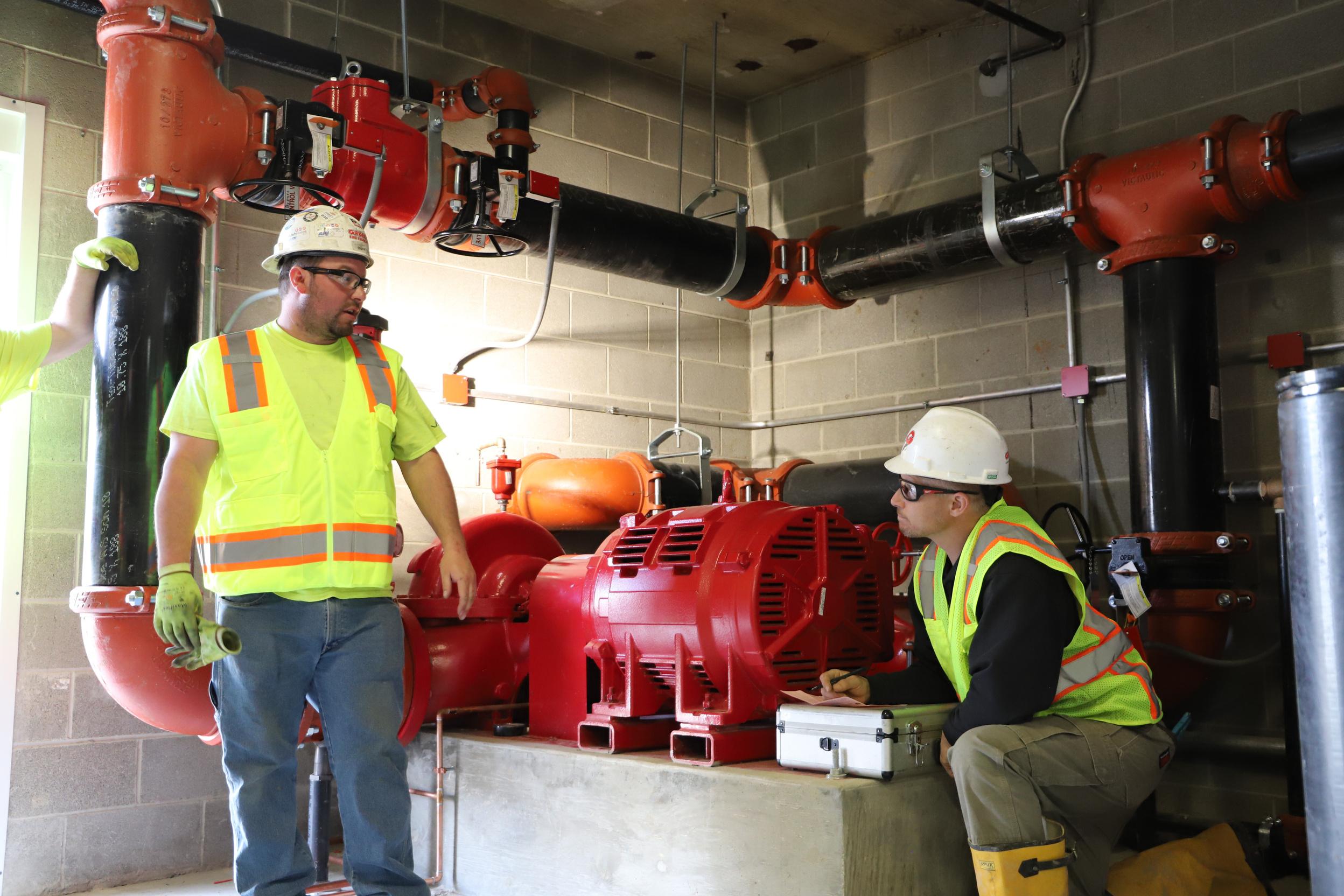
Have you ever wondered what keeps your fire protection system ready to fight a blaze at any moment? You rely on these systems to protect your home, office, or business, but who makes sure they actually work when you need them most?
A Fire Protection System Maintenance Specialist is the person behind the scenes, ensuring every alarm, sprinkler, and detector is in perfect condition. If you want to know how they do it and why their role is so crucial for your safety, keep reading.
This article will open your eyes to the vital work that could save lives—and property—when seconds count.
Role Of Fire Protection Specialists
Fire protection specialists play a key role in keeping buildings safe from fire risks. They focus on maintaining and testing fire protection systems. Their job ensures these systems work properly during emergencies. This helps protect lives and property.
These specialists inspect equipment like fire alarms, sprinklers, and extinguishers. They find and fix any issues before they cause problems. Their work also involves following strict safety standards and regulations.
Inspecting Fire Protection Systems
Fire protection specialists regularly check fire alarms and sprinklers. They test these systems to make sure they work well. This helps catch faults early. Inspections include checking sensors, control panels, and water pressure.
Performing Routine Maintenance
Regular maintenance keeps fire systems in top shape. Specialists clean, repair, and replace parts as needed. They lubricate moving components and clear blockages. This prevents system failure during a fire emergency.
Testing And Troubleshooting
Testing ensures systems activate correctly. Specialists run various tests on alarms and sprinklers. They simulate fire events to check responses. Troubleshooting fixes problems found during tests. They use tools to identify faults quickly.
Ensuring Compliance With Safety Codes
Fire protection specialists follow local and national fire codes. They ensure systems meet legal requirements. This protects buildings from fines and hazards. They keep detailed records of inspections and repairs.
Providing Emergency Support
Specialists advise building owners on fire safety. They train staff on using fire equipment. They also help develop emergency plans. Their guidance boosts preparedness for fire incidents.
Inspection Of Fire Safety Equipment
Inspection of fire safety equipment is a vital task for any fire protection system maintenance specialist. It ensures that all devices are ready to function perfectly when needed. Regular inspections help spot issues early, preventing equipment failure during emergencies.
Visual Checks For Damage And Wear
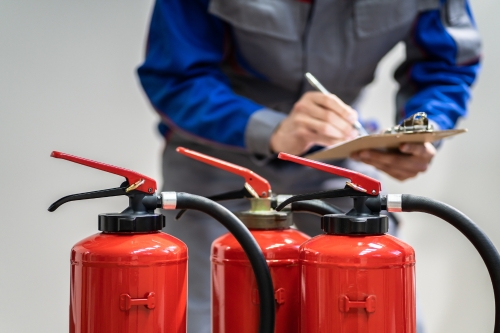
Specialists carefully examine fire extinguishers, alarms, sprinklers, and detectors for visible damage. Cracks, corrosion, or missing parts can stop equipment from working properly. Have you ever noticed a fire extinguisher with a broken seal? That simple flaw can mean it won’t operate when you need it most.
Testing Operational Functionality
Beyond looks, each piece of equipment must be tested to confirm it works correctly. For example, smoke detectors are triggered to verify they detect smoke and sound alarms. This hands-on approach ensures your fire safety gear is not just present but effective.
Checking Expiry Dates And Pressure Levels
Many fire safety devices come with expiry dates or pressure requirements. Specialists check these details thoroughly to confirm the equipment is still reliable. A fire extinguisher with low pressure might seem ready but could fail instantly during use.
Documenting And Reporting Findings
After inspection, detailed records are created to track the condition of every item. This documentation helps you stay on top of maintenance schedules and compliance requirements. When was the last time you reviewed your fire safety inspection report?
Regular Maintenance Procedures
Regular maintenance procedures are the backbone of fire protection system reliability. These procedures help identify and fix issues before they become serious problems. Consistent upkeep ensures that your fire protection system responds effectively during emergencies, protecting lives and property.
Inspection Of Fire Detection Devices
Specialists regularly check smoke detectors, heat sensors, and manual pull stations to confirm they work properly. They clean these devices to remove dust and debris that might interfere with their sensitivity. Have you ever thought about how even small dirt particles could delay a fire alarm?
Testing Alarm And Notification Systems
Fire alarms and notification devices like sirens and strobes are tested to verify sound levels and visibility. Maintenance specialists simulate fire events to ensure alarms activate promptly. This step is crucial because a delayed alarm can cost valuable seconds during a fire.
Checking And Servicing Sprinkler Systems
Sprinkler heads are inspected for damage, corrosion, or blockages that might prevent water flow. Technicians also check water pressure and valve conditions to guarantee system readiness. Have you considered how a tiny leak or a stuck valve could render a sprinkler system useless?
Battery And Power Source Verification
Backup batteries and power supplies are examined and replaced if needed to maintain system operation during power outages. Specialists measure voltage levels and battery health to avoid unexpected failures. Your fire protection system is only as strong as its power source.
Every maintenance task is carefully documented for compliance and future reference. Specialists provide detailed reports highlighting any repairs or replacements needed. This transparency helps you track system health and plan budget effectively.
Testing And Analysis
Testing and analysis are vital parts of a fire protection system maintenance specialist’s work. These steps ensure all equipment works correctly and meets safety standards. Regular testing finds faults early, preventing system failure during emergencies.
Specialists use precise tools and techniques to check every system component. They analyze results carefully to decide if repairs or replacements are needed. This process helps keep buildings safe and compliant with fire codes.
Inspection Of Fire Alarm Systems
Specialists test fire alarms for sound, sensitivity, and response time. They verify detectors detect smoke or heat correctly. This ensures alarms alert occupants quickly in case of fire.
Testing Sprinkler Systems
Sprinkler systems undergo pressure and flow tests. Specialists check pipes, valves, and sprinkler heads for leaks or blockages. Proper water flow is crucial for effective fire suppression.
Analysis Of Fire Extinguishers
Fire extinguishers receive visual inspections and pressure tests. Specialists confirm they are fully charged and free from damage. Ready extinguishers can control small fires before they spread.
After testing, specialists document all findings clearly. Reports include any issues found and suggested fixes. This record helps track system health and plan future maintenance.
Compliance With Safety Regulations
Compliance with safety regulations is a crucial part of what a fire protection system maintenance specialist does. These specialists ensure that your fire safety equipment meets all legal standards and works effectively when you need it most. Ignoring these regulations can lead to serious safety risks and costly penalties.
Understanding Local And National Fire Codes
Fire protection system maintenance specialists keep up-to-date with local and national fire safety codes. These codes dictate how often inspections and maintenance should occur and what standards equipment must meet.
Have you ever wondered how often your fire alarms or sprinklers should be checked? These specialists know the exact schedules required by law and make sure your systems are inspected accordingly.
Regular Inspections And Documentation
Regular inspections are more than just a routine task; they are a legal requirement. Maintenance specialists conduct thorough checks and document every detail to prove compliance.
This documentation can be crucial during audits or insurance claims. It shows you’ve taken the necessary steps to keep your premises safe and legal.
Training And Awareness For Staff
Part of staying compliant involves training your staff on fire safety practices. Fire protection system maintenance specialists often provide this training or ensure it happens.
Do your employees know how to respond in a fire emergency? Proper training can save lives and keep your business in line with safety regulations.
Responding To Regulatory Changes
Safety regulations can change over time. Specialists monitor these changes and update your fire protection systems to remain compliant.
Failing to adapt can leave your property vulnerable and non-compliant. A proactive approach ensures you’re always prepared for inspections.
Documentation And Reporting
Documentation and reporting are vital parts of fire protection system maintenance. Specialists keep detailed records to track the condition of equipment. These records help ensure systems work properly and meet safety standards.
Accurate documentation provides proof of inspections and repairs. It also helps identify recurring issues quickly. Clear reports make communication easier between maintenance teams and building managers.
Importance Of Accurate Records
Accurate records show the history of each fire protection device. Specialists log inspection dates, test results, and any repairs made. This helps maintain system reliability and complies with legal requirements.
Types Of Reports Generated
- Inspection reports
- Maintenance logs
- Test result summaries
- Incident reports
Each report type serves a specific purpose. Together, they give a complete view of system health and performance.
Using Reports To Improve Safety
Reports highlight potential problems before they become serious. Specialists analyze data to recommend repairs or upgrades. This proactive approach reduces risks and enhances building safety.
Compliance And Legal Requirements
Fire safety laws require detailed documentation. Specialists ensure reports meet local codes and standards. Proper paperwork avoids fines and legal issues for property owners.
Emergency Preparedness
Emergency preparedness is a vital part of what a Fire Protection System Maintenance Specialist does. It’s not just about fixing equipment; it’s about making sure everything works perfectly when seconds count. You want to be confident that your fire safety systems will protect lives and property during an emergency.
Regular System Inspections And Testing
Specialists perform routine checks on fire alarms, sprinklers, and suppression systems. These inspections catch issues before they become dangerous failures. Imagine a smoke detector that doesn’t sense smoke because of a dead battery—regular testing prevents that.
Testing isn’t just about pressing buttons. It involves simulating real fire conditions to ensure every component responds correctly. This hands-on approach saves lives by confirming readiness.
Updating Emergency Response Plans
Your safety plan isn’t static. Specialists help update it based on new hazards or changes in building layout. They work closely with building managers to make sure evacuation routes are clear and communication systems are functional.
Have you ever tried to exit a building in an emergency only to find blocked pathways? Fire Protection System Maintenance Specialists aim to eliminate those risks by keeping plans current and practical.
Training And Education Support
Specialists often assist in training staff on how to respond during a fire. Knowing how to use fire extinguishers or when to evacuate can prevent panic. They provide clear, easy-to-understand instructions tailored to your environment.
Think about it—would you feel confident handling a fire emergency without proper guidance? These experts make sure you do.
Coordination With Emergency Services
Fire Protection System Maintenance Specialists maintain strong links with local fire departments and emergency responders. They ensure that responders have accurate information about your building’s fire systems and hazards.
This collaboration speeds up response times and improves the effectiveness of firefighting efforts. When every second counts, this coordination can be the difference between minor damage and disaster.

Credit: completepumpsandfire.com.au
Training And Education
Training and education form the backbone of a fire protection system maintenance specialist’s career. Without the right knowledge and hands-on skills, you can’t effectively keep fire safety systems reliable and ready. This section breaks down what you need to learn and how specialists stay sharp in this critical field.
Formal Education And Certifications
Most specialists start with a high school diploma or GED, but that’s just the beginning. Many pursue technical training programs focused on fire protection technology, electrical systems, or mechanical engineering.
Certifications like NICET (National Institute for Certification in Engineering Technologies) validate your expertise and open doors. These credentials prove you understand fire alarm systems, sprinklers, and emergency lighting inside out.
On-the-job Training And Experience
Knowledge from books only takes you so far. Real skill comes from working alongside experienced technicians. You learn to spot subtle issues and apply fixes that manuals might not cover.
Hands-on experience with various fire protection systems builds your confidence and sharpens problem-solving skills. Have you ever noticed how some problems only appear under real conditions? This is why field training is invaluable.
Ongoing Education And Staying Updated
Fire codes and technology change regularly. What you learned last year might not be enough today. Staying updated through workshops, seminars, and online courses is essential.
Specialists who ignore new standards risk missing critical safety requirements. How often do you check for updates in your field? Making continuous learning a habit keeps you ahead and your systems safer.
Advancements In Fire Safety Technology
Fire safety technology has seen significant improvements over the years. These advancements help detect and control fires faster and more efficiently. Fire protection system maintenance specialists must stay updated with new tools and systems. Their role is vital to keep buildings safe and compliant with regulations.
Modern fire systems combine smart technology with traditional methods. This blend improves early warning, reduces false alarms, and enhances overall safety. Specialists work with these innovations to ensure systems function perfectly.
Smart Fire Detection Systems
Smart detectors use advanced sensors to identify smoke and heat quickly. They can differentiate between real fires and harmless smoke. This reduces false alarms and improves response time. These systems often connect to mobile devices for real-time alerts.
Integration With Building Automation
Fire systems now link with building automation for better control. This integration allows automatic actions like unlocking doors and turning off elevators. It helps guide people safely during emergencies. Maintenance specialists test these connections regularly to keep them reliable.
Wireless Fire Protection Technology
Wireless fire systems offer flexibility and easy installation. They use radio signals to communicate between detectors and control panels. This technology suits older buildings and large areas without complex wiring. Specialists check signal strength and battery life to ensure proper function.
Advanced Fire Suppression Methods
New suppression systems use clean agents and water mist instead of traditional sprinklers. These methods minimize damage to property and sensitive equipment. Maintenance experts inspect these systems for leaks and proper pressure levels.
Credit: www.cws.com

Credit: asmintegrators.com
Frequently Asked Questions
What Tasks Do Fire Protection System Maintenance Specialists Perform?
Fire protection system maintenance specialists inspect, test, and repair fire alarms, sprinklers, and extinguishers. They ensure systems meet safety codes and function properly. Regular maintenance prevents fire hazards and system failures, protecting lives and property.
Why Is Regular Maintenance Of Fire Protection Systems Important?
Regular maintenance keeps fire protection systems reliable and effective. It detects faults early, ensuring quick response during emergencies. This reduces fire damage risks and ensures compliance with safety regulations.
How Often Should Fire Protection Systems Be Serviced?
Fire protection systems should be serviced at least once or twice a year. Some components, like fire extinguishers, require more frequent checks. Specialists follow local codes and manufacturer guidelines for service intervals.
What Qualifications Do Fire Protection Maintenance Specialists Need?
These specialists typically need technical training in fire safety systems. Certifications in fire protection and electrical knowledge are essential. Experience with inspection standards and repair techniques is also required.
Conclusion
Fire protection system maintenance specialists keep safety equipment working well. They check and fix alarms, sprinklers, and fire extinguishers regularly. Their work helps prevent fires and saves lives. Without their care, systems may fail in emergencies. These specialists follow strict rules and use tests to ensure reliability.
Their job protects homes, businesses, and people every day. Staying safe starts with proper system maintenance. Trusting experts means peace of mind during fire risks. Fire protection is not just equipment—it’s a lifeline.
Leave a Reply