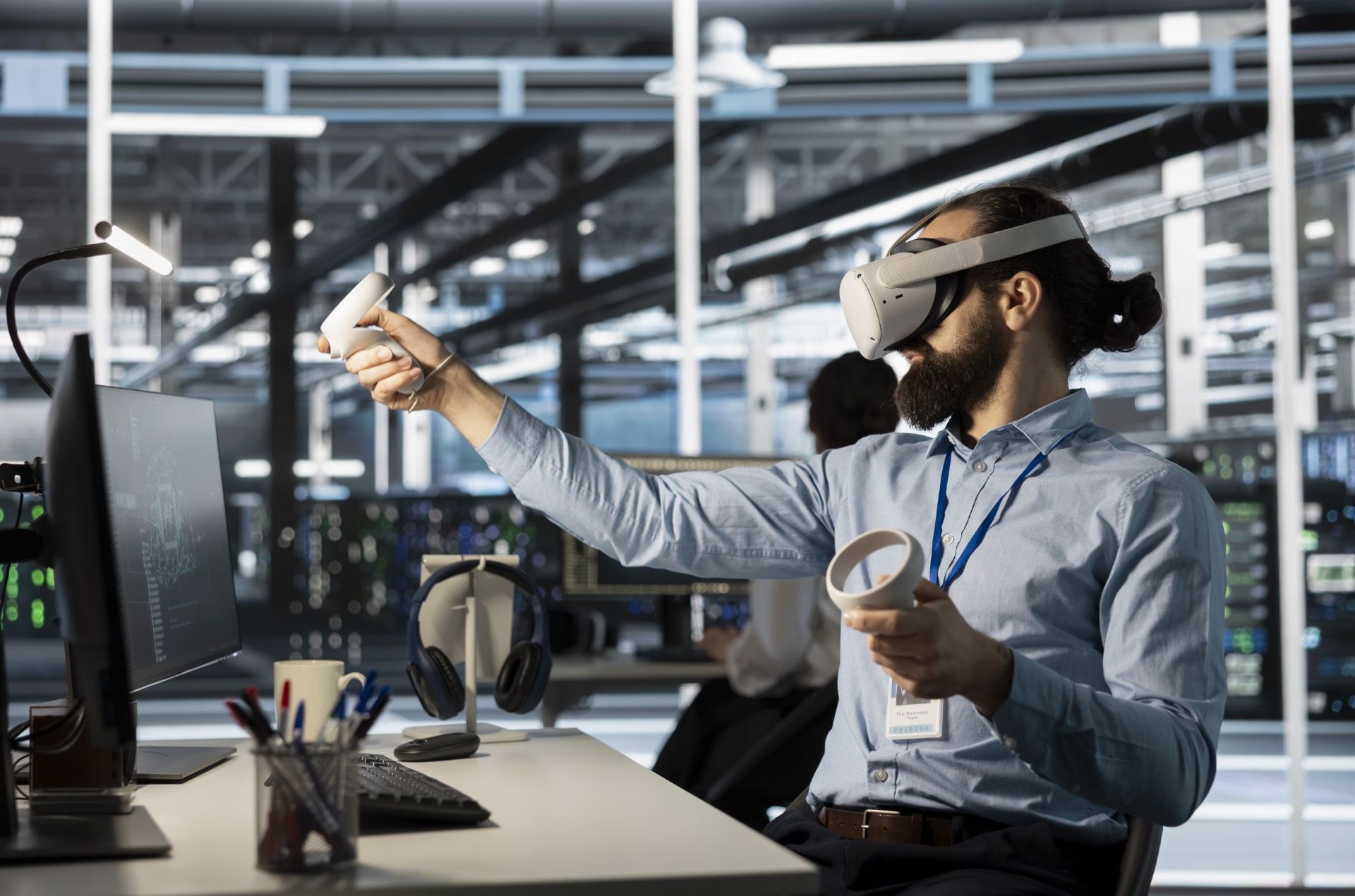
Imagine if maintaining your software could be as simple as stepping into a virtual world where complex codes and systems become clear and easy to manage. What if you could see your software’s structure right before your eyes, making updates and fixes faster and less stressful?
This is not just a dream—it’s the power of a virtual reality system designed to support software maintenance. You’ll discover how this cutting-edge technology can transform the way you handle software challenges, save you time, and reduce errors. Ready to change the way you work with software forever?
Keep reading to find out how.
Virtual Reality In Software Maintenance
Virtual reality (VR) is changing the way we approach software maintenance. It offers a new dimension to understanding and solving complex problems. VR allows developers to visualize software systems in 3D. This helps in identifying issues faster and more efficiently. Let’s explore how VR is making waves in software maintenance.
Current Challenges In Software Maintenance
Software maintenance often faces several challenges. Debugging and troubleshooting can be time-consuming. Understanding codebases, especially older ones, is difficult. Teams need to collaborate effectively, which is tough when spread across locations. Documentation is not always up-to-date. These issues slow down the maintenance process.
Role Of Virtual Reality Technology
VR offers a fresh perspective on these challenges. It transforms abstract code into interactive 3D models. Developers can walk through the code, seeing connections and dependencies clearly. This immersive experience speeds up problem-solving.
VR also enhances team collaboration. Team members can meet in a virtual space. They can discuss and solve problems together, even from different parts of the world. This makes remote work more effective.

Credit: www.mdpi.com
Designing The Vr System
Designing a virtual reality (VR) system to support software maintenance involves more than just technical setup. It requires careful planning to ensure the system truly enhances how you understand and fix software issues. The design must balance powerful features with ease of use, so you can dive into code and system architecture without getting lost in the interface.
Core Components And Architecture
The backbone of your VR system includes hardware, software, and network elements working together seamlessly. A high-quality VR headset with accurate motion tracking is essential to give you a natural and immersive experience. Alongside this, a robust computing unit must handle complex visualizations and real-time data processing without lag.
On the software side, the system needs modules for code visualization, error detection, and system mapping. These components communicate through a flexible architecture, often built on a modular platform, allowing you to add or update features easily as your maintenance needs evolve.
Think about the flow of information: how will the system fetch live data from software repositories? How will it update visual models when code changes? Designing this architecture thoughtfully ensures your VR environment stays current and relevant.
User Interface And Interaction Models
Your VR interface should feel intuitive, letting you interact naturally with complex software structures. Instead of traditional keyboards and mice, the system often relies on hand gestures, voice commands, or controller inputs to manipulate code objects and navigate through software layers.
Effective interaction models include:
- Point and select:Use your hand or controller to highlight and open code modules.
- Grab and move:Rearrange components or zoom into specific areas for closer inspection.
- Voice commands:Quickly execute functions like searching for bugs or compiling code.
Designing these interactions requires understanding how you work best. Do you prefer exploring code spatially or following a structured list? The best VR systems adapt to your workflow, reducing friction and letting you focus on problem-solving.
Have you ever struggled with traditional debugging tools that feel disconnected from the code’s logic? A well-designed VR interface can turn that frustration into clarity by making software structures visible and interactive in 3D space.
Enhancing Efficiency With Vr
Virtual Reality (VR) brings a fresh perspective to software maintenance, helping you work smarter and faster. It transforms complex tasks into clear, manageable experiences. By enhancing how you see and interact with code, VR can significantly boost your productivity.
Improved Visualization Of Code And Dependencies
Understanding large codebases can be overwhelming. VR lets you visualize code structures and dependencies in 3D space, making it easier to spot patterns and issues.
Imagine walking through your code like a virtual maze, where each module is a room connected by pathways showing dependencies. This spatial awareness helps you quickly grasp relationships that flat screens hide.
Have you ever spent hours tracing a bug only to get lost in endless lines of code? VR cuts down this time by letting you see the bigger picture and drill down into details seamlessly.
Real-time Collaboration Features
Working alone on maintenance can slow you down. VR systems enable real-time collaboration, where you and your team can meet inside the virtual environment to discuss and fix issues together.
You can point to specific code sections, highlight problems, and brainstorm solutions as if you’re in the same room. This interaction reduces misunderstandings and speeds up decision-making.
How much easier would your work be if you could collaborate with remote teammates as if they were right beside you? VR makes this possible, breaking down physical barriers and improving communication.
Credit: www.business.com
Case Studies And Applications
Virtual reality systems are gaining attention in software maintenance. They offer new ways to visualize, interact with, and understand complex software structures. Real-world examples show how these systems improve maintenance work. The following case studies highlight practical uses and measurable results.
Industry Use Cases
- Automotive:Engineers use VR to inspect and debug embedded software in vehicles. It helps reduce errors by visualizing code flow and system interactions.
- Telecommunications:VR aids network engineers in managing software updates for large-scale infrastructure. It simplifies monitoring and troubleshooting processes.
- Healthcare:Medical device companies apply VR systems to maintain and update complex software safely. This lowers risks during critical system modifications.
- Finance:Banks use VR tools to visualize transaction systems and detect software bugs. It speeds up error identification and correction.
Performance Metrics And Outcomes
| Metric | Outcome | Impact |
|---|---|---|
| Bug Detection Rate | Increased by 30% | Faster identification of software issues |
| Maintenance Time | Reduced by 25% | Quicker software updates and fixes |
| User Satisfaction | Improved by 20% | Easier and more intuitive maintenance tasks |
| Error Rate | Decreased by 15% | Higher software reliability and stability |
Challenges And Limitations
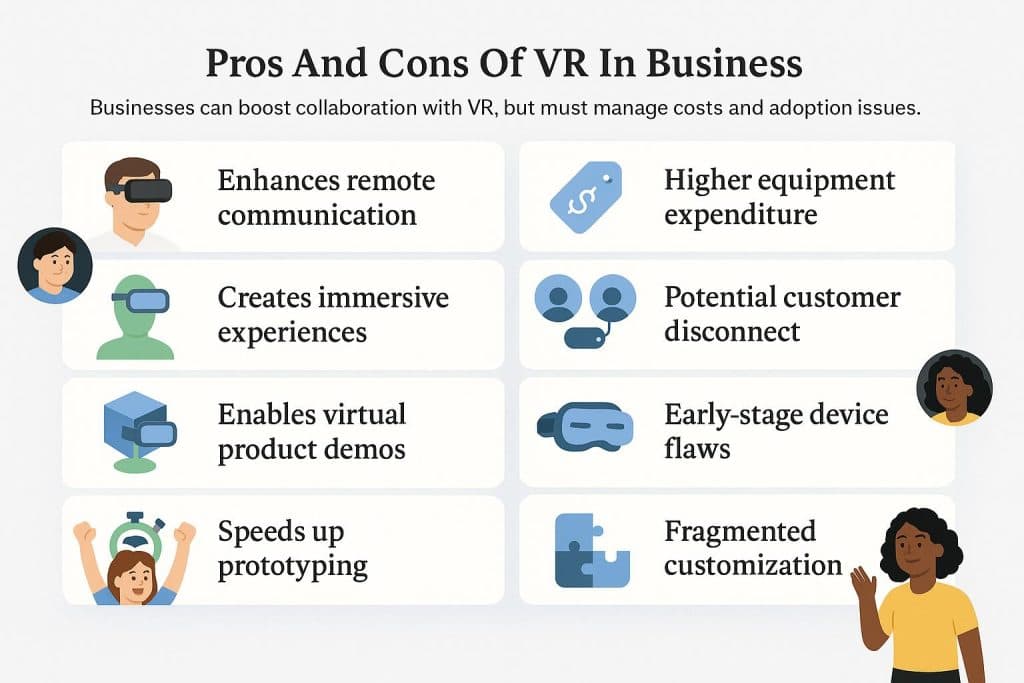
Virtual reality systems have great potential to enhance software maintenance, but they come with their own set of challenges and limitations. Understanding these obstacles can help you navigate the integration process more effectively. Let’s look at some key hurdles that you might face.
Technical Constraints
VR systems demand high computing power to render complex software environments smoothly. Not every maintenance task can be mapped accurately in 3D space, which limits the scope of what VR can support.
Latency and hardware compatibility also pose issues. If the VR system lags or fails to integrate with existing tools, it can disrupt your workflow rather than improve it.
Consider the cost and availability of suitable VR devices. Budget constraints may restrict access to the latest VR tech, affecting system performance and user experience.
User Adoption And Training
Getting your team to adopt VR for software maintenance isn’t always straightforward. Many users find VR interfaces unfamiliar or overwhelming at first.
Training is essential but can be time-consuming. Without proper guidance, users may struggle to leverage VR’s full benefits or even resist using it altogether.
Ask yourself: How will you measure success and ensure continuous learning? Providing ongoing support and clear documentation can make a real difference in overcoming resistance.
Future Trends And Innovations
The future of virtual reality (VR) systems designed to support software maintenance looks promising and full of potential. Innovations are pushing the boundaries of what VR can do, especially when paired with other cutting-edge technologies. Let’s dive into some key trends that could transform your software maintenance experience.
Integration With Ai And Machine Learning
Imagine a VR system that not only immerses you in the software environment but also predicts potential bugs before they appear. AI and machine learning can analyze vast amounts of code within the VR space and highlight areas that need attention, saving you hours of manual debugging.
This combination allows the system to learn from your maintenance patterns and suggest optimized solutions tailored to your workflow. You get real-time, intelligent guidance, which can speed up decision-making and reduce errors.
Have you thought about how much more efficient your software fixes could be with an AI-powered assistant inside your VR workspace?
Expanding Vr Capabilities In Software Engineering
VR is moving beyond simple visualization to become a collaborative, interactive tool for software engineers. You could soon work alongside remote teammates in a shared virtual environment, manipulating code modules as if you were in the same room.
Enhanced haptic feedback and gesture controls are making interactions more intuitive, allowing you to “grab” and “move” code components naturally. This hands-on approach can help you understand complex systems faster and catch issues that static code views often miss.
What if you could walk through your entire software architecture, spotting vulnerabilities or inefficiencies as easily as navigating a physical space?

Credit: www.bgosoftware.com
Frequently Asked Questions
What Is A Virtual Reality System For Software Maintenance?
A virtual reality system for software maintenance uses immersive 3D environments. It helps developers visualize and interact with software components. This enhances understanding and speeds up debugging and updates, making maintenance more efficient and less error-prone.
How Does Vr Improve Software Maintenance Processes?
VR improves software maintenance by offering interactive visualization. It allows users to explore complex code structures intuitively. This reduces cognitive load, identifies issues faster, and supports collaborative problem-solving, ultimately saving time and effort in software upkeep.
What Are Key Benefits Of Vr In Software Maintenance?
Key benefits include improved code comprehension, faster debugging, and enhanced collaboration. VR provides a spatial view of software, making complex systems easier to manage. It also reduces errors and supports remote teamwork effectively.
Can Vr Systems Support Remote Software Maintenance?
Yes, VR systems enable remote software maintenance by connecting distributed teams. Users can share a virtual workspace, review code together, and solve problems in real-time. This boosts productivity and communication regardless of location.
Conclusion
Virtual reality systems help make software maintenance clearer and faster. They show complex code in easy-to-see ways. Teams can spot and fix problems more quickly. This technology supports better understanding and reduces errors. It also helps new workers learn the system faster.
Using virtual reality can save time and lower costs. It offers a fresh way to handle software tasks. This approach could improve how software stays up-to-date and reliable.
Leave a Reply