Are you wondering if you can handle the maintenance of your aerobic system on your own? Taking care of your aerobic system might seem simple, but it requires the right knowledge and steps to keep it running smoothly.
If you want to save money and feel confident about your system’s health, this article is for you. Keep reading to discover what you need to know before diving into your own maintenance and how to avoid common mistakes that could cost you more in the long run.
Your system’s performance depends on your care—let’s make sure you do it right.
Basics Of Arobic Systems
Aerobic systems play a vital role in wastewater treatment. They use oxygen to break down organic matter. This process ensures cleaner, safer water. Understanding the basics helps in maintaining these systems efficiently.
Key Components
Aerobic systems consist of several key components. These include the aeration chamber, which adds oxygen to the water. The settling chamber allows solids to separate. A disinfection unit kills harmful bacteria. Pumps and blowers are crucial for moving air and water. Each part plays a role in the system’s success.
How They Work
The process starts in the aeration chamber. Here, air is pumped in, providing oxygen. Microorganisms use this oxygen to digest waste. This reduces harmful substances in the water. The water then moves to the settling chamber. Solids settle at the bottom, forming sludge. The clearer water flows to the disinfection unit. Here, it undergoes treatment to eliminate pathogens. The final output is cleaner, safer water ready for release.
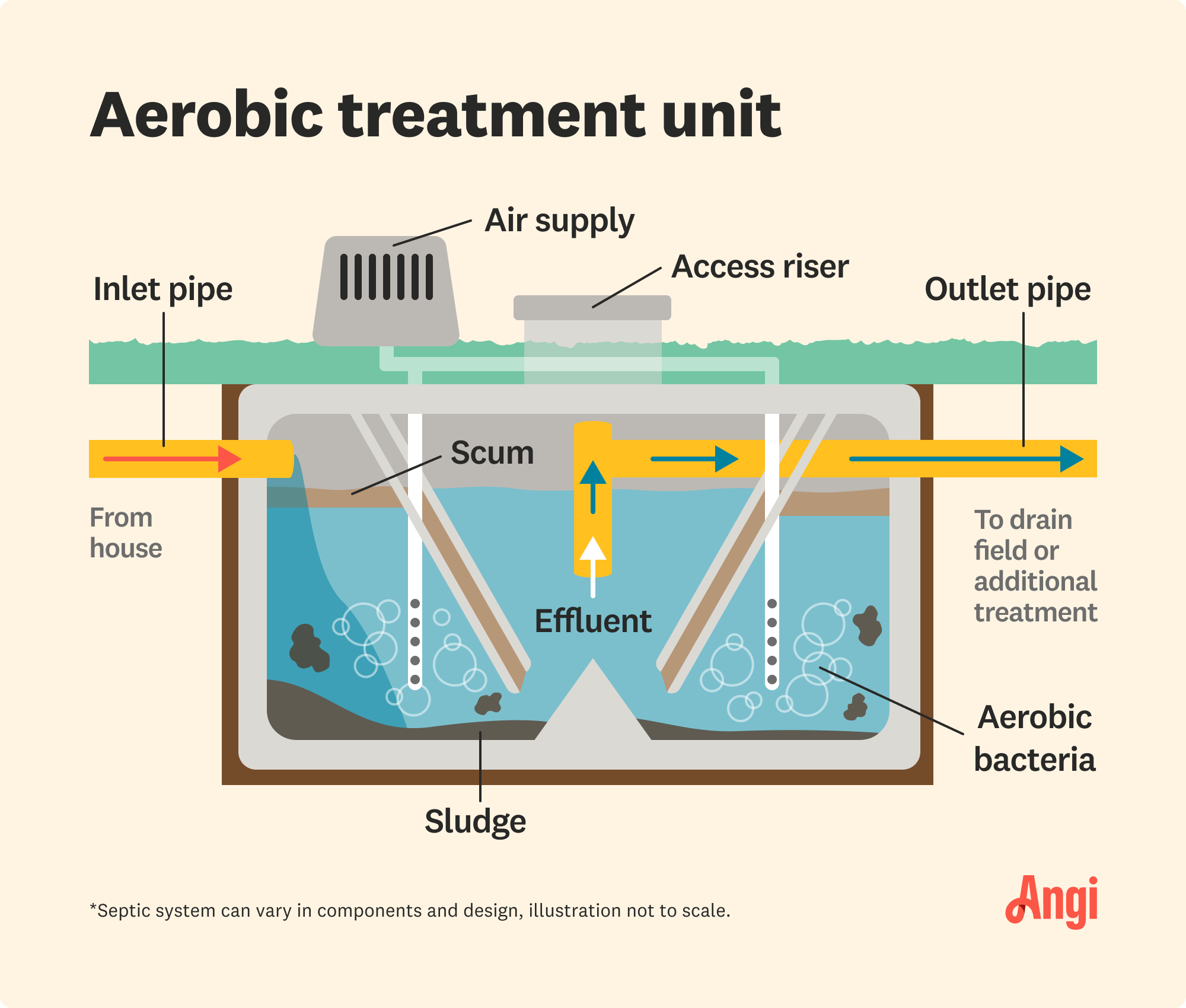
Credit: www.angi.com
Signs Your System Needs Maintenance
Knowing when your aerobic system needs maintenance saves time and money. Early signs prevent bigger problems and keep the system running smoothly. Watch for small changes that hint at trouble ahead. Timely care ensures better performance and longer equipment life.
Common Issues
- Strange noises from pumps or motors
- Unusual odors near the system
- Visible leaks or damp spots
- Clogged or dirty filters
- Corroded or damaged pipes
- Excessive foam in tanks
Performance Indicators
- Slow wastewater treatment process
- Higher energy consumption than usual
- Frequent system shutdowns or resets
- Poor water clarity after treatment
- Increased levels of pollutants in output
- Alarms or warning lights activating
Routine Maintenance Tasks
Routine maintenance keeps aerobic systems running smoothly and prevents costly repairs. Simple tasks done regularly improve system efficiency and lifespan. Knowing the basics helps you care for your system safely and effectively.
Cleaning Tips
Clean aerobic system components gently to avoid damage. Remove debris from the surface and clear any buildup. Use a soft brush or cloth and mild soap. Avoid harsh chemicals that can harm the system. Regular cleaning prevents blockages and keeps the system working well.
Filter Replacement
Filters trap particles and protect the system from clogs. Check filters monthly to see if they need replacement. Replace filters according to the manufacturer’s instructions. Using clean filters improves water flow and system performance. Keep spare filters ready for quick changes.
Checking Connections
Inspect all connections for leaks or loose fittings. Tighten any loose bolts or clamps carefully. Look for cracks or wear in hoses and pipes. Secure connections prevent leaks that can cause damage. Regular checks help catch problems early and save money.
Safety Precautions
Performing maintenance on aerobic systems demands strict attention to safety. These systems have complex parts that can cause injury if handled carelessly. Prioritizing safety protects you and ensures the system works correctly. Learning the right precautions reduces risks during maintenance tasks.
Essential Safety Gear
Always wear proper safety gear before starting any work on aerobic systems. Protective gloves stop cuts and skin irritation. Safety goggles shield eyes from dust and chemicals. A dust mask prevents inhaling harmful particles. Closed-toe shoes protect feet from heavy tools or debris. Long sleeves and pants guard against scrapes and splashes.
- Protective gloves
- Safety goggles
- Dust mask
- Closed-toe shoes
- Long sleeves and pants
Handling Electrical Parts
Turn off power before touching electrical components. Use insulated tools to avoid electric shock. Avoid wet hands or damp areas near wiring. Check wires for damage or wear regularly. Replace any faulty parts immediately to prevent hazards. Never bypass safety switches or fuses. Understand basic electrical safety rules to work safely.
When To Call A Professional
Knowing when to call a professional for your aerobic system maintenance can save you time, money, and frustration. While some tasks are simple enough to handle yourself, certain situations require expert attention to avoid causing further damage or voiding warranties. How can you tell the difference between a manageable fix and a job best left to a specialist?
Complex Repairs
Issues like electrical failures, damaged aerator motors, or problems with the control panel often need a professional’s expertise. These components are delicate and connected to multiple system parts, making DIY repairs risky. Attempting fixes without the right tools or knowledge can lead to costly mistakes and longer downtime.
Think about the last time you tried fixing a technical device without proper guidance—did it end well? Complex repairs in aerobic systems are similar. If the problem involves wiring, pumps, or intricate mechanical parts, it’s safer and more efficient to call a technician.
Warranty Considerations
Many aerobic system manufacturers require professional service to keep warranties valid. Performing unauthorized repairs or maintenance might void your warranty, leaving you responsible for expensive repairs later. Always check your system’s warranty terms before attempting any major work.
If you notice a problem early but try to fix it yourself, you might inadvertently lose warranty coverage. This could mean paying out of pocket for issues that would otherwise be covered. When in doubt, contacting a professional can protect your investment and provide peace of mind.
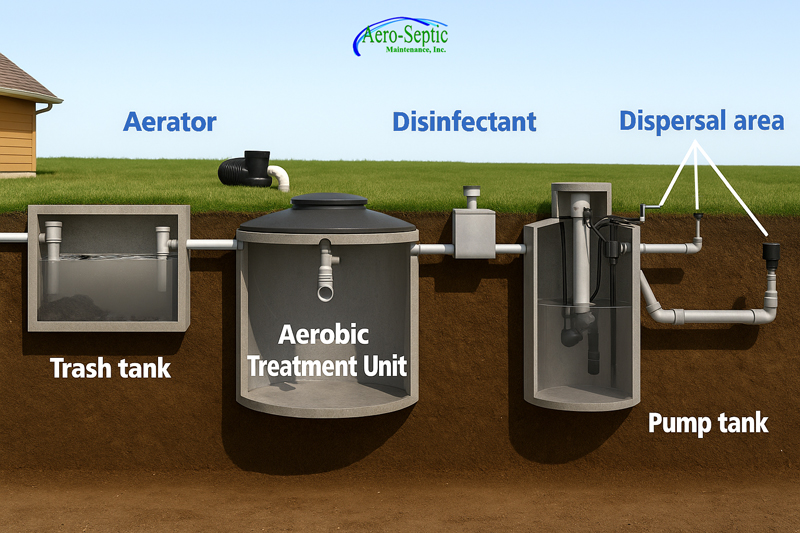
Credit: aeroseptictx.com
Cost Benefits Of Diy Maintenance
Doing your own maintenance on aerobic systems can save you a lot of money. It cuts down on the need for costly professional services. Handling small tasks yourself also helps keep the system in good shape longer. This section covers the cost benefits of DIY maintenance, focusing on saving money and extending system life.
Saving Money
DIY maintenance reduces expenses by eliminating service fees. You only pay for supplies like cleaning tools or replacement parts. Regular upkeep prevents major problems that lead to expensive repairs. Small fixes now avoid bigger costs later. This approach keeps your budget under control.
Extending System Life
Frequent care keeps the aerobic system running smoothly. Cleaning filters and checking components stops damage from building up. A well-maintained system lasts longer, delaying replacement costs. Taking time to inspect parts helps catch issues early. This preserves your investment for years.

Credit: www.vdwws.com
Frequently Asked Questions
Can I Perform Aerobic System Maintenance Myself?
Yes, basic maintenance like cleaning filters and checking pumps can be done yourself. However, complex tasks require professional help to ensure safety and efficiency.
What Tools Are Needed For Aerobic System Upkeep?
Common tools include wrenches, screwdrivers, and cleaning brushes. Specialized equipment may be required for detailed inspections or repairs.
How Often Should I Maintain My Aerobic System?
Regular maintenance every 3 to 6 months is ideal. Frequent checks prevent costly breakdowns and extend system lifespan.
Are There Risks In Diy Aerobic System Maintenance?
Yes, improper handling can cause damage or health hazards. Always follow guidelines and consult experts for major repairs.
Conclusion
Maintaining aerobic systems on your own can save money and time. Simple tasks like cleaning filters and checking pumps are doable. Regular care helps your system work better and last longer. Some jobs need professional help to avoid damage or injury.
Stay safe and know your limits. Taking small steps keeps your aerobic system healthy and efficient. You can manage basic upkeep with patience and care. Always watch for signs that need expert attention.
Leave a Reply