Have you ever wondered what makes your smartphone, computer, or even your TV work so smoothly? The answer often lies in a tiny but powerful part called an IC.
But what exactly is an IC in electronics components, and why is it so important for your devices? Understanding this can open up a whole new world of how technology around you functions. Keep reading, and you’ll discover the secrets behind this small yet mighty component that plays a huge role in your daily life.
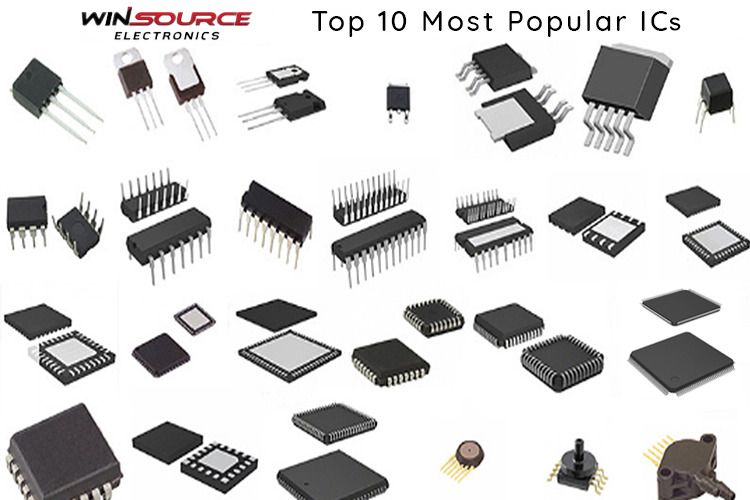
Credit: www.electronics-lab.com
Basics Of Ics
Integrated Circuits, or ICs, are vital in modern electronics. They are tiny chips that power many gadgets. Understanding their basics helps in grasping their importance.
Definition And Role
An Integrated Circuit is a small electronic device. It contains many components on a single chip. These components include transistors, capacitors, and resistors. ICs perform tasks like processing data and managing power. They are crucial in smartphones, computers, and home appliances.
Historical Background
The invention of ICs revolutionized electronics. In the late 1950s, Jack Kilby and Robert Noyce developed the first ICs. Before ICs, circuits were large and bulky. ICs made devices smaller and more efficient. This innovation paved the way for modern technology.
Types Of Ics
ICs come in various types, each serving different purposes.
- Analog ICs:These handle continuous signals. They are used in audio and radio frequency applications.
- Digital ICs:These work with binary data. They are essential in computers and digital devices.
- Mixed-signal ICs:These combine analog and digital functions. They are found in mobile phones and other communication devices.
Each type of IC has its unique role and application.
Ic Construction
The construction of an Integrated Circuit (IC) is a fascinating blend of material science and precision engineering. Understanding how ICs are built helps you appreciate the complexity behind everyday electronics. Let’s break down what goes into the making of these tiny yet powerful components.
Materials Used
Silicon is the heart of most ICs. This semiconductor material provides the perfect balance of conductivity and insulation needed for chip performance.
Besides silicon, small amounts of elements like boron or phosphorus are added to create regions that control electrical behavior. Metal layers, usually aluminum or copper, form the tiny wires connecting different parts inside the chip.
Insulating materials such as silicon dioxide keep these metal layers from shorting out. Think of these materials as the building blocks that shape how your IC functions.
Manufacturing Process
The IC manufacturing process starts with a pure silicon wafer. Using photolithography, patterns are etched onto this wafer with extreme precision—often at the scale of nanometers.
This process involves layering, doping, and etching repeatedly to build up the complex circuit structures. Each step must be perfectly controlled; even a tiny mistake can ruin the entire chip.
Have you ever wondered how billions of transistors fit in a space smaller than a fingernail? This manufacturing technique is the reason.
Packaging Styles
Once the silicon chip is ready, it needs protection. Packaging shields the delicate circuitry from physical damage and environmental factors.
Common packaging styles include:
- DIP (Dual In-line Package):Easy to handle and popular in older electronics.
- SOP (Small Outline Package):Slimmer design for compact devices.
- BGA (Ball Grid Array):Offers excellent heat dissipation and high-density connections.
Your choice of packaging affects the IC’s performance and how it fits into your circuit board. Which packaging style suits your project best?
Common Ic Categories
Integrated Circuits (ICs) come in various types, each designed to handle specific tasks in electronic devices. Understanding the common categories of ICs can help you choose the right component for your project. These categories include analog, digital, and mixed-signal ICs, each with unique functions and applications.
Analog Ics
Analog ICs deal with continuous signals. They amplify, filter, or modify signals that vary over time, such as sound or temperature. Common examples include operational amplifiers, voltage regulators, and analog-to-digital converters.
If you’ve ever adjusted the volume on a radio or used a sensor to measure light intensity, analog ICs played a crucial role. They handle real-world signals that are not just on or off but have a range of values.
Digital Ics
Digital ICs work with discrete signals, typically represented as 0s and 1s. These ICs are the foundation of computers, microcontrollers, and logic devices. They perform tasks like processing data, counting, and memory storage.
Have you noticed how your smartphone processes complex commands instantly? That’s the power of digital ICs working behind the scenes. They simplify complex operations into binary decisions, making electronics smarter and faster.
Mixed-signal Ics
Mixed-signal ICs combine both analog and digital functions on a single chip. They bridge the gap between the real world and digital systems, converting signals back and forth as needed. Examples include data converters and radio frequency ICs.
Imagine streaming music wirelessly—mixed-signal ICs handle the conversion from analog sound waves to digital data and vice versa. This category is essential when your project requires interaction with both analog environments and digital processors.
Key Ic Components
Integrated circuits (ICs) contain many small parts working together. These parts form the building blocks of electronic devices. Understanding key IC components helps in grasping how electronics function. These components include transistors, diodes, resistors, capacitors, and the connections between them. Each plays a unique role inside an IC chip.
Transistors And Diodes
Transistors act as switches or amplifiers inside ICs. They control the flow of electrical signals. Diodes allow current to flow in one direction only. This helps protect circuits and manage signal paths. Both components are essential for circuit operation and signal control.
Resistors And Capacitors
Resistors limit the flow of current to safe levels. They help control voltage and current in circuits. Capacitors store and release electrical energy quickly. They smooth out voltage changes and filter signals. Together, resistors and capacitors shape the behavior of the IC.
Interconnections
Interconnections link all components inside the IC. These tiny wires create paths for electrical signals. They ensure components work together as a single unit. Strong, reliable connections are crucial for IC performance and durability.
Applications Of Ics
Integrated Circuits (ICs) play a crucial role in countless electronic devices you interact with daily. Their small size and efficiency make them indispensable across various fields. Understanding where and how ICs are used helps you appreciate their impact on modern technology and might spark ideas for your own projects.
Consumer Electronics
ICs are the backbone of many gadgets you use every day, from smartphones to smartwatches. They manage functions like processing data, controlling displays, and handling wireless communication. Have you ever wondered how your phone fits so much power into such a tiny device? That’s ICs at work.
TVs, gaming consoles, and even kitchen appliances rely on ICs to operate smoothly and respond quickly. They help reduce the size and cost of these devices, making advanced technology affordable and accessible.
Automotive Systems
Modern cars use ICs to control everything from engine performance to safety features like airbags and anti-lock brakes. These chips process information from sensors to optimize fuel efficiency and reduce emissions. Imagine how much safer and smarter your car has become thanks to these small components.
Electric vehicles, in particular, depend heavily on ICs for battery management and motor control. Without ICs, today’s advanced driver assistance systems (ADAS) wouldn’t be possible.
Industrial Automation
In factories and plants, ICs drive automation systems that improve productivity and precision. They control robotic arms, monitor sensors, and manage communication between machines. Think about how much faster and more accurate production lines have become due to these chips.
ICs also help in predictive maintenance by processing data that signals when equipment needs attention. This prevents costly downtime and keeps operations running smoothly.
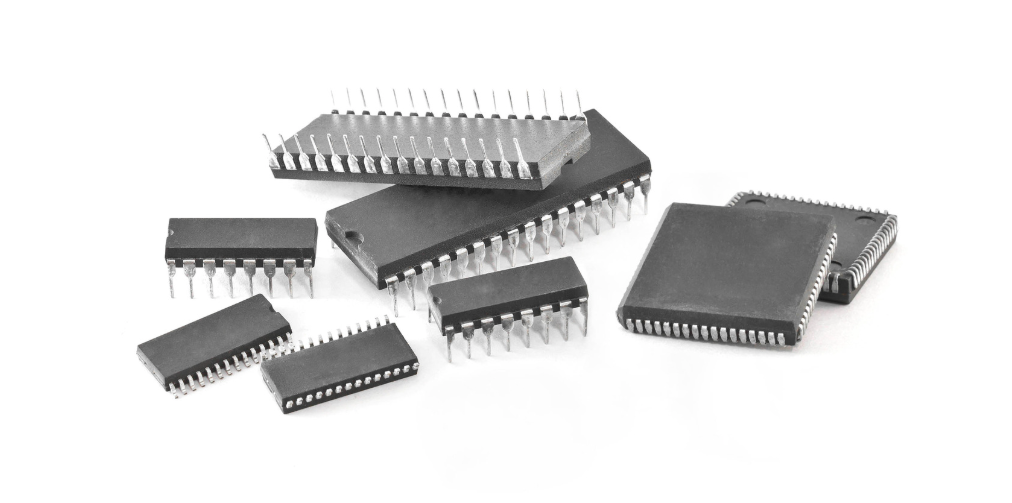
Credit: www.microchipusa.com
Advantages Of Ics
Integrated Circuits (ICs) have transformed the world of electronics by offering multiple advantages that impact design, manufacturing, and performance. Understanding these benefits helps you appreciate why ICs are the backbone of modern devices. Let’s look closely at how ICs improve various aspects of electronic components.
Size And Weight Benefits
ICs combine many electronic components into a single chip, drastically reducing the overall size of devices. This miniaturization means your gadgets can be smaller, lighter, and more portable without sacrificing functionality.
Think about the difference between old radios and today’s smartphones. The compact size of ICs makes it possible to fit complex circuits into tiny spaces, which was unimaginable a few decades ago.
Cost Efficiency
Mass production of ICs lowers manufacturing costs significantly. Instead of assembling separate parts, manufacturers produce thousands of identical ICs on a single silicon wafer.
This process not only cuts down labor but also reduces errors and waste. The cost savings are passed on to you, making advanced electronics more affordable.
Performance Improvements
ICs allow faster and more reliable operation compared to circuits built from discrete components. Signals travel shorter distances inside the chip, reducing delays and power consumption.
For instance, microprocessors rely on IC technology to handle billions of operations per second. This performance boost enables smoother user experiences and supports advanced applications like gaming and AI.
Challenges And Limitations
Integrated circuits (ICs) face several challenges and limitations during design and use. These issues affect performance, reliability, and cost. Understanding these challenges helps in making better electronic devices.
Heat Dissipation
ICs generate heat while working. Excess heat can damage delicate components inside. Managing heat is difficult because ICs are very small. Without proper cooling, the IC may fail quickly. Designers use heat sinks and special materials to reduce temperature.
Design Complexity
ICs contain thousands or millions of tiny parts. Creating these designs is complex and needs careful planning. Any small mistake can cause the IC to malfunction. Designers must balance size, power use, and performance. This complexity increases development time and cost.
Repair Difficulties
Fixing a broken IC is nearly impossible. The small size and sealed nature prevent easy repair. Usually, the whole IC must be replaced if it stops working. This leads to higher maintenance costs and electronic waste.
Future Trends In Ic Technology
The future of integrated circuit (IC) technology holds exciting changes. New methods aim to make chips smaller, faster, and more energy-efficient. These advancements will impact many fields, from smartphones to healthcare devices. Understanding these trends helps us see where electronics are heading.
Nanoelectronics
Nanoelectronics uses tiny components measured in nanometers. These small parts increase the speed of ICs while reducing power use. This technology allows more transistors to fit on a single chip. It leads to better performance in smaller devices. Nanoelectronics also opens doors for new materials beyond silicon.
3d Ics
3D ICs stack multiple layers of circuits vertically. This design saves space and shortens connections between layers. It improves data transfer speed and reduces energy loss. 3D ICs help build more powerful chips without increasing size. They are useful in high-performance computing and mobile devices.
Flexible Electronics
Flexible electronics create circuits on bendable materials. These ICs can bend, fold, or stretch without breaking. This trend enables new product designs like wearable tech and foldable phones. It also helps develop medical sensors that fit the body better. Flexible ICs bring more comfort and adaptability to electronics.

Credit: vaibhav-pawale19.medium.com
Frequently Asked Questions
What Is An Ic In Electronics?
An IC, or Integrated Circuit, is a small electronic device made of semiconductor material. It contains many tiny components like transistors and resistors. ICs perform complex functions in electronic circuits, making devices smaller and more efficient.
How Do Ics Work In Electronic Circuits?
ICs work by combining multiple electronic components into a single chip. They process electrical signals to perform specific tasks like amplification or computation. This integration improves circuit performance and reduces size and cost.
What Are Common Types Of Ics Used?
Common IC types include analog ICs, digital ICs, and mixed-signal ICs. Analog ICs handle continuous signals, digital ICs process binary data, and mixed-signal ICs combine both functions in one chip.
Why Are Ics Important In Modern Electronics?
ICs enable compact, fast, and reliable electronic devices. They reduce manufacturing costs and power consumption. Without ICs, modern gadgets like smartphones and computers wouldn’t be possible.
Conclusion
Integrated circuits, or ICs, play a key role in electronics today. They make devices smaller, faster, and more efficient. Understanding IC basics helps you see how electronics work. From phones to computers, ICs are everywhere. Simple parts inside can do complex jobs.
This knowledge builds a strong foundation in electronics. Keep exploring, and you will learn more about these tiny, powerful components.
Leave a Reply