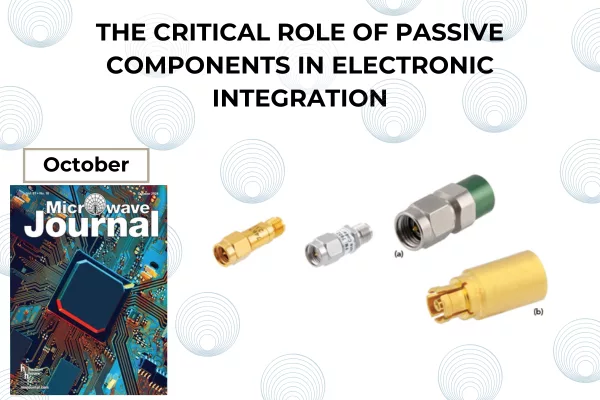
Have you ever wondered what makes your electronic devices work smoothly without constantly needing power? The secret lies in something called passive components.
These tiny parts play a huge role in controlling electrical signals and ensuring your gadgets perform just right. If you want to understand how your phone, computer, or TV stays reliable and efficient, learning about passive components is a great place to start.
Keep reading, and you’ll discover how these simple pieces quietly keep your electronics running perfectly.

Credit: www.electronicsandyou.com
Passive Components Basics
Passive components are electronic parts that do not create energy but store or release it. Common types include resistors, capacitors, and inductors. These components help control electrical signals in circuits without needing power to operate.
Understanding the basics of passive components in electronics can be a game-changer for anyone diving into the world of circuits. These components are the unsung heroes of electronics, quietly doing their job without demanding much attention. Whether you’re a hobbyist building your first project or an engineer designing complex systems, knowing about passive components is essential. But what exactly are these components, and why are they so important?Definition And Role
Passive components are electronic components that do not require an external power source to operate. They are fundamental building blocks in circuits. These components, like resistors, capacitors, and inductors, have a single purpose: to control the flow of electricity. Imagine you’re cooking a meal. Passive components are like the measuring cups and spoons—essential tools that help you get the proportions right. They ensure that the flow of electrical signals is just right for the task at hand. Without these components, your circuit wouldn’t function as intended. They help in filtering signals, dividing voltages, and storing energy. Their role might seem simple, but it’s crucial for maintaining the stability and efficiency of electronic circuits.Difference Between Passive And Active Components
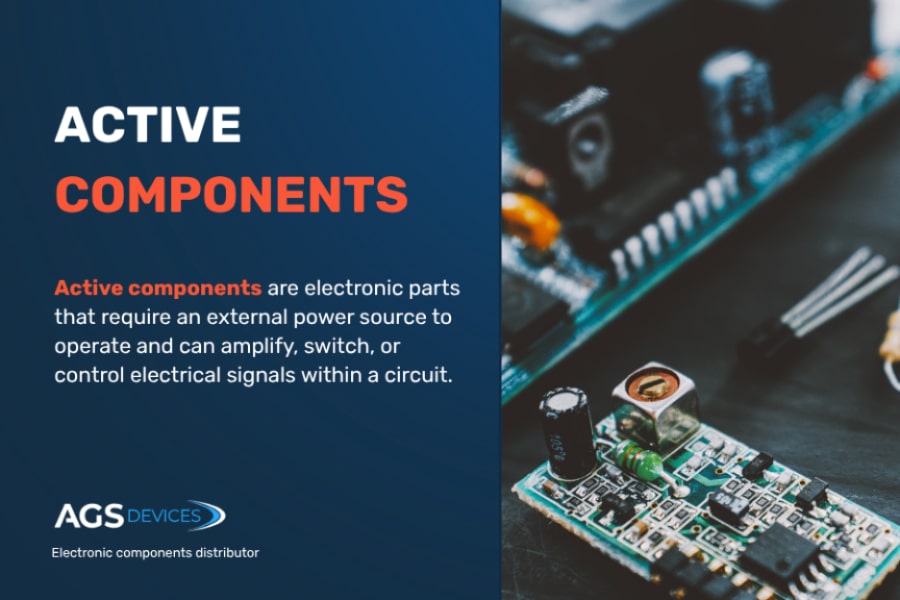
Understanding the difference between passive and active components can help you make informed decisions when designing circuits. Passive components, as mentioned, do not need an external power source. In contrast, active components, like transistors and integrated circuits, require an external source of power to operate. Active components can amplify signals, whereas passive ones cannot. A good way to think about this is in terms of a concert. Passive components are like the stage setup—essential for the performance, but they don’t generate any music. Active components are like the musicians—they bring the sound to life, using power to amplify and modify signals. So, how do you choose between them? It depends on your project needs. If you need amplification or switching, active components are your go-to. If your goal is to manage signal flow or store energy, passive components are your allies. Knowing this distinction can save you time and improve your designs. Next time you work on an electronic project, ask yourself: what role does each component play? This insight not only enhances your understanding but also your ability to create efficient and effective electronic designs.
Credit: www.youtube.com
Types Of Passive Components
Passive components form the backbone of electronic circuits. They do not require power to operate but influence current and voltage. These components store or dissipate energy without amplifying signals. Understanding their types helps in designing and troubleshooting circuits.
Resistors
Resistors control the flow of electric current. They reduce current and drop voltage in a circuit. Available in fixed and variable types, resistors are essential for managing circuit functions. Common materials include carbon, metal film, and wire wound.
Capacitors
Capacitors store electrical energy temporarily. They release energy when needed, smoothing voltage changes. Capacitors come in many forms such as ceramic, electrolytic, and film types. They are vital in filtering, timing, and tuning circuits.
Inductors
Inductors store energy as a magnetic field when current flows. They resist changes in current and filter signals. Inductors are coils of wire, often wrapped around a core. They are key in radio frequency and power supply circuits.
Transformers
Transformers transfer electrical energy between circuits using magnetic fields. They change voltage levels up or down. Transformers consist of two or more coils wrapped around a magnetic core. They enable efficient power distribution and isolation.
Other Passive Elements
Other passive components include diodes (in some contexts), switches, and connectors. They contribute to circuit control and connectivity without adding power. Each element plays a specific role in electronics systems, ensuring smooth operation.
How Passive Components Work
Understanding how passive components work helps you see their crucial role in electronics. These components don’t generate energy but influence how electrical circuits behave. Their main job is managing energy flow, either by storing it temporarily or controlling signals.
Energy Storage And Dissipation
Passive components like capacitors and inductors store energy without needing an external power source. Capacitors hold energy in an electric field, releasing it when needed, which can smooth out voltage changes. Inductors, on the other hand, store energy in a magnetic field and resist sudden changes in current.
Resistors don’t store energy but convert it into heat, helping to control current flow and protect sensitive parts. Ever noticed how your phone charger gets warm? That’s resistors at work, safely dissipating extra energy. This balance of storing and dissipating energy keeps circuits stable and efficient.
Signal Control And Filtering
Passive components shape electrical signals by filtering unwanted noise or adjusting frequencies. Capacitors block direct current (DC) but allow alternating current (AC) to pass, making them perfect for separating signal parts. Inductors do the opposite—they allow DC through but block high-frequency AC signals.
Resistors work with capacitors and inductors to create filters that target specific frequency ranges. This is essential in radios and audio equipment where clear signal transmission matters. Think about how you tune a radio station—that’s passive components at work, filtering out static and letting your favorite music come through clearly.
Credit: www.agsdevices.com
Applications In Electronics
Passive components play a vital role in many electronic devices you use daily. Their applications go beyond just holding a circuit together—they actively contribute to protection, signal handling, and managing power efficiently. Understanding where and how these components are used can give you better control over designing or troubleshooting electronics.
Circuit Protection
Passive components like resistors, capacitors, and inductors help protect circuits from damage. They limit current flow, absorb voltage spikes, and filter out unwanted noise. Have you ever wondered how your smartphone survives sudden power surges? That’s often thanks to these components acting as the first line of defense.
Signal Processing
Signal quality is crucial in electronics, especially in communication devices. Capacitors and inductors help shape and filter signals to ensure clarity and reduce interference. If you’ve noticed a static-free call or clear audio on your device, passive components are likely behind that improved signal processing.
Power Management
Efficient power use is essential for any electronic gadget, whether it’s a laptop or a wearable device. Passive components regulate voltage and current, stabilize power supply, and store energy temporarily. Have you ever checked how long your device lasts on a single charge? Good power management, supported by passive parts, plays a big role in that.
Advantages Of Passive Components
Passive components play a vital role in electronic circuits. They offer many benefits that help devices work better and last longer. These components do not need any power to operate. They are simple and reliable, making them popular in many electronic systems. Understanding their advantages can help you appreciate their importance.
Reliability And Durability
Passive components are very reliable. They have no moving parts, which reduces the chance of failure. They can work well in harsh conditions like heat and vibration. This makes them durable and long-lasting. Many devices depend on passive components for stable performance.
Simplicity And Cost-effectiveness
These components are simple in design and easy to use. Their simple nature lowers production costs. This helps keep the price of electronic products affordable. Because they are easy to manufacture, they are available in large quantities. This makes them a cost-effective choice for many applications.
No External Power Needed
Passive components do not require external power to function. They do not consume energy themselves but help control the flow of electricity. This feature saves energy and reduces the overall power consumption of devices. It also simplifies the circuit design by removing the need for extra power sources.
Choosing The Right Passive Component
Choosing the right passive component is vital for any electronic project. It ensures the circuit works efficiently and lasts longer. Passive components include resistors, capacitors, and inductors. Each has specific roles and features. Selecting them carefully improves performance and reliability.
Based On Electrical Characteristics
Understand the component’s resistance, capacitance, or inductance first. Check voltage and current ratings to avoid damage. Pay attention to tolerance, which shows accuracy. Low tolerance means better precision. Frequency response matters for high-speed circuits. Choose components with suitable electrical specs for your design.
Considering Environmental Factors
Think about where the component will be used. Temperature affects component behavior and lifespan. Some parts handle heat better than others. Moisture and humidity can cause failures. Use components with protective coatings if needed. Mechanical stress from vibration or shock also matters. Pick parts rated for the environment they face.
Matching With Circuit Requirements
Know the circuit’s purpose and operating conditions. Match the component’s size and shape with the design space. Consider power consumption to keep efficiency high. Look at the component’s noise and stability levels. Compatibility with other parts avoids signal loss. The right fit ensures smooth circuit operation.
Future Trends In Passive Components
The future of passive components in electronics looks exciting and full of innovation. These components, which do not require power to operate, are evolving to meet the demands of smaller, faster, and smarter devices. Advances in technology are pushing the boundaries of what passive components can do, making them more efficient and versatile.
New trends focus on making components smaller, using better materials, and adding intelligent features. These changes help improve overall device performance and open new possibilities in electronics design.
Miniaturization And Integration
Passive components are becoming smaller to fit into compact devices. This trend helps save space on circuit boards and reduces weight. Integration means combining multiple passive components into a single unit. This reduces assembly time and improves reliability. Miniaturization supports the rise of wearable gadgets and IoT devices.
Advanced Materials
New materials improve the performance of passive components. They offer better heat resistance and electrical stability. Materials like ceramics, polymers, and composites are widely used. These materials increase component lifespan and reduce energy loss. Using advanced materials also helps components work well in harsh environments.
Smart Passive Components
Smart passive components include sensors and adaptive elements. They can monitor their own condition and adjust performance. These components support predictive maintenance and fault detection. Smart features increase system efficiency and safety. They play a key role in modern electronics with self-healing and self-tuning abilities.
Frequently Asked Questions
What Are Passive Components In Electronics?
Passive components are electronic parts that do not generate energy. They only store or dissipate it. Examples include resistors, capacitors, and inductors. They play crucial roles in controlling current and voltage in circuits without amplification.
How Do Passive Components Differ From Active Components?
Passive components cannot amplify signals or control current flow. Active components, like transistors, can amplify and switch signals. Passive parts only resist, store, or transfer energy, making them essential for circuit stability and filtering.
Why Are Passive Components Important In Circuits?
Passive components manage voltage, current, and signal timing. They ensure circuit stability, filtering, and energy storage. Without them, circuits would malfunction or fail, highlighting their critical role in electronic design.
Can Passive Components Affect Signal Quality?
Yes, passive components influence signal strength and clarity. Resistors limit current, capacitors filter noise, and inductors manage frequency response. Proper selection improves overall signal quality in electronic devices.
Conclusion
Passive components play a key role in electronic circuits. They store or release energy without needing power. Resistors, capacitors, and inductors are common types. These parts help control current and voltage. They work quietly but are very important. Understanding them helps you grasp how devices function.
Simple yet essential. Every electronic device depends on passive components. Learning about them builds a strong electronics foundation. Keep exploring to see how they fit in real circuits.
Leave a Reply