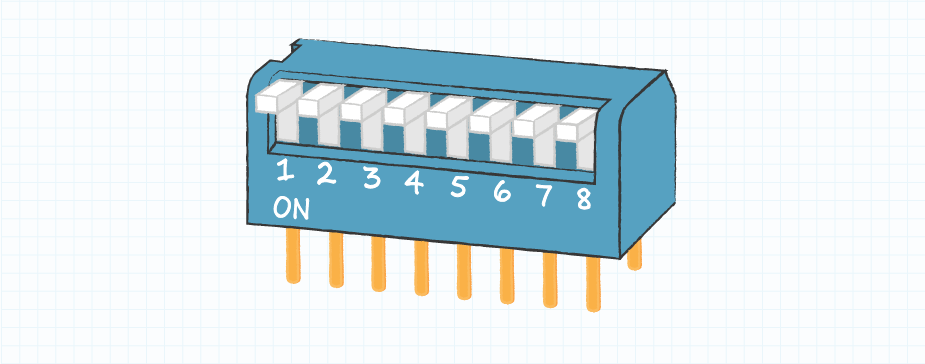
Have you ever wondered what makes your electronic devices work so smoothly? One key part behind the scenes is the DIP electronic component.
If you’re curious about what a DIP component is and why it’s important for your gadgets, you’re in the right place. By the end of this article, you’ll understand how these small parts play a big role in electronics and how they might even help you with your own projects.
Keep reading to unlock the secrets of DIP components and see how they fit into the world of technology you use every day.
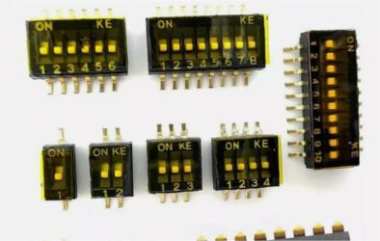
Credit: www.smyg.hk
Basics Of Dip Components
In the world of electronics, understanding components is crucial. Dual In-line Package, or DIP, is a common type of electronic component. These components are used in various devices, making them essential in electronics. Their design allows for easy handling and installation.
What Is A Dip Component
A DIP component is a type of electronic package. It features two parallel rows of pins. These pins can be inserted into a breadboard or a printed circuit board. This design makes them easy to install and replace. DIP components are popular in educational kits and prototypes.
Common Types Of Dip Components
There are several types of DIP components. Each serves a unique purpose in electronic circuits. Some common types include:
- Integrated Circuits (ICs):These are chips with multiple functions. They perform tasks like processing and storing data.
- Resistors:These control the flow of electric current. They help protect other components from damage.
- Capacitors:These store and release electrical energy. They help stabilize voltage and power supply.
- Diodes:These allow current to flow in one direction. They prevent damage from reverse voltage.
Understanding these types helps in choosing the right components. It ensures the smooth functioning of electronic circuits.
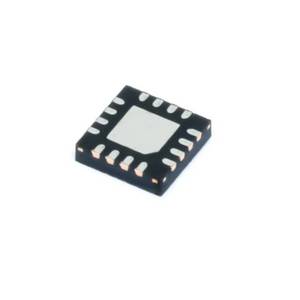
Credit: www.alibaba.com
Structure And Design
The structure and design of a DIP (Dual In-line Package) electronic component play a crucial role in how it connects and functions within electronic circuits. Understanding its build helps you handle, install, or even troubleshoot these components with confidence. Let’s break down what makes up a DIP and why each part matters.
Pin Configuration
DIP components feature two parallel rows of pins that extend from the package’s sides. These pins are spaced evenly, usually at 2.54 mm (0.1 inch) apart, making them easy to insert into breadboards or through-hole PCBs (printed circuit boards).
The number of pins varies, commonly ranging from 8 to 40, depending on the complexity of the component inside. Each pin serves a specific function—power supply, ground, input, or output—which you can identify through datasheets.
Materials Used
The body of a DIP is typically made from plastic or ceramic, chosen for their insulating properties and durability. Plastic packages are more common due to their cost-effectiveness, while ceramic types are used in high-reliability or high-frequency applications.
Pins are made from metal, often tin-plated or gold-plated, to ensure good electrical conductivity and prevent corrosion. This combination ensures that the component remains reliable over time, even in less-than-ideal environments.
Size Variations
DIP packages come in different sizes to accommodate various pin counts and internal circuit complexities. Smaller DIPs with 8 or 14 pins are common for simple ICs, like timers or op-amps.
Larger DIPs, with 28 or more pins, often house microcontrollers or memory chips. This variation lets you choose the right DIP size based on your project’s needs without wasting space or functionality.
How Dip Components Work
Understanding how DIP components work helps in grasping their role in electronics. These components have a simple design yet serve important functions. Their operation relies on clear electrical connections and controlled signal flow.
Electrical Connections
DIP components consist of a plastic or ceramic body with two parallel rows of metal pins. These pins connect the internal circuitry to the external device or circuit board. Each pin fits into a socket or solder hole on a printed circuit board (PCB).
The pins carry electrical current into and out of the component. Their arrangement ensures stable and secure connections. This design allows easy insertion and removal of the component without damage.
Signal Flow
Signals enter the DIP component through specific input pins. Inside, the component processes or modifies these signals based on its function. The processed signals then exit through output pins.
Signal flow depends on the component type, such as logic gates, resistors, or microcontrollers. Proper pin alignment is crucial for correct signal transmission. This flow ensures the component works as intended within the circuit.
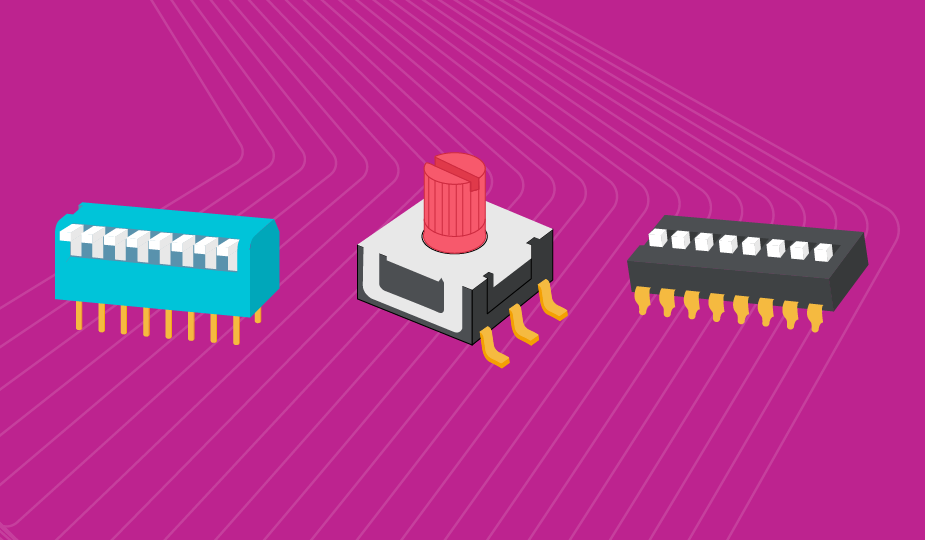
Credit: www.sameskydevices.com
Applications Of Dip Components
DIP components are widely used in various fields due to their simple design and ease of installation. These components fit well into standard circuit boards. Their versatility makes them suitable for many applications.
In Consumer Electronics
DIP components are common in everyday devices. They appear in radios, remote controls, and televisions. Their compact size helps keep devices small and lightweight. Many audio and video gadgets use DIP chips for sound and image processing. They also help control power management in battery-operated devices.
In Industrial Equipment
Industrial machines rely on DIP components for reliable operation. These parts manage signals and data in control systems. They help maintain precision in manufacturing tools and sensors. DIP chips are easy to replace, which reduces maintenance time. Their durability suits harsh factory environments well.
In Prototyping And Testing
Engineers use DIP components to build and test new circuits. Their pin layout fits standard breadboards and test boards. This feature allows quick changes and adjustments. DIP parts enable easy debugging of electronic designs. They help speed up product development and innovation.
Advantages And Limitations
Understanding the advantages and limitations of DIP (Dual In-line Package) electronic components can help you decide when they are the right choice for your projects. These components have been a staple in electronics for decades, offering certain benefits and posing specific challenges that can affect your design and assembly process.
Benefits Of Using Dip Components
DIP components are easy to handle and solder, making them ideal for beginners and prototyping. Their size and shape fit well into standard breadboards and through-hole PCBs, allowing quick testing and modifications.
Because DIP parts are widely used, you’ll find a broad selection and good availability. This means less waiting time and often lower costs compared to more modern surface-mount components.
Their robust design also makes them durable during manual assembly. If you’ve ever soldered a DIP chip, you know how forgiving they are compared to tiny surface-mount parts that require precise tools.
Common Drawbacks
One limitation is the larger physical footprint of DIP components. They take up more space on your PCB, which can be a problem when designing compact or portable devices.
Also, DIP packages generally have slower signal speeds and poorer performance at high frequencies due to longer lead lengths. If you’re working on high-speed circuits, this could impact your results.
Finally, automated assembly lines favor surface-mount technology, so using DIP parts might increase manufacturing costs and time if you scale up production. Have you considered how this might affect your project’s timeline?
How To Handle And Use Dip Components
Handling DIP electronic components requires care and precision. These small parts need proper techniques to work well in circuits. Using the right methods prevents damage and ensures good connections. Follow simple steps for mounting, soldering, and storage to keep your DIP components safe and functional.
Mounting Techniques
Insert DIP components carefully into the circuit board holes. Align pins with the holes to avoid bending. Press gently until the component sits flat on the board. Check pin spacing to match the board layout. For breadboards, push pins straight down without force. Use a socket for easy replacement and protection from heat.
Soldering Tips
Heat the soldering iron to the correct temperature, usually 350°C. Touch the pin and pad together briefly with the iron tip. Apply solder to the heated joint, not the iron. Use just enough solder to cover the connection. Avoid cold joints by ensuring solder flows smoothly. Let the joint cool naturally without moving the component. Trim excess pin length after soldering for a clean finish.
Storage And Maintenance
Store DIP components in anti-static bags or containers. Keep them dry and away from dust or moisture. Label storage boxes clearly for easy identification. Avoid bending or dropping components during handling. Check components before use for any visible damage. Clean circuit boards gently with a soft brush after soldering. Maintain a tidy workspace to protect parts from damage.
Comparing Dip With Other Packages
Comparing DIP (Dual In-line Package) with other electronic component packages helps you choose the right type for your project. Each package offers unique benefits and drawbacks depending on your needs like size, assembly method, and durability. Understanding these differences makes your design more efficient and easier to build.
Dip Vs Surface Mount
DIP components have two parallel rows of pins that go through holes on a circuit board. Surface Mount Devices (SMDs), on the other hand, are mounted directly onto the surface of the board without the need for holes.
DIP parts are easier to handle and solder by hand, making them ideal for beginners or prototyping. SMDs are smaller and allow for higher component density, which is great for compact, modern electronics.
Think about your project size and assembly process. Do you have access to a reflow oven or pick-and-place machine? If not, DIP might save you time and frustration during assembly.
When To Choose Dip
You should pick DIP components when you need easy manual soldering or want to swap parts quickly during testing. Hobbyists and small-scale projects benefit from DIP because it’s straightforward and forgiving.
Also, DIP is better for circuits that face mechanical stress since the through-hole pins provide strong physical support. If your device will be handled often or exposed to vibration, DIP components hold up better.
Ask yourself: Are you working on a one-off prototype or a small batch? DIP can speed up your process without requiring expensive manufacturing equipment.
Frequently Asked Questions
What Is A Dip Electronic Component?
A DIP (Dual In-line Package) is a type of electronic component packaging. It has two parallel rows of pins for easy insertion into circuit boards. DIP components are widely used for integrated circuits and are known for their simplicity and reliability.
How Does A Dip Component Differ From Other Packages?
DIP components have pins on two sides, unlike surface-mount devices. This design allows easy manual insertion and soldering on through-hole PCBs. They are larger but simpler to handle and replace compared to smaller, modern packages.
What Are Common Uses Of Dip Electronic Components?
DIP components are commonly used in microcontrollers, memory chips, and logic gates. Their ease of handling suits prototyping, educational purposes, and low-volume production. They remain popular in vintage electronics and repair work.
Can Dip Components Be Used In Modern Electronics?
Yes, DIP components are still used in modern electronics, especially in prototyping and hobbyist projects. However, many advanced devices prefer surface-mount technology for miniaturization and automated assembly.
Conclusion
DIP electronic components are small but important parts in many devices. They fit easily into circuit boards and work well. Knowing what a DIP is helps you understand electronics better. These parts are common and useful for many projects. Next time you see a circuit board, you might spot a DIP component.
Simple, reliable, and widely used—DIP parts play a big role in electronics.
Leave a Reply