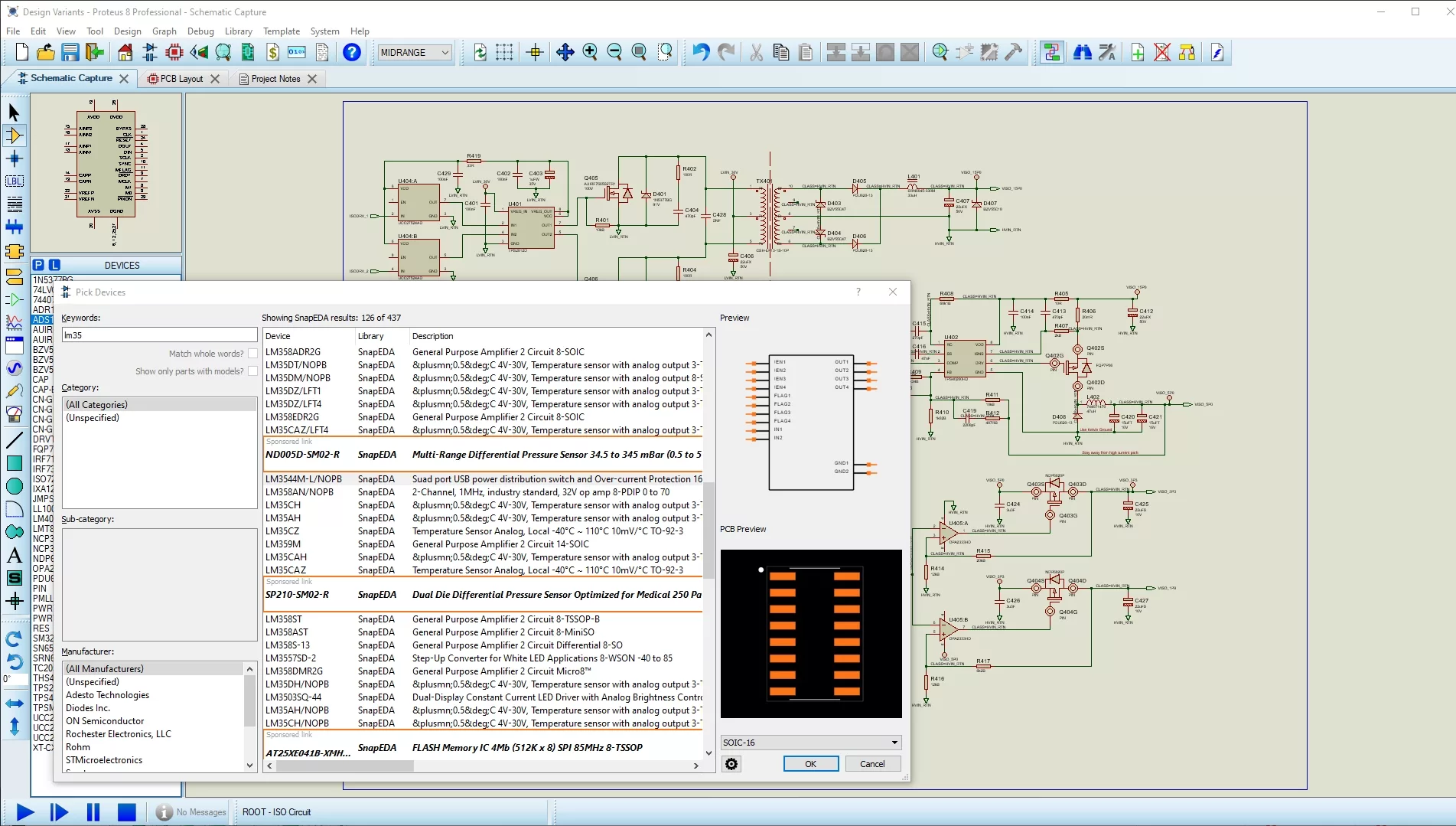
Finding the right electronic components can feel like searching for a needle in a haystack. You might have a clear idea of what you need, but where do you start?
How can you be sure you’re choosing the best parts for your project without wasting time or money? This guide will walk you through simple, effective steps to make your search faster and more confident. By the end, you’ll know exactly how to find quality components that fit your needs and keep your project on track.
Ready to make your hunt easier and smarter? Let’s dive in.
Choosing The Right Components
Choosing the right components means checking specifications carefully to fit your project needs. Study datasheets and compare brands for quality and price. Focus on reliability to ensure your electronics work well and last long.
Choosing the right components for your project is crucial. The correct parts ensure your electronic device functions effectively. Selecting the wrong ones can lead to poor performance or failures. You need to match components to your specific needs. Let’s explore how to do this.Identify Your Project Requirements
Start by defining your project’s purpose. Know what your device should do. Make a list of tasks it must perform. This helps narrow down necessary components. Consider power needs and size constraints. Different projects have different demands. Identify all technical needs early on.Understand Component Specifications
Read the datasheets for each component. They provide essential details about function and performance. Pay attention to voltage, current, and power ratings. These must align with your project’s requirements. Check the temperature range. Ensure it suits the environment where the device will operate. Specifications guide you in making informed choices.Consider Compatibility And Standards
Components must work well together. Check for compatibility with existing parts. Look for industry standards that apply to your project. Standards ensure reliability and safety. They also simplify integration with other systems. Confirm that your components meet these standards. This reduces the risk of future issues.Finding Reliable Suppliers
Finding reliable suppliers is a key step when searching for electronic components. The quality and availability of parts depend heavily on where you source them. Choosing the right supplier can save you time, money, and frustration down the line.
Top Online Marketplaces
Online marketplaces offer a vast selection of electronic components from various sellers. Platforms like Digi-Key, Mouser Electronics, and Amazon provide detailed product information and user reviews.
These sites often have fast shipping and competitive prices. However, watch out for counterfeit parts by checking seller ratings and certifications.
Have you ever ordered a component only to find it didn’t meet your specifications? Reading customer feedback can help you avoid that experience.
Authorized Distributors
Authorized distributors sell components directly from manufacturers, ensuring authenticity and quality. Companies like Arrow Electronics and Avnet specialize in this area.
They often provide technical support and warranty services that third-party sellers might not offer. This can be a lifesaver if you run into issues with your parts.
Do you need high-reliability components for a critical project? An authorized distributor should be your go-to source.
Local Electronics Stores
Local electronics stores can be a great resource for immediate needs or small quantities. You can inspect the components personally and ask for advice from knowledgeable staff.
Although prices might be higher than online options, you gain convenience and trust. Plus, supporting local businesses helps keep your community’s tech ecosystem alive.
Have you tried visiting a local store before ordering online? Sometimes a quick chat can save you from ordering the wrong part.
Using Datasheets Effectively
Datasheets are essential tools for anyone searching for electronic components. They provide detailed information directly from the manufacturer. Learning to read and use datasheets effectively saves time and reduces errors in component selection. This section covers how to extract crucial details, compare different datasheets, and avoid common mistakes.
Key Information To Look For
Focus on the component’s electrical specifications first. Check parameters like voltage, current, power rating, and tolerance. Look for pin configuration and package type to ensure compatibility with your design.
Thermal characteristics are important for components that generate heat. Review maximum operating temperature and thermal resistance. Mechanical dimensions and weight help with physical placement and assembly.
Pay attention to recommended operating conditions and typical performance curves. These details show how the component behaves under real-world situations. Manufacturer notes and application examples offer useful insights.
Comparing Datasheets
Compare datasheets of similar components side-by-side. Create a table to list key specs like voltage, current, and power for quick visual comparison.
| Specification | Component A | Component B |
|---|---|---|
| Voltage | 5V | 3.3V |
| Current | 500mA | 700mA |
| Power | 2W | 1.5W |
Check differences in tolerances and limits. Even small variations can affect performance or reliability. Use datasheets to confirm the best fit for your project.
Avoiding Common Pitfalls
Do not rely solely on one datasheet section. Important details can be spread across multiple pages. Skipping sections risks missing critical warnings or limitations.
Beware of outdated datasheets. Always download the latest version from the official website. Old datasheets might have incorrect or incomplete information.
Watch for similar part numbers with different specs. Double-check the full model number to avoid ordering wrong components. Cross-reference with multiple sources to be sure.
Evaluating Component Quality
Evaluating the quality of electronic components is crucial for the success and reliability of your projects. Poor-quality parts can lead to failures, wasted time, and increased costs. Knowing how to assess component quality helps you avoid these pitfalls and ensures your designs perform as expected.
Checking Manufacturer Reputation
Start by researching the manufacturer’s background. Trusted brands often have consistent quality control and better customer support. You can check reviews, industry forums, and certification records to gauge their reliability.
Pay attention to how long the manufacturer has been in business and their presence in the market. A company with a long history usually indicates stability and commitment to quality. Have you ever bought a part from a lesser-known brand only to find it underperforms? That’s why reputation matters.
Spotting Counterfeit Parts
Counterfeit components are a real risk in the electronics market. They may look identical to genuine parts but often fail prematurely or cause system errors. Learn to identify signs like inconsistent markings, poor packaging, and suspiciously low prices.
Always buy from authorized distributors or verified sellers. Request certificates of authenticity if possible. Have you noticed how counterfeit parts sometimes have slight color or font differences on their labels? Small details like these can save you from big headaches.
Testing And Verification Methods
Even reputable components should be tested before use. Simple tests like measuring resistance, capacitance, or continuity can reveal obvious defects. More advanced methods include X-ray inspection or functional testing under real conditions.
Keep a basic testing setup handy for quick checks. Testing ensures the part matches its datasheet specifications and behaves as expected. How much time do you spend verifying parts before assembly? Investing a few minutes here can prevent hours of troubleshooting later.
Optimizing Your Search Techniques
Efficiently finding the right electronic components saves time and reduces errors. Optimizing your search techniques helps you narrow down options and get precise results. It also makes your shopping experience smoother and more productive.
Using Advanced Search Filters
Many online stores and databases offer filters to refine your search. These include parameters like voltage, package type, tolerance, and manufacturer. Applying filters helps you skip irrelevant items quickly. It lets you focus on parts that match your exact needs.
- Select specific categories such as resistors or capacitors.
- Set ranges for values like resistance or capacitance.
- Choose preferred brands or suppliers.
- Filter by stock availability or lead time.
Leveraging Keywords And Part Numbers
Use clear and specific keywords related to the component. Including the exact part number improves search accuracy. Part numbers are unique codes assigned by manufacturers. They help find the exact component without confusion.
- Combine keywords with technical specs (e.g., “100uF 16V capacitor”).
- Check datasheets for correct part numbers.
- Use abbreviations commonly found in the industry.
- Try synonyms for better coverage (e.g., “IC” and “chip”).
Utilizing Search Engines And Forums
Search engines can find components across multiple websites quickly. Use quotation marks for exact phrases or part numbers. Forums offer advice from experienced engineers and hobbyists. They often share useful links and alternative components.
- Search with specific queries like “buy LM358 op-amp.”
- Visit electronics forums for recommendations and reviews.
- Ask questions about availability and substitutes.
- Look for community-verified suppliers and resources.
Credit: www.endrich.com
Managing Costs And Inventory
Managing costs and inventory is essential when searching for electronic components. Keeping expenses low while maintaining stock helps avoid delays and extra charges. Smart decisions on price and inventory levels improve efficiency.
Good cost management supports project budgets. Proper inventory control reduces waste and prevents shortages. Both factors contribute to smooth operations and timely deliveries.
Balancing Price And Quality
Choosing components requires weighing cost against quality. Low prices may mean lower durability or performance. Higher quality parts last longer and work better but cost more. Aim for parts that meet your needs without overspending.
Check reviews and datasheets to confirm quality. Avoid the cheapest options if they risk failure. Investing in reliable parts saves money on repairs and replacements later.
Bulk Purchasing Tips
Buying in bulk often lowers the price per unit. Suppliers usually offer discounts for larger orders. Calculate how much stock you need to avoid overbuying.
- Estimate your project’s total component needs.
- Compare bulk prices from multiple suppliers.
- Consider storage space and shelf life.
- Buy only what you can use before parts become obsolete.
Bulk purchasing reduces cost but requires good planning to prevent excess inventory.
Inventory Tracking Tools
Keeping track of components prevents running out or overstocking. Use simple tools like spreadsheets or dedicated software. These help monitor quantities, reorder levels, and supplier info.
Features to look for in tracking tools:
- Real-time stock updates
- Alerts for low inventory
- Order history records
- Easy data entry and reporting
Proper inventory tracking saves time and money by avoiding last-minute orders and excess storage.
Staying Updated With Market Trends
Staying updated with market trends is vital for finding the right electronic components. The electronics industry changes fast. New products and technologies appear every day. Keeping track helps you choose parts that fit your project needs and future demands.
Following market trends also saves time and money. It prevents buying outdated or soon-to-be obsolete components. Staying informed improves your design and development process. It keeps your work competitive and relevant.
New Component Releases
Manufacturers often launch new components with better features. These releases include microcontrollers, sensors, and power modules. Checking new releases regularly helps spot improvements early. Many companies share updates on their websites or newsletters.
- Subscribe to manufacturer newsletters
- Visit product announcement sections on company sites
- Attend virtual or physical electronics trade shows
Emerging Technologies
New technologies change how electronics work. Examples include AI chips, flexible circuits, and IoT devices. Understanding these trends guides your component choices. It ensures compatibility with future systems and standards.
- Explore technology blogs and forums
- Follow research publications related to electronics
- Watch for patents and innovation reports
Industry News Sources
Industry news sites offer updates on market shifts and product launches. Trusted sources provide reviews, interviews, and expert opinions. Regular reading helps you stay aware of changes affecting component availability and cost.
- Subscribe to electronics trade magazines online
- Use RSS feeds from top electronics news websites
- Join professional groups on social media platforms

Credit: www.youtube.com

Credit: www.reddit.com
Frequently Asked Questions
What Are The Best Websites To Search Electronic Components?
The best websites include Digi-Key, Mouser, and Arrow. They offer extensive catalogs, datasheets, and pricing details. These platforms provide reliable stock information and user reviews, helping you make informed decisions quickly and efficiently.
How To Identify Electronic Components Specifications?
Check the datasheet for key specs like voltage, current, tolerance, and package type. Use manufacturer websites or databases to verify details. Accurate specs ensure compatibility and optimal performance in your electronic projects.
What Keywords Improve Electronic Component Search Results?
Use specific terms like “resistor 1k ohm,” “SMD capacitor 10uF,” or “NPN transistor BC547. ” Include package type and ratings for precise results. Clear keywords help locate exact parts quickly and avoid irrelevant listings.
How To Verify Authenticity Of Electronic Components Online?
Buy from authorized distributors and check for manufacturer seals. Review datasheets and compare markings on the component. Authentic parts ensure reliability and prevent failures in your electronic designs.
Conclusion
Searching for electronic components takes patience and careful checking. Know the exact part number and its specifications first. Use trusted sources and compare prices before buying. Always read reviews to avoid low-quality parts. Keep a list of reliable suppliers for future needs.
This way, you save time and avoid mistakes. A good search helps your projects work well and last longer. Stay organized and keep learning about new parts. Your success depends on smart choices and steady effort.
Leave a Reply