Imagine waking up one day to find all your home electronics—your computer, TV, smartphone, and even your refrigerator—completely dead. No warning, no chance to save your data or finish your work.
This could happen if your devices get hit by an EMP, or electromagnetic pulse. But don’t panic. You have the power to protect your valuable electronics from this hidden threat. You’ll discover simple, effective steps you can take right now to shield your devices.
Keep reading to learn how to safeguard your home and stay connected when it matters most.
What Is An Emp
Electromagnetic pulses, or EMPs, can be a mysterious phenomenon for many. They are bursts of electromagnetic energy that can potentially disrupt or damage electronic equipment. Understanding EMPs is essential if you want to protect your home electronics from unexpected damage.
Types Of Emps
There are several types of EMPs, each with different effects. Natural EMPs, like lightning, are something most of us have experienced. Then there are man-made EMPs, which might come from nuclear explosions or specialized EMP weapons.
A third type is solar EMPs, caused by solar flares or storms. These can sometimes reach Earth and affect satellites and power grids. It’s fascinating to think that the sun, millions of miles away, can impact our electronics so profoundly.
Sources Of Emps
Understanding where EMPs come from can help you better prepare. The sun is a major natural source through solar flares. These solar events can cause geomagnetic storms, leading to widespread electronic disruption.
Man-made sources are also significant. Nuclear explosions, at high altitudes, can create EMPs that affect large geographical areas. Specialized EMP weapons, though less common, are designed to target and disable electronics specifically.
Have you ever considered how vulnerable your home electronics might be to these invisible forces? It’s crucial to think about measures you can take today to shield your devices from such occurrences. Are your electronics ready to face an EMP challenge?

Credit: shopsolarkits.com
Emp Effects On Electronics
Electromagnetic pulses (EMP) pose a serious threat to home electronics. These powerful bursts of energy can disrupt or destroy devices instantly. Understanding how EMP affects electronics helps in protecting valuable equipment.
Common Vulnerabilities
Many home electronics have parts sensitive to EMP. Circuit boards, microchips, and power supplies are highly vulnerable. Devices connected to power or data lines can carry the pulse inside.
- Smartphones and tablets
- Computers and laptops
- Televisions and home entertainment systems
- Wi-Fi routers and modems
- Smart home devices like thermostats and security cameras
Unshielded wiring acts like an antenna, increasing damage risk. Even devices turned off can be affected if plugged in.
Long-term Damage Risks
EMP can cause hidden damage that worsens over time. Components may fail days or weeks after exposure. This delayed effect makes repair harder.
- Degraded circuit integrity
- Shortened device lifespan
- Data loss or corruption
- Increased risk of sudden device failure
Repeated exposure to smaller pulses also weakens electronics. Protecting devices helps maintain their function and value long-term.
Shielding Techniques
Shielding techniques help protect home electronics from the damaging effects of an EMP. These methods block or reduce the electromagnetic energy that can fry circuits. Using the right shielding can keep your devices safe and functional after an EMP event.
Faraday Cage Basics
A Faraday cage is a simple but effective shield. It is a container made of conductive material like metal. This cage blocks electromagnetic fields from reaching the electronics inside. The metal acts as a barrier, redirecting the energy around the cage.
To work properly, the cage must be fully closed with no gaps. Even small openings can let EMP energy in. Common Faraday cages include metal boxes, mesh, or foil-wrapped containers. Grounding the cage can improve protection but is not always necessary.
Diy Shielding Methods
Making your own EMP shield is possible with everyday materials. Some practical options include:
- Wrapping devices in several layers of aluminum foil
- Placing electronics inside metal containers with tight lids
- Using metal trash cans lined with foam or cardboard for insulation
- Storing devices in metal filing cabinets or toolboxes
Always test your DIY shield by placing a small radio or phone inside. If it loses signal, the shield is effective. Use non-conductive material inside the container to prevent short circuits.

Credit: mosequipment.com
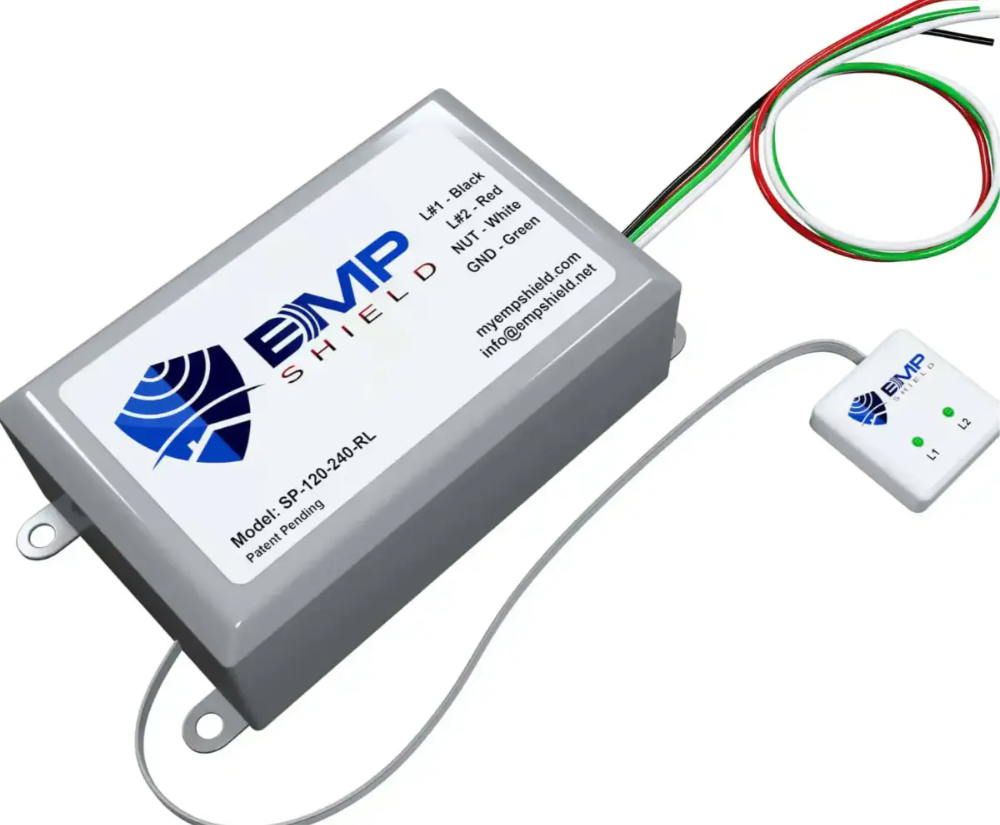
Surge Protection Devices
Surge protection devices play a crucial role in safeguarding your home electronics from the damaging effects of an EMP (Electromagnetic Pulse). These devices act as a shield, absorbing and redirecting excess electrical energy before it reaches your valuable gadgets. Investing in the right surge protector can save you from costly replacements and data loss.
Choosing The Right Protectors
Not all surge protectors are created equal. Look for devices with a high joule rating, which indicates how much energy they can absorb. A rating of at least 1000 joules is recommended for protecting sensitive electronics.
Consider protectors with multiple outlets and USB ports to cover all your devices. Some advanced models include indicators that show if the protector is still working, giving you peace of mind. Also, check for certifications like UL 1449 to ensure quality and reliability.
Installation Tips
Place surge protectors as close as possible to the devices you want to protect. Avoid daisy-chaining multiple protectors, as this can reduce effectiveness and increase risk. Plug your surge protector directly into a grounded wall outlet for optimal performance.
For whole-house protection, consider installing a surge protector at your electrical panel. This adds a layer of defense against surges entering through power lines. Remember to test your surge protectors periodically and replace them after a major surge event.
Backup Power Solutions
Backup power solutions play a crucial role in protecting your home electronics from an EMP (Electromagnetic Pulse). Without reliable power, sensitive devices can fail, leaving you disconnected and vulnerable. Setting up effective backup power systems ensures your essential electronics keep running even when the grid goes down.
Solar Generators
Solar generators are an excellent choice for EMP protection because they rely on solar panels and internal batteries. They don’t need fuel, which can be scarce during emergencies, and are generally easy to maintain. Plus, many models come with built-in EMP shielding or can be stored in Faraday cages to enhance protection.
Think about how often you lose power during storms. A solar generator could keep your Wi-Fi, medical devices, or security systems operational without interruption. Would you feel safer knowing your home electronics have a clean, renewable power backup that withstands EMP events?
Battery Storage Options
Batteries are at the heart of most backup power setups. Lithium-ion and lead-acid batteries are common, but lithium-ion offers better efficiency and lifespan. You can connect these batteries to an inverter to power your devices during an EMP event.
Some people store batteries inside EMP-proof enclosures, protecting the cells from electromagnetic damage. Have you considered setting up a battery bank in a shielded box to safeguard your power supply? This small step can make a huge difference when disaster strikes.
- Keep your batteries charged regularly to ensure readiness.
- Test your backup power system periodically to avoid surprises.
- Combine battery storage with solar or other renewable sources for longer autonomy.
Safe Storage Practices
Protecting home electronics from an EMP starts with safe storage practices. Proper storage reduces the risk of damage by limiting exposure to harmful electromagnetic pulses. Careful planning and preparation help keep your devices safe and functional after an EMP event.
Ideal Storage Locations
Choose storage spots away from windows and exterior walls. Basements and interior closets offer better protection. Metal cabinets or rooms with grounded metal walls block EMP waves effectively. Avoid damp or humid places to prevent moisture damage. A dry, cool, and shielded area works best for long-term storage.
Packaging Electronics
Wrap each device in anti-static bags to prevent static damage. Use thick, non-conductive materials like bubble wrap or foam for cushioning. Store electronics inside Faraday cages or metal containers to block EMP waves. Seal containers tightly to keep out dust and moisture. Label packages clearly for easy identification later.
Emergency Preparedness
Emergency preparedness is key to protecting home electronics from an EMP. An EMP can instantly damage or destroy unshielded devices. Being ready helps minimize loss and keeps essential tools working. Planning ahead gives peace of mind and improves safety during power outages or disasters.
Essential Electronics To Save
Focus on saving electronics that support communication and safety. These include:
- Battery-powered radios for news and alerts
- Solar chargers or power banks
- Flashlights and headlamps
- Emergency medical devices like portable oxygen
- Basic communication devices such as walkie-talkies
Preserve devices that help with water purification and food storage. Prioritize items with simple, replaceable parts.
Creating An Emp Survival Kit
Build a kit with protective gear and backup electronics. Include:
- Faraday bags or metal containers to block EMP waves
- Extra batteries stored separately
- Non-electric tools like manual can openers
- Copies of important documents on USB drives inside Faraday cases
- Basic repair tools for electronics
Regularly check and update your kit. Store it in an easy-to-access, secure place. Preparing this kit helps you stay functional after an EMP event.

Credit: www.amazon.com
Frequently Asked Questions
What Is An Emp And How Does It Affect Electronics?
An EMP is a burst of electromagnetic energy that can damage electronic devices. It disrupts circuits, causing malfunctions or permanent failure. Protecting electronics from EMP is crucial to avoid data loss and costly repairs.
How Can I Shield My Home Electronics From Emp?
Use Faraday cages or EMP-proof bags to shield devices. These enclosures block electromagnetic pulses, preventing damage. Additionally, unplug devices during a threat and use surge protectors for added safety.
Are Surge Protectors Effective Against Emp Damage?
Standard surge protectors offer limited protection against EMPs. They mainly guard against voltage spikes, not intense electromagnetic pulses. Specialized EMP-rated protectors are recommended for better defense.
Which Home Electronics Are Most Vulnerable To Emp?
Small, sensitive devices like computers, smartphones, and routers are most vulnerable. Larger appliances with simpler electronics may resist EMP effects better. Prioritize protecting critical and expensive electronics.
Conclusion
Protecting your home electronics from EMP is important. Simple steps can save your devices. Use surge protectors and keep backups. Store key gadgets in Faraday cages. Stay aware of EMP risks near you. Taking action today helps avoid big losses.
Keep your electronics safe and ready. Small efforts make a big difference. Stay prepared and protect what matters most.
Leave a Reply