
Are you wondering whether your home theater is an electronic device or an appliance? It might seem like a small detail, but understanding this can help you make better choices when buying, maintaining, or even insuring your system.
You’ll discover how this classification affects everything from usage to care. Keep reading, and you’ll get clear answers that simplify your decisions and make your home entertainment experience even better.
Credit: www.tataneu.com
Home Theater Basics
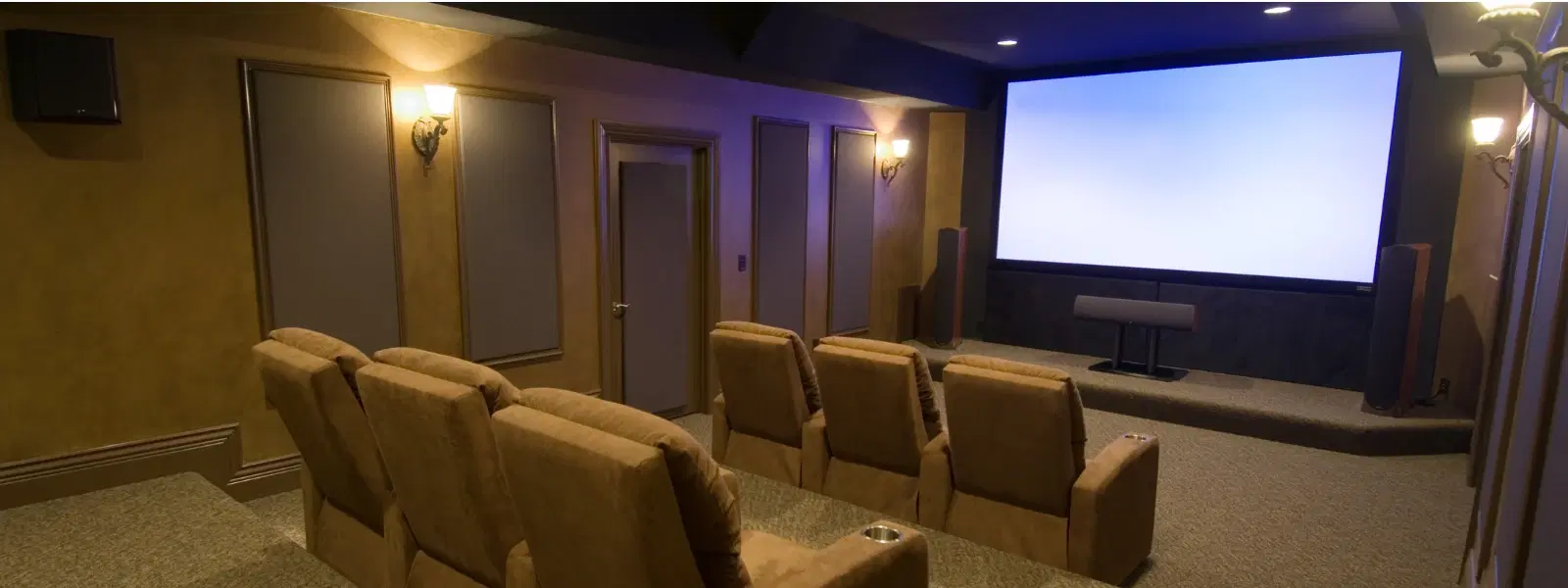
A home theater can transform your living room into a cinematic paradise. It combines various electronic components to deliver a rich audiovisual experience. Understanding its basics helps in setting up an effective system at home.
Key Components
The essential components of a home theater include:
- Display:A TV or projector for visual output.
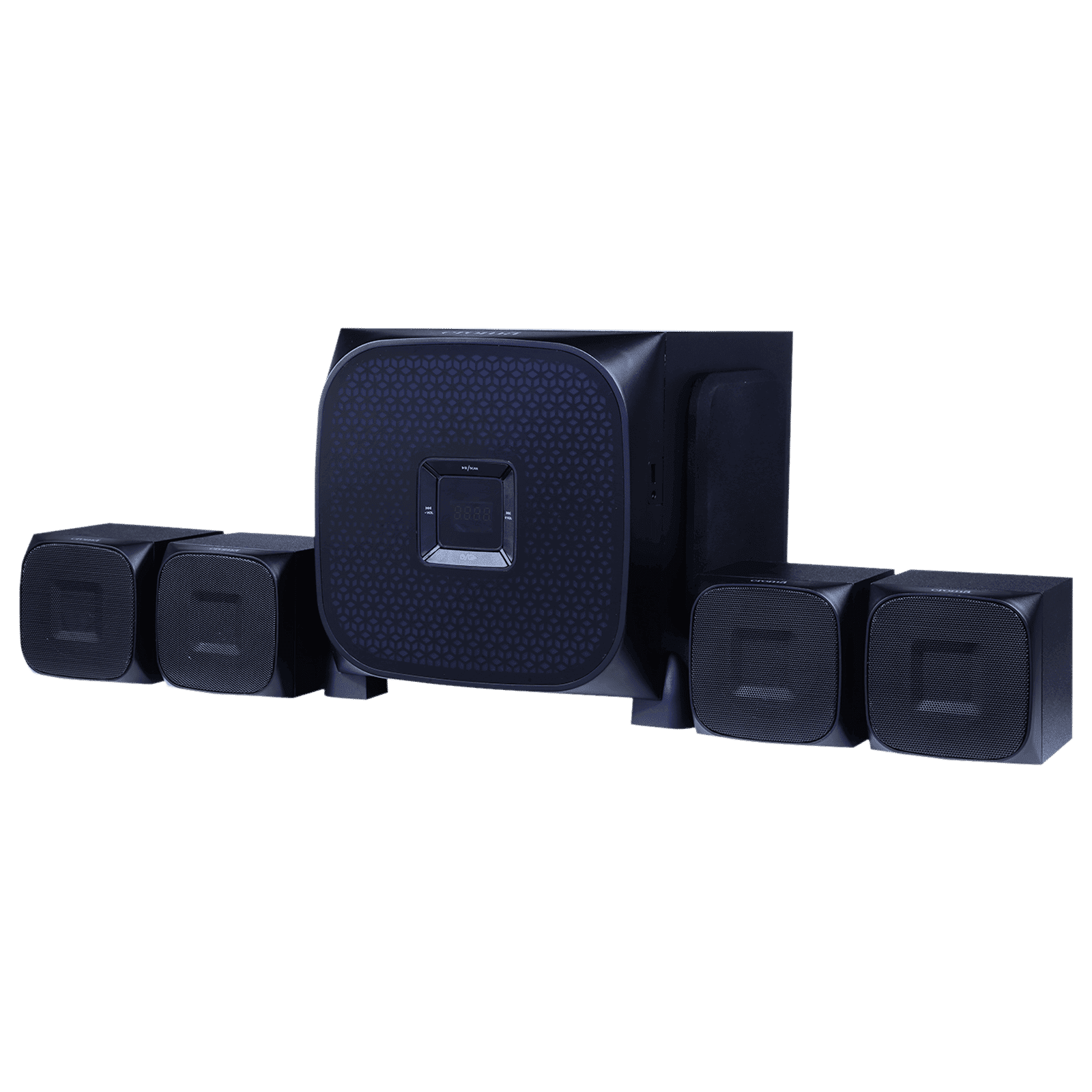
- Speakers:Surround sound speakers for immersive audio.
- Receiver:Connects and manages all audio and video sources.
- Source Devices:Blu-ray players, gaming consoles, or streaming devices.
- Cables:HDMI and speaker cables for connectivity.
How It Works
Home theaters integrate various electronic devices to enhance media experiences. The receiver acts as the central hub. It connects all devices and manages audio and video signals. Display devices project visual content, while speakers distribute sound evenly. Source devices provide the media for viewing or listening. High-quality cables ensure seamless data transmission across components. Together, they create an immersive environment.
Defining Electronics
Understanding what qualifies as electronics helps clarify if a home theater fits that category. Electronics are devices that use electrical circuits to perform tasks. These tasks often involve processing, controlling, or transmitting information or power.
Electronics differ from simple electrical appliances because they rely on complex components like semiconductors and microchips. These components allow electronics to handle data or signals, not just provide power or heat.
Characteristics Of Electronics
- Use of electrical circuits to operate
- Ability to process or control signals and data
- Incorporation of components such as transistors, diodes, or microchips
- Often designed for communication, entertainment, or computing
- Require power but focus on information handling, not just energy conversion
Examples Around Us
- Smartphones and tablets
- Televisions and monitors
- Computers and laptops
- Audio systems and radios
- Digital cameras and camcorders
What Qualifies As An Appliance
Understanding what qualifies as an appliance helps clarify whether a home theater system fits into that category. Appliances are typically devices designed to perform specific household functions. They often make daily tasks easier or enhance your living environment, but the definition can be broader than you might think.
Common Appliance Features
Appliances usually share certain features that set them apart from other electronics. They are often built for regular use around the house and focus on practical functions like cooking, cleaning, or climate control.
- Durability:Appliances are made to last and withstand frequent use over time.
- Fixed Function:They perform a specific task, such as refrigeration or washing.
- Energy Consumption:Most appliances consume electricity but are designed to be energy-efficient.
- Installation:Many appliances require installation, whether permanent or semi-permanent.
Consider your refrigerator or microwave. Both are appliances because they serve consistent, practical functions with clear purposes. Does your home theater system share these traits? It’s worth thinking about.
Types Of Appliances
Appliances come in various types, usually divided by their purpose and size. They range from large appliances you might find in your kitchen to smaller ones used in personal care or convenience.
| Type | Examples | Purpose |
|---|---|---|
| Major Appliances | Refrigerators, Washing Machines, Ovens | Handle essential household tasks |
| Small Appliances | Toasters, Coffee Makers, Hair Dryers | Assist with convenience and personal care |
| Home Comfort Appliances | Air Conditioners, Heaters, Humidifiers | Control or improve indoor climate |
Thinking about your home theater, it doesn’t fit neatly into these categories. It’s not primarily designed for household chores or comfort control. So, where does it belong in your home setup?
Home Theater As Electronic Or Appliance
A home theater system blends various devices to create a cinematic experience at home. It includes speakers, a receiver, and a display screen. Deciding if it is an electronic device or an appliance depends on its parts and how it functions.
Component Analysis
Home theater systems consist of multiple electronic parts. These parts include:
- Amplifiers
- Speakers
- DVD or Blu-ray players
- Projectors or TVs
- Remote controls
Each component uses electricity to operate and process signals. These parts work together to deliver audio and video output. They rely on circuits and digital technology. This defines them as electronic devices.
Functionality Comparison
Appliances are typically machines that perform a household task. Examples include refrigerators, microwaves, and washing machines. They mainly offer practical functions.
Home theaters, in contrast, focus on entertainment. They process sound and images for viewing pleasure. Their purpose is to enhance media experiences, not perform chores.
Thus, home theaters fit better under the category of electronics. They involve complex technology and digital processing. Appliances usually have simpler mechanical roles.
Legal And Warranty Implications
Understanding the legal and warranty implications of a home theater system helps in making smart buying choices. The way a product is classified can affect your rights and protections. It also impacts how manufacturers handle repairs and services.
Product Classification Impact
Classifying a home theater as an electronic device or an appliance changes its legal status. Electronics often have different safety standards than appliances. This classification can influence consumer protection laws that apply. It can also affect taxes or import duties on the product. Knowing the category helps in understanding your legal rights.
Warranty And Service
Warranty terms vary based on the product type. Electronics usually come with shorter warranties than appliances. Service options might differ, including repair centers and customer support. Some warranties cover parts but not labor costs. Checking the warranty details helps avoid unexpected expenses. It also ensures proper service if something breaks.

Credit: www.avsforum.com
Buying Considerations
Choosing the right home theater setup involves more than just picking the latest gadgets. You need to consider how it fits your space, your daily habits, and your budget. Understanding these factors helps you get the most enjoyment without overspending or ending up with equipment that doesn’t suit your needs.
What To Look For
Start by checking the compatibility of the home theater system with your existing devices. Look for systems that support popular streaming platforms and have enough HDMI ports for your gaming consoles, Blu-ray players, or other devices.
Sound quality is crucial. Don’t just rely on wattage numbers; listen if possible. Consider features like surround sound, subwoofer strength, and sound calibration options.
Also, think about ease of use. Does the system come with a user-friendly remote or app? Can you easily connect it to your smartphone or tablet?
Budget And Usage
Set a clear budget before you start shopping. Home theater systems range from affordable bundles to high-end setups costing thousands. Knowing your limit helps you avoid impulse buys.
Reflect on how often and for what you’ll use the system. Are you a casual viewer or a movie buff who watches every weekend? This affects whether you invest in premium audio components or a simpler setup.
Remember, sometimes spending a bit more upfront can save you from frequent upgrades later. But if you only watch occasionally, a mid-range system might be a smarter choice.
Future Trends In Home Theater
The future of home theater is shaping up to be exciting and full of innovation. As technology advances, the line between what counts as an electronic device and an appliance in your home theater setup continues to blur. Let’s look at where this trend is heading and what it means for you.
Smart Technology Integration
Home theaters are becoming smarter every day. Voice control, AI-powered assistants, and automation make your experience smoother and more personalized.
Imagine telling your system to dim the lights, start the movie, and adjust the sound—all without lifting a finger. This level of integration lets you focus on enjoying your favorite films rather than fiddling with settings.
Many new systems now connect to your smartphone or smart home hub, allowing you to control everything remotely. Could this convenience change how you use your home theater?
Evolving Definitions
What exactly makes a home theater an electronic device or an appliance? The answer is becoming less clear. Traditionally, appliances were seen as large, standalone machines like refrigerators or ovens.
Today, home theater components often combine features of both electronics and appliances. For instance, smart TVs and sound systems are electronic in function but also serve as home appliances because they are essential for daily entertainment.
This shift means manufacturers are designing products that are multifunctional, user-friendly, and connected. Are you ready to think about your home theater setup not just as a collection of gadgets but as part of your home’s core appliances?
Credit: www.tataneu.com
Frequently Asked Questions
Is A Home Theater System An Electronic Device?
Yes, a home theater system is an electronic device. It includes components like speakers, amplifiers, and receivers that require electricity to operate.
Does A Home Theater Qualify As A Household Appliance?
A home theater is not typically classified as a household appliance. It is considered an electronic entertainment system rather than a kitchen or cleaning appliance.
What Makes Home Theater Systems Different From Appliances?
Home theater systems focus on audio and video entertainment. Appliances usually perform practical household tasks like cooking or cleaning.
Are Home Theater Components Considered Consumer Electronics?
Yes, home theater components are consumer electronics. They are designed for personal use and entertainment in homes.
Conclusion
Home theaters blend features of electronics and appliances. They use electronic parts like speakers and receivers. At the same time, they serve as home appliances for entertainment. This makes them unique devices in your home. Understanding this helps when buying or maintaining your system.
It also clarifies their role in your daily life. Overall, home theaters offer both technology and comfort. They enhance your viewing experience with sound and visuals. Keep this in mind when discussing or shopping for them.
Leave a Reply