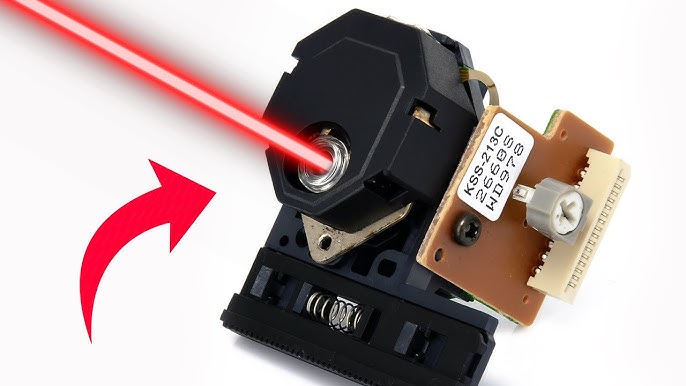
Have you ever wanted to create your own electronic gadgets but thought it was too hard or expensive? What if you could build simple devices right at home, using easy-to-find parts and clear steps?
You’ll discover how to make basic electronics that work, even if you’re new to the subject. By the end, you’ll feel confident and excited to bring your ideas to life. Ready to start creating? Let’s dive in and unlock the fun of making simple electronic devices yourself!
Basic Tools And Materials
Building simple electronic devices at home is a rewarding hobby. You can create useful gadgets and learn about electronics. Before you start, gather some basic tools and materials. These will help you build and experiment with your projects.
Essential Tools For Diy Electronics
Having the right tools makes your work easier. Here are some essential ones:
- Soldering Iron:Used to join electronic components.
- Multimeter:Measures voltage, current, and resistance.
- Wire Cutters:Cuts and strips wires easily.
- Breadboard:Allows you to build circuits without soldering.
- Screwdriver Set:Helps in assembling and disassembling parts.
Common Components To Keep On Hand
Keep a stock of common components for your projects. Some key components include:
- Resistors:Control current flow in a circuit.
- Capacitors:Store and release electrical energy.
- Transistors:Amplify or switch electronic signals.
- LEDs:Emit light when powered.
- Wires:Connect different parts of your circuit.
Safety Tips For Home Projects
Safety is crucial when working on electronics. Follow these tips:
- Always unplug devices before working on them.
- Wear safety goggles to protect your eyes.
- Avoid working with wet hands or near water.
- Check components for damage before use.
- Work in a well-ventilated area.
Simple Circuit Concepts
Simple electronic circuits are the foundation of many home projects. Understanding basic concepts helps build confidence and skills. This knowledge makes creating devices easier and more fun.
Understanding Circuit Basics
Electronic circuits connect parts to control electric flow. Key elements include power sources, resistors, capacitors, and switches. Each part has a role to keep current moving or stop it. Knowing how these parts work together is crucial.
Circuits can be series or parallel. Series circuits have one path for current, while parallel circuits have multiple paths. This affects how devices work and how power spreads.
Using Breadboards For Prototyping
Breadboards let you build circuits without soldering. They have many holes to insert components and wires. This setup makes testing easy and changes simple. Perfect for beginners and quick experiments.
The breadboard’s internal connections link rows and columns. Understanding these connections helps place parts correctly. Always check the layout before powering the circuit.
Reading Circuit Diagrams
Circuit diagrams use symbols to show electronic parts and connections. Learning these symbols helps visualize the circuit before building it. Diagrams simplify complex ideas into clear images.
Lines in the diagram represent wires or paths for current. Components like resistors and LEDs have unique symbols. Following the diagram step-by-step guides assembly and troubleshooting.
Easy Diy Electronic Projects
Easy DIY electronic projects offer a fun way to learn about circuits and devices. These projects use simple parts and tools you can find at home or buy cheaply. Building small devices helps you understand how electronics work. It also boosts creativity and problem-solving skills.
Each project here uses common components like LEDs, resistors, and sensors. Follow the steps carefully to make your own gadgets. These projects are safe and suitable for beginners.
Building A Basic Led Flasher
An LED flasher blinks a light on and off repeatedly. You only need a battery, LED, resistor, and a simple timer chip called a 555 timer. Connect the parts on a breadboard or use wires.
- Connect the 555 timer in astable mode.
- Attach the LED and resistor to the output pin.
- Power the circuit with a 9V battery.
- The LED will start flashing after power is applied.
This project helps you learn about timers and blinking lights. It is useful for learning basic circuit connections.
Creating A Simple Light Sensor
A light sensor detects light levels and changes its output. Use a photoresistor, a resistor, and a battery to build one. The photoresistor changes resistance with light.
- Connect the photoresistor and resistor in series.
- Attach the junction point to a voltmeter or microcontroller input.
- Power the circuit with a 5V supply.
- Measure voltage changes when light varies.
This project teaches about sensors and how light affects resistance. It can be used to control lights or alarms.
Making A Diy Alarm System
This alarm system uses a buzzer, switch, battery, and wires. It sounds an alert when the switch is triggered. Use it to protect small boxes or doors.
- Connect the buzzer and switch in series with the battery.
- Keep the switch normally open.
- Close the switch to complete the circuit and sound the buzzer.
- Mount the switch where you want to detect opening.
This project shows how switches and buzzers work. It is a simple security device you can expand later.

Credit: www.youtube.com
Troubleshooting Tips
Troubleshooting is a vital part of making electronic devices at home. Even the simplest projects can hit snags that leave you scratching your head. Knowing how to identify and fix these problems quickly saves time and frustration, helping you keep your project on track.
Common Issues And Fixes
Many beginners face similar challenges, such as loose connections, incorrect wiring, or faulty components. A loose wire can make your circuit act unpredictably—double-check every connection before powering up.
Sometimes, the issue is as simple as a reversed battery or misplaced resistor. If your device isn’t working, retrace your steps and compare your setup to the schematic. Small details like the orientation of LEDs or transistors can make all the difference.
Have you ever spent hours troubleshooting only to find a tiny solder bridge causing a short circuit? It’s frustrating but common. Use a magnifying glass to inspect your solder joints closely—this can reveal hidden shorts or cold joints.
Testing Components Safely
Testing components is essential, but safety comes first. Always disconnect power before checking resistors, capacitors, or ICs to avoid damaging parts or hurting yourself.
A multimeter is your best friend here. Use it to measure resistance, voltage, and continuity. For example, testing a resistor’s resistance value ensures it matches the specification before you include it in your circuit.
If you’re unsure about a component’s health, test it outside the circuit first. This approach prevents confusion and helps isolate the problem quickly.
When To Seek Help
Sometimes, problems persist despite your best efforts. If you’ve double-checked connections, tested components, and still can’t find the issue, it’s okay to ask for help.
Online forums, local maker groups, or electronics hobbyist communities are great places to share your problem. Often, others have faced the same issue and can offer solutions you hadn’t considered.
Knowing when to ask for help saves time and keeps your enthusiasm alive. Don’t let a stubborn problem stop you from enjoying your project.
Expanding Your Skills
Expanding your skills in making simple electronic devices at home opens up new possibilities. As you gain confidence, you’ll want to tackle projects that challenge your creativity and technical ability. Building on basic knowledge not only improves your craftsmanship but also makes your projects more functional and impressive.
Learning To Solder
Soldering is a fundamental skill for anyone interested in electronics. It allows you to connect components securely and create reliable circuits. At first, it might feel tricky, but practicing on simple kits can boost your confidence quickly.
Try starting with a basic soldering iron and some practice boards. Focus on neat, clean joints instead of rushing. Have you noticed how a good solder joint feels solid and shiny? That’s a sign you’re doing it right.
Using Microcontrollers For Advanced Projects
Microcontrollers like Arduino or Raspberry Pi bring your homemade devices to life with programmable control. They enable you to add sensors, motors, and wireless communication to your projects.
Imagine building a temperature sensor that texts you when it gets too hot, or an automatic plant watering system. These ideas become possible once you learn simple coding and hardware integration.
Start with beginner-friendly boards and follow step-by-step guides. How could you automate a daily task with a microcontroller?
Resources For Further Learning
Several resources can help you deepen your electronic skills. Online platforms offer free tutorials, forums, and project ideas tailored to all levels.
- Websites:Adafruit, SparkFun, and Instructables have detailed guides and kits.
- YouTube Channels:Look for channels like GreatScott! and EEVblog for clear explanations.
- Books:“Make: Electronics” by Charles Platt is highly recommended for hands-on learners.
Joining local maker groups or workshops can also give you hands-on experience and feedback. Which resource fits your learning style best?

Credit: www.youtube.com
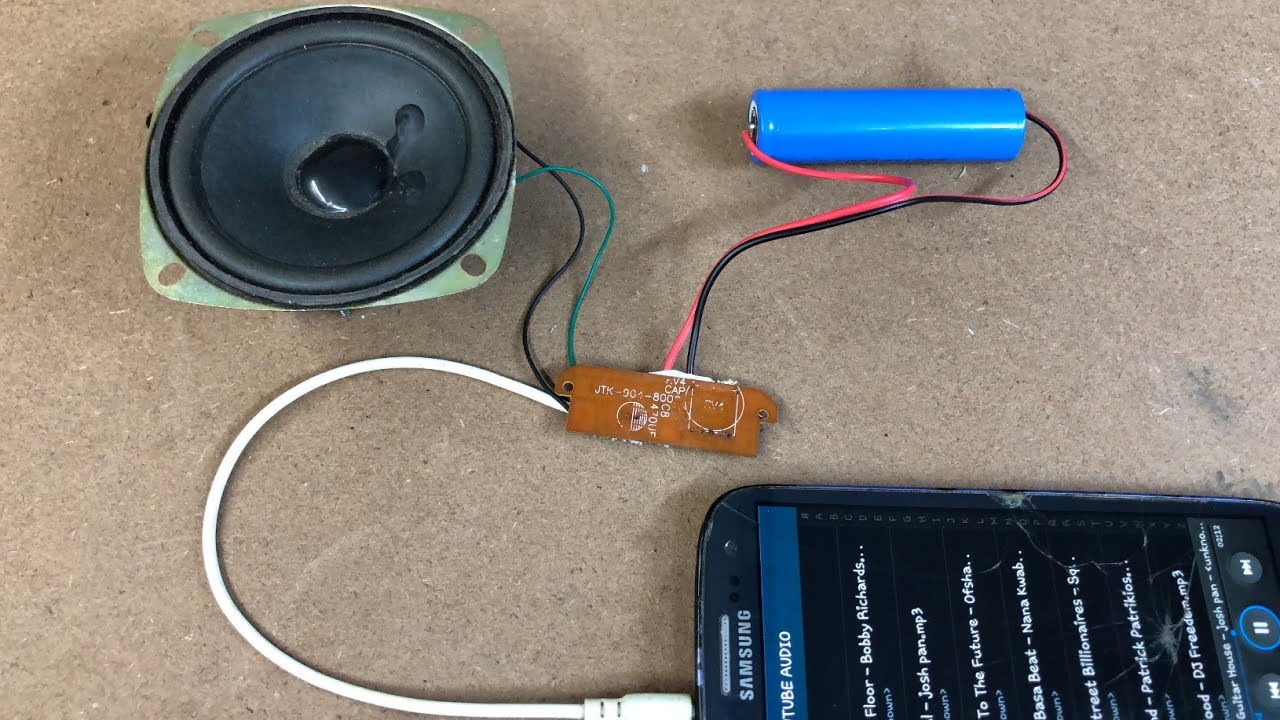
Credit: www.youtube.com
Frequently Asked Questions
What Basic Tools Are Needed To Build Simple Electronics?
You need a soldering iron, wire cutters, multimeter, and breadboard. These tools help in assembling and testing circuits efficiently.
Can Beginners Make Electronic Devices At Home Easily?
Yes, beginners can start with kits or simple circuits. Learning basic concepts and practicing step-by-step builds confidence and skills.
What Are Safe Materials For Home Electronic Projects?
Use low-voltage batteries, insulated wires, and plastic or wooden enclosures. Safety ensures no electric shocks or damage during your projects.
How To Test If Homemade Electronic Devices Work Properly?
Use a multimeter to check voltage and continuity. Also, observe device behavior and look for overheating or unusual signs.
Conclusion
Building simple electronic devices at home is fun and rewarding. Start with basic parts and clear instructions. Small projects help you learn step by step. Practice often to improve your skills. Mistakes are part of the process. You can create useful gadgets with patience.
Enjoy the challenge and keep experimenting. This hobby grows with your curiosity and effort. Try different ideas and stay creative. Making electronics at home brings pride and knowledge.
Leave a Reply