Ever wonder how electronic home monitoring works? Imagine a world where technology helps keep you or your loved ones safe and sound within the comfort of your own home.
This cutting-edge solution offers a blend of security and freedom, making it a popular choice for those looking to enhance their home security or manage legal obligations. But what exactly is electronic home monitoring, and how can it benefit you?
Picture a system that not only tracks movements but also ensures peace of mind, all while maintaining privacy. If you’re curious about how this innovative technology operates and the ways it can transform your daily life, keep reading. You’ll discover the fascinating mechanics behind it and learn how it can be a game-changer for you and your family.
Basics Of Electronic Home Monitoring
Understanding the basics of electronic home monitoring helps you see how technology can keep your home safe and connected. It’s more than just gadgets; it’s a system working together to watch over your space and alert you to any unusual activity. Knowing how these systems operate can help you make smarter choices for your home security.
Core Components
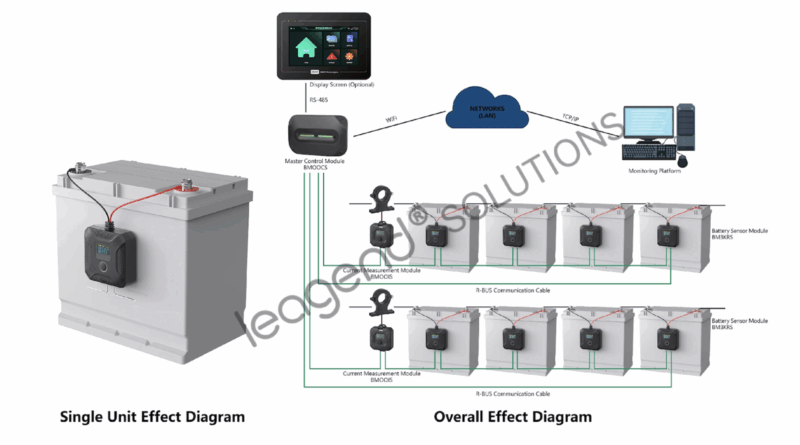
Electronic home monitoring systems have a few key parts that make everything run smoothly. The sensorsdetect motion, doors opening, or glass breaking. Camerascapture video footage to give you a live look or recordings of what’s happening.
Then there’s the control panel, which acts like the brain of the system. It processes signals from the sensors and cameras, deciding when to alert you or the authorities. Finally, the communication modulesends notifications to your smartphone or a monitoring center.
Types Of Devices
- Motion Sensors:Detect movement inside or outside your home.
- Door/Window Sensors:Trigger alerts when entry points are opened.
- Security Cameras:Provide live video and recordings.
- Glass Break Sensors:Listen for the sound of breaking glass.
- Smart Locks:Allow you to control door locks remotely.
Each device has a specific job, but together they create a comprehensive shield around your home. Have you noticed how even simple sensors can quickly alert you to unexpected activity?
Common Technologies Used
Most systems rely on wireless technology, making installation easier and less invasive. Wi-Fi connects your devices to the internet, letting you monitor your home from anywhere. Some systems use cellular networks as a backup when Wi-Fi goes down, ensuring constant protection.
Other technologies include infrared sensorsfor heat detection and ultrasonic sensorsthat use sound waves to detect movement. Cameras often have night vision to keep watch even in the dark. These technologies work together to provide accurate and reliable monitoring.
Credit: brinkshome.com
Installation Process
Understanding the installation process of electronic home monitoring can help you feel more confident about securing your space. It’s not just about setting up devices; it’s about customizing the system to fit your home’s unique layout and your lifestyle. Let’s break down how each step works to ensure your monitoring system functions smoothly.
Site Assessment
The first step involves a thorough site assessment. A professional or you will evaluate your home’s layout, entry points, and areas that need extra attention. This evaluation helps identify potential blind spots and the best locations for sensors and cameras.
During this phase, you might be surprised how many factors influence device effectiveness—like walls, furniture, or lighting. Have you noticed how some corners of your home feel less secure? This is where pinpointing those vulnerabilities matters most.
Device Placement
Next comes device placement. Choosing the right spots for cameras and sensors is crucial for reliable monitoring. Devices should cover high-traffic areas, windows, and doors without being too obvious or intrusive.
Think about your daily routine. Where do you spend the most time? Placing sensors in these key locations can alert you to unusual activity quickly. Also, consider placing motion detectors where pets won’t trigger false alarms.
System Setup
Once devices are in place, the system setup begins. This includes connecting sensors, cameras, and control panels to your home network. Proper configuration ensures real-time alerts and smooth communication between devices.
During setup, you’ll also customize settings like alert preferences and access controls. Have you thought about who else might need access to your system? Setting up user profiles at this stage helps maintain security while keeping trusted family members in the loop.
How Monitoring Works Daily
Electronic home monitoring works every day to keep your home safe and secure. It uses smart devices to watch your property, gather data, and alert you instantly about any unusual activity. This process helps you stay informed and act quickly if needed. Here is how monitoring works daily.
Data Collection
Devices like cameras and sensors collect data constantly. They detect movements, sounds, and changes in temperature. This data is sent to a central system for analysis. The system checks for anything unusual or suspicious. It works quietly in the background all day and night.
Real-time Alerts
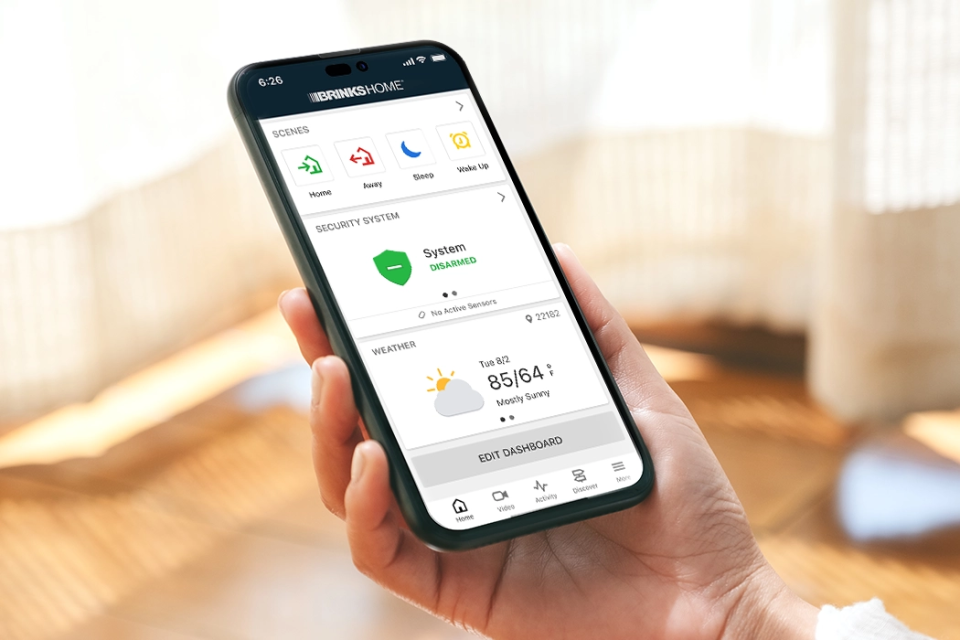
When the system finds something unusual, it sends instant alerts. These alerts come through phone apps, emails, or text messages. You get notified right away about possible threats. This quick response helps prevent damage or theft. Alerts keep you connected even when you are far from home.
Remote Access
You can check your home’s status anytime using a smartphone or computer. Remote access lets you view live video feeds and sensor data. You can control devices like alarms or lights from anywhere. This flexibility gives you peace of mind and full control over your home’s safety.

Credit: www.adt.com
Benefits Of Electronic Home Monitoring
Electronic home monitoring offers a range of benefits that go beyond just keeping an eye on your property. It enhances your lifestyle by adding layers of protection, comfort, and financial sense. Understanding these benefits can help you decide if this technology fits your home and daily routine.
Enhanced Security
Electronic home monitoring provides real-time alerts for unusual activity around your home. You can respond instantly to potential threats, whether it’s a break-in or a fire. Many systems include features like motion detectors, door sensors, and video surveillance, giving you a comprehensive security setup.
Imagine being able to check your front door from your smartphone while at work. This kind of control helps prevent incidents before they happen, making your home a much safer place.
Peace Of Mind
Knowing your home is monitored 24/7 can significantly reduce stress. Whether you’re away on vacation or just at the office, you can rest easy knowing someone is watching out for your property. This peace of mind allows you to focus on what truly matters without constant worry.
Consider the comfort of receiving a notification if a window is left open or a pet triggers a sensor. These little insights help you stay connected and reassured at all times.
Cost Savings
Electronic home monitoring can save you money in several ways. Insurance companies often offer discounts for homes equipped with security systems, lowering your premiums. Additionally, early detection of issues like leaks or break-ins can prevent costly repairs down the line.
Think about how catching a small problem early—like a water leak—can avoid expensive damage. This proactive approach can protect your investment and reduce unexpected expenses.
Challenges And Limitations
Electronic home monitoring offers convenience and security but faces several challenges and limitations. Understanding these issues helps users make informed decisions about their systems. Privacy concerns, technical issues, and false alarms are common hurdles in electronic monitoring.
Privacy Concerns
Electronic home monitoring devices collect personal data continuously. This raises worries about who can access this information. Unauthorized access or data breaches can expose sensitive details. Some systems track movements or record audio, which many find intrusive. Users must balance security benefits with privacy risks.
Technical Issues
Monitoring systems rely on stable internet and power sources. Interruptions can cause devices to stop working or lose connection. Software bugs or outdated hardware may reduce system reliability. Installation errors can also lead to poor performance. Regular maintenance and updates are necessary to avoid failures.
False Alarms
False alarms occur when systems detect threats that do not exist. Pets, moving objects, or weather conditions often trigger alerts. These false alarms waste time and can cause unnecessary stress. Frequent false alarms may lead users to ignore real warnings. Proper system calibration and sensor placement can reduce false alerts.

Credit: www.jacc.org
Future Trends In Home Monitoring
The future of electronic home monitoring is shaping up to be smarter, more connected, and incredibly precise. You might be wondering how these advancements will impact your daily life and home security. Let’s look at some trends that are not just ideas but are already influencing the way homes are monitored.
Ai Integration
Artificial intelligence is making home monitoring systems more intuitive and responsive. Imagine a system that learns your daily routines and alerts you only when something truly unusual happens. This reduces false alarms and keeps you focused on real threats.
AI can also analyze patterns over time, helping predict potential issues before they become problems. Have you ever wished your security system could understand context, like distinguishing between a pet and an intruder? AI is bringing that capability closer to reality.
Smart Home Compatibility
Home monitoring is no longer a standalone feature. It’s becoming part of a bigger smart home ecosystem. Your security cameras, door locks, lights, and even your thermostat can work together seamlessly.
For example, if your system detects movement at night, it might turn on the lights and send an alert to your phone automatically. This integration makes your home safer and more convenient without extra effort on your part.
Improved Sensors
Sensors are getting smaller, more accurate, and energy-efficient. This means better detection of motion, temperature changes, and even air quality inside your home. You can trust these sensors to give you real-time updates with minimal maintenance.
Think about how a more sensitive sensor could alert you to water leaks before they cause damage. These improvements not only protect your home but can save you money in repairs and energy bills.
Choosing The Right System
Choosing the right electronic home monitoring system means focusing on what truly fits your lifestyle and security needs. It isn’t just about picking the most advanced gadget; it’s about finding a solution that works for you and your home environment. Let’s look at the key points to consider before making that important decision.
Assessing Needs
Start by understanding what you really want to monitor. Are you focused on security against intruders, or do you need to keep an eye on elderly family members or pets?
Consider the size of your home and the areas that need coverage. Do you require indoor cameras, outdoor sensors, or both? Think about whether you want alerts on your phone or prefer a system connected to a professional monitoring service.
Ask yourself: What scenarios do I want this system to handle? Knowing your priorities will help avoid overspending on unnecessary features or missing out on critical ones.
Budget Considerations
Not all systems come with the same price tag, and costs can quickly add up with extra features and subscriptions. Set a clear budget before shopping to avoid surprises.
Remember to factor in installation costs, monthly fees for monitoring services, and possible maintenance expenses. A cheaper upfront price might lead to higher long-term costs.
Think about how much you’re willing to invest for peace of mind. Would you rather pay more for a system that you can manage yourself, or prefer a lower-cost option with professional support?
Vendor Comparison
Different vendors offer a variety of packages, warranties, and customer support options. Research their reputation and read reviews from other users to gauge reliability.
Check if the vendor provides easy installation guides and responsive customer service. A quick response can make all the difference when you face technical issues.
Look for vendors that offer trial periods or money-back guarantees. How confident is the company in their product? This can be a strong indicator of quality and user satisfaction.
Frequently Asked Questions
What Is Electronic Home Monitoring?
Electronic home monitoring uses technology to track individuals remotely. It often involves GPS devices or sensors. This system helps ensure safety and compliance with court orders or supervision.
How Does Electronic Home Monitoring Improve Security?
It provides real-time location tracking and alerts. This allows authorities to respond quickly to violations. It reduces the need for physical supervision and enhances public safety.
Who Typically Uses Electronic Home Monitoring?
Courts, probation officers, and law enforcement use it. It monitors offenders, parolees, or individuals under house arrest. It supports rehabilitation while allowing freedom outside prison.
What Technology Powers Electronic Home Monitoring Devices?
GPS, RF signals, and cellular networks are commonly used. These technologies enable accurate location tracking and communication. Devices are usually wearable, like ankle bracelets.
Conclusion
Electronic home monitoring helps track activities and ensure safety. It uses devices that send real-time information to supervisors. This system offers constant updates without needing physical presence. People stay connected and monitored easily from a distance. It supports better management of home situations and quick responses.
Clear communication and trust remain important for success. Understanding how it works can ease concerns and improve use. Electronic monitoring brings convenience and support in many cases. Simple technology with meaningful impact.
Leave a Reply