Imagine this: a storm hits, and suddenly the power goes out. Your home is plunged into darkness, and all your electronics come to a halt.
If you’ve ever found yourself in this situation, you might have wondered whether a UPS (Uninterruptible Power Supply) can protect your precious devices when running on a home generator. You’re not alone in this curiosity. Understanding the relationship between UPS systems, electronics, and home generators can save you from unexpected headaches and costly repairs.
We’ll dive into what happens when these components work together and how you can ensure your devices remain safe and sound. Keep reading to uncover the secrets that will empower you to keep your electronics running smoothly, even when the lights go out.
Credit: www.popularmechanics.com
How Ups And Home Generators Work
Understanding how UPS (Uninterruptible Power Supply) systems and home generators work is crucial if you’re considering using both to protect your home electronics. These two technologies serve a similar purpose—to keep your power running during outages—but they do so in very different ways. Knowing these differences can help you decide how to best protect your devices without causing damage or inefficiency.
Basic Ups Functions
A UPS provides immediate backup power by using batteries. When the main power cuts out, the UPS instantly switches on to supply electricity without any delay.
This quick response protects sensitive electronics from sudden shutdowns, which can cause data loss or hardware damage. You can think of a UPS as a bridge that keeps your devices running just long enough for you to save your work or safely shut down.
Home Generator Operations
Home generators work differently—they use fuel like gasoline or propane to produce electricity. When the power goes out, the generator usually takes a few seconds to start and stabilize before it delivers power to your home.
This delay means your devices might lose power briefly before the generator kicks in. Generators are great for long-term outages since they can run for hours or even days as long as they have fuel.
Differences In Power Supply
One key difference between UPS and generators is the type of power they provide. UPS systems output clean, consistent power that matches the electricity from your utility company.
Generators, however, can sometimes produce power with fluctuations in voltage or frequency. This can potentially harm sensitive electronics if the generator isn’t properly maintained or equipped with automatic voltage regulation.
Have you ever wondered if your expensive home electronics are truly safe during an outage? Combining a UPS with a generator might be the answer, but only if you understand how each device interacts with your home’s electrical system.
Compatibility Challenges
Using a UPS (Uninterruptible Power Supply) in front of a home generator can seem like a straightforward way to protect your electronics. However, there are several compatibility challenges that might affect how well your UPS performs. Understanding these issues can save you from unexpected power interruptions and equipment damage.
Voltage And Frequency Variations
Generators often produce voltage and frequency levels that fluctuate more than the stable power from the grid. These variations can cause your UPS to misinterpret the power as unstable, triggering unnecessary switching to battery mode. If your UPS frequently switches, it drains the battery faster and shortens its life.
Have you noticed your UPS beeping or going into battery mode even though the generator is running? This is usually because the voltage or frequency is outside the UPS’s acceptable range. You might need a UPS that can handle wider input tolerances or a generator with better regulation.
Generator Output Quality
The quality of the power output from your generator plays a big role in UPS compatibility. Many home generators produce a “modified sine wave” or “quasi-sine wave” output instead of a pure sine wave. Most UPS units are designed to work best with pure sine wave input, and the difference can cause issues.
Using a UPS with a generator that outputs a modified sine wave can lead to overheating, humming noises, or even damage to sensitive electronics. If your UPS isn’t specifically rated for modified sine wave input, it’s worth checking the specs before connecting it to your generator.
Impact On Ups Performance
When your UPS struggles with generator power, its performance drops. Expect shorter battery runtime, increased wear on components, and potential false alarms. This means your UPS might not provide the reliable backup power you count on during an outage.
One practical step is to test your UPS with your generator before relying on it in an emergency. Do you notice frequent switchovers or strange noises? These signs indicate your UPS isn’t coping well, and you might need a different UPS or generator setup.
Potential Risks And Issues
Using a UPS with pretext electronics on a home generator sounds like a smart backup plan, but it carries some risks you should know about. These issues can affect the lifespan of your equipment and even your home’s electrical safety. Understanding these risks helps you make better decisions about your power setup.
Power Surges And Damage
Generators often produce unstable power when they start up or switch loads. This instability can cause power surges that a UPS may not fully handle. If your UPS isn’t designed to work smoothly with a generator, sensitive electronics can get damaged.
Have you noticed flickering lights when your generator kicks in? That’s a sign of power fluctuations. Over time, these surges can wear down your devices or cause sudden failures.
Battery Drain Concerns
UPS systems rely on batteries to keep your electronics running during outages. But generators can sometimes cause the UPS battery to drain faster than expected. This happens because the generator’s output might not be consistent enough to charge the UPS properly.
If your battery keeps running down, you’ll lose the main benefit of having a UPS. You might find yourself replacing batteries more often, which adds to maintenance costs and effort.
System Overloads
Combining a UPS with a generator can lead to unexpected overloads if the power demands exceed what the system can handle. This overload can trip circuit breakers or cause the generator to shut down suddenly.
Think about how many devices you run at once. Adding a UPS without calculating the total load could cause more problems than it solves. It’s crucial to match your UPS and generator capacity carefully to avoid these shutdowns.

Credit: oupes.com
Tips For Safe Integration
Integrating a UPS with a home generator can be tricky if you don’t take safety seriously. A wrong setup might damage your electronics or cause power interruptions. Here are some practical tips to help you safely connect your UPS to a home generator without headaches.
Choosing The Right Ups
Not all UPS units work well with generators. You need a UPS that can handle the generator’s power output and frequency variations.
Look for a UPS with pure sine wave output. This type of UPS produces clean power, reducing the risk of damaging sensitive electronics. I once tried using a cheaper UPS with a generator, and it caused frequent shutdowns. Switching to a pure sine wave UPS solved the problem immediately.
Also, match the UPS capacity to your total load. Oversized units waste energy, while undersized ones can’t provide adequate backup.
Generator Settings Adjustments
Your generator settings must align with the UPS requirements. Many generators have adjustable voltage and frequency controls—make sure these are stable and within the UPS’s operating range.
Some generators produce unstable power during startup, which can trip the UPS. Adjusting the governor speed and voltage regulator can smooth out these fluctuations.
Have you checked if your generator produces a clean waveform? If not, consider adding filters or using a higher-quality generator to protect your UPS.
Proper Installation Practices
Installing the UPS and generator system correctly is essential. Always connect the UPS output to critical devices, not the entire household wiring.
Use appropriate transfer switches to isolate generator power from the utility grid. This prevents backfeeding, which can be dangerous for utility workers and your equipment.
Keep wiring neat and use heavy-duty cables rated for your load. Grounding both the generator and UPS properly reduces the risk of electrical shocks and equipment damage.
Have a professional electrician inspect your setup if you’re unsure. A small investment in proper installation can save you a lot of trouble and money later.
Alternatives To Using Ups With Generators
Using a UPS with a home generator is common for power backup. Yet, other solutions can provide smooth power without a UPS. These alternatives can save money and reduce complexity. They also help protect sensitive electronics during outages. Exploring these options gives you flexibility for your home power needs.
Direct Generator Connection
Connecting devices directly to a generator is simple and cost-effective. This setup works well for heavy appliances and tools. It eliminates the need for extra equipment like a UPS. However, power quality may vary, so sensitive electronics need caution. Using surge protectors can help safeguard devices from voltage spikes.
Automatic Transfer Switches
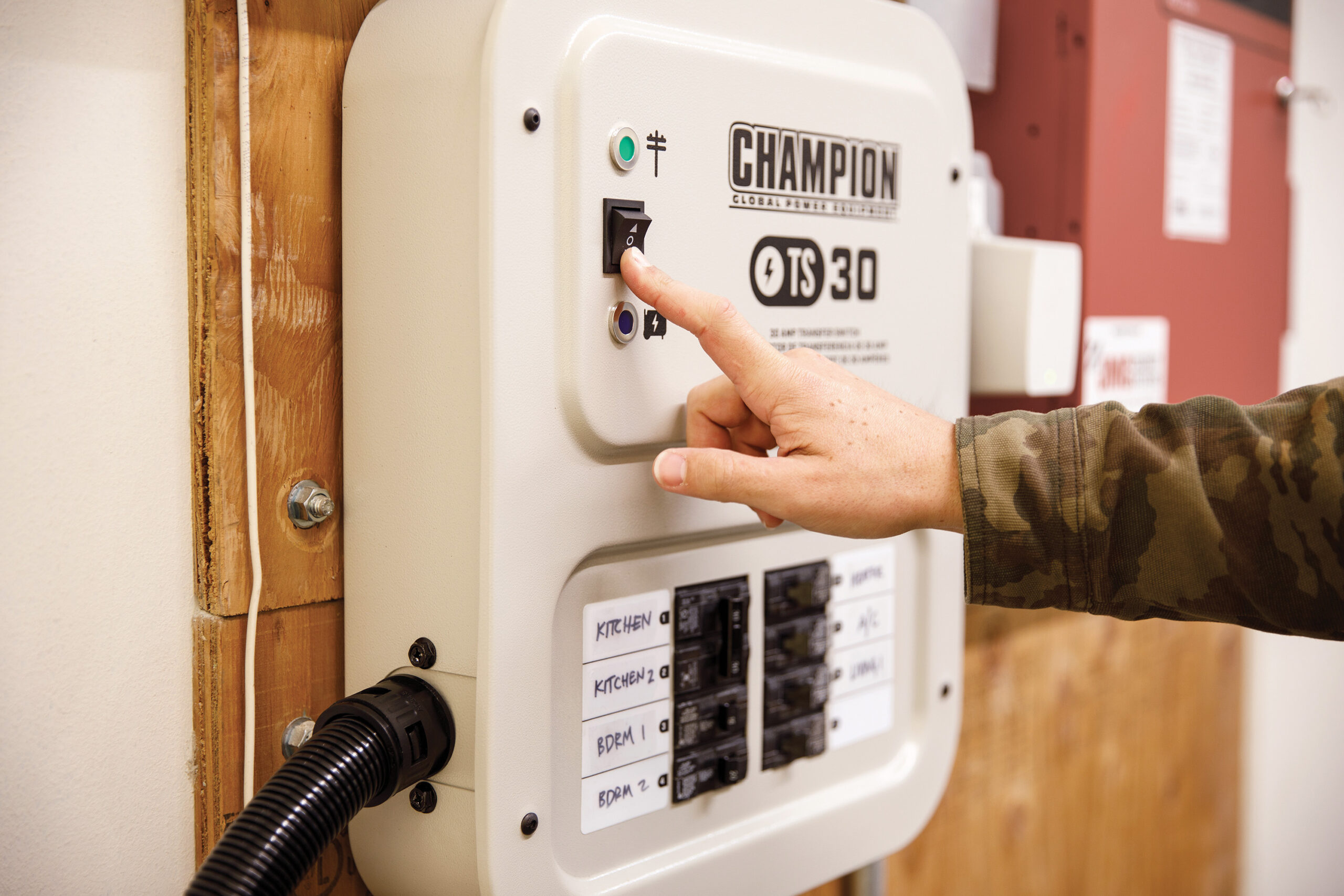
An automatic transfer switch (ATS) shifts power from the grid to the generator instantly. It ensures continuous power without manual intervention. This device prevents power gaps that can harm electronics. ATS systems often include built-in safety features. They are ideal for homes wanting reliable, hands-free power backup.
Hybrid Power Solutions
Hybrid power systems combine solar panels, batteries, and generators. They provide cleaner, more stable energy for your home. Batteries store power for use when the generator is off. This setup reduces fuel use and noise from the generator. Hybrid solutions suit those seeking energy efficiency and backup power together.

Credit: www.amazon.ca
Frequently Asked Questions
Will A Ups Protect Electronics On A Home Generator?
Yes, a UPS can protect electronics from power surges and outages when using a home generator. It stabilizes voltage and provides backup power during brief interruptions, ensuring sensitive devices remain safe and operational.
Can A Ups Handle Generator Power Fluctuations?
A UPS helps manage minor power fluctuations from generators by conditioning the power. However, severe voltage spikes or frequency variations might still affect sensitive electronics, so use a high-quality UPS compatible with generator power.
Is Generator Power Safe For Ups-connected Devices?
Generator power can be safe if stable and clean. A UPS filters out irregularities, protecting devices. Ensure your generator produces stable output to avoid damage to UPS-connected electronics.
Should I Use A Ups With All Home Generator Electronics?
Using a UPS is recommended for sensitive electronics like computers and medical devices. For heavy appliances, a UPS may be unnecessary. Assess device sensitivity before connecting to the UPS and generator setup.
Conclusion
A UPS protects your electronics from power problems. Using it with a home generator keeps devices safe. It helps avoid damage from sudden outages or voltage changes. This setup ensures steady power for your important gadgets. Simple steps can improve your home’s power reliability.
Think about your needs and choose the right UPS. Peace of mind comes from stable and clean power. Keep your electronics working well, even during storms or outages. A UPS and generator together make a smart backup plan.
Leave a Reply