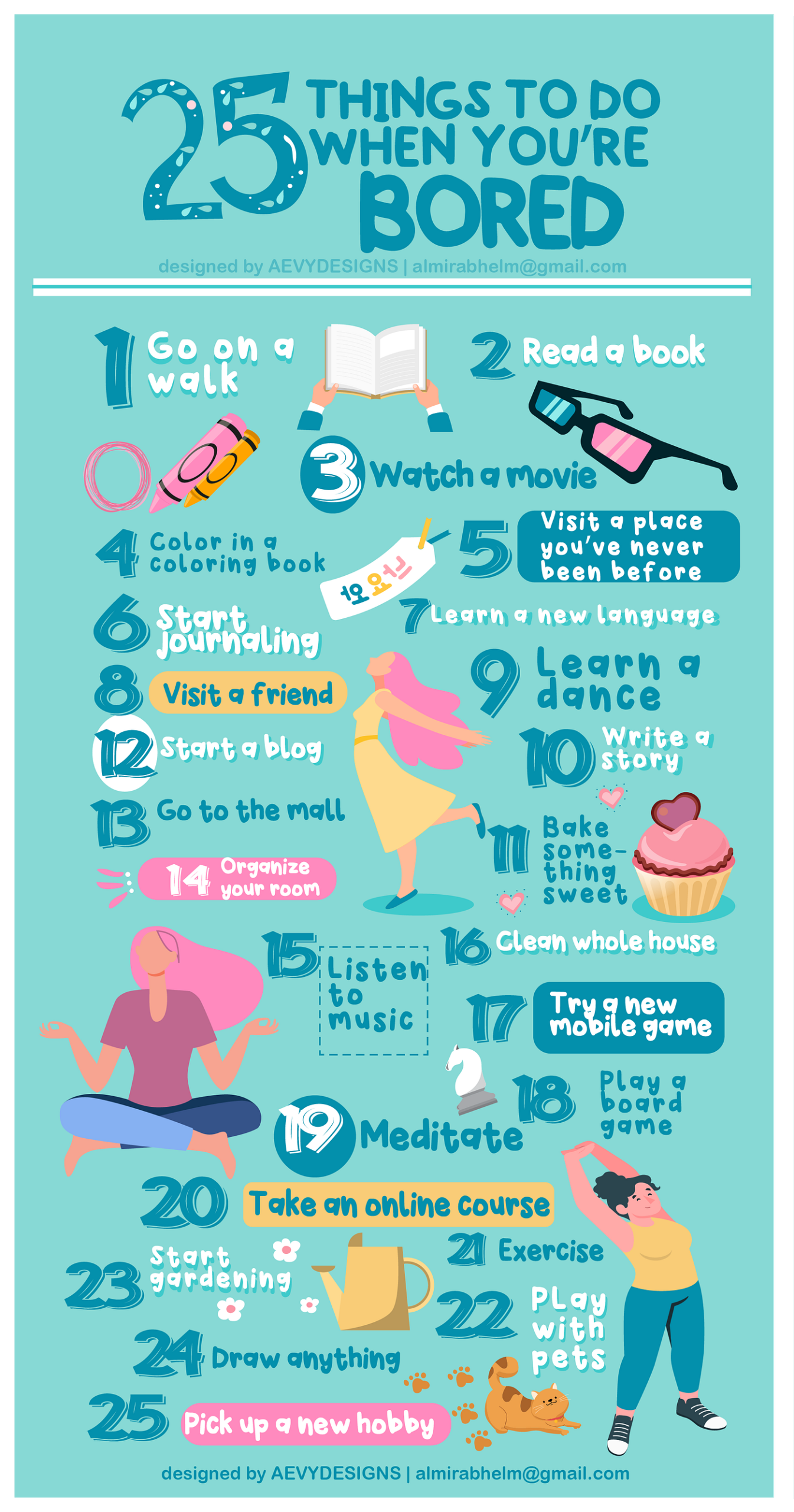
Feeling bored at home without your phone, tablet, or TV can be frustrating. You might find yourself staring at the walls, wondering how to fill the time.
But what if this break from screens is actually a chance to discover new hobbies, relax your mind, and boost your creativity? You’ll find simple and fun ideas that don’t need any electronics. These activities will help you feel refreshed and excited, turning your boredom into a great opportunity.
Keep reading—you’ll be surprised at how easy it is to enjoy your time without gadgets.
Creative Arts And Crafts
Creative arts and crafts provide a refreshing way to beat boredom without relying on electronics. They let you express yourself and keep your hands busy, which can boost your mood and focus. Whether you have basic supplies or just a few odds and ends, there’s always something fun to create.
Drawing And Painting
Grab a pencil, some colored pencils, or paint and start sketching what’s around you. You don’t need to be a professional artist—just let your imagination guide you. Try drawing your favorite memory or paint an abstract design with colors that make you feel happy.
Have you ever noticed how focusing on small details in a drawing can calm your mind? It’s a simple way to practice mindfulness while having fun. Challenge yourself to draw something new every day, and watch your skills grow without any pressure.
Diy Home Decor
Making your own home decor adds a personal touch to your space and gives you a sense of accomplishment. You can create simple items like painted flower pots, handmade picture frames, or decorative wall hangings with materials you already have.
Imagine turning an empty jar into a beautiful candle holder or crafting a photo collage that tells your story. These projects don’t require fancy tools, just a bit of creativity and patience. What’s one corner in your home that could use a new, handmade accent?
Upcycling Old Items
Instead of throwing away old clothes, furniture, or containers, try giving them a new life. Upcycling saves money, reduces waste, and sparks your creativity. For example, turn an old T-shirt into a reusable tote bag or repaint a worn-out chair to make it look brand new.
Look around your home for items you no longer use and think about how you could change their purpose. This hands-on activity not only passes the time but also helps you see everyday objects differently. What unused item could become your next project?

Credit: parade.com
Indoor Physical Activities
Indoor physical activities keep your body moving and your mind sharp. They offer a great way to break boredom without using any electronic devices. These activities improve flexibility, strength, and mood. You can enjoy them alone or with family members. Here are some fun and easy options to try inside your home.
Yoga And Stretching
Yoga relaxes your mind and stretches your muscles. It helps reduce stress and improves breathing. You do not need special equipment. Just find a quiet spot and follow simple poses. Stretching also prevents stiffness and boosts blood flow. Try to hold each stretch for 20-30 seconds. This practice can make you feel calm and refreshed.
Dance Sessions
Dancing lifts your spirits and burns calories. Play your favorite music and move freely. You can try different styles like salsa, hip-hop, or freestyle. Dancing improves coordination and balance. It is a fun way to exercise without feeling tired. Invite family or friends to join for extra fun.
Home Workouts
Home workouts build strength and endurance. Use your body weight for exercises like push-ups, squats, and lunges. You can make short workout routines to fit your schedule. No need for gym machines or weights. These exercises tone muscles and boost energy. A consistent routine helps you stay healthy and active.
Cooking And Baking
Spending time cooking and baking without electronics can turn your boredom into a creative and rewarding experience. It’s a chance to connect with your food and discover new skills. Plus, the delicious results make it even more satisfying.
Trying New Recipes
Have you ever picked up a cookbook and tried a recipe you never thought you would? Now’s the perfect time to experiment with dishes from different cultures or unusual ingredients. Challenge yourself to make a meal that pushes your usual cooking boundaries.
Keep it simple by choosing recipes with a few ingredients or short prep times, especially if you’re new to cooking. Writing down the steps by hand can help you stay organized and feel more involved. What’s the last dish you cooked that surprised you with its taste?
Baking Treats
Baking is a hands-on way to pass the time and fill your home with amazing smells. Try baking cookies, muffins, or bread from scratch. It’s satisfying to watch dough rise and transform into a golden crust.
Don’t worry about perfection; enjoy the process and learn from small mistakes. You might find that adding a pinch of cinnamon or swapping sugar for honey changes the flavor in exciting ways. What’s your favorite treat to bake that lifts your mood?
Meal Prep Fun
Preparing meals ahead can turn a boring day into a productive one. Chop vegetables, marinate proteins, or make sauces that you can store for later use. This saves time on busy days and makes healthy eating easier.
Try organizing your fridge with labeled containers and plan meals for the week. You’ll feel accomplished and less stressed about what to cook next. How could meal prepping change the way you eat during your busiest days?

Credit: goloadup.com
Reading And Writing
Reading and writing offer powerful ways to beat boredom without relying on electronics. They engage your mind, spark creativity, and provide a quiet escape. Whether you pick up a book or put pen to paper, these activities can transform your downtime into something meaningful.
Diving Into Books
Books can take you anywhere—without leaving your room. Pick a genre you usually don’t read and see where it leads. Maybe try a mystery if you usually prefer romance, or a non-fiction book about a topic you’re curious about.
Have you ever noticed how a good book pulls you in and makes time fly? That feeling happens because your brain is fully engaged. Challenge yourself to read a chapter a day and watch how your boredom fades.
Journaling Ideas
Journaling isn’t just about writing your day’s events. Use it to explore your thoughts, dreams, or even frustrations. Try making lists—things you’re grateful for, goals you want to achieve, or places you want to visit.
If you feel stuck, start with a simple question: “What made me smile today?” Writing answers to small questions can open up new ways to understand yourself. Journaling can be your personal space to reflect and grow.
Creative Writing
Creative writing lets your imagination run wild. Write a short story, a poem, or even a letter to your future self. Don’t worry about perfection; focus on expressing your ideas freely.
Try writing from a different perspective—maybe from your pet’s point of view or an object in your room. This exercise can make writing fun and help you see everyday things differently.
Games And Puzzles
Games and puzzles offer a fantastic way to keep your mind active and your spirits high when you’re stuck at home without electronics. They bring people together, spark creativity, and challenge your brain in ways that screen time often can’t. Whether you’re alone or with family, these activities can turn boredom into fun and meaningful moments.
Board Games
Board games are more than just a pastime; they create an environment where strategy, luck, and social interaction blend perfectly. Pull out classics like Monopoly, Scrabble, or Clue to engage your brain and compete with friends or family. Have you noticed how a simple roll of the dice can turn a dull evening into a lively challenge?
Try setting a timer to keep the pace fast and exciting. Playing a new board game you haven’t tried before can add an element of surprise and curiosity. What new rules or strategies could you learn today?
Card Games
Card games are incredibly versatile and easy to set up anywhere. Whether it’s a quick game of Go Fish, a strategic round of Poker, or a cooperative game like Hanabi, cards make for endless fun. You don’t need many players—sometimes even a solo card game like Solitaire can provide a satisfying mental workout.
Consider mixing up the rules to create your own version of a card game. This not only keeps the game fresh but also sharpens your creativity. What unique twist could you add to your favorite card game to make it more challenging?
Jigsaw Puzzles
Jigsaw puzzles are perfect for slowing down and focusing on a tangible goal. As you piece together an image, you improve your problem-solving skills and patience. A 500-piece puzzle might seem daunting, but each completed section offers a rewarding sense of progress.
Try working on a puzzle with others to encourage teamwork and conversation. Or set a daily goal for yourself—just 20 pieces a day can turn into a beautiful finished picture in no time. How does the process of finding the right fit change your approach to challenges outside the puzzle?
Gardening And Nature
Spending time with plants and nature can bring calm and joy. It helps pass time without screens and connects you to the natural world. Gardening and nature activities fit well in any home. They offer fun and learning while you relax.
Indoor Plant Care
Caring for indoor plants is simple and rewarding. Water your plants regularly but avoid overwatering. Place them near windows for sunlight. Use a spray bottle to keep leaves clean. Watch them grow day by day.
- Check soil moisture before watering.
- Rotate plants to ensure even light.
- Remove dead leaves to keep plants healthy.
Starting A Small Garden
Create a small garden using pots or a garden bed. Choose easy plants like herbs or flowers. Prepare soil with compost for nutrients. Plant seeds or small plants carefully. Water them gently and keep the area tidy.
- Select plants suitable for your climate.
- Use containers if space is limited.
- Keep track of watering and sunlight needs.
Nature Observation
Spend time watching birds, insects, or clouds outside. Use a notebook to write down what you see. Notice colors, shapes, and movements. Nature observation sharpens your senses and relaxes the mind. Try to spot different animals or plants each day.
- Observe quietly to avoid scaring animals.
- Use binoculars for a closer look.
- Draw or photograph interesting finds.
Mindfulness And Relaxation
Mindfulness and relaxation help calm your mind and body. They reduce stress and improve focus. These practices bring peace and balance during quiet moments at home.
Meditation Techniques
Meditation is sitting quietly and focusing your mind. Find a comfortable spot and close your eyes. Pay attention to your breath or a simple word. Let thoughts come and go without judgment. Even five minutes can refresh your mind.
Breathing Exercises
Breathing exercises help lower tension and clear your head. Try deep breathing by inhaling slowly through your nose. Hold the breath for a moment. Then exhale gently through your mouth. Repeat this several times. This practice calms the nervous system quickly.
Creating A Relaxing Space
Make a small area for peace and rest. Use soft pillows and blankets for comfort. Keep the space tidy and free of distractions. Add calming scents like lavender or chamomile. A quiet corner can invite relaxation anytime you need it.
Organizing And Decluttering
Organizing and decluttering at home clears both space and mind. It brings a fresh look and makes your home feel more peaceful. Sorting through your things helps you find what you need faster. It also creates room for new ideas and activities.
Tidying Up Rooms
Start by picking one room to focus on. Put away clothes, books, and toys that are out of place. Wipe surfaces and vacuum floors for a cleaner feel. Small efforts make a big difference in how a room looks and feels.
Sorting Old Items
Go through boxes, drawers, and shelves to find old items. Decide what to keep, donate, or throw away. Ask yourself if each item is useful or brings joy. Clearing out clutter frees space and lightens your mind.
Rearranging Furniture
Move furniture to create a new layout. Try placing pieces in different spots to improve flow. Changing the arrangement can make a room feel larger and fresher. Experiment to find a setup that feels comfortable and inviting.
Social Activities Without Electronics
Social activities without electronics create a unique space for genuine connection. They invite you to engage fully with those around you, enhancing your relationships and sparking creativity. These moments often reveal surprising insights about friends and family that screens can’t capture.
Face-to-face Conversations
Nothing beats the power of eye contact and real-time reactions in a face-to-face conversation. Try setting aside distractions and ask open-ended questions that encourage storytelling or reflection. You might be amazed at how much deeper your connections grow when you listen without checking your phone.
Have you ever noticed how a simple, heartfelt chat can change your mood instantly? Try it tonight and see how your perspective shifts.
Group Storytelling
Gather everyone in a circle and start a story with one sentence. Each person adds to the tale, building on what the last person said. This activity sparks creativity and laughter, and you’ll discover how different minds weave a narrative together.
Think about your last group conversation—did it ever turn into a story? Group storytelling turns everyday talk into an adventure that’s both fun and memorable.
Playing Charades
Charades is a classic game that forces you to use your body and imagination instead of gadgets. It challenges everyone to think quickly and communicate without words, which can lead to hilarious moments and surprising teamwork.
Have you tried acting out movie titles or famous people without speaking? This game breaks the ice and gets everyone moving, proving that fun doesn’t need a screen.

Credit: pkj.medium.com
Frequently Asked Questions
What Are Fun Offline Activities At Home Without Electronics?
Try reading, cooking, gardening, or crafting. These activities stimulate creativity and keep you engaged without screens. They also help reduce stress and improve focus.
How Can I Stay Productive Without Electronics At Home?
Set daily goals, organize your space, or practice hobbies like drawing. These methods maintain productivity and give a sense of accomplishment offline.
What Hobbies Work Well Without Electronic Devices?
Consider painting, knitting, writing, or playing board games. These hobbies encourage creativity, improve skills, and provide entertainment without any electronic use.
How Do I Keep Kids Entertained Without Electronics?
Engage them with puzzles, outdoor play, storytelling, or simple DIY crafts. These options boost imagination and keep children actively entertained without screens.
Conclusion
Exploring new activities at home can be fulfilling and fun. Painting, reading, or cooking offers creative outlets. Try gardening for a touch of nature. Board games and puzzles engage your mind. Exercise boosts energy and mood. Journaling captures your thoughts and dreams.
Crafting brings joy and personal touch. These activities nurture your spirit and reduce boredom. Discover what excites you without screens. Enjoy these moments of simplicity. Embrace the chance to connect with yourself. It’s a refreshing break from digital distractions. Keep trying new things and find happiness in the small joys at home.
Leave a Reply