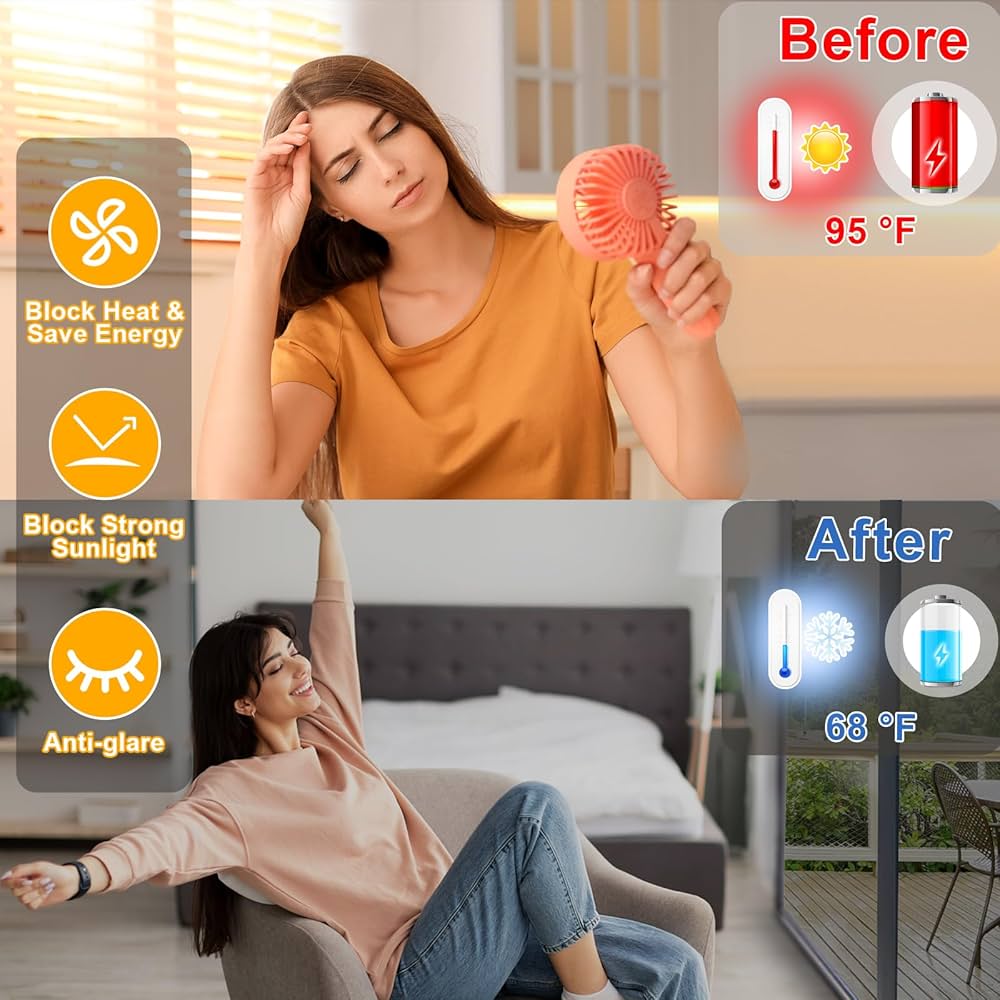
Are you considering upgrading your home with electronic tint windows but feeling uncertain about the cost? You’re not alone.
Many homeowners are curious about the expense and benefits of this modern technology. Imagine having the ability to control the amount of sunlight entering your living space, reducing glare, and increasing privacy—all with just a touch of a button. Sounds impressive, right?
But how much will this convenience and luxury cost you? Understanding the price range and factors that influence it can help you make an informed decision. Stay with us as we break down everything you need to know about the cost of electronic tint home windows, so you can decide if it’s the right investment for your home.

Credit: flexfilmstore.com
Electronic Tint Technology
Electronic tint technology is changing the way we control light and privacy in our homes. This innovative system allows you to adjust the transparency of your windows with just a touch, offering flexibility that traditional window treatments can’t match. Imagine shifting from clear to tinted glass within seconds, giving you control over heat, glare, and privacy whenever you want.
What Is Electronic Tint?
Electronic tint, also known as smart glass or switchable glass, is a special type of window film that changes its opacity when an electric current is applied. Without power, the film stays frosted or opaque, blocking light and visibility. When powered, it turns clear, allowing natural light to flow freely.
This technology is perfect if you want to maintain privacy without sacrificing daylight. Many homeowners find it especially useful in rooms where window coverings might be inconvenient or unattractive.
Types Of Electronic Tint Films
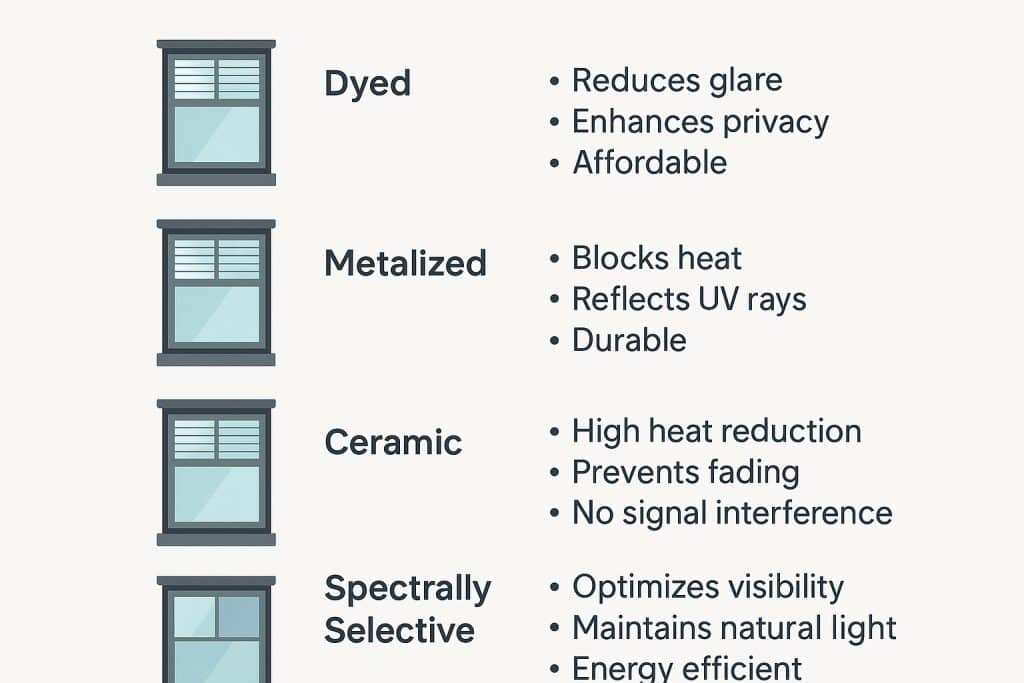
There are several types of electronic tint films, each with unique features that suit different needs:
- Polymer Dispersed Liquid Crystal (PDLC):The most common type, offering quick switching between clear and opaque states.
- Suspended Particle Devices (SPD):Allows variable tint levels, letting you control how dark or light the window gets.
- Electrochromic Films:Slowly change tint and can maintain any shade without continuous power.
Choosing the right type depends on your budget, desired control level, and how you plan to use your windows. Have you considered which type would best fit your lifestyle?
How Electronic Tint Works
Electronic tint films contain special materials that react to electricity. In PDLC films, tiny liquid crystals align when current flows, making the film transparent. Without power, these crystals scatter light, creating a frosted look.
SPD films work by aligning suspended particles to block or allow light. Electrochromic films use a chemical reaction triggered by electricity to change tint slowly but hold the setting without constant power.
This means you can control your window’s appearance instantly or set it to maintain a specific tint, helping you manage heat, glare, and privacy more efficiently. Have you ever wished your windows could adjust to your mood or the weather?
Credit: www.superiorwindowsolutions.com
Factors Affecting Costs
The cost of electronic tint for home windows depends on several key factors. These factors influence the price range and overall investment required. Understanding them helps in planning your budget effectively.
Each element affects the material needed, labor time, and final quality. Knowing these details makes it easier to compare options and choose wisely.
Window Size And Shape
Large windows need more tint film, which raises costs. Odd shapes or custom sizes require extra cutting and fitting. This increases labor time and can add to expenses. Standard shapes tend to be more affordable due to easier installation.
Type Of Tint Film
Different tint films offer various benefits and prices. Some films block heat and UV rays better, costing more. Others provide privacy or glare reduction at lower prices. The choice of film affects both upfront cost and long-term value.
Installation Complexity
Simple installations on flat windows cost less. Complex jobs with curves or multiple panes take longer. Hard-to-reach windows may need special equipment or extra care. These factors raise labor charges and total cost.
Brand And Quality
High-quality brands often cost more but last longer and perform better. Cheaper brands save money initially but may degrade faster. Investing in trusted brands reduces replacement needs and adds lasting value.
Cost Breakdown
Understanding the cost of electronic tint for home windows helps in planning your budget. Prices vary based on size, brand, and installation complexity. Breaking down the costs gives a clear idea of the total expense involved.
Average Price Per Square Foot
Electronic window tint usually costs between $20 and $50 per square foot. The price depends on the quality of the tint and its features. Higher-end tints with smart technology tend to be pricier.
Pricing can differ by supplier and region as well. Measuring your window area accurately ensures correct price estimates.
Additional Installation Fees
Installation fees vary based on window type and labor required. Complex window shapes or hard-to-reach areas can increase costs. Expect an extra $100 to $300 for installation on average.
Some companies include installation in the total quote. Confirm details before hiring a technician.
Maintenance And Replacement Costs
Electronic tint is durable but may need occasional maintenance. Cleaning with proper materials keeps it in good shape. Avoid harsh chemicals that could damage the tint.
Replacement costs depend on the extent of damage. Minor repairs are cheaper than full panel replacement. Budget for maintenance to extend the tint’s lifespan.
Diy Vs Professional Installation
Deciding between installing electronic tint on your home windows yourself or hiring a professional can significantly affect both the cost and the outcome. Each option comes with its own set of advantages and challenges that you should weigh carefully. Understanding these differences helps you make a choice that fits your skills, budget, and timeline.
Pros And Cons Of Diy
Doing the installation yourself can save you money upfront. You only pay for the materials, which makes DIY appealing if you’re comfortable handling tools and following instructions.
However, applying electronic tint requires precision. Mistakes like bubbles, uneven placement, or damage to the tint or window can occur, which might end up costing more to fix. If you enjoy hands-on projects and have patience, DIY could be rewarding. But if you’re unsure about your skills, the risk of errors might outweigh the savings.
When To Hire Professionals
Professional installers bring experience and the right tools to ensure a smooth, flawless finish. They also handle any unexpected issues, such as window frame complications or electrical connections for the tint.
Hiring experts makes sense if you want a guaranteed quality result without spending hours learning the process. Plus, many professionals offer warranties, giving you peace of mind in case the tint fails or peels over time. Would you rather spend your weekend on a tricky project or enjoy your freshly tinted windows worry-free?
Cost Differences
| Installation Type | Average Cost | What’s Included |
|---|---|---|
| DIY | $50 – $200 (materials only) | Electronic tint film, basic tools |
| Professional Installation | $300 – $700+ | Materials, labor, warranty |
The upfront cost of professional installation may seem high, but it covers expertise and a quality guarantee. On the other hand, DIY keeps costs low but requires time and careful effort from you. How much is your time and peace of mind worth when deciding between these two?
Energy Savings And Long-term Value
Electronic tint for home windows offers more than just sleek aesthetics; it delivers real energy savings and long-term value that can transform your living space. By controlling heat and light, these smart tints help reduce the strain on your HVAC system, cutting down your energy bills. Understanding how these benefits add up over time can help you decide if this investment is right for your home.
Impact On Utility Bills
Electronic window tint can lower your energy costs by blocking up to 70% of solar heat. This means your air conditioner doesn’t have to work as hard during hot months. Imagine saving a noticeable chunk on your monthly electricity bill simply by upgrading your windows.
In colder seasons, smart tint helps retain indoor heat, reducing heating expenses. The combined effect is a more balanced energy use year-round. Have you checked how much your home spends on heating and cooling? This could be an easy way to cut those costs.
Enhancing Home Comfort
Beyond savings, electronic tint improves your home’s comfort by reducing glare and preventing uneven heating. You’ll notice fewer hot spots near windows and more consistent room temperatures. This can make a big difference, especially in rooms where you spend a lot of time.
Privacy also gets a boost without sacrificing natural light. You control transparency with a simple switch, so your windows adapt to your needs throughout the day. Isn’t that a smarter way to enjoy your space?
Return On Investment
Electronic tint may seem like a high upfront cost, but the payoff extends beyond energy savings. Increased home value and appeal can make it a worthwhile addition if you plan to sell. Plus, many users report that the comfort and convenience alone justify the expense.
Think about how long you plan to stay in your home and what energy savings you expect annually. This helps calculate your break-even point and long-term gain. Have you considered how much less you’d spend on utilities over 5 or 10 years with electronic tint installed?
Popular Brands And Models
Choosing the right electronic tint for home windows depends on brand reputation and product quality. Popular brands offer different models with various features and price points. Understanding these options helps find the best fit for your needs and budget.
Top Electronic Tint Products
- SmartTint:Known for easy installation and reliable performance. Offers adjustable opacity with remote control.
- SwitchGlass:Provides high clarity and smooth transition between clear and tinted states. Ideal for large windows.
- Polytronix:Features durable films with strong UV protection. Compatible with smart home systems.
- Sonte:Offers thin, flexible films that can be applied on curved surfaces. Controlled via smartphone apps.
- Glass Apps:Focuses on energy efficiency and glare reduction. Includes customizable tint levels.
Warranty And Support Options
Most popular brands provide warranties ranging from 1 to 5 years. This covers defects in materials and workmanship. Some brands offer extended warranties for an extra cost.
Customer support often includes installation guides, video tutorials, and live chat help. Many brands also offer professional installation services or recommend certified installers.
Checking warranty terms and support options ensures a smooth experience and long-lasting product use.
Where To Buy And Install
Knowing where to buy and install electronic tint for home windows helps you control costs and quality. It matters to pick trusted sources and skilled installers. This ensures your windows get the best protection and style. Explore options carefully to find the best fit for your home and budget.
Retailers And Online Options
Many stores sell electronic tint for home windows. Local home improvement shops often carry basic models. Online marketplaces offer a wider range of brands and prices. Shopping online lets you read reviews and compare features easily.
- Home improvement chains
- Specialty window tint stores
- Online retailers like Amazon and eBay
- Manufacturer websites for direct purchases
Check product details carefully. Look for warranties and return policies. These protect your purchase from defects or dissatisfaction.
Finding Certified Installers
Certified installers guarantee proper fitting and performance. They have training and tools to apply electronic tint correctly. Poor installation can cause bubbles or damage to windows.
- Search for certified professionals near you
- Ask for references and past work examples
- Confirm licensing and insurance status
- Request warranty on installation services
Professional installation often saves money long term by preventing problems. It also ensures the tint works as intended.
Comparing Quotes
Get multiple quotes before deciding. Prices vary by product type, window size, and labor fees. Comparing helps find the best value for your money.
| Service | Estimated Cost | Included Features |
|---|---|---|
| Basic electronic tint kit | $150 – $300 | Materials only, no installation |
| Professional installation | $200 – $500 | Full fit, warranty, cleanup |
| Premium tint and install | $500 – $1,000+ | High-grade tint, expert service |
Ask each installer about additional fees. Clarify timelines and payment terms. This helps avoid surprises during the project.
Tips For Choosing Electronic Tint
Choosing the right electronic tint for your home windows can feel overwhelming with all the options available. It’s important to focus on what suits your specific needs and budget while ensuring quality and reliability. Here are some practical tips to help you make a confident choice.
Assessing Your Needs
Start by identifying what you want from your electronic tint. Are you looking to reduce glare, improve privacy, or save on energy costs? Knowing your priorities will help narrow down the types of tints that fit your lifestyle.
Think about the rooms you want to tint. South-facing windows might need stronger heat rejection, while bedrooms might benefit more from privacy features. Ask yourself: What problem am I trying to solve with this tint?
Balancing Cost And Quality
It’s tempting to pick the cheapest option, but low cost often means low quality. High-quality electronic tint offers better durability, clearer visibility, and more efficient performance. You want a product that lasts and delivers the benefits promised.
Consider how much you’re willing to invest upfront versus potential savings on your energy bills. Sometimes spending a little more now can save you money in the long run. Don’t forget to factor in installation costs, which vary depending on window size and type.
Checking Reviews And References
Research is your best friend. Look for customer reviews and ratings that mention both the product and the installer. Honest feedback can reveal issues you might not find in product descriptions.
Ask the seller for references or examples of past installations. Seeing real results and speaking to previous customers can give you confidence in your choice. Would you trust a service with no proof of successful projects?
Credit: kepler-dealer.com
Frequently Asked Questions
How Much Does Electronic Tint For Home Windows Cost?
Electronic tint for home windows typically costs between $100 to $200 per square foot. Prices vary by brand, installation complexity, and window size. Additional features like smart control can increase the price. Professional installation is recommended for best results and warranty.
What Factors Affect Electronic Window Tint Pricing?
Pricing depends on window size, tint quality, installation fees, and smart control features. Custom shapes or complex installations may cost more. Higher-grade films with better UV protection and durability also increase prices. Location and labor rates can impact overall costs.
Are Electronic Window Tints Worth The Investment?
Yes, electronic window tints improve energy efficiency, privacy, and UV protection. They reduce cooling costs and increase comfort. Though initial costs are higher, long-term savings and convenience justify the investment. Smart tinting also enhances home aesthetics and value.
How Long Does Electronic Window Tint Installation Take?
Installation usually takes 1 to 3 hours per window, depending on size and complexity. Professional installers ensure proper fit and function. Larger projects may require multiple days. Quick and careful installation helps avoid damage and ensures optimal performance.
Conclusion
Electronic tint home windows cost depends on size and technology used. Prices vary from affordable to higher-end options. Choosing the right tint improves privacy and controls sunlight. It also helps reduce energy bills over time. Installation fees may add to the total cost.
Consider your budget and needs before deciding. Quality and durability matter for long-term satisfaction. Electronic tint windows offer modern benefits worth the investment. Think about how much you value comfort and style at home.
Leave a Reply