
Are you wondering about the best way to get your hands on the latest movie, music album, or software? The choice between electronic download and home delivery can be confusing, can’t it?
Each option has its unique perks and potential pitfalls. Your decision can impact not only your convenience but also your wallet and overall satisfaction. Imagine the thrill of instant access with a click versus the tangible excitement of receiving a package at your doorstep.
Which experience suits your lifestyle better? Stay with us as we unravel the key differences between electronic downloads and home delivery. By the end of this article, you’ll have a clear understanding to make the best choice for your needs.

Credit: www.ikea.com
Electronic Download Basics
Understanding the basics of electronic downloads can change how you access and enjoy digital content. Unlike home delivery, electronic downloads offer instant access, saving you the wait time and shipping costs. But how exactly do these downloads work, and what should you know about file types and compatibility before you hit the download button?
How Downloads Work
Electronic downloads deliver files directly to your device through the internet. After purchase or access, you click a download link or button, and the file starts transferring immediately. This process eliminates the need for physical shipping, making the content available within seconds or minutes.
Have you ever noticed how some downloads pause or slow down? That’s usually due to your internet speed or server limitations. Managing your connection can improve your download experience significantly.
Common File Types
Downloaded content comes in various file formats depending on what you’re getting. Music often arrives as MP3 or WAV, while ebooks might be in PDF or EPUB formats. Software downloads usually come as EXE or DMG files, depending on your operating system.
- MP3/WAV:Audio files
- PDF/EPUB:Ebooks and documents
- EXE/DMG:Software installers
- ZIP/RAR:Compressed file packages
Knowing the file type helps you prepare the right app or program to open your download. Have you ever downloaded a file only to find you couldn’t open it? Checking the format beforehand saves you from that frustration.
Device Compatibility
Not every file will work on every device. Compatibility depends on your device’s operating system and installed software. For instance, a Mac won’t run a Windows EXE file without special software.
Think about your smartphone, tablet, or computer—each might require different versions or apps to handle the download. Checking compatibility before you download prevents wasted time and effort.
What devices do you usually use for downloads? Ensuring compatibility can make your digital experience smoother and more enjoyable.
Credit: www.goodrx.com
Home Delivery Essentials
Home delivery has become a crucial part of modern shopping, offering convenience and flexibility. Understanding the essentials behind home delivery can help you make smarter choices when ordering products. From how items reach your doorstep to the care taken in packaging, every detail plays a role in your experience.
Delivery Methods
You might receive your order through various delivery methods depending on the retailer and your location. Common options include standard postal services, courier companies, or specialized delivery providers. Some offer same-day or next-day delivery, while others may take several days based on distance and shipping speed.
Choosing the right delivery method affects how quickly and safely your item arrives. Have you ever wondered why some packages come in a day while others take a week? The answer often lies in the delivery method selected during checkout.
Packaging And Shipping
Packaging is not just about looking good; it’s about protecting your purchase. Fragile items require extra padding, while perishables need insulated packaging to stay fresh. Retailers balance cost and safety to ensure your product arrives intact without unnecessary waste.
Think about the last time you received a package. Did it feel secure or was the box damaged? Proper packaging reduces the risk of damage and makes your unboxing experience much better.
Tracking And Timing
Tracking lets you follow your package in real-time, giving peace of mind about its journey to your home. Most delivery services provide tracking numbers and status updates via email or apps. This transparency helps you plan when to be available for delivery.
Timing is key with home delivery. Some products have strict delivery windows, especially food or fragile goods. How do you manage your schedule around waiting for a package? Using tracking tools can help minimize missed deliveries and frustration.
Speed And Convenience
Speed and convenience are key factors when choosing between electronic downloads and home delivery. Your choice affects how quickly you get what you need and how simple the process feels. Understanding these differences can help you pick the option that fits your lifestyle and urgency.
Instant Access Vs Waiting Time
Electronic downloads offer immediate access. Once you complete your purchase, you can start using the product right away. This is perfect if you need something quickly—no waiting for shipping or delivery schedules.
Home delivery, on the other hand, involves waiting. Shipping times vary based on location, courier services, and even weather conditions. You might wait days or even weeks to receive your item, which could slow down your plans.
Have you ever bought a game or software and wanted to start right away? That moment you realize you have to wait for delivery can be frustrating. Instant access removes that waiting period entirely.
Accessibility Factors
Electronic downloads require a reliable internet connection and a compatible device. If your internet is slow or unstable, downloads might take longer or fail. Also, some files need specific software or hardware to run properly.
Home delivery depends on your physical address and postal service efficiency. Rural or remote areas may face longer delivery times or higher shipping costs. Plus, you need to be available to receive the package, which can be inconvenient if you have a busy schedule.
- Electronic Download:Best if you have good internet and want immediate use.
- Home Delivery:Suitable if you prefer physical products and don’t mind waiting.
Which factor matters more to you—getting the item instantly or having a physical copy at your doorstep? Your answer can guide the best choice for your needs.
Cost Considerations
Cost plays a huge role when deciding between electronic download and home delivery. Understanding the price differences and possible additional fees can save you money and avoid surprises. Knowing what to expect helps you choose the option that fits your budget best.
Pricing Differences
Electronic downloads often come with lower base prices. You skip the physical packaging, shipping, and handling costs, so sellers usually charge less. For example, buying a software license online typically costs less than ordering the same product shipped to your door.
Home delivery items tend to be pricier due to these extra steps. The cost covers packing materials, transport, and sometimes insurance. If you value having a physical product in hand quickly, you might find the added cost worthwhile.
Additional Fees
Electronic downloads rarely have hidden fees, but watch out for taxes or licensing charges that might apply. Sometimes, premium support or extra content is sold separately, adding to the total price.
Home delivery can come with surprising extra costs like shipping fees, express delivery charges, or customs duties if it’s an international order. These fees can add up, making your total spend much higher than the sticker price.
Have you ever chosen a home delivery product only to be hit with unexpected shipping fees at checkout? That experience can make electronic downloads feel like a safer bet for clear pricing.
Environmental Impact
Understanding the environmental impact of electronic downloads versus home delivery can shape the choices you make every day. These options affect our planet differently, so knowing the details helps you minimize your carbon footprint. Let’s look closely at how each method influences the environment.
Carbon Footprint Comparison
Electronic downloads usually have a smaller carbon footprint because they skip physical shipping. Instead of trucks or planes delivering products, data travels over the internet, which uses energy but less than transportation.
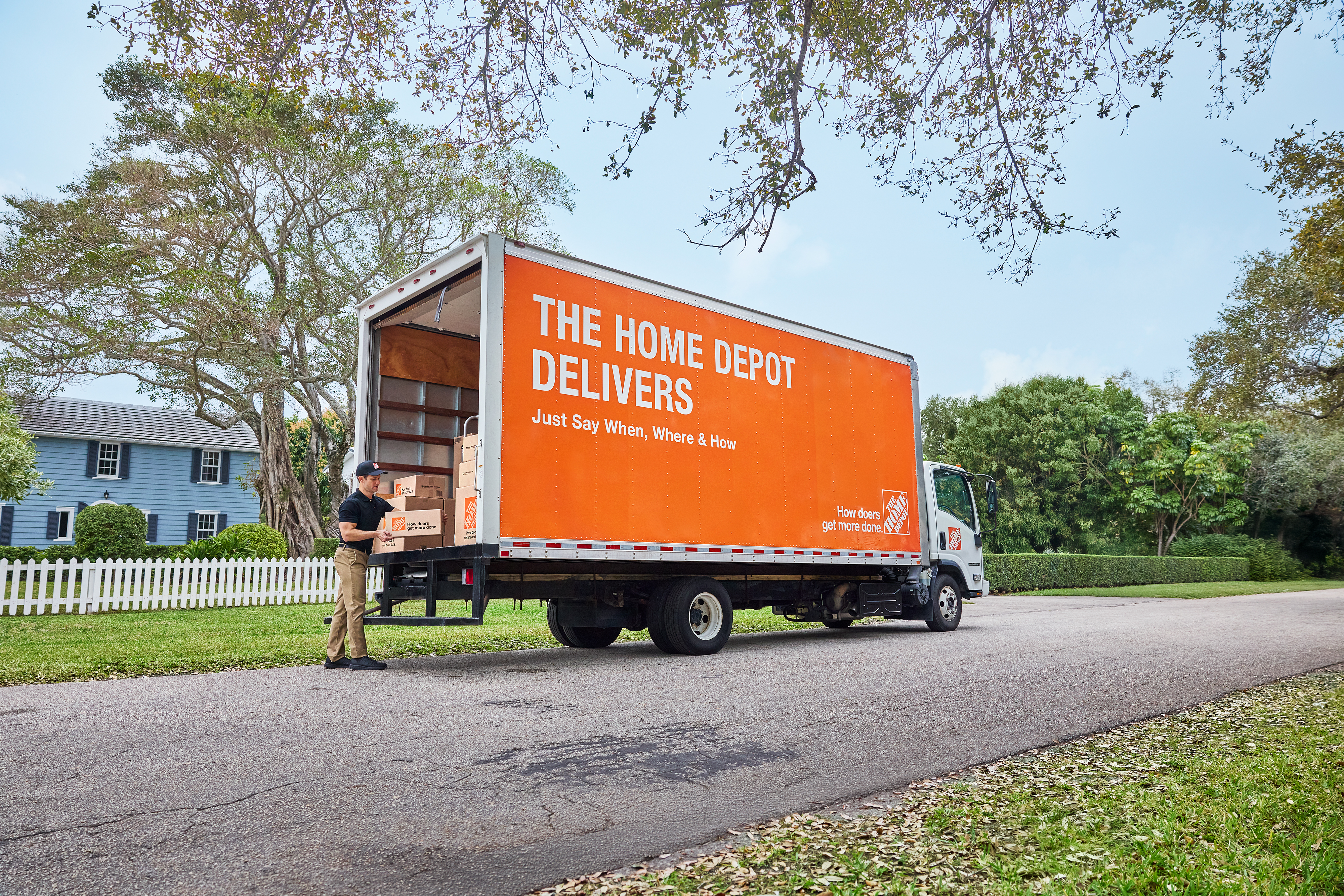
Home delivery involves fuel consumption, packaging materials, and multiple trips for the delivery vehicle. If you’ve ever waited for a package and saw the delivery truck making many stops, you’ve witnessed these emissions firsthand.
However, if you order multiple items at once, home delivery’s footprint per item can decrease. So, does bundling your purchases change how green your choice is?
Sustainability Benefits
Electronic downloads reduce waste since no physical materials like boxes, plastic wrap, or printed manuals are needed. This leads to less trash in landfills and fewer resources used in manufacturing packaging.
On the other hand, home delivery can support sustainability if companies use recyclable packaging or eco-friendly vehicles. Some delivery services now offer options to choose greener shipping methods—have you ever seen this option at checkout?
Choosing electronic downloads also means immediate access without the environmental cost of transport delays. You get your product quickly while helping reduce pollution—a win-win for you and the planet.
Security And Privacy
Security and privacy are key concerns for both electronic downloads and home delivery. Each option handles your information and product differently. Understanding these differences helps you choose the safer option for your needs.
Data Protection In Downloads
Electronic downloads require strong data protection measures. Files often come with encryption to prevent unauthorized access. Secure servers store the data safely. Users must use trusted websites to avoid malware risks. Personal information stays protected through secure payment gateways. Regular software updates add extra layers of security. Downloads can be accessed instantly but depend on good internet safety habits.
Safety Of Physical Shipments
Home delivery involves physical handling of products. Packages may contain sensitive information like addresses and phone numbers. Couriers use tracking systems to reduce the risk of loss or theft. However, packages can be delayed or damaged during transit. Privacy relies on secure packaging and trusted delivery services. Physical shipments avoid online hacking risks but face challenges like package theft. Overall, physical security depends on careful shipping and handling.
User Experience
User experience plays a key role in choosing between electronic download and home delivery. It affects how easy and satisfying the purchase feels. Both options offer unique benefits that influence user satisfaction and convenience.
Ease Of Use
Electronic downloads provide instant access. Users can start using the product immediately after purchase. No waiting for shipping or delivery delays. The process is simple: click, download, and use.
Home delivery requires patience. Users wait for the item to arrive at their doorstep. Tracking and handling packages might add extra steps. Yet, it suits those who prefer physical products.
Customer Preferences
Some users favor electronic downloads for speed and convenience. They like to avoid clutter and enjoy digital storage. Downloads work well for tech-savvy users and those with fast internet.
Others prefer home delivery for the tangible experience. Receiving a physical item feels more personal and reliable. It appeals to users who want to keep or gift the product.
)
Credit: www.homedepot.com
When To Choose Each Option
Choosing between electronic download and home delivery depends on your needs and situation. Each option offers unique benefits that suit different scenarios. Understanding when to pick each helps you get the best experience.
Situational Advantages
- Electronic downloads provide instant access after purchase.
- Great for urgent needs or last-minute decisions.
- Home delivery is ideal for physical items and gifts.
- Offers convenience when you want a tangible product.
- Downloads avoid shipping costs and delays.
- Delivery suits those who prefer unboxing real items.
Product Types Best Suited
- Software, eBooks, and music fit electronic downloads.
- Digital content allows easy storage and quick use.
- Clothing, books, and gadgets are best for delivery.
- Physical goods need careful handling and shipping.
- Downloads suit products without a physical form.
- Delivery fits items requiring a physical presence.
Frequently Asked Questions
What Is Electronic Download Delivery?
Electronic download delivery provides digital files instantly via the internet. Buyers can access products like software, music, or ebooks immediately after purchase. It eliminates shipping wait times and physical packaging, offering convenience and instant access for users.
How Does Home Delivery Differ From Electronic Download?
Home delivery sends physical products to your address through postal or courier services. It involves packaging, shipping time, and possible delivery fees. Electronic download offers instant access without physical shipment, making it faster and more convenient.
Are Electronic Downloads More Cost-effective Than Home Delivery?
Yes, electronic downloads usually cost less because they avoid shipping and packaging expenses. Sellers save on logistics, and buyers get immediate access without extra fees. Home delivery may involve shipping charges and longer wait times.
Can I Return Products Bought Via Electronic Download?
Returns for electronic downloads are often restricted due to digital licensing and copyrights. Many sellers offer refunds only in specific cases, like technical issues. Home delivery products can usually be returned physically within return policies.
Conclusion
Electronic download offers instant access to your purchase. Home delivery takes time but gives you a physical product. Both methods have their own benefits and drawbacks. Choose what fits your needs best. Convenience versus a tangible item—decide what matters more.
Understanding these differences helps you shop smarter. Simple choices lead to better buying experiences.
Leave a Reply