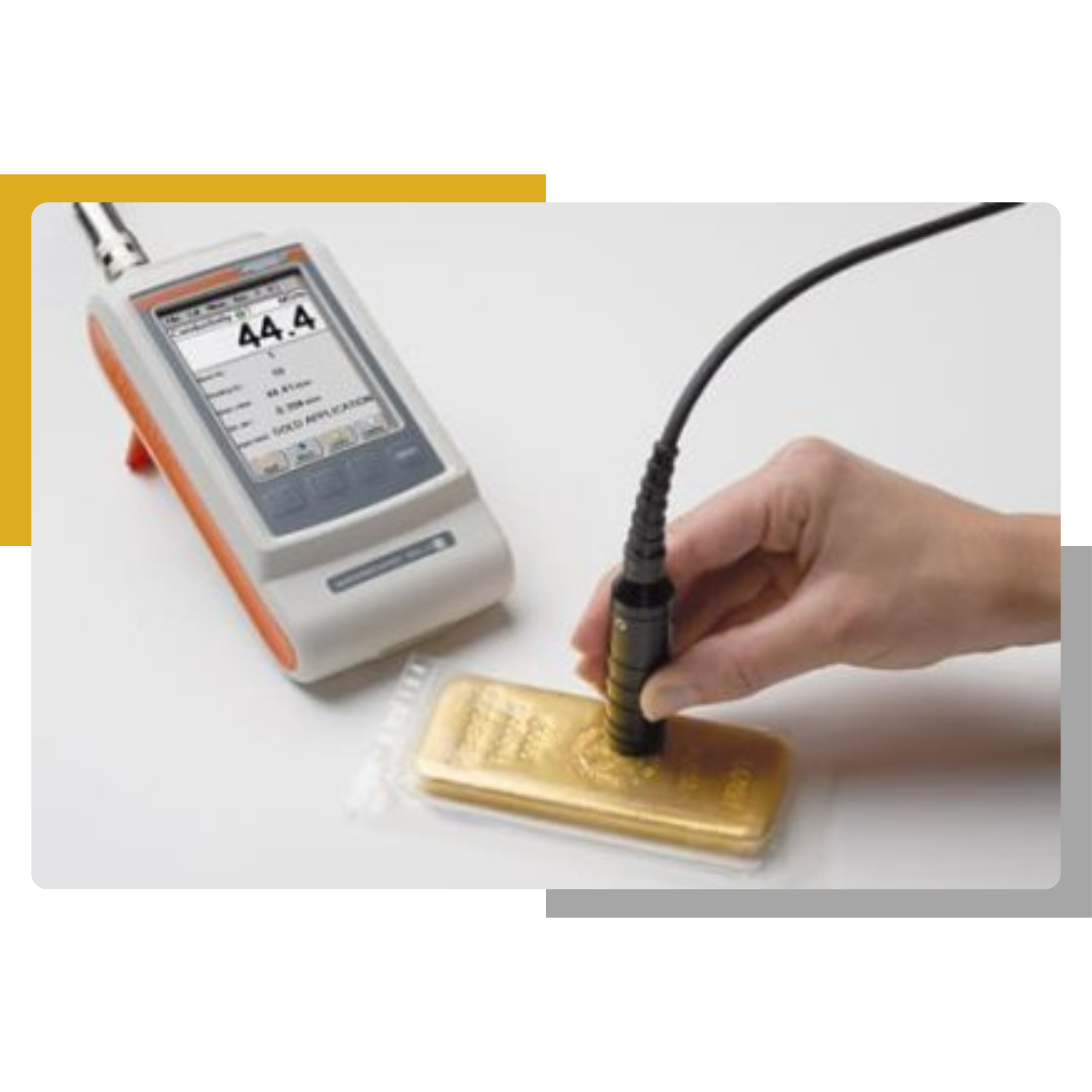
Have you ever wondered if the old electronics sitting in your drawer contain hidden treasures? Believe it or not, many electronic devices are rich in precious metals like palladium.
This often-overlooked metal not only adds value to your gadgets but can also be recycled for profit. Imagine turning your unused electronics into a source of income with just a little know-how. You’ll discover simple and effective ways to test your electronics for palladium right from the comfort of your home.
Unlock the secrets of your electronic treasures and learn how to make the most out of them. Ready to dive in? Let’s get started and unveil the hidden wealth lying in your hands!

Credit: www.amazon.ca
Why Test For Palladium
Testing for palladium in electronics helps reveal valuable materials hidden inside old gadgets. It saves money and supports recycling efforts. Knowing which parts contain palladium can guide smart reuse or resale. The process also reduces harmful waste by encouraging proper disposal. Learning why testing matters can motivate careful handling of electronic waste.
Common Uses Of Palladium In Electronics
- Thin plating on connectors and contacts
- Components in multilayer ceramic capacitors
- Parts of computer processors and memory chips
- Surface finish on circuit boards
- Elements in sensors and microelectronic devices
Benefits Of Identifying Palladium
- Allows recovery of valuable metals for resale
- Supports eco-friendly recycling and waste reduction
- Helps estimate the worth of old electronics
- Improves understanding of device composition
- Encourages responsible disposal of electronic waste
Essential Tools And Materials
Testing electronics for palladium at home needs specific tools and materials. These items help identify palladium safely and accurately. Preparing the right equipment ensures smooth testing and reliable results.
Gathering essential tools makes the process easier and more effective. It also reduces the chance of errors or damage to your electronics.
Basic Testing Kits
- Electronic testing kit with a digital multimeter
- Acid testing kit for precious metals
- Magnifying glass or jeweler’s loupe
- Small containers or test tubes for acid reactions
- Reference samples of known palladium alloys
- Ceramic or glass testing plates
- Protective gloves and tweezers for handling samples
Safety Equipment Needed
- Protective gloves to avoid skin contact
- Safety goggles to protect eyes from splashes
- Well-ventilated workspace or fume extractor
- Apron or lab coat to protect clothing
- Fire extinguisher nearby in case of emergencies
- First aid kit for minor injuries
Visual Inspection Techniques
Visual inspection is a simple way to test electronics for palladium at home. It helps identify parts that may contain this valuable metal. Careful observation can reveal clues about the presence of palladium without special tools. This technique saves time and guides further testing steps.
Identifying Palladium Components
Look closely at circuit boards and electronic parts. Palladium is often used in capacitors, connectors, and plating. These components usually have small size and shiny silver or gray surfaces.
- Check for small rectangular or cylindrical parts.
- Focus on connectors with metal contacts.
- Look for parts marked with codes or numbers.
- Note that palladium components often appear alongside gold or silver parts.
Knowing common palladium uses helps spot likely components fast.
Signs Of Palladium Plating
Palladium plating gives metal parts a bright and smooth finish. This plating resists corrosion and wear, so it looks clean and untarnished. Some signs to watch for:
- Shiny, silver-like surface on connectors or pins.
- Even, smooth coating without rust or rough patches.
- Areas near solder joints that remain bright over time.
- Color differences from surrounding base metal parts.
These visual hints guide users to parts that may contain palladium. Close inspection reveals subtle but clear signs.

Credit: crossroadoc.org
Chemical Testing Methods
Chemical testing methods offer a straightforward way to identify palladium in electronic components without needing expensive equipment. These tests rely on specific reactions between chemicals and palladium that produce visible changes. By understanding how to use these chemicals safely and effectively, you can detect palladium at home with surprising accuracy.
Using Acid Tests
Acid tests can reveal the presence of palladium by producing a distinct color change or residue when applied to an electronic part. Typically, you use a mixture of nitric acid and hydrochloric acid, known as aqua regia, which dissolves palladium and leaves a unique solution color.
Apply a small drop of the acid to a clean surface of the component. If palladium is present, you might notice a yellowish or brownish tint forming after a few minutes.
Remember, acids are dangerous. Always wear gloves and work in a well-ventilated area. Have a neutralizing agent like baking soda nearby to manage spills.
Applying Palladium Test Solutions
Palladium test solutions are specially formulated chemicals that react only with palladium. These solutions often contain specific reagents that cause a color change when palladium ions are present.
To use, dip a small brush or cotton swab into the test solution and gently rub it onto the surface of your electronic part. A purple or violet color usually indicates palladium.
These test solutions are convenient and less hazardous than acids. However, they might not work well if the palladium layer is very thin or covered by other metals.
Electronic Testing Approaches
Testing electronics for palladium involves simple tools and clear steps. These approaches help identify small amounts of palladium in electronic parts like connectors or circuit boards. Understanding these methods aids in safe and effective testing at home.
Multimeter Testing For Palladium
A multimeter measures electrical resistance, voltage, and current. Palladium has unique conductivity properties that show on a multimeter. Set the multimeter to measure resistance (ohms).
Touch the probes to the electronic component’s contact points. A low resistance reading often indicates the presence of palladium or similar metals. High resistance usually means no palladium is present.
This test is quick and does not damage the part. It works best on clean, exposed metal surfaces. Clean the area with rubbing alcohol before testing for accurate results.
Using Conductivity Tests
Conductivity tests measure how well electricity passes through a material. Palladium conducts electricity well, so these tests help detect it in electronics.
Use a conductivity meter or a simple circuit tester. Place the probes on the metal part and note the reading. Higher conductivity suggests palladium or other precious metals.
These tests are non-destructive and easy to perform. They provide a good estimate of metal content without complex equipment. Make sure the tested area is free of dirt or corrosion.
Interpreting Test Results
Interpreting test results is key to knowing if your electronic parts contain palladium. The test shows changes that help you decide the metal’s presence and quality. Understanding what happens during the test avoids mistakes and saves time.
Look closely at the changes and numbers shown by your test tools. They give clues about the metal’s amount and purity. Clear interpretation helps you act wisely with your electronics.
Color Changes And Reactions
Color changes tell a lot about palladium in your sample. Some tests use chemicals that react with palladium, changing color quickly.
- A light pink or purple color often means palladium is present.
- Yellow or green colors usually show no palladium or other metals.
- Sometimes, bubbles or fizzing occur, which signals a chemical reaction.
Watch the color carefully. Note how fast it changes and the shade. These details help you confirm the metal’s presence.
Understanding Measurement Readings
Many home tests use meters that give numbers or readings. These numbers reflect the metal’s presence and level.
- Higher readings usually mean more palladium.
- Low or zero readings suggest little or no palladium.
- Compare the readings to the test guide or chart for clarity.
Keep your meter steady and clean for accurate readings. Repeat tests if readings vary. This ensures trust in your results.
Common Mistakes To Avoid
Testing electronics for palladium at home requires care. Avoiding common mistakes saves time and prevents damage. Mistakes can cause wrong results or harm your health. Knowing what to watch for helps you test safely and correctly.
Misidentifying Metals
Many metals look alike, especially in electronics parts. Mistaking other metals for palladium leads to false results. Use a reliable test kit designed for palladium detection. Do not rely on color or weight alone. Check each component carefully before testing. Remember, some metals react similarly to test chemicals.
Handling Chemicals Safely
Chemicals used in testing can be harmful. Always wear gloves and eye protection. Work in a well-ventilated area to avoid breathing fumes. Store chemicals out of reach of children and pets. Follow instructions on test kits strictly. Never mix chemicals unless the instructions say so. Clean spills immediately with water and dispose of waste properly.
Tips For Accurate Testing
Testing electronics for palladium at home requires more than just the right tools—it demands precision and care. Accurate results depend heavily on how you prepare your samples and maintain your testing equipment. Small mistakes in these areas can lead to misleading outcomes, costing you time and resources.
Preparing The Sample Properly
Start by cleaning the electronic component thoroughly. Dust, grease, or oxidation on the surface can interfere with your test results. Use isopropyl alcohol and a soft brush to remove any contaminants gently.
Cut a small, representative piece of the component for testing instead of the entire part. This helps avoid damage to your device and ensures the test focuses on the relevant material. Be sure the sample size fits your testing method’s requirements to avoid inaccuracies.
Consider the possibility of mixed metals in electronics. If your sample contains layers or coatings, carefully separate or identify these layers to avoid false positives. Have you checked whether your test method reacts differently to alloys or pure metals?
Maintaining Testing Equipment
Regular calibration of your testing device is crucial. Over time, sensors and probes can drift from their original settings, leading to incorrect readings. Set a schedule to calibrate your equipment before each testing session.
Keep your tools clean and free from residues that might affect sensitivity. After each use, wipe down probes and surfaces with a suitable cleaner to prevent buildup. This simple habit can dramatically improve consistency in your results.
Store your equipment in a dry, dust-free environment. Exposure to moisture or dirt can degrade components and reduce accuracy. Have you noticed any fluctuations in your readings after storage? This might be a sign to improve your equipment care.
Credit: ledouxandcompany.com
Frequently Asked Questions
How Can I Identify Palladium In Electronics At Home?
You can test palladium by using a chemical test kit or acid test. Look for markings on electronic components, then apply the test solution carefully to confirm palladium presence.
What Tools Are Needed To Test Electronics For Palladium?
Essential tools include a chemical test kit, acid solution, protective gloves, magnifying glass, and a small brush. These help safely identify palladium in electronic parts.
Is It Safe To Test Electronics For Palladium At Home?
Yes, if you follow safety guidelines. Use gloves, work in a ventilated area, and handle chemicals carefully to avoid health risks while testing electronics.
Which Electronic Parts Commonly Contain Palladium?
Palladium is often found in multilayer ceramic capacitors, connectors, and plating on circuit boards. Identifying these parts can help target your testing efforts.
Conclusion
Testing electronics for palladium at home is simple with the right steps. Use basic tools and follow safety rules carefully. Small tests can show if palladium is present. This knowledge helps recycle valuable materials and save money. Practice these methods slowly and stay patient.
Soon, you will feel more confident doing tests yourself. Keep learning and trying to improve your skills. This way, testing electronics for palladium becomes easy and useful.
Leave a Reply