Are you curious about how nursing homes keep track of residents’ health? Imagine a device that can quickly and accurately measure blood pressure with just a simple push of a button.
This isn’t science fiction—it’s happening right now in many nursing homes. You might wonder why this matters to you or your loved ones. Understanding the tools used in healthcare facilities can give you peace of mind and ensure that your family members receive the best care possible.
We’ll uncover whether electronic blood pressure readers are used in nursing homes and what this means for the quality of care. Stay tuned to discover how these devices could impact the health and well-being of those you care about.
Blood Pressure Monitoring In Nursing Homes
Blood pressure monitoring plays a crucial role in nursing homes, where residents often require close health supervision. Maintaining accurate and timely blood pressure readings can help prevent complications and adjust treatments effectively. Understanding how these facilities monitor blood pressure reveals the balance between tradition and technology in caregiving.
Traditional Methods Vs Electronic Devices
Traditional blood pressure measurement uses a manual sphygmomanometer and a stethoscope. Nurses inflate the cuff and listen for pulse sounds to determine systolic and diastolic pressure. This method demands skill and experience to get reliable results, especially with elderly patients who may have irregular pulses.
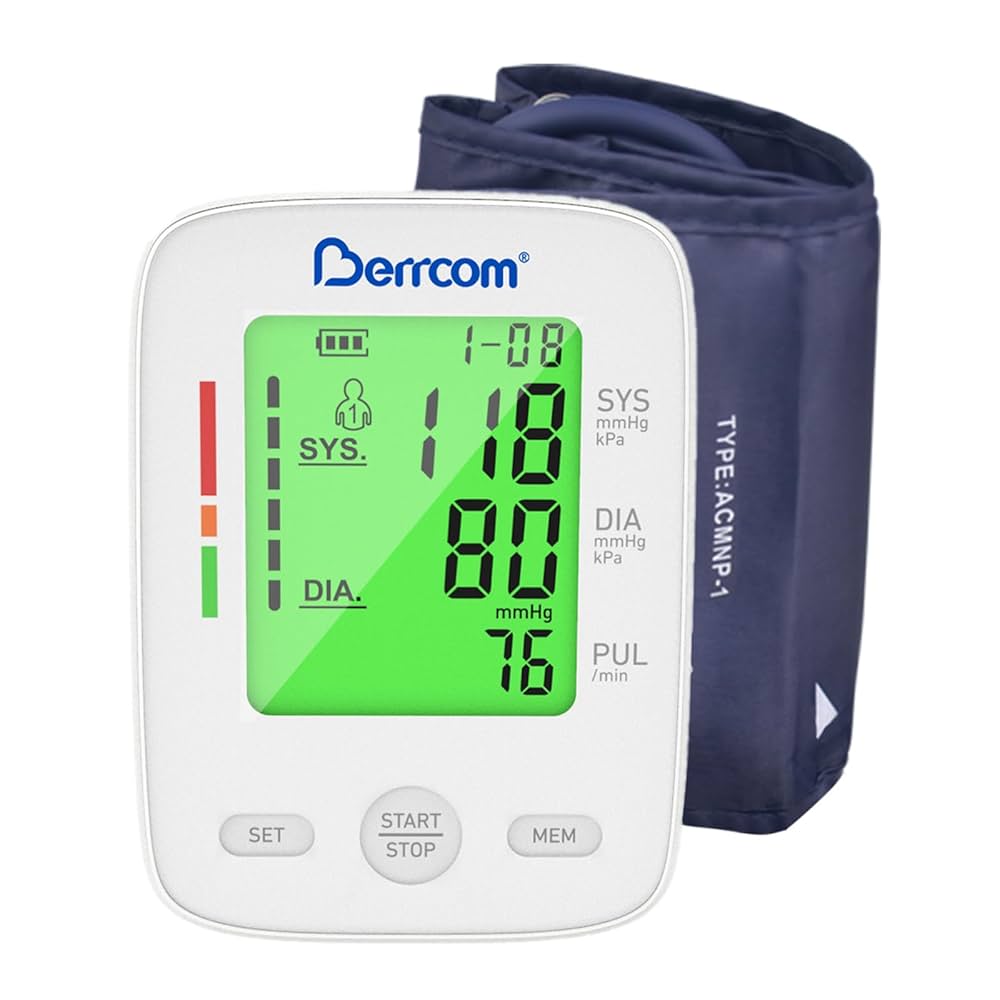
Electronic blood pressure readers have become common in many nursing homes. These devices automatically inflate the cuff and display readings digitally. They reduce the chance of human error and speed up the process, allowing caregivers to monitor more residents efficiently.
However, some staff prefer manual devices for their accuracy in certain cases. Electronic monitors might sometimes give false readings if the patient moves or if the cuff isn’t placed correctly. So, many nursing homes use a mix of both methods depending on the situation.
Frequency And Importance Of Monitoring
How often do nursing homes check blood pressure? It varies based on each resident’s health condition. Some might need monitoring multiple times a day, while others require it only during routine checkups.
Regular monitoring helps detect sudden changes that could signal health issues like hypertension or heart problems. It also guides medication adjustments, ensuring residents receive the right care at the right time.
Imagine a resident who feels dizzy but doesn’t report it immediately. Frequent blood pressure checks can catch the problem early, preventing falls or strokes. This proactive approach is vital in nursing homes, where residents may not always communicate symptoms clearly.

Credit: weony-sz.com
Adoption Of Electronic Blood Pressure Readers
Nursing homes are increasingly adopting electronic blood pressure readers. These devices help staff monitor residents’ health quickly and accurately. Using electronic readers reduces errors linked to manual readings. It also saves time, allowing more focus on care. As technology advances, many nursing homes trust electronic devices for daily health checks.
Types Of Electronic Devices Used
- Digital arm cuff monitors are the most common choice.
- Wrist blood pressure monitors offer portability and ease of use.
- Automated kiosks allow residents to check their own blood pressure.
- Bluetooth-enabled devices transmit data directly to health records.
Each device type fits different needs and settings within nursing homes. Staff select devices based on accuracy, ease, and resident comfort.
Factors Driving Adoption
- Accuracy is key to proper care and medication management.
- Speed of measurements helps staff manage time efficiently.
- Ease of use reduces training time for nursing home staff.
- Integration with digital records supports better health tracking.
- Lower risk of cross-contamination with disposable cuffs.
Nursing homes prioritize tools that improve resident safety and staff efficiency. Electronic blood pressure readers meet these goals well.
Benefits Of Electronic Blood Pressure Readers
Electronic blood pressure readers offer many benefits in nursing homes. They help staff measure blood pressure quickly and reliably. These devices improve care for residents by providing accurate health data. Their design supports both the staff and the residents in daily health monitoring tasks.
Accuracy And Consistency
Electronic devices reduce human errors in readings. They use digital sensors to give precise results. Consistent measurements help track health changes over time. This accuracy supports better medical decisions and treatments.
Ease Of Use For Staff And Residents
These devices are simple to operate. Staff can easily use them without special training. Residents feel comfortable with the non-invasive method. Quick readings save time and reduce stress during checks.
Data Storage And Tracking
Many electronic readers store readings automatically. This feature helps in keeping detailed health records. Staff can track trends and spot potential problems early. Digital data sharing improves communication with healthcare providers.

Credit: www.amazon.ca
Challenges And Limitations
Electronic blood pressure readers in nursing homes offer convenience and efficiency, but they come with their own set of challenges. These devices need careful handling to ensure accurate readings and smooth operation. Understanding these limitations can help you better evaluate their role in elderly care.
Device Calibration And Maintenance
Electronic blood pressure readers require regular calibration to stay accurate. Without routine checks, readings can drift, leading to incorrect health assessments. Imagine relying on a device that gives inconsistent results—it could cause unnecessary worry or missed warning signs.
Maintenance also involves cleaning and replacing parts like cuffs and batteries. Neglecting these tasks reduces device lifespan and accuracy. Nursing homes must have protocols to keep devices in top shape, but resource constraints can make this difficult.
Training Requirements
Staff need proper training to use electronic blood pressure readers correctly. Using the device improperly—such as placing the cuff incorrectly or not following measurement protocols—can skew results. Have you ever had your blood pressure taken and wondered why the numbers changed so much?
Training must cover device operation, troubleshooting, and interpreting results. This ongoing education takes time and effort, especially with frequent staff turnover. Without it, even the best devices can become unreliable tools.
Cost Considerations
Electronic blood pressure readers come with upfront costs that may strain nursing home budgets. High-quality devices with advanced features are often expensive. Smaller or underfunded facilities might struggle to afford enough units for all residents.
Beyond purchase price, ongoing expenses include maintenance, calibration, and staff training. These hidden costs add up and impact decision-making. Could investing in technology mean cutting back on other essential services?
Regulations And Standards
Nursing homes must follow strict regulations and standards when using electronic blood pressure readers. These rules ensure that devices are accurate and safe, protecting residents’ health. Understanding these requirements helps you trust the care your loved ones receive.
Compliance With Healthcare Guidelines
Electronic blood pressure readers in nursing homes need to meet specific healthcare guidelines. These guidelines cover device accuracy, calibration, and proper usage by staff. For example, devices often must be approved by regulatory bodies like the FDA or meet standards set by organizations such as the American Heart Association.
Staff training is also mandatory to ensure readings are taken correctly. Incorrect use could lead to inaccurate results, affecting treatment decisions. Have you ever wondered how often these devices are checked for accuracy in nursing homes?
Privacy And Data Security
Collecting blood pressure data electronically raises questions about privacy and data security. Nursing homes must protect residents’ health information following laws like HIPAA. This means data is encrypted and only accessible to authorized personnel.
Using secure networks and regular system audits help prevent data breaches. You might not realize how vulnerable electronic health records can be without these safeguards. Are you confident that your loved one’s health data is kept safe?
Future Trends In Blood Pressure Monitoring
Blood pressure monitoring in nursing homes is evolving rapidly. New technology makes tracking health easier and more accurate. This progress helps staff respond faster to changes in patients’ conditions. Future trends focus on better tools and smarter systems.
Integration With Telehealth
Telehealth connects patients and doctors using technology. Nursing homes use electronic blood pressure readers that send data directly to healthcare providers. This allows doctors to monitor patients remotely and give advice quickly. It reduces the need for frequent hospital visits. Patients get faster care and feel safer.
Staff can track blood pressure trends over time. Alerts notify them if numbers go too high or low. This system supports better care decisions and prevents emergencies.
Advancements In Wearable Technology
Wearable devices are changing blood pressure monitoring. Tiny sensors in wristbands or patches measure blood pressure continuously. These devices are comfortable and easy to wear all day. They provide real-time data without interrupting daily activities.
Wearables help nursing homes keep constant watch on patients’ health. They catch irregular patterns early. This helps prevent serious health problems before they start. The technology is becoming more affordable and user-friendly for elderly patients.

Credit: ca.style.yahoo.com
Frequently Asked Questions
Do Nursing Homes Prefer Electronic Blood Pressure Readers?
Yes, nursing homes often use electronic blood pressure readers. They provide quick, accurate, and easy-to-read measurements. This helps staff monitor residents efficiently and reduces human error compared to manual devices.
Are Electronic Blood Pressure Readers Reliable In Nursing Homes?
Electronic blood pressure readers are generally reliable when used correctly. Regular calibration and staff training ensure accurate readings. They help maintain consistent monitoring, essential for elderly care in nursing homes.
How Do Electronic Blood Pressure Readers Benefit Nursing Home Staff?
These devices save time and simplify blood pressure checks. They reduce manual errors and provide digital records for better tracking. This improves care quality and allows staff to focus more on resident needs.
Can Electronic Blood Pressure Readers Detect Health Issues Early?
Yes, regular use of electronic readers helps detect blood pressure changes early. Timely detection allows prompt medical intervention, preventing complications and improving residents’ overall health management.
Conclusion
Nursing homes use electronic blood pressure readers to help monitor residents’ health. These devices provide quick and easy readings. Staff can track blood pressure without causing discomfort. This helps catch problems early and keeps residents safe. Electronic readers also save time for caregivers.
They support better care in busy nursing home settings. Overall, these tools play an important role in daily health checks. Simple, reliable, and efficient—just what nursing homes need.
Leave a Reply