Have you ever wondered what to do with that old smartphone or outdated laptop gathering dust at home? Electronic waste can pile up quickly, and simply tossing it in the trash isn’t an option.
Not only is it harmful to the environment, but you could also miss out on opportunities to recycle and even profit from your unwanted gadgets. Imagine turning your clutter into something valuable or environmentally beneficial. In this guide, you’ll discover where to recycle your home electronics effectively and responsibly.
You’ll learn about places that ensure your e-waste is handled safely, giving you peace of mind while contributing to a cleaner planet. Ready to make a positive impact and declutter your space? Let’s dive in.
Credit: www.ptbocounty.ca
Why Recycle Electronics
Recycling electronics is important for many reasons. Old devices contain valuable materials and harmful substances. Throwing them away can hurt the environment and human health. Recycling helps keep our planet clean and saves resources. It also protects people from dangerous chemicals found in electronics.
Environmental Impact
Electronics often contain toxic materials like lead and mercury. These can leak into soil and water if thrown in trash. This pollution harms animals and plants. Recycling keeps these toxins out of nature. It reduces waste in landfills and lowers pollution levels.
Health And Safety Benefits
Improper disposal of electronics can cause health problems. Chemicals from devices can contaminate air and water. People near waste sites may suffer from illnesses. Recycling safely removes harmful substances. It protects workers and communities from exposure.
Resource Conservation
Electronics have metals like gold, silver, and copper. Mining these metals uses energy and harms nature. Recycling recovers these materials for reuse. This lowers the need to mine new metals. It saves energy and reduces environmental damage.
Credit: greencitizen.com
Types Of Electronics To Recycle
Knowing which types of electronics you can recycle helps you make better choices for your home and the environment. Electronics come in many shapes and sizes, and each requires different handling when it’s time to dispose of them. Understanding these categories lets you sort your items correctly and find the right recycling options.
Small Devices
Small devices include items like smartphones, tablets, digital cameras, and remote controls. These gadgets often contain valuable metals and components that can be reused. If you’ve ever held an old phone and wondered if it could still help the planet, recycling it properly gives those materials a second life.
Many local stores and electronic shops offer drop-off bins specifically for small devices. You can also look for community e-waste drives that accept these items.
Large Appliances
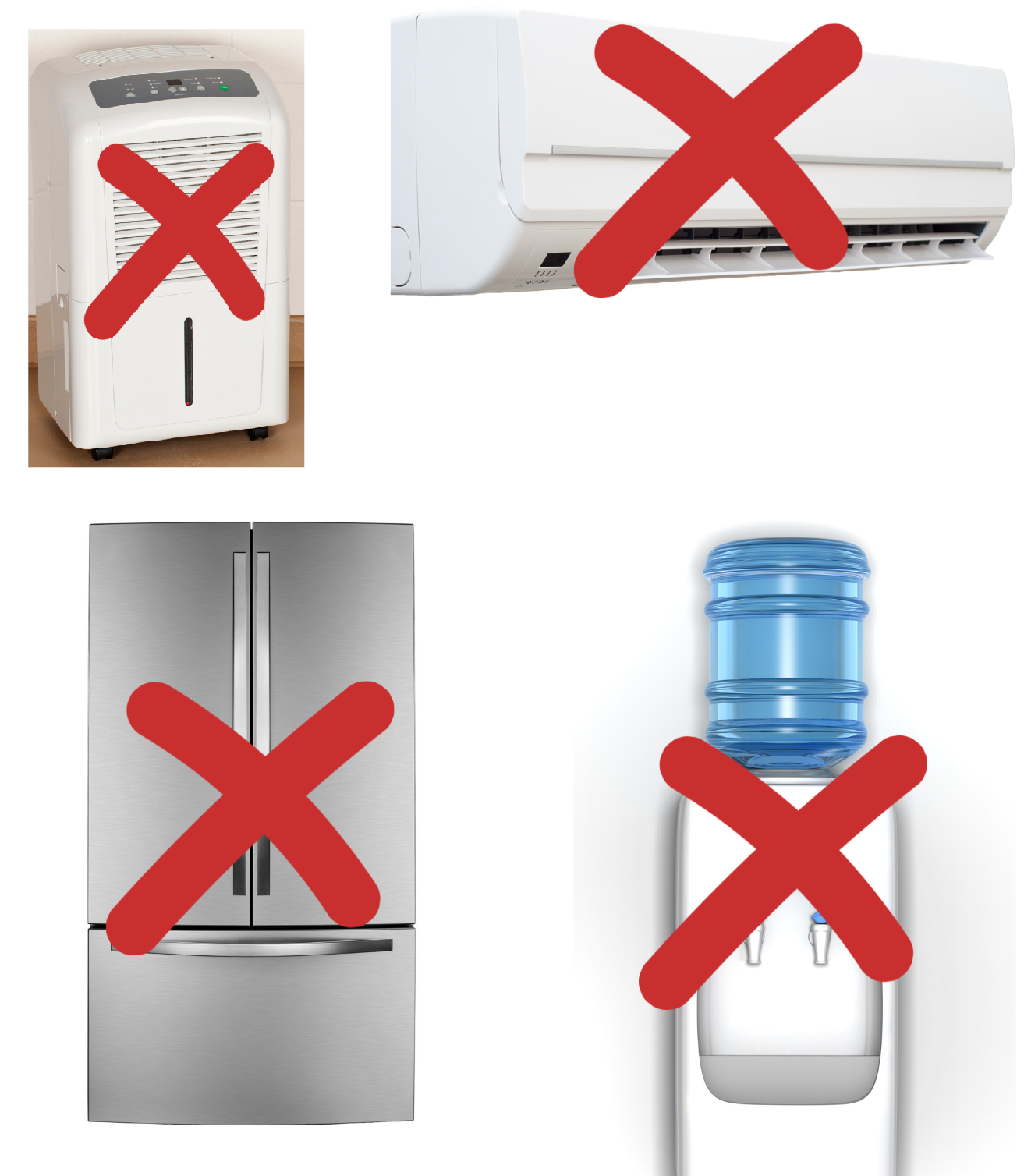
Large appliances cover refrigerators, washing machines, ovens, and air conditioners. These items often have parts that need special treatment due to chemicals or heavy metals. You can’t just toss them in the trash; they require professional recycling services.
Check with your local waste management or appliance stores—they often provide pickup or drop-off services for these bulky items. Some manufacturers even offer take-back programs when you buy a new appliance.
Batteries And Accessories
Batteries, chargers, and cables are often overlooked but crucial to recycle properly. Batteries contain chemicals that can harm the environment if not handled correctly. Accessories like chargers and cords can also be reused or recycled to reduce waste.
Many retailers and recycling centers have special collection points for batteries and electronic accessories. Have you ever thought about how many spare cables are sitting unused in your drawer? Recycling these helps reduce clutter and pollution.
Local Recycling Centers
Local recycling centers play a crucial role in managing electronic waste responsibly. These centers provide a convenient way for you to dispose of old gadgets without harming the environment. Knowing how to use them effectively can make a big difference in your recycling efforts.
Finding Nearby Locations
Start by checking your city or county’s official website; most have a dedicated page for recycling services. You can also use online tools like Earth911 or call local waste management offices to get accurate addresses. Visiting a nearby center saves you time and encourages regular recycling habits.
Accepted Items
Local centers typically accept a wide range of electronics, including computers, phones, printers, and small appliances. However, some items like large appliances or hazardous materials might require special handling. Always verify the list of accepted items before you go to avoid surprises and extra trips.
Drop-off Procedures
Many recycling centers have specific drop-off guidelines such as designated bins or scheduled hours for electronic waste. You might need to remove batteries or personal data from devices before dropping them off. Asking about these procedures ahead ensures a smooth and quick recycling experience.

Credit: www.engadget.com
Retail Store Programs
Retail stores offer convenient options for recycling old electronics. These programs help keep harmful materials out of landfills. Many stores accept a wide range of devices, making it easy to recycle responsibly.
Major Retailers Offering Recycling
Several major retailers run electronics recycling programs. Stores like Best Buy, Staples, and Home Depot accept various gadgets. They often recycle items like phones, laptops, and TVs. Some even accept small household electronics and cables.
Trade-in And Take-back Options
Trade-in programs let customers exchange old devices for store credit. This option encourages recycling and saves money on new purchases. Take-back programs accept devices without requiring a purchase. Both options promote eco-friendly disposal of electronics.
Store Policies And Limits
Each store has specific rules for recycling. Limits on the number or type of items may apply. Some programs require devices to be free of accessories or batteries. Check local store guidelines to ensure proper recycling.
Mail-in Recycling Services
Mail-in recycling services offer a simple way to dispose of your old electronics without leaving home. These programs let you send your devices through the mail to certified recyclers who handle them responsibly. This option is especially useful if you lack local drop-off points or want a hassle-free method to recycle.
How Mail-in Programs Work
You start by visiting the recycler’s website and selecting the type of electronics you want to recycle. Many sites provide a prepaid shipping label for you to print. After packaging your items securely, you drop the package at a post office or courier pickup.
Once received, the recycler processes your electronics, safely extracting valuable materials and disposing of hazardous components. Some programs even offer tracking, so you know your device reached its destination. Have you ever wondered what happens to your gadgets after you send them away?
Popular Service Providers
- EcoATM Gazelle– Offers prepaid mail-in kits for smartphones, tablets, and laptops. They also provide instant cash for devices in good condition.
- Call2Recycle– Focuses on batteries and small electronics, providing free shipping labels for consumers.
- Best Buy Mail-In Recycling– Accepts a wide range of electronics with free shipping for specific items.
- Earth911– Connects users to certified mail-in recyclers tailored to their location and device type.
Cost And Convenience
Many mail-in services offer free shipping labels, making the process affordable or even free. However, some specialized electronics might incur a small fee due to handling costs. It’s a good idea to check the service terms before sending your items.
This approach saves you time and effort compared to driving to physical recycling centers. Plus, you avoid the stress of finding the right place and waiting in line. Would you prefer spending a few minutes online over a trip across town?
Community Events And Drives
Community events and drives offer a simple way to recycle home electronics safely. These gatherings bring people together to dispose of old devices responsibly. They help keep harmful materials out of landfills. Many communities organize regular events for electronic waste collection. These events are easy to access and often free of charge.
Scheduled Collection Days
Many towns hold scheduled collection days for electronic recycling. These days occur monthly or quarterly at set locations. Residents can drop off items like phones, computers, and TVs. Check local community boards or websites for dates and places. Early arrival is best to avoid long lines. These events create a routine for proper e-waste disposal.
Partner Organizations
Community drives often partner with local groups or businesses. Nonprofits, schools, and recycling companies join efforts for better results. These partners provide bins, trucks, and staff to help. Some offer educational materials about e-waste hazards. Partnering boosts trust and encourages more people to participate. It also ensures the collected electronics are recycled correctly.
Benefits Of Local Participation
- Protects the environment from toxic waste pollution
- Supports community recycling goals and sustainability
- Creates awareness about responsible electronic disposal
- Provides a chance to declutter safely and easily
- Fosters community spirit through shared green efforts
Joining local drives shows care for your neighborhood. It makes recycling convenient and helps keep your town clean. Community events are a practical way to reduce e-waste impact.
Preparing Electronics For Recycling
Preparing your home electronics before recycling helps protect your data and makes recycling easier. It also ensures recyclers handle your items safely and correctly. Taking a few simple steps can improve the process and protect your privacy.
Data Security Steps
Remove all personal information from devices. Back up important files to a secure location. Use factory reset options to erase data on phones and tablets. For computers, delete files and wipe the hard drive if possible. This prevents identity theft and keeps your data safe.
Removing Batteries
Batteries can be hazardous if not handled right. Take out all batteries from electronics before recycling. Use gloves if needed and avoid damaging the batteries. Separate rechargeable batteries like lithium-ion from single-use ones. Many recycling centers accept batteries separately for safe disposal.
Cleaning And Sorting
Clean devices by wiping dust and dirt off the surfaces. Remove cords, chargers, and accessories. Sort electronics by type, such as phones, computers, or small appliances. Sorting helps recyclers process items faster and recycle more efficiently.
Eco-friendly Disposal Alternatives
Eco-friendly disposal alternatives help reduce electronic waste’s impact on the environment. Choosing these options keeps harmful materials out of landfills. It also supports a circular economy by extending the life of electronics. These alternatives are simple and often cost-effective.
Donating Usable Electronics
Many organizations accept working electronics for reuse. Donating gives devices a second life. Schools, charities, and community centers often need computers, tablets, and phones. Donating helps people who cannot afford new gadgets. It also prevents devices from being thrown away prematurely.
Repair And Reuse Options
Repairing electronics extends their usability. Small fixes like replacing batteries or screens can make a big difference. Local repair shops or online guides offer help. Reusing devices reduces demand for new products. This lowers resource extraction and manufacturing pollution.
Upcycling Ideas
Upcycling transforms old electronics into new items. Creative projects can turn parts into art or useful tools. For example, circuit boards can become decorative pieces. Speakers can be repurposed into Bluetooth devices. Upcycling keeps materials in use and sparks creativity.
Frequently Asked Questions
Where Can I Recycle Old Home Electronics Locally?
You can recycle old electronics at local e-waste centers, municipal recycling events, or authorized retail stores. Check your city’s website for nearby options. Many stores like Best Buy also offer free recycling for small electronics and batteries. Always ensure the facility follows safe disposal practices.
What Items Are Accepted In Electronic Recycling Programs?
Most programs accept TVs, computers, printers, phones, and small appliances. However, some may exclude large appliances or hazardous materials like batteries. Confirm accepted items before recycling. Proper sorting helps prevent environmental harm and ensures materials are reused or safely processed.
Are There Any Costs For Recycling Home Electronics?
Many electronic recycling programs are free, especially those run by municipalities or retailers. However, some services may charge for large items or specific electronics. Always check with the recycling center beforehand. Free programs encourage responsible disposal and reduce landfill waste.
How Do I Prepare Electronics For Recycling?
Remove personal data and back up important files before recycling devices. Erase all data or perform a factory reset. Remove batteries if possible and separate accessories. Proper preparation protects your privacy and ensures recycling is efficient.
Conclusion
Recycling home electronics helps protect the environment and saves resources. Many places accept old devices, such as stores, community centers, and special recycling events. Always check local rules before dropping off items. Proper recycling keeps harmful materials out of landfills.
It also allows valuable parts to be reused. Taking a little time to recycle makes a big difference. Keep your home safe and clean by recycling old electronics today. Small steps can lead to a healthier planet for everyone.
Leave a Reply