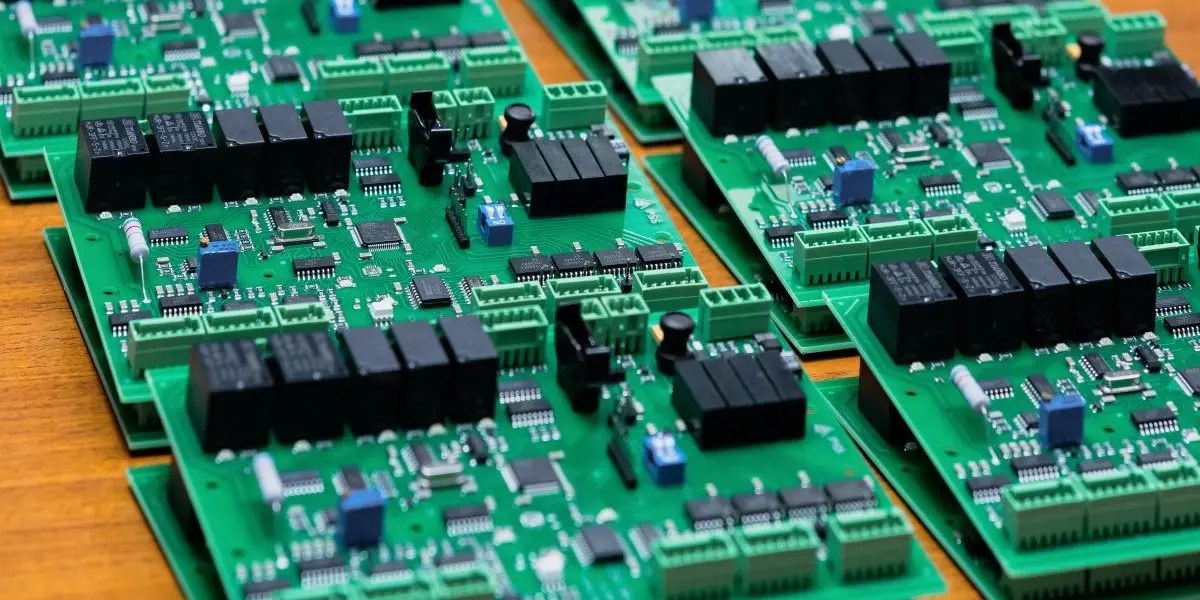
Have you ever wondered what makes your favorite gadgets work so seamlessly? At the heart of every electronic device lies a crucial element—a component in an electronic assembly.
Understanding this tiny but powerful part can change how you see technology around you. You’ll discover what these components are, why they matter, and how they fit together to bring your devices to life. Keep reading, and you’ll unlock the secrets behind the electronics you use every day.
Role Of Components In Electronic Assemblies
A component in an electronic assembly connects and controls the flow of electricity. It helps devices work by performing specific tasks. Each part plays a vital role in the overall function and reliability of the assembly.
The role of components in electronic assemblies is pivotal. Each component serves as a building block, contributing to the functionality and reliability of electronic devices. Imagine trying to bake a cake without key ingredients. Similarly, without the right components, an electronic assembly is incomplete, unable to perform its intended tasks.Basic Functions
Components in electronic assemblies carry out essential functions. They manage the flow of electricity, store energy, or process signals. Each piece, whether simple or complex, has a specific purpose. Think of a resistor limiting current flow to protect sensitive components. Or a capacitor storing and releasing energy to maintain power supply stability. Understanding these functions helps in troubleshooting and optimizing performance.Types Of Components
There is a diverse range of components used in electronic assemblies. Each type serves distinct roles, from passive to active components.- Passive Components:These include resistors, capacitors, and inductors. They do not require an external power source to operate. Their primary function is to control voltage and current in the circuit.
- Active Components:Examples are transistors and diodes. They need an external power source to function. Active components can amplify signals or switch current flow.
- Electromechanical Components:Think of switches and relays. They create a physical movement or change in response to an electrical input. Essential for controlling and routing electrical signals.
Credit: aiut.com
Common Components In Assemblies
Electronic assemblies consist of various components working together to perform specific tasks. Each component plays a distinct role in the circuit’s function. Understanding common components helps in grasping how electronic devices operate.
These components often appear in most assemblies, regardless of complexity. They include basic passive elements and more advanced active parts. Their proper integration ensures the device’s reliability and performance.
Resistors And Capacitors
Resistors control the flow of electric current by providing resistance. They protect sensitive parts and set voltage levels. Capacitors store and release electrical energy quickly. They stabilize power supply and filter signals. Both are essential for managing electrical behavior in circuits.
Semiconductors
Semiconductors include diodes, transistors, and integrated circuits. Diodes allow current to flow in one direction only. Transistors amplify signals or act as switches. Integrated circuits combine many components on a small chip. These parts enable complex processing and control.
Connectors And Switches
Connectors join different parts of an assembly, enabling easy connection and disconnection. They ensure stable electrical contact and signal transfer. Switches control the flow of electricity by opening or closing circuits. They allow users to turn devices on or off or change modes.
Selection Criteria For Components
Selecting the right component for an electronic assembly is crucial. The choice impacts the product’s performance, reliability, and cost. Several factors guide the selection process. These factors ensure the component meets the project’s technical and practical needs.
Electrical Specifications
Electrical specifications define how a component behaves in a circuit. Key parameters include voltage rating, current capacity, and power dissipation. Components must handle the expected electrical load without failure.
Other specs such as tolerance and frequency response affect accuracy and stability. Checking datasheets helps confirm compatibility with the design. Ignoring these specs can lead to malfunction or damage.
Environmental Considerations
Electronic parts face different environments during use. Temperature range, humidity, and vibration resistance matter. Components must endure these conditions without losing function.
For outdoor or industrial use, parts need protection from dust and moisture. Choosing components with suitable environmental ratings improves device lifespan. This reduces maintenance and failure risks.
Cost And Availability
Budget limits often influence component choice. Comparing costs helps maintain project affordability. However, the cheapest option may lack quality or reliability.
Availability also plays a role. Components with long lead times or limited stock can delay production. Selecting parts that are easy to source ensures smoother assembly and delivery.

Credit: www.anzer-usa.com
Component Integration Techniques
Component integration techniques are vital in electronic assembly. They determine how parts connect to the circuit board. Proper integration ensures device reliability and performance. Two common methods are Surface Mount Technology and Through-Hole Mounting. Each has unique features and uses.
Surface Mount Technology
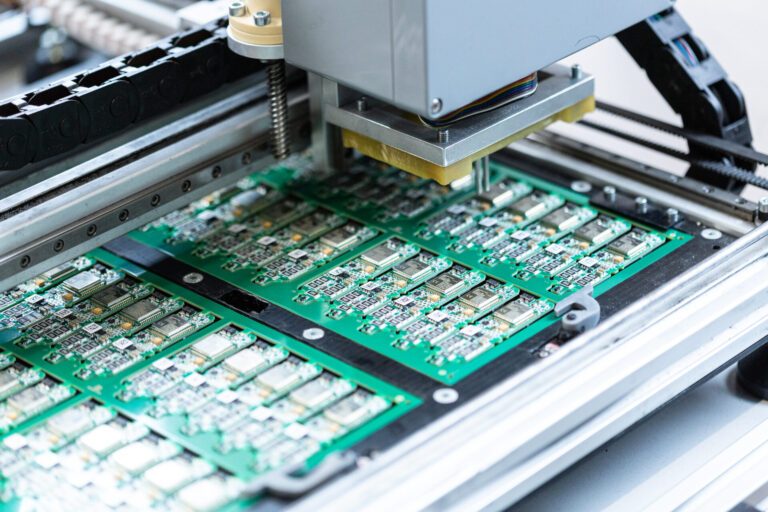
Surface Mount Technology (SMT) places components directly on the board’s surface. This method uses tiny parts with flat contacts. Machines position parts accurately on solder pads.
SMT offers several advantages:
- Smaller components save space.
- Faster assembly speeds up production.
- Better electrical performance with shorter connections.
- Lower manufacturing costs due to automation.
SMT suits high-density boards and modern electronics. It supports automated soldering, reducing errors. However, some large or heavy parts may not fit well with SMT.
Through-hole Mounting
Through-Hole Mounting inserts component leads into holes on the board. The leads are soldered on the opposite side for a strong bond.
This technique provides:
- Robust mechanical strength for heavy parts.
- Good for connectors and switches.
- Easier manual assembly and prototyping.
- Reliable for harsh environments.
Through-Hole is common in industrial and aerospace electronics. It takes more space and time compared to SMT. The choice depends on the product design and function.
Testing And Quality Control
Testing and quality control are vital in ensuring that every component in an electronic assembly functions correctly and lasts as expected. Without rigorous checks, faulty parts can slip through, leading to costly failures and damage to your reputation. Understanding the key techniques behind inspection and reliability testing will help you maintain high standards and confidence in your electronic assemblies.
Inspection Methods
Visual inspection remains one of the simplest yet most effective ways to catch obvious defects like soldering issues or component misalignment. However, more detailed methods like X-ray inspection can reveal hidden problems such as internal cracks or voids within solder joints.
Automated Optical Inspection (AOI) systems speed up the process by scanning boards with cameras and software. This reduces human error and increases consistency. Have you ever noticed a tiny fault that manual checks missed but AOI flagged? That’s the kind of precision you want in your quality control.
- Visual inspection:Quick and inexpensive, ideal for early-stage detection.
- X-ray inspection:Finds hidden defects inside components or solder joints.
- Automated Optical Inspection (AOI):Uses cameras and software for fast, repeatable checks.
Reliability Testing
Reliability testing measures how well components perform under stress and over time. This can include thermal cycling, vibration tests, and humidity exposure. Such tests simulate real-world conditions, helping you predict component lifespan and avoid unexpected failures.
For example, running a component through temperature extremes might expose weaknesses not visible during initial inspections. If you want your electronics to survive harsh environments, reliability testing is non-negotiable. It’s a proactive approach that saves time and money in the long run.
- Thermal cycling:Tests resistance to temperature changes.
- Vibration testing:Ensures mechanical stability during movement.
- Humidity testing:Checks resistance to moisture-related damage.
Have you considered how your components behave after months or years in use? Reliability tests provide those crucial answers before your product reaches the customer.

Credit: www.raypcb.com
Trends In Component Development
Component development in electronic assemblies is evolving fast, shaping how devices perform and fit into our daily lives. Keeping up with these changes can help you make smarter choices in design and troubleshooting. Let’s look at some key trends that are reshaping components.
Miniaturization
Components are getting smaller but more powerful. This trend allows you to design compact devices without sacrificing functionality.
Smaller size means less space taken on circuit boards, which can lead to lighter and more portable electronics. Have you noticed how your smartphone keeps getting thinner yet more capable?
Miniaturization also demands precision in manufacturing. Even a tiny mistake can cause a component to fail, so quality control becomes critical. Are you ready to invest in the tools and skills needed for this precision?
Smart Components
Smart components come with built-in intelligence, enabling devices to adapt and communicate. They can monitor their own performance and report issues before a failure occurs.
This self-awareness improves reliability and reduces maintenance costs. Imagine a sensor that tells you it’s about to fail—how much downtime could you avoid?
Integrating smart components requires compatible software and hardware. This shift challenges you to think beyond just hardware design and consider system-wide integration.
Frequently Asked Questions
What Is A Component In Electronic Assembly?
A component is a basic electronic part used in assemblies. It includes resistors, capacitors, transistors, and ICs. Components connect on a circuit board to perform specific functions.
How Do Components Affect Electronic Assembly Quality?
Components determine the reliability and performance of assemblies. High-quality parts ensure durability, efficiency, and proper functioning of electronic devices. Poor components can cause failures and reduce product lifespan.
What Types Of Components Are Used In Assemblies?
Common types include passive components like resistors and capacitors. Active components such as transistors and integrated circuits are also used. Each type plays a unique role in the circuit’s operation.
How Are Components Mounted In Electronic Assemblies?
Components are mounted using methods like through-hole and surface mount technology (SMT). SMT is popular for compact, high-density assemblies. Proper mounting ensures electrical connectivity and mechanical stability.
Conclusion
Every electronic assembly needs reliable components to work well. Each part plays a clear role in the device’s function. Understanding components helps you see how devices operate. Choosing the right component ensures the assembly lasts longer. Small parts can make a big difference in performance.
Electronics depend on these building blocks every day. Keep learning about components to better understand technology. This knowledge makes troubleshooting and repairs easier. Simple parts, important results.
Leave a Reply