Your A/C system works hard to keep your home cool and comfortable. But have you ever stopped to think about how well it’s maintained?
Skipping regular maintenance can lead to higher bills, unexpected breakdowns, and even poor air quality. You don’t want to deal with a hot, sticky house or costly repairs when summer hits. This guide will show you simple, effective ways to keep your A/C running smoothly and save you money.
Keep reading to learn how to protect your system and enjoy cool comfort all season long.
Importance Of Regular A/c Maintenance
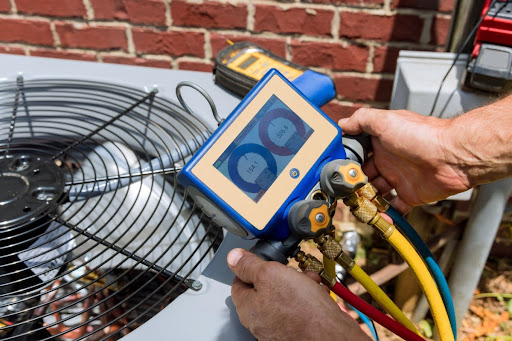
Regular maintenance keeps your A/C system running smoothly. It prevents breakdowns and costly repairs. A well-maintained system uses less energy. This saves money on your electricity bills.
Ignoring maintenance reduces your A/C’s efficiency. Dirt and dust build up inside parts. This makes the system work harder. Over time, it can cause permanent damage.
Improves Air Quality
Regular cleaning removes dust, mold, and allergens. This keeps indoor air fresh and healthy. Good air quality reduces allergies and breathing problems.
Extends Equipment Lifespan
Maintenance helps your A/C last longer. Checking parts and fixing small issues prevents bigger problems. A longer lifespan means fewer replacements and lower costs.
Enhances Cooling Performance
Clean filters and coils improve airflow. Your A/C cools rooms faster and more evenly. This keeps your home comfortable during hot days.
Reduces Energy Consumption
A clean, well-tuned system uses less electricity. This lowers energy bills and reduces environmental impact. Energy-efficient A/C systems are better for the planet.
Prevents Unexpected Breakdowns
Regular checks catch problems early. This avoids sudden A/C failures in hot weather. Scheduled maintenance keeps your system reliable year-round.
Credit: polarbear.ky
Key Components To Inspect
Regular inspection of your A/C system keeps it running smoothly. Checking key parts prevents costly breakdowns. Simple checks save energy and improve air quality.
Focus on parts that affect performance and efficiency. Clean, well-maintained components extend your system’s life. Here are the main elements to inspect.
Air Filters
Air filters trap dust, dirt, and pollen. Dirty filters block airflow and reduce cooling. Replace or clean filters every 1-3 months. This keeps air fresh and system efficient.
Coils And Fins
Coils absorb and release heat during cooling. Dirt on coils lowers efficiency and strains the system. Fins help air flow around coils. Bent fins reduce airflow and cause overheating. Clean coils gently and straighten fins carefully.
Thermostat Settings
The thermostat controls your A/C’s temperature. Wrong settings waste energy and cause discomfort. Set temperatures to save power while staying cool. Test the thermostat regularly to ensure accuracy.
Seasonal Maintenance Checklist
Maintaining your A/C system through each season helps it run smoothly and last longer. A seasonal maintenance checklist keeps your unit efficient and prevents costly repairs. Simple tasks done regularly improve air quality and save energy. Follow these key steps for each season to keep your system in top shape.
Spring Preparations
Spring is the perfect time to get your A/C ready for warm months. Start by cleaning or replacing air filters to improve airflow. Check the outdoor unit for debris like leaves and dirt. Clear around the unit to keep air flowing freely. Inspect the thermostat settings to ensure proper cooling. Test the system by running it briefly to spot any issues early.
Summer Efficiency Tips
Summer makes your A/C work hard. Keep it efficient with simple daily care. Set your thermostat to a consistent temperature. Use ceiling fans to help circulate cool air. Keep blinds or curtains closed during peak sun hours to reduce heat. Clean or change filters every month to keep air clean. Check for unusual noises or smells that could signal problems.
Fall Shutdown Procedures
Preparing your A/C for fall helps avoid damage during colder months. Turn off the power to the outdoor unit to prevent freezing. Clean the unit thoroughly to remove dirt and debris. Cover the unit with a breathable cover to protect it from snow and ice. Check and clean indoor vents and filters. Schedule a professional inspection to ensure the system is ready for winter.
Common A/c Problems And Solutions
Air conditioning systems often face common issues that reduce comfort and efficiency. Identifying these problems early helps maintain a cool, fresh home environment. Below are some frequent A/C troubles and practical solutions to fix them.
Uneven Cooling
Uneven cooling happens when some rooms feel warm while others stay cool. This problem may stem from blocked vents, dirty filters, or duct leaks. Clean or replace filters regularly to improve airflow. Check vents and furniture placement to avoid blockage. Seal any leaks in ductwork to ensure even air distribution.
Strange Noises
Unusual sounds like buzzing, rattling, or squealing indicate A/C issues. Loose parts or debris in the system often cause these noises. Tighten screws and clear debris around the unit. A failing motor or fan might also create loud sounds. Regular inspections can catch these problems early and prevent damage.
Water Leaks
Water leaks around the A/C unit suggest drainage problems. Clogged drain lines or a broken pump can cause water buildup. Clear the drain line with a wet/dry vacuum to remove blockages. Check the condensate pump for proper function. Fixing leaks quickly avoids water damage and mold growth.
Diy Maintenance Tips
Maintaining your A/C system yourself helps keep it running smoothly and saves money. Regular care improves air quality and extends the unit’s life. Basic tasks like cleaning, changing filters, and checking refrigerant levels are simple to do. These actions prevent bigger problems later. Here are easy tips to follow for DIY A/C maintenance.
Cleaning Techniques
Clean the exterior and interior parts of the A/C unit regularly. Remove dust and dirt from vents and coils. Use a soft brush or cloth to wipe surfaces gently. Avoid using water directly on electrical parts. Clear any debris around the outdoor unit to ensure good airflow. Proper cleaning helps the system cool better and use less energy.
Filter Replacement
Check A/C filters every month during heavy use. Dirty filters block airflow and reduce efficiency. Replace filters if they look clogged or dark. Use the type and size recommended by the manufacturer. New filters improve air quality and protect the system’s components. Keep a schedule for filter changes to maintain optimal performance.
Checking Refrigerant Levels
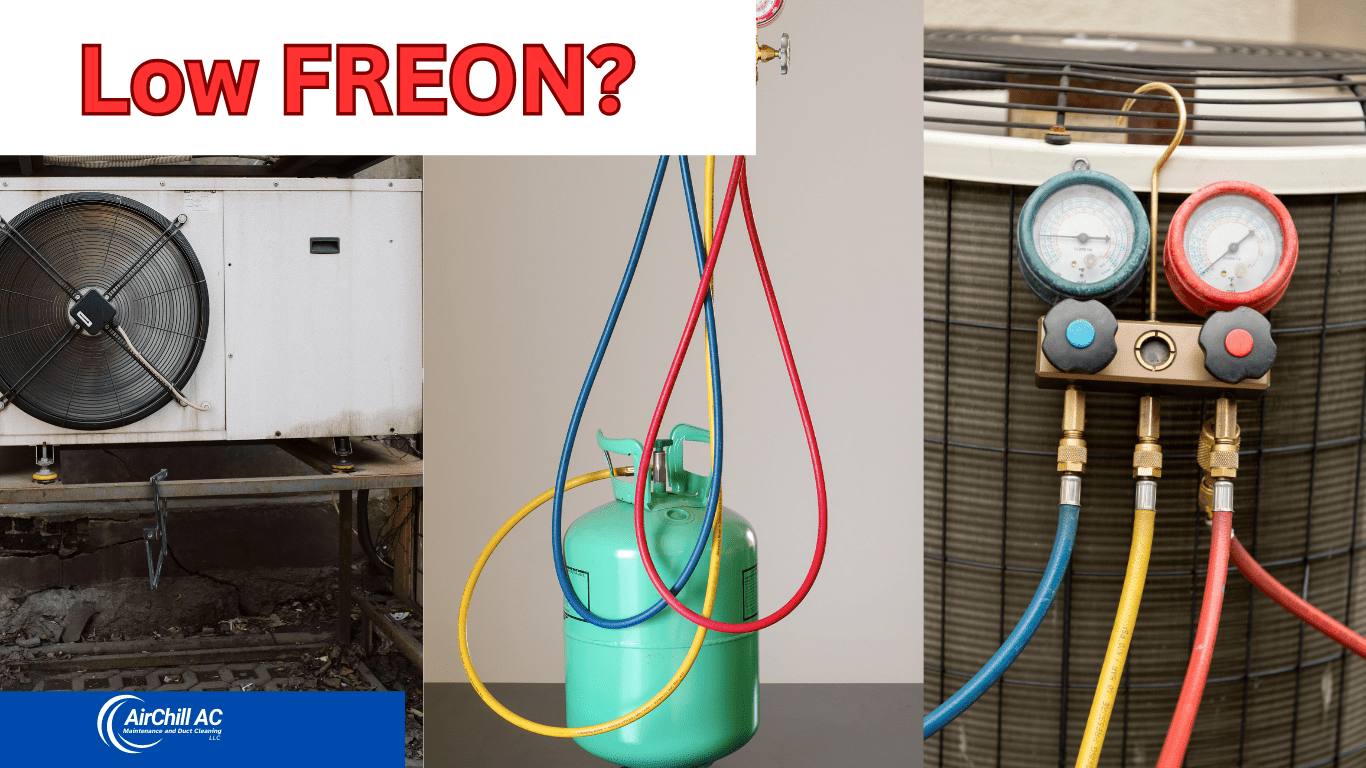
Low refrigerant causes poor cooling and higher energy bills. Signs include warm air or longer running times. Use a gauge to check levels if you have one. Do not attempt to add refrigerant yourself unless trained. Contact a professional if levels are low or leaks are suspected. Proper refrigerant levels ensure the A/C cools effectively and lasts longer.
Credit: airchillac.com
When To Call A Professional
Knowing when to call a professional for your A/C system maintenance can save you time, money, and stress. While some tasks you can handle yourself, certain problems require expert attention to avoid bigger damage. Recognizing these moments helps you keep your system running smoothly and efficiently.
Signs Of Major Issues
Is your A/C making strange noises like grinding or squealing? This often signals worn-out parts that need immediate repair.
Notice a sudden drop in cooling performance despite regular filter changes? This could indicate refrigerant leaks or compressor problems.
Another red flag is water pooling around your unit or unusual smells coming from the vents. These symptoms often point to clogged drains or mold growth, which professionals must address.
If your energy bills spike without a clear reason, it’s time to have a technician inspect your system for hidden faults.
Finding A Reliable Technician
Choosing the right technician is as important as recognizing when to call one. Look for licensed professionals with positive reviews and clear pricing.
Ask friends or neighbors for recommendations—they often share honest experiences you won’t find online.
Don’t hesitate to request proof of certification and insurance. This protects you if something goes wrong during the repair.
Also, inquire about warranties on parts and labor. A confident technician will stand by their work.
Energy Efficiency And Cost Savings
Energy efficiency in your A/C system directly impacts your monthly bills and overall comfort. Small changes and maintenance steps can lead to significant cost savings. Are you making the most out of your cooling system without overspending?
Programmable Thermostats
Programmable thermostats let you set temperatures based on your daily schedule. This means your A/C isn’t running when you’re not home, saving energy and money. Imagine cutting your cooling expenses by up to 15% simply by adjusting your thermostat settings.
Many models also allow remote control via smartphone apps. This feature helps you cool your home before you arrive, avoiding wasted energy. Have you checked if your thermostat supports this smart convenience?
Insulation Improvements
Good insulation keeps cool air inside and hot air out. Without it, your A/C works harder, driving up energy use and costs. Adding insulation to attics, walls, and around ducts can reduce your energy bills noticeably.
Think about the last time you felt a draft or uneven room temperature. That’s a sign your insulation might need an upgrade. How much could you save by sealing leaks and adding extra layers?
Regular Tune-ups
Regular A/C tune-ups ensure your system runs efficiently and prevents costly breakdowns. Cleaning coils, checking refrigerant levels, and inspecting parts keeps your unit in peak condition. Skipping maintenance can increase energy consumption by up to 30%.
I once ignored a tune-up and faced a surprise repair that cost more than the annual maintenance would have. Don’t wait until your system struggles in the heat—schedule regular check-ups to keep your costs down and comfort high.

Credit: northtarrantac.com
Frequently Asked Questions
How Often Should I Perform A/c System Maintenance?
Regular A/C maintenance is recommended at least once a year. Annual check-ups ensure optimal performance and prolong system life. Timely inspections prevent costly breakdowns and improve energy efficiency, keeping your system running smoothly during hot months.
What Are Common Signs Of A/c System Issues?
Common signs include reduced cooling, strange noises, and foul odors. High energy bills and frequent cycling also indicate problems. Early detection helps avoid major repairs and maintains system efficiency.
Can I Clean My A/c System Filters Myself?
Yes, most filters are easy to clean or replace. Regular cleaning improves air quality and system efficiency. Check your A/C manual for specific filter instructions to avoid damage.
Why Is Refrigerant Level Important In A/c Maintenance?
Proper refrigerant levels ensure effective cooling and prevent compressor damage. Low levels reduce efficiency and increase energy costs. A professional should check and refill refrigerant as needed.
Conclusion
Regular A/C system maintenance keeps your home cool and air clean. It helps avoid costly repairs and saves energy. Simple tasks like changing filters and checking coolant levels matter. Clean coils and clear drains improve system performance. Schedule professional check-ups once a year for best results.
Taking care of your A/C extends its life and boosts comfort. Don’t wait for problems; stay ahead with routine care. Your A/C will work better, last longer, and keep you comfortable all year.
Leave a Reply