Have you ever wondered why the price of your favorite gadgets sometimes goes up unexpectedly? If you’re buying consumer electronics, tariffs might be the hidden factor affecting your wallet.
These extra taxes on imported goods can change the cost of smartphones, laptops, and other devices you rely on every day. Understanding how tariffs impact consumer electronics will help you make smarter choices and avoid surprises. Keep reading to discover what tariffs mean for you and your next tech purchase.
Impact Of Tariffs On Consumer Electronics
Tariffs can have a significant effect on the prices and availability of consumer electronics. These taxes on imported goods often lead to higher costs for manufacturers, which usually get passed down to you as the buyer. Understanding how tariffs impact these products helps you make smarter purchasing decisions and anticipate market changes.
How Tariffs Increase Costs For Electronics
Tariffs add extra charges on imported parts or finished products. Manufacturers face these higher costs and often raise the retail price to keep profits stable. For instance, a tariff on smartphone components can increase the final price you pay by 10% or more.
Have you noticed recent price hikes in gadgets you regularly use? Tariffs are one key reason behind these changes. This can affect everything from laptops to gaming consoles.
Supply Chain Disruptions And Delays
Tariffs sometimes cause manufacturers to rethink where they source parts or assemble products. This shift can lead to delays and inconsistent product availability. If a company moves production to avoid tariffs, it may take months before the new supply chain stabilizes.
Think about the last time you waited longer than usual for a new device. Tariffs can be a hidden cause behind these frustrating delays.
Impact On Innovation And Product Variety
Higher costs and supply challenges may limit a company’s budget for research and development. This can slow down the release of new features or innovative designs. You might also see fewer choices in stores as companies focus on fewer, more profitable products.
Would you be willing to pay more for cutting-edge tech, or prefer more affordable but less advanced options? Tariffs force companies to balance this trade-off carefully.
Strategies To Minimize Tariff Effects
- Look for products manufactured in countries not affected by tariffs.
- Consider buying from brands that have diversified their supply chains.
- Shop during sales or promotions when retailers absorb some of the costs.
- Stay informed about tariff changes that might affect your favorite gadgets.
By staying alert and adjusting your buying habits, you can reduce the impact tariffs have on your wallet and access to technology.
Credit: www.42signals.com
Price Changes For Consumers
Price changes for consumers are a direct outcome of tariffs on consumer electronics. These tariffs increase the cost of imported components and finished products. Retailers often pass these additional costs to buyers. As a result, shoppers face higher prices for gadgets and devices they want.
Increased Costs At Retail
Tariffs raise the expense of electronics for sellers. Import duties add extra fees on products from other countries. Retailers adjust prices to cover these new costs. This leads to higher price tags on items like smartphones, laptops, and headphones.
Some stores may absorb part of the cost to stay competitive. Others may raise prices fully, affecting what consumers pay at checkout. The result is less affordable technology for many buyers.
Effects On Consumer Purchasing Power
Higher prices reduce how much consumers can buy. Shoppers may delay or skip buying new electronics. Budget-conscious buyers might choose cheaper or older models. This change impacts overall sales and market demand.
Consumers face tougher choices between quality and cost. Tariffs shrink the value of their money when buying electronics. The increased expense can lead to fewer upgrades and less frequent replacements.
Manufacturers’ Response To Tariffs
Manufacturers face challenges due to tariffs on consumer electronic products. Tariffs increase costs and affect pricing strategies. To stay competitive, companies must adapt quickly. They focus on changing supply chains and production sites. These responses help reduce tariff impact and keep products affordable.
Supply Chain Adjustments
Manufacturers redesign supply chains to cut costs. They seek new suppliers in countries without tariffs. This reduces import fees on parts and materials. Some companies increase local sourcing to avoid tariffs. They also optimize logistics to save time and money. Efficient supply chains help maintain profit margins.
Shifting Production Locations
Many manufacturers move production to tariff-free regions. Countries in Southeast Asia and India attract new factories. This shift lowers tariff expenses on finished goods. It also reduces dependence on high-tariff countries. Moving production helps companies protect their business. It ensures steady product supply despite trade barriers.

Credit: www.42signals.com
Global Trade Relations
Global trade relations play a crucial role in shaping the consumer electronics market. Tariffs set by countries can directly impact the prices you pay for your favorite gadgets. Understanding these relationships helps you see why your new smartphone or laptop might suddenly cost more.
Trade Wars And Electronic Markets
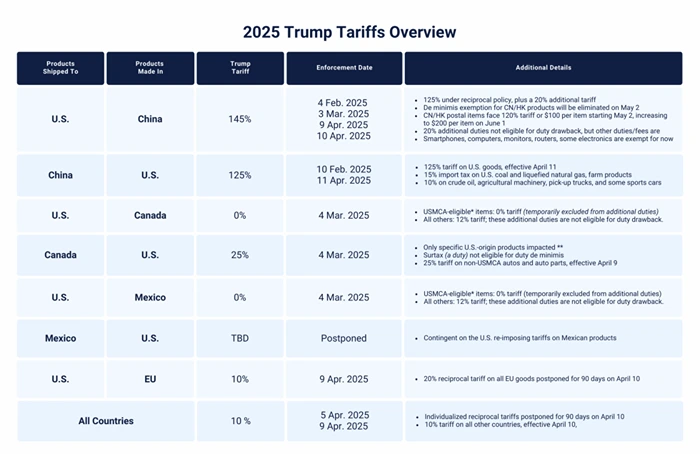
Trade wars often start when countries impose tariffs to protect their industries. These tariffs can increase costs for electronics manufacturers who rely on global supply chains. When China and the U.S. clashed over tariffs, many companies had to rethink their strategies, sometimes shifting production to other countries.
You might have noticed price hikes on devices or delays in product launches during such times. These market shifts show how sensitive electronics are to trade tensions. How do you think these changes affect the innovation pace in the tech world?
International Partnerships And Alliances
Strong international partnerships help companies navigate tariff challenges. Countries and companies form alliances to minimize disruption and keep products affordable. For example, tech giants often work closely with suppliers in multiple countries to avoid heavy tariffs on any single part.
These alliances can also lead to new trade agreements that benefit consumers. When you buy a product, you’re often getting the result of complex teamwork across borders. Have you ever considered how much effort goes into making your electronics tariff-proof?
Innovation And Product Development
Tariffs can have a significant effect on innovation and product development within the consumer electronics industry. When additional costs hit manufacturers, they often have to rethink their strategies, which can slow down the pace of new technology introductions. This shift doesn’t just impact companies but can also affect what you, as a consumer, get to experience in the marketplace.
Delayed Technology Advancements
Tariffs increase production costs, which often leads companies to delay launching cutting-edge products. If a new component becomes more expensive due to tariffs, manufacturers might postpone integrating it into their devices to keep prices competitive.
Think about the last time you waited longer than expected for a smartphone with better features. That delay might be tied to increased import costs on key parts. This slowdown can mean you miss out on faster processors, enhanced displays, or improved battery life for months or even years.
Impact On Research And Development
Higher tariffs can shrink the budgets companies allocate to research and development (R&D). When more money goes to covering tariffs, less is available to invest in innovation labs or prototype development.
Smaller R&D budgets mean fewer breakthroughs in technology and less experimentation with new ideas. This can create a ripple effect, where the pace of technological progress slows and the variety of products you see on the market decreases.
- Companies may focus on cost-cutting instead of innovation.
- Emerging startups could struggle to compete due to higher expenses.
- Long-term product improvements may take a back seat to immediate financial survival.
Have you noticed fewer exciting new gadgets lately? Tariffs might be one reason behind this trend, affecting how quickly companies can bring fresh ideas to life. What innovations would you like to see but haven’t yet, possibly because of these hidden costs?
Consumer Behavior Trends
Consumer behavior is shifting due to tariffs on electronic products. These changes affect how people choose and buy technology. Price increases make buyers rethink their preferences and spending habits. The impact is visible in brand loyalty and product choices.
Changes In Brand Loyalty
Higher prices from tariffs cause many buyers to question their favorite brands. Some customers switch to brands that offer better prices or deals. Loyalty weakens if the cost difference is large. Buyers prioritize affordability over brand reputation.
Brands that maintain stable prices may keep loyal customers. Others lose market share as shoppers seek cheaper alternatives. This shift forces companies to adjust pricing and marketing strategies.
Shift To Alternative Products
Tariffs encourage consumers to explore different types of electronics. Many look for products with similar features but lower costs. This trend benefits lesser-known brands and generic models.
Some buyers delay upgrading or buy fewer products. Others choose refurbished or used electronics to save money. The market adapts as demand for alternatives grows steadily.
Long-term Economic Effects
Understanding the long-term economic effects of tariffs on consumer electronic products is crucial for anyone interested in how these policies shape the market. Tariffs don’t just influence prices today; they impact investment, innovation, and the overall stability of the industry over time. Let’s take a closer look at what this means for you as a consumer and for businesses navigating this challenging landscape.
Market Stability Concerns
Tariffs can create uncertainty for manufacturers and retailers. When costs fluctuate unpredictably, companies may hesitate to invest in new technologies or expand production. This hesitation can slow down innovation and reduce the variety of products available to you.
Think about the last time you noticed a sudden price jump on a gadget you wanted. That price change might be linked to tariff-induced instability. If businesses can’t predict costs, they pass those risks onto you, the consumer.
Are you prepared for a market where prices swing based on international trade policies? This kind of instability could affect your budget and buying decisions long-term.
Potential For Future Tariff Adjustments
Tariffs are not set in stone; governments can raise or lower them depending on political and economic goals. This means prices for your favorite electronics can change suddenly. It’s important to understand that today’s tariff rates might not be the same tomorrow.
For example, a smartphone assembled overseas might become more expensive if tariffs increase, or cheaper if tariffs are removed. This unpredictability affects not just prices but also where companies choose to manufacture their products.
How do you plan your tech purchases when the price you see today might not hold next month? Staying informed about trade policy changes can help you make smarter buying decisions.

Credit: www.bebolddigital.com
Frequently Asked Questions
Do Tariffs Increase Prices On Consumer Electronics?
Yes, tariffs often raise costs for imported electronics. Manufacturers may pass these costs to consumers, increasing retail prices.
Which Consumer Electronics Are Most Affected By Tariffs?
Tariffs mainly impact items like smartphones, laptops, and TVs. These products rely heavily on global supply chains and imports.
How Do Tariffs Impact Electronics Manufacturers?
Tariffs increase production costs for manufacturers importing components. This can reduce profit margins or lead to higher product prices.
Can Tariffs Affect The Availability Of Electronics?
Yes, tariffs can disrupt supply chains, causing delays and shortages. This might limit product availability and choice for consumers.
Conclusion
Tariffs can affect the price of consumer electronics. This change may impact what people pay at stores. Companies might change where they make products. Some items could become more expensive or harder to find. Buyers should watch for updates on trade rules.
Knowing how tariffs work helps shoppers make smart choices. The market for electronics is always shifting. Staying informed keeps you ahead of these changes.
Leave a Reply