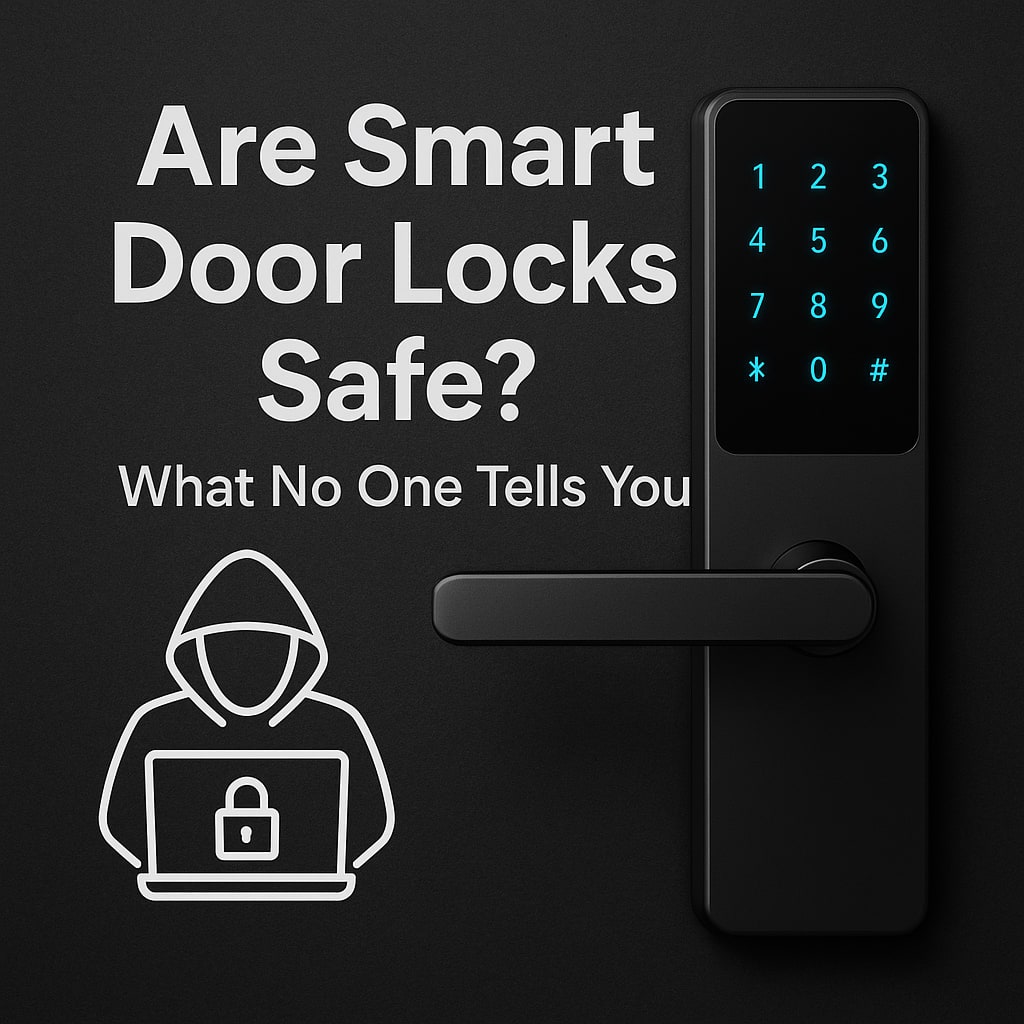
Are you considering upgrading your home security with electronic locks? It’s a smart move, but you might be wondering if they’re truly safe.
After all, your home is your sanctuary, and you want to ensure that your family and belongings are well-protected. Electronic home locks offer convenience and advanced features, but do they stand up against traditional locks in terms of security? We’ll explore the safety of electronic locks, addressing common concerns and highlighting the benefits that might just change the way you think about home security.
Keep reading to find out if electronic locks are the right choice for your peace of mind.
Types Of Electronic Home Locks
Electronic home locks come in various types, each offering different features and levels of security. Understanding these options helps you decide which lock fits your lifestyle and safety needs best. Let’s break down the main types of electronic locks you might consider for your home.
Keypad Locks
Keypad locks require you to enter a numeric code to gain access. They are easy to use and don’t rely on physical keys, which means you won’t lose them or worry about someone copying them. You can change the code anytime, which adds flexibility if you want to grant temporary access to guests or service providers.
Biometric Locks
Biometric locks use your unique physical traits, like fingerprints or facial recognition, to unlock the door. This type of lock adds a strong layer of security because it’s very difficult to fake biometric data. Have you ever considered how convenient it would be to unlock your door with just a touch or a glance?
Smartphone-enabled Locks
Smartphone-enabled locks connect to your phone via Bluetooth or Wi-Fi, allowing you to lock and unlock your door remotely. You can also monitor who enters and exits your home through apps. This feature is especially useful if you often forget your keys or want to let someone in when you’re not home.
Rfid And Card Access Locks
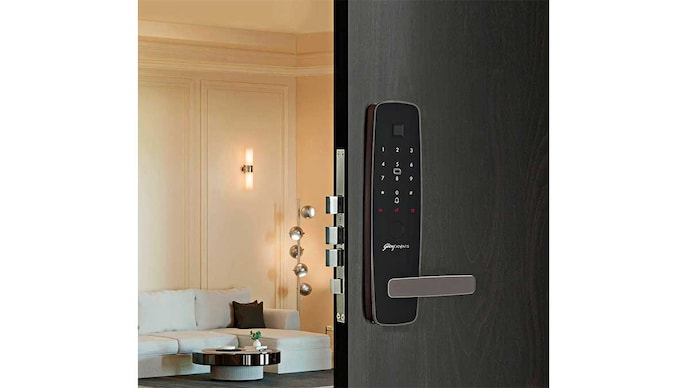
RFID (Radio Frequency Identification) and card access locks work by scanning a card or fob that you carry with you. These locks are common in offices but are becoming popular in homes too. They offer quick and keyless entry but require you to keep track of the card or fob to avoid lockouts.
Credit: www.indiatoday.in
Security Features To Look For
Choosing an electronic home lock means checking its security features carefully. These features protect your home from unauthorized access and hacking. Good locks combine technology and safety to keep your door secure. Understanding key features helps you pick a lock that fits your needs.
Encryption Standards
Strong encryption keeps your lock’s data safe from hackers. Look for locks using AES 128-bit or higher encryption. This level scrambles your data, making it hard to steal or copy. Encryption protects wireless signals between your phone and lock too.
Tamper Alerts
Tamper alerts notify you of any forced entry attempts. The lock sends immediate warnings to your phone. This feature stops burglars before they break in. Some locks also sound loud alarms to scare intruders away.
Battery Life And Backup
Good battery life ensures your lock works without interruption. Check for locks with long-lasting batteries, around 6 to 12 months. Backup power options like emergency keys or USB ports are useful. They keep you from getting locked out during power failure.
Access Logs And Monitoring
Access logs track who enters and when. This feature helps you monitor home activity easily. Some locks let you set temporary codes for guests or workers. Real-time monitoring gives peace of mind about your home’s security.
Common Vulnerabilities
Electronic home locks offer modern convenience but come with certain risks. Understanding common vulnerabilities helps in making safer choices. These locks rely on technology that can face different threats. Some issues involve digital attacks, while others relate to physical security or technical faults. Awareness of these vulnerabilities can guide better protection measures.
Hacking Risks
Electronic locks can be targets for hackers using wireless signals. Thieves may exploit weak encryption or outdated software. Some locks use Bluetooth or Wi-Fi, which can be intercepted. Skilled hackers can gain access without leaving traces. Regular updates and strong passwords reduce this risk.
Physical Tampering
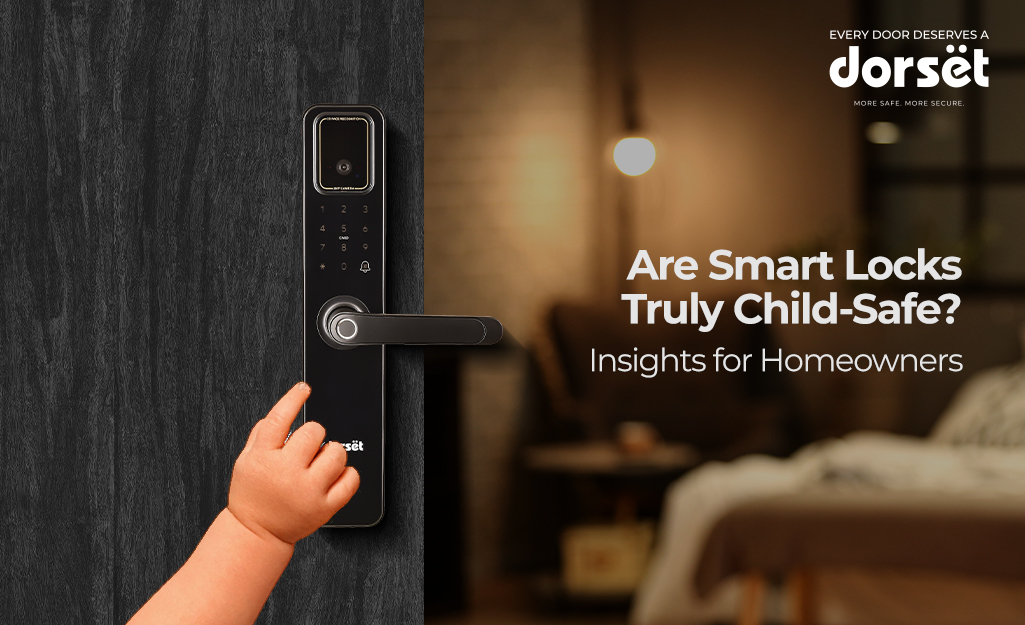
Lock hardware can be physically tampered with or damaged. Tools like crowbars or lock picks may bypass the system. Some locks have backup mechanical keys that can be stolen or copied. Thin or poorly installed locks are easier to break. Solid installation and sturdy materials improve safety.
Power Failures
Electronic locks depend on batteries or electricity to work. Power outages or dead batteries can lock users out. Some models have backup power or manual override keys. Regular battery checks prevent unexpected failures. Without power, access control becomes unreliable.
Software Bugs
Software errors can cause lock malfunctions or security holes. Bugs may allow unauthorized access or lockouts. Manufacturers release patches to fix these issues. Users should install updates promptly. Using well-reviewed products lowers the chance of bugs.
Credit: www.dorsetindia.com
Comparing Electronic And Traditional Locks
Choosing between electronic and traditional locks can feel like a tough decision. Both have their own strengths and weaknesses, and understanding these can help you pick the best option for your home. Let’s compare the two based on convenience, security, cost, and maintenance so you can make an informed choice.
Convenience And Accessibility
Electronic locks offer keyless entry, which means you don’t have to carry physical keys or worry about losing them. You can unlock your door with a code, fingerprint, or even your smartphone. This ease is especially useful if you often forget your keys or want to give temporary access to guests.
Traditional locks require physical keys, which some people find straightforward and reliable. However, keys can get lost, stolen, or copied without your knowledge. Have you ever been locked out because you misplaced your keys? Electronic locks help avoid that hassle.
Security Strength
Traditional locks have been around for centuries and can be very sturdy. But many can be picked or bumped with the right tools. If you don’t change your locks after losing a key, your security is at risk.
Electronic locks add layers of security through features like automatic locking and alert notifications. Some even allow you to monitor who enters and when. However, they are vulnerable to hacking or power failures, so it’s important to choose models with strong encryption and backup power options.
Cost Considerations
| Type of Lock | Initial Cost | Long-Term Costs |
|---|---|---|
| Traditional Locks | Generally low to moderate | Occasional rekeying or replacement |
| Electronic Locks | Higher upfront cost | Possible battery replacements, software updates |
Investing in an electronic lock might feel expensive at first. But think about the value of added convenience and security. Meanwhile, traditional locks are budget-friendly but might cost you more if you need frequent replacements or rekeying.
Maintenance Needs
Traditional locks require minimal maintenance—mostly occasional lubrication and key management. They don’t rely on batteries or software, so they work reliably in almost any condition.
Electronic locks need regular battery changes and software updates to keep functioning properly. Neglecting these can lead to lockouts or security vulnerabilities. Have you considered who will manage these updates and what happens if the power goes out?
Tips To Enhance Electronic Lock Security
Securing your electronic home lock requires more than just installing it. You need to actively protect it against potential threats. Here are practical tips that will help you strengthen the security of your electronic lock and keep your home safe.
Regular Firmware Updates
Keeping your electronic lock’s firmware up to date is crucial. Manufacturers often release updates to fix security flaws and improve functionality.
If you ignore these updates, your lock might become vulnerable to hackers. Set reminders to check for updates regularly or enable automatic updates if available. This small effort can prevent big security risks.
Strong Password Practices
Your lock’s password is the first line of defense. Avoid simple or common passwords like “1234” or “password.”
Create a unique and complex code combining numbers and letters if your lock supports it. Change your password periodically and never share it with friends or neighbors, no matter how trusted they seem.
Multi-factor Authentication
Adding multi-factor authentication (MFA) significantly enhances security. MFA requires an additional verification step, such as a code sent to your phone.
This means even if someone guesses your password, they won’t gain access without the second factor. Check if your lock supports MFA and enable it to add an extra layer of protection.
Professional Installation
Installing your electronic lock correctly matters more than you might think. A professional installer ensures the lock is securely mounted and integrated with your home security system.
I once helped a friend who installed their lock themselves only to find it didn’t seal properly. This mistake made it easy to tamper with. Investing in expert installation can save you from such risks and headaches.
Legal And Privacy Considerations
Electronic home locks bring convenience and advanced security features, but they also raise important legal and privacy questions. Understanding how your data is handled and what rights you have can make a big difference in your peace of mind. Let’s look closely at key considerations that affect your safety beyond just the lock itself.
Data Protection
Your electronic lock collects sensitive information like access codes, usage logs, and sometimes biometric data. This data needs strong protection to prevent unauthorized access or leaks.
Ask yourself: who stores this data, and how securely is it kept? Many companies use encryption and secure servers, but not all follow the same standards. Check if the lock provider clearly explains their data security measures before trusting your home to their system.
User Consent
Before you or anyone else uses an electronic lock, clear consent should be obtained regarding data collection and monitoring. This ensures everyone understands what information is tracked and how it might be used.
Imagine a family member or guest unaware that their entry times are recorded. Would they feel comfortable? You should always have the option to control and limit data sharing to protect your privacy.
Regulatory Compliance
Electronic locks must comply with local and international laws related to privacy and cybersecurity. This includes regulations like GDPR in Europe or CCPA in California, which set strict rules on data handling.
Does your lock manufacturer provide information about compliance with these laws? Verifying this can help you avoid legal risks and ensure your rights are respected. What kind of guarantees do you expect from companies handling your personal security data?
Future Trends In Home Lock Security
Home lock security is evolving rapidly, and the future holds exciting possibilities. As technology advances, electronic locks are becoming smarter, safer, and more convenient. Understanding these trends can help you make informed choices to protect your home effectively.
Ai Integration
Artificial intelligence is starting to play a big role in home security. AI-powered locks can learn your daily routines and detect unusual activity. Imagine your lock alerting you if someone tries to enter at an odd hour or if a code is being guessed repeatedly.
This smart behavior helps reduce false alarms and increases your home’s security without extra effort. Could your lock soon know you well enough to decide who should get in and when?
Blockchain For Access Control
Blockchain technology offers a new level of trust and transparency in managing access. By using a secure, decentralized ledger, it becomes nearly impossible for hackers to manipulate entry records or create fake keys.
This technology can give you detailed logs of who entered your home and when, without relying on a single company’s server. Do you feel safer knowing your access data is tamper-proof and fully private?
Biometric Advancements
Fingerprint scanners and facial recognition are getting faster and more reliable. New sensors can read your biometric data even in low light or if your fingers are wet or dirty.
These improvements make it easier and quicker for you to unlock your door, while keeping intruders out. Would you trust a biometric lock that recognizes you instantly over traditional keys or codes?
Smart Home Ecosystem Integration
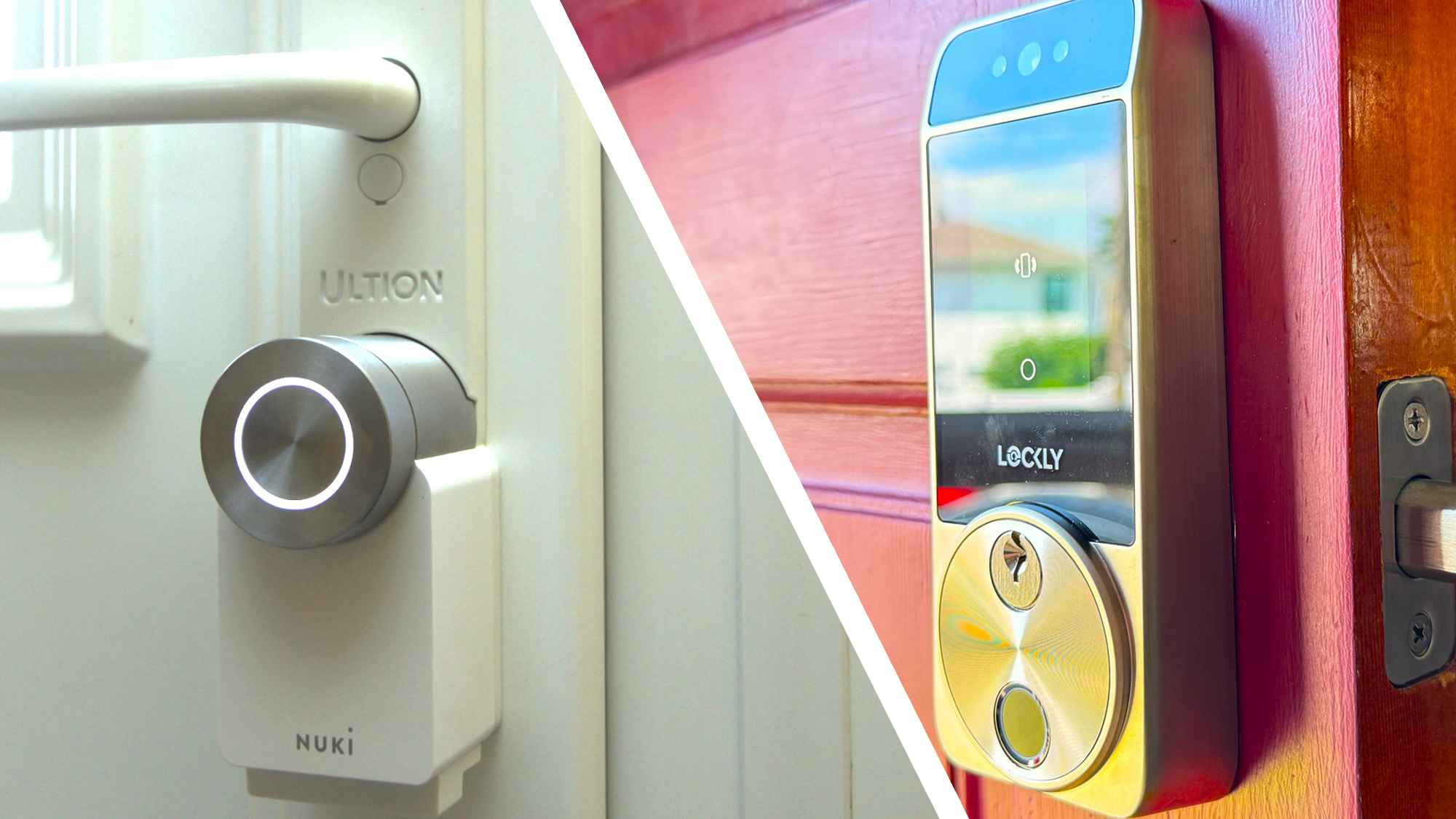
Electronic locks are no longer standalone devices. They now connect seamlessly with your smart home systems, including security cameras, alarms, and voice assistants.
This integration means you can lock or unlock doors remotely, check who’s at the door, and get alerts on your phone. How would having all your home security devices work together change the way you protect your home?
Credit: www.techradar.com
Frequently Asked Questions
Are Electronic Home Locks More Secure Than Traditional Locks?
Electronic home locks offer enhanced security with features like encryption and remote access. They reduce risks of lock picking and key duplication, making them generally safer than traditional locks.
Can Electronic Locks Be Hacked Or Tampered With?
While electronic locks can be vulnerable, most use strong encryption to prevent hacking. Regular software updates and strong passwords minimize risks of unauthorized access or tampering.
How Reliable Are Electronic Home Locks During Power Outages?
Many electronic locks have backup batteries or mechanical key options to ensure access during power failures. This makes them reliable even when the main power is unavailable.
Do Electronic Locks Require Frequent Maintenance?
Electronic locks need minimal maintenance, such as battery replacement and occasional firmware updates. Proper care ensures long-lasting performance and consistent security for your home.
Conclusion
Electronic home locks offer good security for most homes today. They are easy to use and add extra safety features. Still, no lock is completely foolproof. Regular checks and updates help keep your lock strong. Choose a lock that fits your needs and budget.
Stay aware of new security tips to protect your home well. Electronic locks can be a smart choice when used wisely. Safety starts with smart decisions and careful use.
Leave a Reply