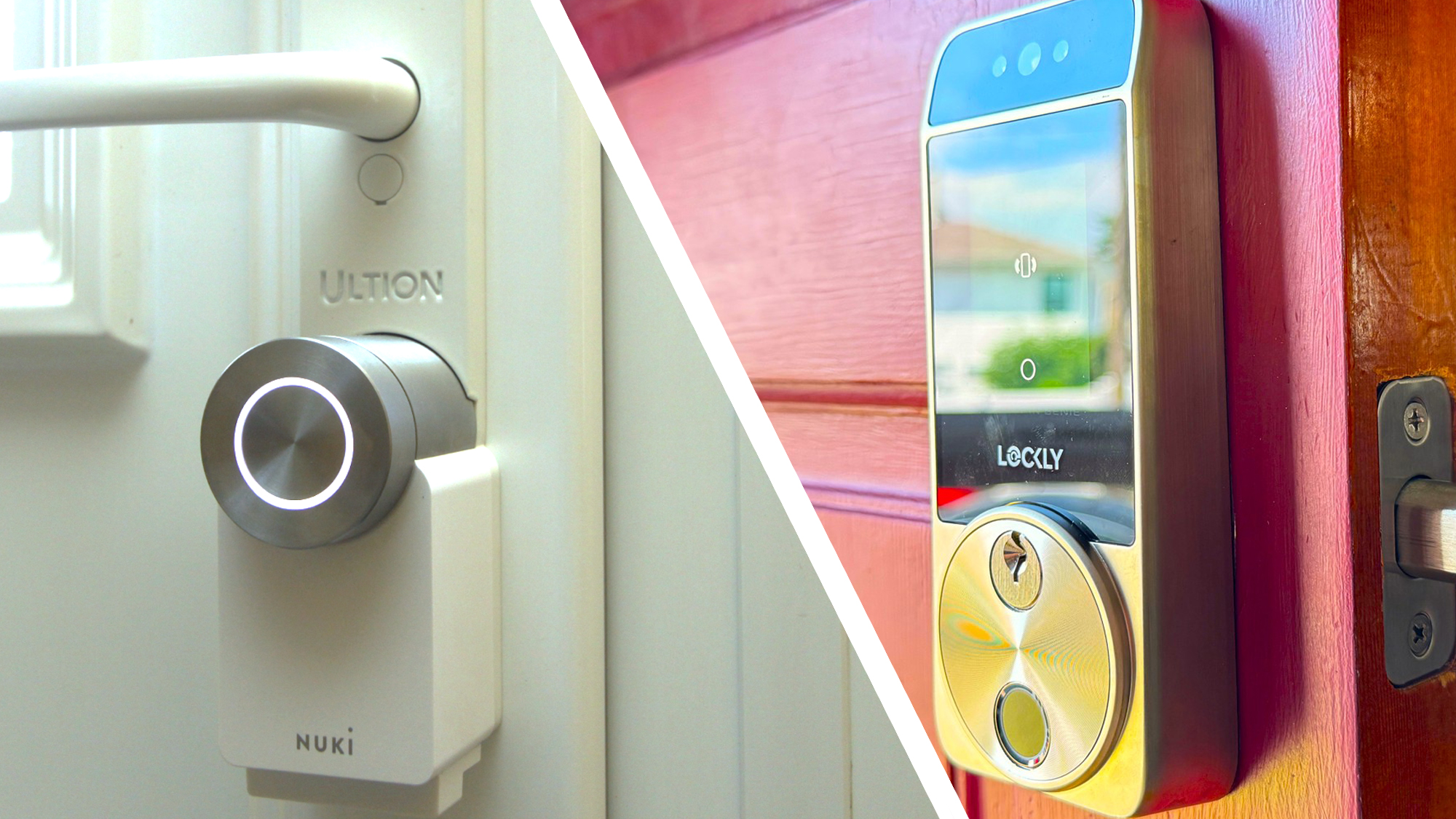
Are you still using traditional keys to lock your home? What if there was a safer, more convenient way to protect what matters most?
Electronic locks promise to change the way you secure your doors, but are they really better than keys? You’ll discover the surprising benefits and possible drawbacks of switching to electronic locks. By the end, you’ll know exactly which option fits your lifestyle and keeps your home truly safe.
Keep reading—your peace of mind might depend on it.
Electronic Locks Vs Traditional Keys
Choosing between electronic locks and traditional keys for your home can be a tough decision. Each option comes with its own set of features, benefits, and considerations. Understanding how they compare can help you make an informed choice that suits your lifestyle and security needs.
Key Features Compared
Electronic locks offer convenience and flexibility. They often include features like remote access, smartphone integration, and temporary codes for guests. Traditional keys, on the other hand, are simple and reliable, with no need for electricity or batteries.
Consider your daily routine. If you’re frequently in and out or have multiple people accessing your home, the ease of electronic locks might be appealing. However, if you prefer a straightforward approach with minimal tech involvement, traditional keys could be your go-to.
How Each Works
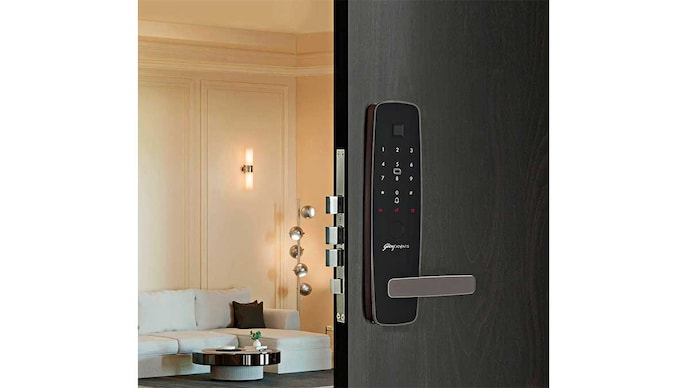
Electronic locks operate through digital mechanisms. You can unlock them using a keypad, smartphone app, or even biometric data like fingerprints. They often sync with home automation systems for seamless control.
Traditional locks use a mechanical key that fits into a lock cylinder. This method has been trusted for centuries and is simple to use without the need for tech support or updates.
Imagine coming home with your hands full of groceries. An electronic lock allows you to unlock the door with a tap on your phone. With a traditional key, you’d have to juggle bags to find the right key.
Common Use Cases
Electronic locks are ideal for tech-savvy individuals or families who value convenience. They’re perfect for those who travel frequently and need remote access. Vacation rental properties also benefit from electronic locks, allowing easy management of guest entry.
Traditional keys are suitable for individuals who prefer low-tech, dependable solutions. They are a great fit for households with fewer access needs and those who want to avoid the risk of digital hacking.
Think about your home environment. Do you host events often or have a busy household? If so, electronic locks might provide the flexibility you need. For a quieter household, traditional keys might serve you just fine.
Ultimately, the choice between electronic locks and traditional keys depends on your lifestyle and preferences. Consider the convenience, security, and ease of use each option offers. What fits best with your daily routine and peace of mind?
Credit: www.indiatoday.in
Security Benefits Of Electronic Locks
Electronic locks bring several security advantages that traditional keys often can’t match. They allow you to control who enters your home with precision and keep you informed about every access attempt. These benefits make electronic locks a smart choice for anyone serious about enhancing home security.
Advanced Access Control
With electronic locks, you decide who gets in and when. You can give unique codes to family members, friends, or service providers and easily change or revoke access without swapping out the entire lock. This level of control means you don’t have to worry about lost keys ending up in the wrong hands.
Imagine you’re away on vacation—you can still let a trusted neighbor in to water your plants without handing over a physical key. How often have you lost track of who has a copy of your house key?
Remote Monitoring And Alerts
Many electronic locks connect to your smartphone, allowing you to monitor your door remotely. You receive real-time alerts when someone enters or tries to tamper with your lock. This immediate feedback helps you react quickly to any suspicious activity.
This feature proved invaluable for a friend of mine who noticed an unknown access attempt late at night and called the police immediately. Wouldn’t it give you peace of mind to know your front door is under watch even when you’re miles away?
Resistance To Picking And Bumping
Traditional locks are vulnerable to picking and bumping techniques that skilled intruders use to gain entry. Electronic locks, on the other hand, rely on codes, biometrics, or keycards, making these old-school break-in methods ineffective. This means better protection against common lock tampering tactics.
Choosing an electronic lock reduces the risk of silent, undetected break-ins. How often do you think about the security flaws in your current lock setup?
Drawbacks Of Electronic Locks
Electronic locks offer convenience and advanced security features, but they come with their own set of challenges. Before switching from traditional keys, it’s important to understand the potential drawbacks. These issues can affect your daily routine and overall security.
Power And Connectivity Issues
Electronic locks rely on batteries or electrical power to function. If the battery dies unexpectedly, you might find yourself locked out of your own home. Some models have backup options, but not all do.
Connectivity is another concern. Locks that use Wi-Fi or Bluetooth may fail to respond if your internet goes down or if there’s interference. Have you considered what happens if your lock won’t connect when you’re in a hurry?
Vulnerability To Hacking
While electronic locks use encryption, no system is completely foolproof. Hackers can target smart locks, especially those connected to the internet. This raises questions about whether your electronic lock could be bypassed remotely.
Choosing a lock with strong security protocols and regular firmware updates is crucial. Still, relying on digital security means you need to stay informed and vigilant about potential threats.
Cost Considerations
Electronic locks generally cost more upfront than traditional locks. Installation can also be pricier if professional help is needed. Over time, you’ll spend money on battery replacements and possible repairs.
Think about whether the benefits of electronic locks justify these extra costs for your specific situation. Could the convenience outweigh the ongoing expenses?
Advantages Of Traditional Keys
Traditional keys have been securing homes for centuries. They offer clear benefits that many homeowners still value. These advantages make them a reliable choice for home security.
Simplicity And Reliability
Traditional keys are easy to use and understand. There is no need for special knowledge or training. You simply insert the key and turn it. This straightforward action rarely fails, making it very reliable.
Locks with keys do not suffer from software bugs or technical errors. Their mechanical nature ensures long-lasting performance. This simplicity appeals to those who want hassle-free security.
No Power Dependency
Keys do not need batteries or electricity to work. They function even during power outages or emergencies. This makes them dependable in any situation.
Unlike electronic locks, keys are unaffected by dead batteries or power failures. You can always access your home without worrying about technical issues. This is a major advantage for consistent security.
Lower Initial Cost
Traditional locks and keys cost less upfront than electronic systems. They are affordable for most homeowners. This makes them a practical choice for budget-conscious buyers.
Installation is usually quick and inexpensive. There is no need for complex wiring or programming. The lower cost and ease of setup attract many people to traditional keys.
Limitations Of Traditional Keys
Traditional keys have served as the standard for home security for centuries. However, they come with limitations that can compromise your safety and convenience. Understanding these drawbacks helps you decide if it’s time to consider a more modern alternative like electronic locks.
Risk Of Lost Or Stolen Keys
Losing your keys is more than just an inconvenience; it can leave your home vulnerable. If someone finds your lost key, they essentially have a free pass into your property. Even if you find the key later, the risk of unauthorized access remains until you change the locks or rekey them.
Have you ever been locked out because you misplaced your keys? This common issue can disrupt your day and force you to spend money on locksmith services. It’s a hassle that’s hard to avoid with traditional keys.
Physical Lock Picking
Traditional locks can be picked by skilled intruders using simple tools. Lock picking doesn’t require brute force, making it a quiet and quick method to break in. This vulnerability means your home’s security depends heavily on the quality of your locks.
Think about the last time you heard about a burglary in your neighborhood. How often do you consider the possibility that the intruder might have picked a lock rather than breaking a window? It’s a subtle risk that’s easy to overlook.
Inconvenience Of Key Sharing
Sharing keys with family, friends, or service providers can be tricky. You must physically hand over a copy or hide a spare somewhere, both of which pose security risks. Once someone has a key, you lose control over who can enter your home and when.
Imagine needing to give access to a cleaner or pet sitter while you’re away. Without electronic options, you might have to make multiple copies or coordinate pickups, which is inefficient and risky. Does your current key system really make your life easier?
Installation And Maintenance
Choosing between electronic locks and traditional keys often comes down to how easy they are to install and maintain. These factors can affect your daily convenience and long-term security. Let’s take a closer look at what each option demands when it comes to setup and upkeep.
Ease Of Setup
Electronic locks usually require more initial steps than standard key locks. You might need to connect them to your home Wi-Fi or program user codes.
Some models come with clear instructions and user-friendly apps, making the process smoother. But if you’re not tech-savvy, it can feel a bit overwhelming.
Traditional key locks typically just need to be fitted into the door, which most people find straightforward. Have you ever felt stuck trying to sync a new device? That’s a common challenge with electronic locks.
Ongoing Maintenance Needs
Electronic locks need regular battery changes or recharging. If the battery dies unexpectedly, you could get locked out unless there’s a backup key option.
Software updates and occasional troubleshooting might also be necessary to keep the lock running smoothly and securely.
In contrast, traditional locks only require occasional lubrication and inspection for wear. They don’t depend on power, so maintenance is simpler and less frequent.
Professional Vs Diy Installation
Many electronic locks encourage professional installation to ensure all components work correctly and security features are fully activated.
However, some models are designed for DIY enthusiasts, with step-by-step guides and video tutorials. This can save you money but might take more time and effort.
Traditional locks are often easier for DIY installation, especially if you have basic tools and some experience with door hardware.
Would you prefer to invest time learning a new skill or pay a professional for peace of mind? Your choice could influence how smoothly your new lock fits into your home.
Cost Comparison
Cost plays a key role in choosing between electronic locks and traditional keys. Understanding both upfront and ongoing expenses helps make a wise decision for home security.
Initial Purchase Price
Traditional key locks usually cost less at the start. Basic locks and keys are affordable and easy to find. Electronic locks tend to have a higher upfront price. This is because they include digital components and advanced features. Prices vary widely depending on the brand and functions offered.
Long-term Expenses
Keys rarely need replacement unless lost or damaged. Electronic locks may require battery changes or repairs over time. Some models need professional installation and occasional software updates. These ongoing costs add up and should be considered. Security upgrades can also increase expenses for both types.
Value For Money
Traditional keys offer a simple, low-cost option for many homes. Electronic locks provide added convenience and security features. Features like remote access and activity logs add value. The extra cost can be worth it for better control and peace of mind. Choosing depends on budget and desired security level.

Credit: www.pcworld.com
User Experience And Convenience
User experience and convenience play a big role in choosing between electronic locks and traditional keys. Electronic locks offer smoother access and better control for homeowners. They remove many everyday hassles associated with carrying and managing keys.
Ease Of Access
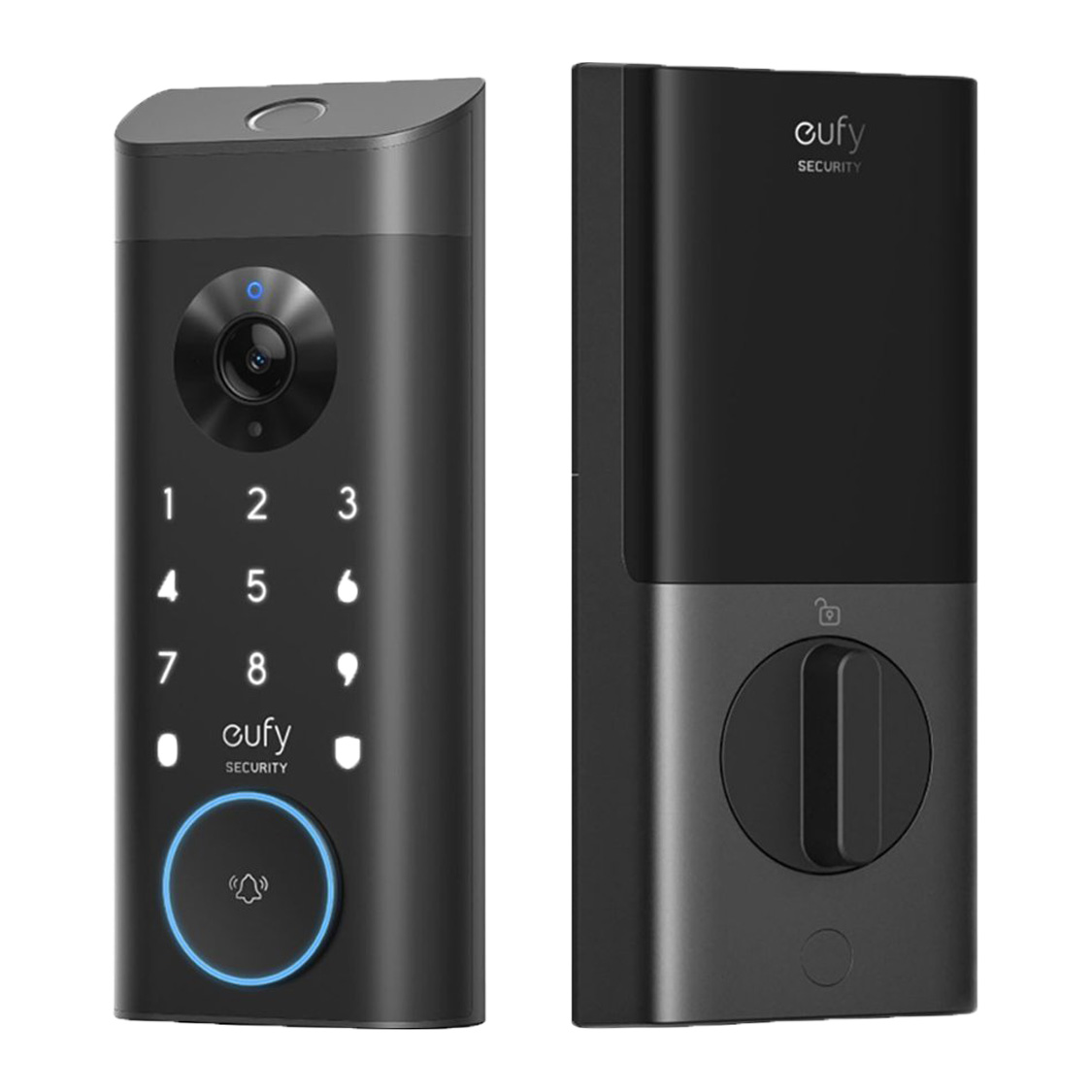
Electronic locks allow entry without searching for keys. Many models use simple codes, fingerprints, or smartphone apps. This helps avoid fumbling in the dark or forgetting keys. Guests and family members can enter easily with a unique code. No need to hide or duplicate physical keys.
Integration With Smart Home Systems
Electronic locks often connect with smart home devices. This lets users control locks remotely using phones or voice commands. You can check lock status, lock or unlock doors from anywhere. Integration improves home security and convenience. It fits well into modern home automation setups.
User Management Features
Managing users is easier with electronic locks. You can create and delete access codes quickly. Set time limits for visitors or service workers. Track who entered and when with activity logs. These features give homeowners better control and peace of mind.
Choosing The Right Lock For Your Home
Choosing the right lock for your home is a key decision for safety and convenience. It depends on several factors. Understanding these helps pick the best option for your needs. This section breaks down important points to consider.
Assessing Security Needs
Think about the level of security your home requires. Some areas need stronger protection due to crime rates. Evaluate entry points like doors and windows. Electronic locks often offer advanced features like alarms and remote access. Traditional keys provide a straightforward approach but lack smart functions.
Lifestyle Considerations
Consider your daily routine and habits. Electronic locks suit busy households with multiple members. They allow easy sharing of access codes or temporary permissions. Keys work well for those preferring simplicity and no tech reliance. Also, think about guests, children, or elderly family members.
Budget Constraints
Set a clear budget for your lock purchase. Electronic locks usually cost more upfront and may have maintenance fees. Keys and mechanical locks are generally cheaper and easier to replace. Balance your spending with the security and convenience features you want.
Credit: www.tomsguide.com
Frequently Asked Questions
Are Electronic Locks More Secure Than Traditional Keys?
Electronic locks offer enhanced security with features like encryption and remote access control. They reduce risks of lock picking and key duplication, making them generally more secure than traditional keys for home protection.
How Do Electronic Locks Improve Home Convenience?
Electronic locks allow keyless entry via codes, smartphones, or biometrics. This convenience eliminates the need for physical keys and enables easy access management for family or guests remotely.
What Are The Costs Of Installing Electronic Locks?
Electronic lock installation costs vary but typically range from $100 to $300 per lock. Additional expenses may include professional installation fees and battery replacements over time.
Can Electronic Locks Work During Power Outages?
Most electronic locks have backup batteries or mechanical key options to function during power outages, ensuring continuous home access without disruption.
Conclusion
Electronic locks offer convenience and strong security for homes. They reduce the risk of losing keys or copying them. You can control who enters your home with ease. Keys still work well and don’t need batteries or apps. Choosing depends on your lifestyle and comfort with technology.
Both options can keep your home safe. Think about what fits your needs best. Safety and ease matter most in the end. Choose a lock that makes you feel secure every day.
Leave a Reply