Choosing the best books on electronics helps learners build strong skills quickly. These books cover basics to advanced topics clearly and simply.
Electronics is a fascinating subject that mixes science and creativity. Beginners and hobbyists need easy-to-follow guides to understand circuits and devices. Some books focus on hands-on projects, while others explain theory in simple words. For kids, playful books make learning fun and safe.
More detailed books support those who want to design and build real electronic systems. Whether you want to play with circuits, learn keyboard electronics, or dive into logic chips, the right book can guide every step. This list includes trusted titles that teach through experiments, projects, and clear explanations. Anyone interested in electronics will find helpful resources here.
Electronics For Kids

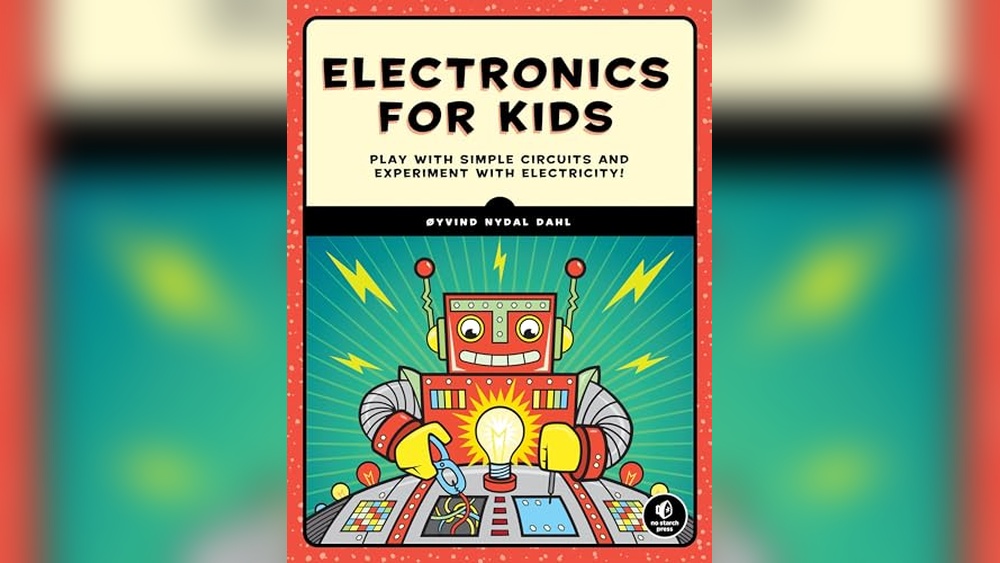
Ideal for young learners and budding inventors, Electronics for Kids: Play with Simple Circuits and Experiment with Electricity! is perfect for children who are curious about how things work and want to explore the basics of electronics and electricity through hands-on activities. This book is designed for kids who enjoy experimenting and building simple circuits, making it an excellent choice for parents, educators, and hobbyists seeking to introduce children to the fascinating world of electronics in a fun and educational way.
Pros:
- Comprehensive guide with easy-to-follow instructions for kids
- Includes a wide variety of simple circuit experiments
- Encourages hands-on learning and creativity
- Written by reputable publisher No Starch Press
- Compact size and lightweight design for easy handling
- Contains 328 pages of detailed content suitable for beginners
Cons:
- May require adult supervision for younger children
- Some experiments need additional components not included in the book
- Publication date (2016) means some newer technologies are not covered
This book offers a rich collection of projects that introduce children to the fundamentals of electric circuits, enabling them to build and understand how electricity flows and powers devices. The combination of clear explanations and colorful illustrations makes complex concepts accessible, fostering an engaging learning experience. By experimenting with various circuits, kids gain practical knowledge and develop problem-solving skills that lay the foundation for future STEM education.
Beyond just theory, the hands-on approach encourages creativity and critical thinking as children test different configurations and observe outcomes. The book’s format ensures that young readers remain motivated and confident as they progress through activities, making electronics approachable and enjoyable. Overall, this resource serves as an excellent introduction to the exciting field of electronics tailored specifically for children.
Getting Started In Electronics

Getting Started in Electronics is ideal for beginners and hobbyists who want to explore the fundamentals of electronics. Whether you are a student, an aspiring engineer, or a DIY enthusiast, this 2020 Spiral Bound edition offers a practical introduction to basic electronic concepts and components. It is perfect for those looking to build a solid foundation before advancing to more complex projects.
Pros:
- Comprehensive yet easy-to-understand content suitable for beginners
- Includes 128 pages of detailed explanations and illustrations
- Compact and lightweight design with dimensions of 0.3 x 8.2 x 10.7 inches and weighing only 0.66 pounds
- Spiral bound format allows for easy handling and note-taking
- Published by the reputable Master Publishing, Inc.
Cons:
- May not cover advanced electronics topics for experienced users
- Print edition only, lacking digital interactive content
This book provides clear explanations of fundamental electronic principles, making complex topics accessible to readers with little or no prior knowledge. The spiral bound format enhances usability, allowing readers to lay the book flat while working on hands-on projects. The concise yet informative content ensures that readers grasp essential concepts without feeling overwhelmed.
Additionally, the well-organized chapters guide users through practical applications, from understanding circuits to working with components like resistors, capacitors, and transistors. The book’s manageable size and weight make it convenient to carry and reference during projects, encouraging continuous learning and experimentation. Overall, it serves as an excellent resource for anyone embarking on their electronics journey.
The Art Of Electronics
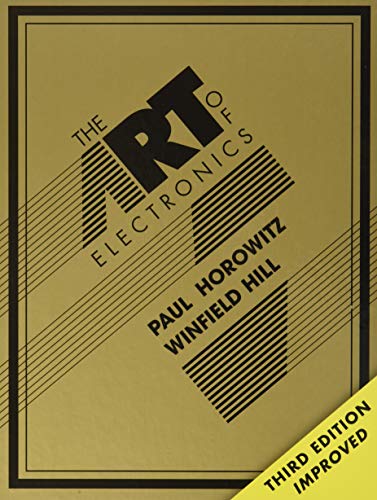
The Art of Electronics is ideal for students, engineers, and hobbyists who seek a comprehensive and authoritative resource in the field of electronics. Whether you are a beginner aiming to understand fundamental concepts or a professional looking to deepen your knowledge, this book provides detailed explanations and practical insights.
Pros:
- Extensive coverage with 1220 pages of in-depth information.
- Published by the reputable Cambridge University Press.
- Detailed explanations of both analog and digital electronics concepts.
- Third edition offers updated content reflecting modern electronics developments.
- High-quality, durable physical book with substantial size and weight for easy reference.
Cons:
- Large and heavy, which may not be convenient for on-the-go reading.
- Complex topics may be challenging for absolute beginners without prior background.
- Publication date from 2015, so some cutting-edge technologies might not be covered.
The Art of Electronics features a comprehensive approach to both theoretical and practical aspects of electronics. Its large volume allows for a thorough exploration of circuit design, microcontrollers, and signal processing, making it a valuable resource for users aiming to build a strong foundation or enhance their technical skills. The book’s detailed diagrams and examples provide clear guidance, helping users apply knowledge effectively in real-world scenarios.
Additionally, the book’s layout and structure facilitate easy navigation through complex topics, which benefits engineers and students alike. The inclusion of updated material in the third edition ensures relevance, while the strong backing of Cambridge University Press guarantees quality and reliability. Overall, this book serves as an essential reference for anyone serious about mastering electronics.
Professional Electronic Design Best Practices

The Professional Electronic Design Best Practices book is ideal for engineers, designers, and students who are looking to enhance their skills in electronic design. Whether you are a beginner seeking foundational knowledge or a seasoned professional aiming to stay updated with the latest industry standards, this guide provides comprehensive insights tailored for practical application.
Pros:
- Detailed explanation of electronic design principles and methodologies.
- Compact size and manageable weight for easy handling and portability.
- Up-to-date content published in 2023, reflecting current industry trends.
- Comprehensive coverage spanning 227 pages, offering in-depth knowledge.
- Independently published, ensuring focused and specialized content.
Cons:
- May be too technical for casual readers or those without a background in electronics.
- Physical copy only, which might not suit readers preferring digital formats.
This book features a well-structured approach to electronic design, covering best practices that streamline the development process. Readers benefit from practical tips on improving design accuracy, reducing errors, and optimizing performance. The dimensions of the book (10.0 inches by 7.0 inches) and its lightweight nature (1.13 pounds) make it a convenient reference to carry along during projects or study sessions.
With 227 pages of detailed content, the book dives deep into techniques that enhance design reliability and efficiency. The publication date of April 2023 ensures that the information is current, reflecting the latest advancements and standards in the field. This makes it an invaluable resource for professionals aiming to maintain a competitive edge and for students aspiring to build a strong foundation in electronic design.
Electronics: Learning By Discovery

The Make: Electronics: Learning by Discovery book is ideal for the new electronics enthusiast who wants a practical and hands-on approach to learning. Whether you are a hobbyist, student, or someone curious about understanding electronics fundamentals, this book offers clear guidance to build your skills effectively.
Pros:
- Provides a step-by-step, hands-on learning experience that promotes active discovery.
- Contains 325 pages of detailed, easy-to-follow content.
- Published by Make Community, LLC, a trusted name in maker education.
- Compact and portable with dimensions 9.75 x 8.0 x 0.68 inches and lightweight at 2.31 pounds.
- Includes updated content as part of the 3rd edition, reflecting modern electronics trends.
Cons:
- May be too basic for advanced electronics users seeking in-depth theory.
- Primarily focused on hands-on projects, less emphasis on theoretical background.
This book excels in offering a practical approach by encouraging learners to explore electronics through experimentation and discovery. The layout and project design enable readers to build circuits and understand concepts such as voltage, current, and resistance in a tangible way. With clear instructions and supporting illustrations, users can grasp complex ideas without feeling overwhelmed.
Furthermore, the updated 3rd edition includes contemporary components and modern applications, making it relevant for today’s technology enthusiasts. The manageable size and weight make it easy to carry along for study sessions or workshop use. Overall, this primer serves as a valuable resource for anyone eager to develop foundational electronics skills through interactive learning.
Complete Electronics Self-teaching Guide

The Complete Electronics Self-Teaching Guide with Projects is ideal for beginners, hobbyists, and students who want to gain a solid foundation in electronics through hands-on learning. This guide is perfect for individuals looking to understand electronic concepts step-by-step while building practical projects that reinforce their knowledge.
Pros:
- Comprehensive coverage of electronics fundamentals and advanced topics
- Includes practical projects for hands-on learning and skill application
- Written in an easy-to-understand format suitable for self-study
- 608 pages packed with detailed explanations and illustrations
- Published by Wiley, a trusted name in educational resources
Cons:
- Some content may feel outdated as the edition was published in 2012
- Physical size and weight may not be convenient for travel
- More suited for readers with some basic understanding; absolute beginners may need supplementary materials
This guide’s extensive content covers a wide range of electronic principles including circuit design, semiconductor devices, and digital electronics. Each chapter builds on the previous one, making complex topics accessible through clear explanations and practical examples. The inclusion of hands-on projects allows users to apply theory in real-world scenarios, reinforcing learning and boosting confidence.
The physical attributes of the book, with dimensions roughly 9.8 x 7.5 x 1.7 inches and weighing about 2 pounds, make it a substantial resource to keep on hand for continuous reference. Its detailed layout and well-organized chapters ensure users can easily navigate through topics at their own pace, making it a valuable tool for self-paced learning and long-term skill development.
Electronics Fundamentals

The Electronics Fundamentals: Circuits, Devices & Applications is ideal for students, engineers, and hobbyists who want a comprehensive understanding of electronics principles. Whether you are pursuing a degree in electrical engineering or looking to deepen your knowledge in circuit design and electronic devices, this book offers detailed explanations and practical applications to support your learning journey.
Pros:
- Comprehensive coverage of electronic circuits and devices
- Authored by Pearson, a trusted name in educational resources
- Extensive content spanning over 1063 pages for in-depth study
- Detailed illustrations and practical examples to enhance understanding
- Suitable for both beginners and advanced learners with clear explanations
Cons:
- Relatively heavy and large in size, weighing over 5 pounds
- Edition published in 2009, may not include the latest technological advancements
- Lengthy content might be overwhelming for casual readers
The 8th edition of this book presents a thorough exploration of electronic circuits, devices, and their practical applications. Its detailed approach ensures that readers gain a solid foundation in understanding how electronic components function and interact within circuits. The book’s large format and extensive page count allow for comprehensive explanations and numerous examples, which can significantly benefit learners who prefer in-depth study materials.
Additionally, the inclusion of real-world applications and problem-solving techniques helps users translate theoretical knowledge into practical skills. This aspect makes it an excellent resource not only for academic purposes but also for professionals seeking to refresh or expand their expertise in electronics fundamentals. Despite its size and age, the book remains a valuable reference with clear, structured content provided by the reputable publisher, Pearson.
Alfred’s Teach Yourself To Play Electronic Keyboard

Ideal for beginners who want to learn to play the electronic keyboard independently, Alfred’s Teach Yourself to Play Electronic Keyboard is perfect for self-motivated learners seeking a comprehensive and easy-to-follow guide. Whether you have no prior musical experience or want to refresh your skills, this book provides everything you need to start playing now.
Pros:
- Comprehensive step-by-step instructions tailored for beginners
- Compact size and lightweight, making it easy to carry and reference
- Clear illustrations and examples to enhance learning
- Published by the reputable Alfred Music, ensuring quality content
- Includes 80 pages filled with practical exercises and tips
Cons:
- Publication date is from 1987, so some modern keyboard features are not covered
- May not be suitable for advanced players looking for in-depth theory
- Lacks multimedia content like audio or video tutorials
This book’s dimensions of 11.5 inches in height and 8.75 inches in length make it a handy reference that won’t take up much space. Despite being published in 1987, the core fundamentals of keyboard playing it covers remain relevant, providing a solid foundation in reading music, rhythm, and finger positioning. The clear layout and concise explanations help users grasp concepts quickly, enabling faster progress.
By focusing on practical learning, the book ensures users can immediately apply what they learn on their electronic keyboards. This results in a rewarding experience, motivating learners to continue practicing and improving. Its inclusion in the trusted Teach Yourself Series by Alfred Music further guarantees a structured and effective approach to mastering the electronic keyboard.
More Electronics

Ideal for electronics enthusiasts, hobbyists, and students eager to deepen their understanding of logic chips, amplifiers, sensors, and the concept of randomicity, Make: More Electronics offers a comprehensive exploration into the intricate world of electronic components and their practical applications.
Pros:
- Detailed coverage of various electronic components including logic chips, amplifiers, and sensors.
- Written by MAKER MEDIA INC, ensuring quality and authoritative content.
- Extensive 394 pages filled with practical insights and projects.
- Compact dimensions (9.69 x 0.66 x 8.06 inches) making it easy to handle and store.
- Published by Make Community, LLC, a trusted name in electronics and DIY culture.
Cons:
- Publication date (2014) may mean some content is less updated with the latest technologies.
- Primarily suited for readers with basic to intermediate electronics knowledge; beginners may find some sections challenging.
This book delves deeply into the practical aspects of electronics, offering readers hands-on knowledge of how logic chips operate and how amplifiers can be leveraged in various circuits. The inclusion of sensors and the study of randomicity expands the scope, giving users a well-rounded perspective on modern electronics concepts.
With its detailed explanations and clear illustrations, Make: More Electronics benefits users by providing not only theoretical knowledge but also real-world applications. Readers can expect to enhance their skills in designing and understanding complex circuits, making this a valuable resource for anyone looking to advance their electronics expertise.
Electric Guitar 1
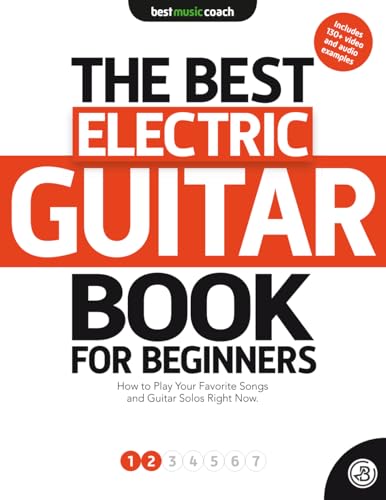
The Best Guitar Book for Beginners, titled Electric Guitar 1: How to Play Your Favorite Songs and Guitar Solos Right Now, is ideal for individuals who are just starting their journey with the electric guitar. Whether you are a complete novice or someone looking to refine basic skills, this book is designed to help you quickly learn to play popular songs and guitar solos. It is perfect for self-learners and anyone who prefers a structured yet easy-to-follow approach to mastering the electric guitar.
Pros:
- Comprehensive guide with 186 pages of detailed instruction and practice material.
- Written by Best Music Coach LLC, ensuring professional and reliable teaching methods.
- Compact and lightweight, with dimensions of 11 x 8.5 x 0.42 inches and weighing only 1.12 pounds, making it easy to carry around.
- Published recently in 2022, providing up-to-date techniques and song selections.
- Focuses on playing favorite songs and solos right from the start, keeping learners motivated.
Cons:
- May be too basic for advanced players seeking in-depth theory or complex techniques.
- Limited to electric guitar, so acoustic players might need additional resources.
- Physical book format only, without an accompanying digital or video tutorial component.
This book’s structured lessons are crafted to build foundational skills in a progressive manner, making it easier for beginners to grasp essential techniques such as chord transitions, scales, and soloing. The inclusion of popular songs ensures that learners stay engaged and can apply their skills to real music quickly, which is beneficial for maintaining motivation and interest. The clear, step-by-step instructions also help reduce the intimidation factor often experienced by new guitarists.
Additionally, the book’s lightweight and portable design allows users to practice anywhere, whether at home or on the go. Being published by a reputable brand like sagga and a professional music coaching company guarantees quality content that aligns with modern playing styles. Overall, this book provides a practical and enjoyable learning experience for anyone eager to start playing the electric guitar effectively and confidently.
Frequently Asked Questions
What Are The Best Beginner Books On Electronics?
Books like “Electronics for Kids” and “Getting Started in Electronics” are perfect for beginners. They offer simple explanations and hands-on projects to build foundational skills in electronics.
Which Book Covers Advanced Electronic Design Techniques?
“Professional Electronic Design Best Practices” is ideal for advanced learners. It provides in-depth guidelines and methods for professional electronic circuit design and optimization.
Can These Books Help With Practical Electronics Projects?
Yes, titles like “Make: Electronics” and “Complete Electronics Self-Teaching Guide” include practical experiments. They encourage learning through discovery and real-world circuit building.
Are There Electronics Books Suitable For Kids And Teens?
“Electronics for Kids” is specifically designed for younger readers. It uses playful experiments to teach basic circuit concepts in an engaging way.
Which Book Is Recommended For Learning Electronic Circuits And Devices?
“Electronics Fundamentals: Circuits, Devices & Applications” offers comprehensive coverage of circuit theory and electronic components. It’s excellent for students and hobbyists alike.
Do These Books Cover Electronic Music Instruments?
Yes, “Alfred’s Teach Yourself to Play Electronic Keyboard” and “The Best Guitar Book for Beginners” focus on electronic instruments. They guide beginners in playing and understanding electronic music.
Conclusion
Choosing the right book can make learning electronics simple and fun. The titles listed cover basics, projects, and advanced ideas. Some focus on kids, while others suit beginners or experienced learners. Hands-on books help you practice while reading. Theory books explain how circuits and devices work.
Whether you want to build gadgets or understand electronics deeply, there is a book here for you. Start with easy concepts and move to complex topics step by step. Reading regularly improves your skills and confidence. These books also include projects, making learning active and enjoyable.
Explore different authors and find the style that fits you best. Keep your learning steady, and soon electronics will feel less confusing and more exciting. With the right guide, you can enjoy every part of this fascinating subject. Dive into these books and watch your knowledge grow!