Electronic music tutorials help beginners and pros improve their skills quickly. These guides cover all key topics in electronic music production and performance.
Learning electronic music can feel hard without clear instructions. The best tutorials simplify complex ideas into easy steps. They teach everything from basic sound creation to advanced mixing techniques. Whether you want to produce club tracks or learn keyboard chords, these resources offer practical advice.
Some focus on popular software like FL Studio and Ableton, while others explain instruments like the Stylophone or electric drums. Video lessons and books help you practice at your own pace. With the right tutorials, anyone can create electronic music that sounds clean and professional. This guide introduces top tutorials that match different learning styles and skill levels.
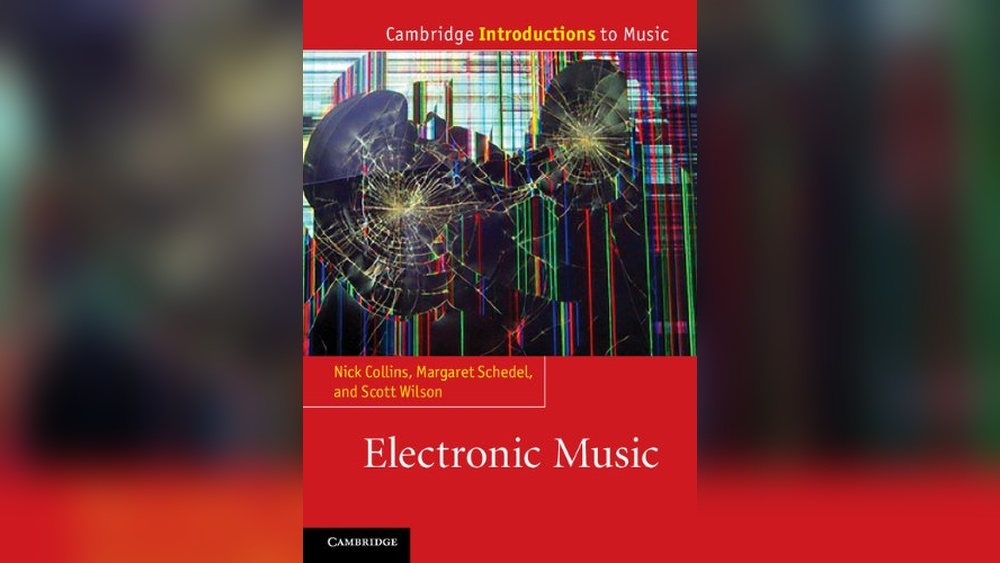
Electronic Music

The Electronic Music (Cambridge Introductions to Music) book is ideal for students, educators, and enthusiasts who want a comprehensive and accessible introduction to the world of electronic music. Whether you are new to the genre or looking to deepen your understanding of its history, technology, and cultural impact, this book provides a well-rounded perspective. It is especially suitable for those interested in music production, sound design, and musicology.
Pros:
- Published by the reputable Cambridge University Press, ensuring high-quality and reliable content.
- Illustrated edition with 241 pages, offering clear visuals to complement the text.
- Comprehensive coverage of electronic music’s history, technology, and cultural significance.
- Easy-to-understand language suitable for beginners and intermediate learners.
- Well-structured content, making it a great academic resource.
Cons:
- Publication date from 2013, so some recent developments in electronic music might not be covered.
- May be less appealing to advanced producers seeking highly technical or niche content.
This book delves into the evolution of electronic music, exploring key technological advancements and influential artists that shaped the genre. Readers will benefit from the clear explanations of synthesizers, samplers, and digital audio workstations, which help demystify the tools behind electronic music creation. The illustrated format enhances comprehension by providing visual references that support the textual information.
Furthermore, the book discusses the cultural and social contexts of electronic music, offering insights into how the genre interacts with broader musical traditions and societal trends. This makes it not only an educational guide to the mechanics of electronic music but also a thoughtful exploration of its artistic significance. Overall, the book is a valuable resource for anyone looking to understand or teach the fundamentals and impact of electronic music.
The Computer Music Tutorial

The Computer Music Tutorial, second edition is ideal for musicians, audio engineers, and students who want to deepen their understanding of digital music production and sound synthesis. Whether you are a beginner eager to learn the fundamentals or an advanced user looking to refine your skills, this comprehensive guide offers valuable insights. Its detailed explanations and practical examples make it a must-have resource for anyone serious about mastering computer-based music creation.
Pros:
- Comprehensive coverage of digital audio concepts and techniques
- Authored by The MIT Press, ensuring high-quality content
- Extensive 1250 pages filled with in-depth tutorials and illustrations
- Updated and relevant to modern music technology as of its 2023 publication
- Suitable for both beginners and advanced users
Cons:
- Large volume may be overwhelming for casual readers
- Primarily text-heavy, which might not suit those who prefer video tutorials
- Publication date means some cutting-edge tech developments may not be included
This edition of the Computer Music Tutorial offers an extensive exploration of the principles behind digital sound synthesis, audio processing, and music programming. Its detailed chapters cover everything from basic waveforms to complex digital effects, providing readers with a solid foundation in computer music theory and practice. The book’s structure allows users to progress at their own pace, making it accessible for both novices and seasoned professionals.
Readers will benefit from the practical examples and exercises designed to reinforce key concepts, enhancing their ability to apply knowledge to real-world music production. Additionally, the book’s focus on the latest developments in digital music technology ensures that users stay informed about current trends and tools, making it a valuable reference for creative and technical growth in the field.
Electronic Music Production

Electronic Music Production: The Biggest Mistakes & Tips and Tricks for Successful Club Tracks is ideal for aspiring and intermediate music producers who want to refine their skills and avoid common pitfalls in creating club-ready electronic tracks. If you are passionate about crafting professional-sounding electronic music and eager to learn practical advice from experienced producers, this book is tailored for you.
Pros:
- Comprehensive guide covering common mistakes and effective tips
- Focuses on producing successful club tracks that resonate with audiences
- Practical advice suitable for both beginners and intermediate producers
- 99 pages packed with actionable insights and techniques
- Published recently in 2021, reflecting modern production trends
Cons:
- May be too basic for advanced producers seeking in-depth technical details
- Primarily focused on club music, limiting its scope for other electronic genres
This book delves into the essential features of electronic music production, highlighting the biggest mistakes that often hinder producers from achieving their desired sound. It offers clear explanations on how to avoid these errors, ensuring that your tracks maintain clarity, energy, and club appeal. The step-by-step tips help users enhance their workflow and sound design techniques, making the production process more efficient and enjoyable.
Readers will benefit from practical insights that improve mixing, arrangement, and mastering skills specifically tailored to club tracks. The guidance provided empowers producers to create compelling music that stands out in crowded dance floors and streaming platforms. By following the tips and tricks outlined in this book, users can accelerate their growth and increase their chances of success in the competitive electronic music scene.
Music Production For Beginners

The book Music Production For Beginners: How to Produce Music is ideal for aspiring music producers, artists, and songwriters who want an easy-to-understand guide to start creating their own music. Whether you’re new to music production or looking to improve your skills, this comprehensive guide offers practical advice and step-by-step instructions perfect for beginners.
Pros:
- Includes bonus video lessons for visual and practical learning
- Easy to read and understand, making complex concepts accessible
- Comprehensive coverage over 201 pages of detailed content
- Published recently in 2025, ensuring up-to-date techniques
- Suitable for multiple roles: producers, artists, and songwriters
Cons:
- Primarily focused on beginners, may lack depth for advanced users
- Physical book format might be less convenient than fully digital resources
This guide is packed with essential music production techniques that allow beginners to grasp the fundamentals quickly. The inclusion of bonus video lessons complements the written content by providing practical demonstrations, which enhance understanding and retention. Readers will learn everything from setting up a home studio to mixing and mastering their tracks, making the learning process both engaging and effective.
With its clear structure and up-to-date content, this book helps users build a solid foundation in music production. The practical tips and examples cater specifically to those new to the industry, empowering them to confidently produce their own music. Overall, it serves as a valuable resource for anyone serious about starting their journey in music creation.
Scales Notes And Chords Tutorial Book For Keyboard And Midi

The SCALES NOTES and CHORDS tutorial book for KEYBOARD and MIDI is ideal for music producers and composers who want a clear and concise guide on chord progressions, scales, notes, and the basics of music theory. Whether you are a beginner looking to understand fundamental concepts or an intermediate musician seeking to refine your skills, this tutorial book provides essential knowledge tailored to enhance your keyboard and MIDI production.
Pros:
- Compact and easy-to-understand format with only 20 pages
- Focuses on practical application for producers and composers
- Covers essential topics like chord progression and scale theory
- Authored by Samson Lieyon, offering industry-relevant insights
- Useful for both keyboard and MIDI instrument users
Cons:
- Limited depth due to brevity of the book
- Publication date is from 2019, so it may lack recent advancements
- Not suitable for advanced musicians seeking in-depth theory
This tutorial book provides a focused exploration of music theory essentials specifically crafted for keyboard and MIDI users. It breaks down complex topics like chord progressions and scale structures into digestible information that is easy to apply in real-world music production. The concise 20-page layout makes it accessible and perfect for quick reference or for those new to the subject.
The benefits of this book lie in its practical approach, enabling producers and composers to quickly grasp important concepts that can be directly implemented in their musical projects. By understanding the relationship between notes, chords, and scales, users can enhance their creativity, improve composition skills, and produce more harmonically rich music. This guide serves as an excellent foundation for anyone looking to deepen their knowledge of music theory in a streamlined and efficient manner.
Live Electronic Music Tutorials

The Live Electronic Music Tutorials With Mikas are perfect for aspiring electronic music producers, DJs, and music enthusiasts who want to enhance their skills through interactive and real-time learning. Ideal for beginners and intermediate users seeking expert guidance, these tutorials provide a hands-on approach to mastering electronic music production.
Pros:
- Expert instruction from Mikas, a renowned figure in electronic music
- Interactive live sessions allowing real-time questions and feedback
- Up-to-date content published in 2023 ensuring modern techniques
- Comprehensive coverage of electronic music production tools and software
- Flexible learning suited for various skill levels
Cons:
- Requires stable internet connection for live sessions
- May be challenging for absolute beginners without any prior music background
- Limited availability based on scheduled live tutorials
These live tutorials offer an immersive learning experience by combining theoretical knowledge with practical demonstrations. Mikas guides users through the essentials of electronic music production, including sound design, beat-making, and mixing techniques. The real-time interaction allows learners to clarify doubts instantly, making the learning process efficient and engaging.
Additionally, the tutorials emphasize current industry trends and software updates, ensuring that users stay ahead in the fast-evolving electronic music scene. By participating in these sessions, users gain not only technical skills but also creative inspiration, empowering them to produce unique and professional-quality tracks.
Edm Mixing For Beginners

EDM MIXING FOR BEGINNERS is perfect for aspiring electronic music producers who want to learn how to create professional-sounding mixes in popular DAWs like FL Studio, Ableton, Logic Pro, or Cubase. If you are passionate about genres such as House, Trance, Dubstep, or other electronic styles and seek a clear, loud, and polished sound, this guide is tailored for you. Whether you are new to mixing or looking to refine your skills, this book offers step-by-step instructions that make complex concepts accessible.
Pros:
- Comprehensive guidance covering multiple DAWs including FL Studio, Ableton, Logic Pro, and Cubase.
- Focuses on a variety of electronic music genres like House, Trance, and Dubstep.
- Includes practical tips for achieving a clean, loud, and professional sound.
- Easy-to-follow instructions ideal for beginners.
- Free resources and examples to enhance learning.
Cons:
- Primarily targeted at beginners; may not offer advanced techniques for experienced mixers.
- Limited to electronic music genres, not covering other music styles.
- Physical book format with 150 pages may require supplementary video tutorials for some learners.
This book delves into the essential techniques for mixing electronic music, explaining how to balance elements, use effects, and master tracks within your preferred DAW. The clear instructions help users understand signal flow, EQ, compression, and other critical processes, allowing them to produce mixes that stand out in quality. The diverse genre coverage ensures that readers can apply these skills across popular electronic music styles, enhancing their creative flexibility.
By following this guide, users gain practical knowledge that translates into real-world mixing scenarios, enabling them to achieve a loud, clean, and professional sound. The inclusion of free resources and examples makes it easier for beginners to practice and internalize the concepts, accelerating their learning curve. Overall, this book is a valuable resource for anyone serious about stepping up their EDM mixing game.
Amazon Prime Music User Guide

Ideal for music enthusiasts, Amazon Prime members, and anyone looking to explore a vast library of songs without extra cost, The Amazon Prime Music User Guide (Your Guide to Over One Million Free Songs) is perfect for those who want to maximize their streaming experience. This guide is designed to help users navigate and make the most out of Amazon Prime Music’s extensive catalog.
Pros:
- Comprehensive guide covering over one million free songs.
- Easy-to-follow instructions tailored for Amazon Prime users.
- Compact 34-page format for quick reference.
- Published in 2014, providing foundational insights into Prime Music.
- Helps users discover hidden features and optimize playlists.
Cons:
- Publication date (2014) may mean some information is outdated due to platform updates.
- Limited to Amazon Prime Music, not covering other streaming services.
The Amazon Prime Music User Guide offers an accessible introduction to the streaming service, highlighting how users can access and enjoy a vast collection of songs included with their Prime membership. It breaks down the platform’s features such as playlist creation, song discovery, and offline listening, enabling users to customize their music experience effortlessly. The concise 34-page length makes it easy to digest the essentials without overwhelming the reader.
By following the guide, users benefit from enhanced navigation of Amazon Prime Music’s interface and learn how to take advantage of its unique offerings like curated playlists and genre-specific stations. Although published in 2014, the guide still provides valuable tips that can help new and existing Prime members unlock the full potential of their music streaming service, ensuring an enjoyable and seamless listening journey.
How To Play The Stylophone For Absolute Beginners

This guide is perfect for absolute beginners who are eager to learn how to play the Stylophone. Whether you are a hobbyist, a music student, or someone curious about electronic music creation, this book offers clear instructions and practical tips to help you master the basics of sound generation, finger techniques, and crafting electronic melodies.
Pros:
- Concise and easy-to-follow instructions over 27 pages
- Step-by-step guidance tailored for beginners
- Covers fundamental sound generation and playing techniques
- Helps develop skills in electronic melody creation
- Published recently, ensuring up-to-date content
Cons:
- Limited to 27 pages, which may not cover advanced techniques
- Focuses solely on Stylophone, not applicable to other instruments
The book provides a thorough explanation of how to generate sounds on the Stylophone, making it easy for newcomers to understand the instrument’s unique touch-sensitive keyboard. It emphasizes practical finger techniques that enhance precision and control, enabling learners to play melodies confidently. The guide also introduces electronic melody creation, helping users explore creative possibilities beyond simple tunes.
By following this guide, users will quickly become comfortable with the Stylophone’s interface and sound capabilities. The structured approach fosters a solid foundation in electronic music basics, making it a valuable resource for anyone starting their musical journey with this iconic instrument.
How To Play The Electric Drum For Absolute Beginners

This guide is perfect for absolute beginners who want to learn how to play the electric drum. Whether you have never touched a drumstick before or are transitioning from acoustic drums, this book offers a clear and concise introduction to the basics of pad layout, stick control, and digital rhythm building. It is ideal for those looking to quickly grasp the fundamentals and start playing confidently.
Pros:
- Clear explanation of pad layout for easy understanding.
- Step-by-step guidance on developing effective stick control.
- Focuses on digital rhythm building, enhancing modern drumming skills.
- Concise format with only 41 pages, making it manageable for beginners.
- Published recently, ensuring up-to-date techniques and approaches.
Cons:
- Limited to basics; may not satisfy advanced drummers.
- Primarily focused on electric drums, less applicable to acoustic sets.
This beginner’s guide covers essential aspects of electric drumming by breaking down the pad layout, allowing learners to familiarize themselves with the instrument’s setup quickly. By mastering the stick control techniques presented, users can improve their hand coordination and precision, which are critical for dynamic playing. The book also introduces digital rhythm building, a key skill for integrating electronic sounds and effects into drum patterns.
With its compact size and focused content, the guide is designed to be accessible and not overwhelming, making it perfect for those starting their drumming journey. The practical approach ensures that readers can apply what they learn immediately, boosting confidence and encouraging consistent practice. Overall, this book is a valuable resource for anyone eager to master the fundamentals of playing the electric drum efficiently.
Frequently Asked Questions
What Are The Best Books For Learning Electronic Music?
Top books include “Electronic Music” by Cambridge, “The Computer Music Tutorial,” and “Electronic Music Production. ” These cover theory, production, and practical tips for beginners to advanced learners in electronic music creation.
How Can Beginners Start Producing Electronic Music?
Beginners should use guides like “Music Production For Beginners” and tutorials on DAWs like FL Studio or Ableton. Focus on basics such as scales, chords, and mixing techniques for a solid foundation.
Which Tutorials Help Improve Electronic Music Mixing Skills?
“EDM MIXING FOR BEGINNERS” offers step-by-step mixing techniques for genres like House and Dubstep. It covers software tools and tips to achieve clean, loud, professional-sounding tracks.
What Resources Teach Keyboard And Midi Chord Progressions?
The “SCALES NOTES and CHORDS tutorial book” is ideal. It explains chord progressions, scales, and notes, helping producers and composers create harmonious electronic music.
Are There Beginner Guides For Electronic Instruments Like Stylophone?
Yes, “How To Play The Stylophone For Absolute Beginners” teaches sound generation, finger techniques, and melody creation, perfect for those new to electronic instruments.
How Can I Access Free Electronic Music On Amazon Prime?
The “Amazon Prime Music User Guide” helps users navigate over one million free songs, including electronic music, making it easy to discover and stream legally.
Conclusion
Exploring the best electronic music tutorials can boost your skills step by step. These guides cover many topics, from basic notes and chords to mixing and production tips. Whether you want to learn keyboard scales or how to mix tracks, there is a tutorial suited for you.
The lessons are designed to be simple and clear, making learning easier for beginners. With practice, you can create your own sounds and improve your music style. Remember, patience and regular practice are key to progress. Using these tutorials, you can enjoy making electronic music and build your confidence.
Keep experimenting with different techniques and tools to find what works best for you. This journey can be fun and rewarding. Start with one tutorial and take it one step at a time. Your music skills will grow, and your creativity will shine.