Choosing the best electronics basics book helps beginners understand key concepts clearly. A good book simplifies complex ideas and guides practical learning.
Electronics can seem hard at first. A beginner-friendly book makes learning easier by explaining circuits, components, and electricity step-by-step. Practical examples and simple language help readers build confidence. Books like “Understanding Basic Electronics” and “Electronics For Dummies” offer clear instructions and hands-on projects.
These resources cover everything from resistors and capacitors to microcontrollers and logic chips. Whether you want to fix gadgets or start a new hobby, the right book provides a solid foundation. This guide reviews top books that teach electronics in an easy, straightforward way. Start your learning journey with a book that matches your pace and interests.
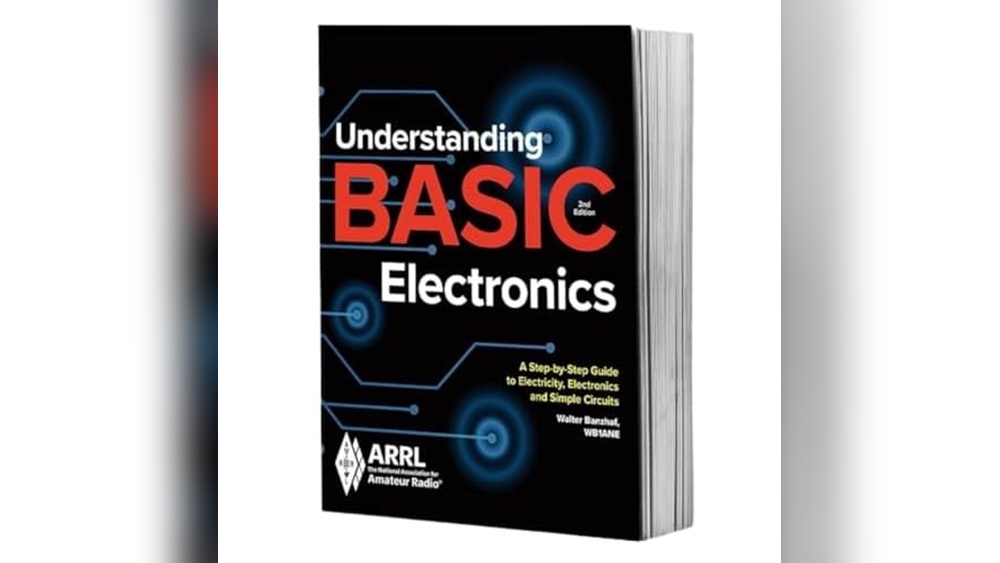
Understanding Basic Electronics

The book Understanding Basic Electronics – A Step-by-Step Guide to Electricity, Electronics, and Simple Circuits is ideal for beginners, hobbyists, and students who want to build a solid foundation in electronics. If you are someone eager to learn about the fundamentals of electricity, how simple circuits work, and practical applications, this guide by ARRL Inc. is a perfect choice. It suits those who prefer a clear, structured approach to complex topics in an easy-to-understand format.
Pros:
- Comprehensive coverage of basic electronics concepts with practical examples.
- Written by ARRL The National Association for Amateur Radio®, ensuring credible and expert information.
- Step-by-step guide that simplifies complex ideas for beginners.
- Compact and manageable size with 387 pages for in-depth learning.
- Includes clear illustrations and diagrams to enhance understanding.
Cons:
- Published in 2010, some information might be slightly outdated for advanced modern electronics.
- Primarily focused on basics, may not satisfy advanced users looking for deeper technical details.
- Physical book format may not appeal to those preferring digital resources.
This guide’s detailed explanation of electricity fundamentals, such as voltage, current, and resistance, helps users grasp the core principles that govern electronic devices. The inclusion of simple circuit design and analysis allows readers to apply their knowledge practically, bridging theory with hands-on experience. This practical approach benefits learners by enhancing problem-solving skills and boosting confidence in working with electronics.
Additionally, the book’s structure is designed to build knowledge progressively, making it accessible for those without prior experience. The reliable backing of ARRL Inc. and its focus on amateur radio enthusiasts further enrich the content with relevant and useful insights. Overall, this guide is an excellent resource for anyone eager to understand the basics of electronics and start creating their own circuits effectively.
Electronics: Learning By Discovery

The Make: Electronics: Learning by Discovery book is ideal for the new electronics enthusiast who wants a hands-on, practical approach to understanding electronics. Whether you’re a hobbyist, student, or someone looking to build a strong foundation in electronics, this book offers an engaging way to learn through discovery and experimentation.
Pros:
- Comprehensive 325-page guide covering fundamental electronics concepts
- Practical, hands-on projects that reinforce learning through experience
- Published by the reputable Make Community, LLC, ensuring quality content
- Compact size with dimensions 9.75 x 8.0 x 0.68 inches and lightweight design for easy handling
- Latest 3rd edition published in 2021, reflecting up-to-date knowledge and techniques
Cons:
- May be challenging for complete beginners without any prior exposure to electronics
- Focuses mainly on discovery and experimentation, which might not appeal to those who prefer theoretical explanations
- Physical book format may not suit those who prefer digital or interactive content
This book stands out with its emphasis on learning by discovery, making electronics accessible and engaging. The projects within encourage users to build circuits and troubleshoot problems, fostering a deeper understanding of electronic components and their real-world applications. The clear layout and practical approach help readers build confidence as they progress through the material.
Additionally, the book’s updated content ensures that learners are exposed to modern electronics concepts and practices. Its manageable size and weight make it convenient to carry and use as a reference during hands-on projects. Overall, Make: Electronics: Learning by Discovery is a valuable resource for anyone eager to dive into electronics with a practical, project-based approach.
Electronics For Dummies

The Electronics For Dummies (For Dummies (Computer/Tech)) is an ideal choice for beginners and enthusiasts who want to understand the fundamentals of electronics without prior technical knowledge. If you are a student, hobbyist, or anyone interested in learning about electronic components, circuits, and applications in an easy-to-follow format, this book is designed specifically for you.
Pros:
- Comprehensive coverage of basic to intermediate electronics concepts
- Written in clear, accessible language suitable for beginners
- Includes practical examples and illustrations for better understanding
- Well-organized with 432 pages of detailed content
- Portable size with manageable dimensions and weight
Cons:
- May be too basic for advanced electronics professionals
- Some technical topics might require additional resources for deep learning
- Published in 2019, so certain latest technologies might not be covered
The 3rd edition of Electronics For Dummies offers a thorough introduction to electronic principles, including circuit design, components, and troubleshooting techniques. Its well-structured layout and straightforward explanations allow readers to grasp complex ideas with ease. By breaking down technical jargon and providing clear examples, this book benefits users by boosting their confidence and skills in handling electronic projects.
With a weight of just over 2 pounds and compact dimensions, this book is easy to carry, making it a convenient reference for both study and practical application. The extensive 432 pages ensure that readers receive ample information to build a solid foundation in electronics. Overall, this edition by the reputable For Dummies brand is a valuable resource for anyone aiming to demystify the world of electronics.
Getting Started In Electronics

The Getting Started in Electronics book is ideal for beginners and hobbyists who want to learn the fundamentals of electronics in an easy-to-understand format. Whether you are a student, a DIY enthusiast, or someone looking to explore the basics of circuits and components, this guide provides the perfect starting point.
Pros:
- Comprehensive introduction to electronics concepts
- Spiral bound format allows for easy handling and note-taking
- Compact size and lightweight for portability
- 128 pages filled with practical examples and illustrations
- Published by reputable brand Master Publishing in 2020
Cons:
- May be too basic for advanced electronics learners
- Limited to 128 pages, so some complex topics are not covered in depth
This 2020 Spiral Bound edition of Getting Started in Electronics by Master Publishing offers a well-structured introduction that breaks down complex topics into manageable lessons. Its size and weight make it convenient to carry around, allowing learners to study on the go. The book’s layout is designed to engage readers with clear diagrams and step-by-step instructions, which enhance understanding and retention.
Readers benefit from a hands-on approach to learning electronics, with practical examples that encourage experimentation. The book covers essential topics such as circuit design, component functions, and troubleshooting, providing a solid foundation for anyone interested in electronics. Its user-friendly format makes it an excellent resource for self-study or as a supplementary textbook in educational settings.
Encyclopedia Of Electronic Components Volume 1

The Encyclopedia of Electronic Components Volume 1 is ideal for electronics enthusiasts, students, hobbyists, and professionals who want an in-depth understanding of fundamental electronic parts such as resistors, capacitors, inductors, switches, encoders, relays, and transistors. This comprehensive guide is perfect for those seeking detailed technical knowledge and practical insights into these essential components.
Pros:
- Detailed explanations of a wide range of electronic components
- High-quality illustrations and diagrams to aid understanding
- Written by experienced authors from MAKER MEDIA INC
- Compact size with 294 pages, easy to carry and reference
- Provides practical applications and usage tips for each component
Cons:
- Publication date is from 2012, so some newer components may not be covered
- Primarily focused on Volume 1 components, so additional volumes are needed for a complete collection
This encyclopedia offers a thorough exploration of the most common electronic components, making it a valuable resource for anyone involved in electronics design or repair. Each component is broken down into its functions, characteristics, and practical uses, helping readers build a strong foundation in electronics theory and practice. The book’s detailed illustrations and clear descriptions enhance comprehension, allowing users to visualize how components operate within circuits.
Additionally, the book’s compact dimensions (Height: 9.75 inches, Width: 0.59 inches, Length: 8.0 inches) and reasonable weight make it convenient for both study and on-the-go reference. Published by Make Community, LLC, this edition combines authoritative information with accessible language, making it suitable for learners at various levels. Whether you are troubleshooting a circuit or designing new projects, this encyclopedia serves as a reliable handbook for mastering electronic components.
Basic Electricity

The Basic Electricity book by Research & Education Association is ideal for students, educators, and professionals who are looking to build a strong foundation in electrical concepts. Whether you are a beginner or someone seeking a comprehensive reference guide, this book offers detailed explanations suitable for technical courses and self-study. It is especially beneficial for those involved in electrical engineering, electronics, or vocational training.
Pros:
- Comprehensive coverage with 504 pages of detailed content.
- Published by a reputable brand and manufacturer, Research & Education Association.
- Compact size with dimensions of 10.8 x 0.9 x 8.4 inches, making it easy to handle and store.
- Well-structured material suitable for both beginners and advanced learners.
- Provides fundamental principles that are essential for understanding more complex electrical systems.
Cons:
- Published in 2002, some content might be outdated due to advancements in technology.
- Relatively heavy at 3.1 pounds, which might not be convenient for carrying around frequently.
- Primarily a textbook-style format, which may not appeal to readers looking for interactive or multimedia learning tools.
The Basic Electricity book offers an in-depth exploration of electrical principles, covering everything from basic theories to practical applications. Its thorough explanations and structured layout help users grasp complex concepts with ease. The extensive page count ensures that readers have access to a wide range of topics, making it a valuable resource for long-term study and reference.
Additionally, the book’s design and dimensions make it suitable for both classroom use and personal study. Despite its age, the core fundamentals remain relevant, providing a solid groundwork for anyone pursuing electrical knowledge. Whether preparing for exams or enhancing professional skills, this book delivers essential insights that benefit users in various educational and career paths.
Electronics For Beginners

This book, Electronics for Beginners: A Practical Introduction to Schematics, Circuits, and Microcontrollers, is ideal for individuals who are new to electronics and eager to build a solid foundation in the subject. Whether you are a student, hobbyist, or aspiring engineer, this comprehensive guide from Apress offers clear explanations and practical examples designed to simplify complex concepts and help you gain hands-on experience.
Pros:
- Comprehensive coverage of schematics, circuits, and microcontrollers suitable for beginners
- Authored and published by a reputable brand, Apress
- Well-structured content spanning 530 pages with detailed illustrations
- Physical dimensions make it easy to handle and store (9.21 x 6.14 x 1.07 inches)
- Published recently in 2020, ensuring up-to-date content
Cons:
- First edition may have minor errors or areas for improvement
- Weight of approximately 1.6 pounds might be slightly heavy for casual carrying
This book dives deep into the fundamentals of electronics by breaking down complex topics into easy-to-understand sections. Readers will learn how to interpret and create schematics, understand the function of various electronic components, and build practical circuits from scratch. The inclusion of microcontrollers introduces users to programming and automation, providing a modern edge to traditional electronics knowledge.
By integrating theory with hands-on projects, the book enables users to immediately apply what they have learned, accelerating skill development and confidence. The detailed explanations and real-world examples make it accessible for beginners, while the breadth of topics ensures a comprehensive understanding to support further study or practical application in electronics.
Step-by-step Electrical Engineering

This book is ideal for aspiring engineers, students, and enthusiasts who want to quickly grasp the core concepts of electrical engineering without any prior background. If you are looking to build a strong foundation with practical examples and step-by-step guidance, this resource is perfect for you.
Pros:
- Clear, step-by-step explanations suitable for beginners
- Includes practical examples to reinforce learning
- Compact and easy-to-handle with 174 pages
- Published recently in 2024, ensuring up-to-date content
- Lightweight and portable with dimensions of 9.0 x 6.0 x 0.4 inches and weight of 0.7 pounds
Cons:
- May be too basic for advanced electrical engineers
- Limited to core concepts; lacks in-depth theoretical discussions
Step-by-Step Electrical Engineering: Learn and Apply Core Concepts Quickly offers a well-structured approach to mastering fundamental electrical engineering topics. The book’s format breaks down complex ideas into manageable sections, making it accessible for readers with no prior experience. This approach helps users build confidence as they progress through practical examples that demonstrate real-world applications.
Additionally, the book’s compact size and recent publication date make it a convenient and relevant resource for learners. Whether you are preparing for exams, starting a new project, or simply exploring electrical engineering, this guide provides the essential knowledge you need in a clear and concise manner.
Basic Electronics

The Basic Electronics book by Master Publishing is ideal for students, hobbyists, and beginners looking to build a solid foundation in electronics principles. If you are someone eager to understand the fundamentals of electronic circuits, components, and practical applications, this comprehensive guide is designed for you.
Pros:
- Comprehensive coverage of fundamental electronics concepts.
- Compact and lightweight with dimensions of 8.3 x 10.8 inches and weighing 1.2 pounds, making it easy to carry.
- Contains 224 pages filled with detailed explanations and illustrations.
- Published by the reputable Master Publishing, Inc., ensuring quality content.
- Useful for both academic and practical learning with a clear, accessible writing style.
Cons:
- Publication date is 2004, so some content may not cover the latest technological advances.
- Limited to basics; may not satisfy advanced electronics learners.
- The edition size and print style might feel somewhat outdated compared to modern digital resources.
The Basic Electronics book offers a thorough introduction to essential electronic components such as resistors, capacitors, transistors, and diodes. It carefully explains how these parts function individually and within circuits, empowering readers to build and troubleshoot simple devices. The book’s manageable size and weight make it a convenient reference for classroom and personal use.
Additionally, the detailed illustrations and step-by-step explanations enhance understanding, making complex topics more approachable for beginners. While it serves as a great starting point, users seeking advanced or contemporary electronic theories may need to supplement this with newer materials. Overall, it provides a solid foundation for anyone interested in entering the world of electronics.
More Electronics

Ideal for electronics enthusiasts, hobbyists, and students eager to deepen their understanding of logic chips, amplifiers, sensors, and randomicity, “Make: More Electronics” is a comprehensive guide for those looking to expand their practical knowledge in electronics design and experimentation.
Pros:
- Detailed exploration of various electronic components and their functions
- Comprehensive coverage with 394 pages filled with practical insights
- Clear explanations suitable for both beginners and intermediate learners
- Published by the reputable Make Community, LLC ensuring quality content
- Compact and portable size with dimensions of 9.69 x 0.66 x 8.06 inches
Cons:
- Publication date from 2014 means some content may be slightly outdated
- Primarily focused on analog electronics, less emphasis on digital or modern microcontrollers
- Weight of nearly 2 pounds might be less convenient for some readers
“Make: More Electronics” delves into the intricate world of logic chips, amplifiers, sensors, and the intriguing concept of randomicity, offering readers a hands-on approach to electronics learning. The book’s structured layout and detailed diagrams help users grasp complex ideas, making it easier to design and troubleshoot circuits effectively. Its extensive coverage ensures that readers gain both theoretical and practical knowledge.
With its focus on real-world applications, this book benefits users by enhancing their ability to build and understand electronics projects with confidence. Whether you’re designing a sensor-based system or exploring amplifier circuits, the insights provided empower you to innovate and experiment. The book’s thorough explanations and examples serve as a valuable resource for anyone looking to deepen their electronics skills.
Frequently Asked Questions
What Is The Best Book For Electronics Beginners?
“Understanding Basic Electronics” offers a clear, step-by-step guide perfect for beginners. It covers electricity, simple circuits, and fundamentals effectively.
Which Book Teaches Hands-on Electronics Projects?
“Make: Electronics: Learning by Discovery” is ideal. It provides practical experiments for new enthusiasts to build real-world electronic skills.
Are There Books Explaining Electronic Components Clearly?
“Encyclopedia of Electronic Components Volume 1” details resistors, capacitors, inductors, switches, and more with easy-to-understand descriptions.
Which Book Simplifies Electrical Engineering Concepts Quickly?
“Step-by-Step Electrical Engineering” breaks down core concepts with practical examples. It’s perfect for aspiring engineers without prior background.
What Book Covers Microcontrollers And Circuit Schematics?
“Electronics for Beginners” offers a practical introduction to schematics, circuits, and microcontroller basics, making it great for novices.
Can I Find Advanced Topics Like Amplifiers And Sensors In A Book?
“Make: More Electronics” dives into logic chips, amplifiers, sensors, and randomness, ideal for readers ready to deepen their knowledge.
Conclusion
Choosing the right electronics basics book can make learning simple and fun. These books cover key topics like circuits, components, and practical projects. They help you build strong knowledge step-by-step. Whether you prefer hands-on guides or detailed explanations, there is a book to fit your style.
Reading and practicing with these resources will boost your confidence in electronics. Start small, follow clear instructions, and enjoy the process. With patience and the right book, understanding electronics becomes easier. Keep exploring, stay curious, and remember that every expert was once a beginner.
This list offers great starting points for your electronics journey. Take your time, and soon you will see progress. Learning electronics basics opens doors to many exciting projects and skills. Choose a book that feels right for you and begin your adventure today.