Imagine the convenience of completing your home closing process without stepping out of your living room. Yes, it’s possible!
The traditional way of signing endless paperwork and meeting with multiple parties in person is evolving. Electronic home closing is transforming the real estate landscape, making it more efficient and accessible. Are you curious about how this digital shift can benefit you?
Perhaps you’re wondering about the security, legality, and steps involved in this modern approach. Stick around, as we’re about to explore how electronic home closing could save you time, reduce stress, and bring you closer to owning your dream home with just a few clicks.

Credit: www.notarycam.com
Electronic Closings Today
Electronic closings today have become a practical option for many homebuyers and sellers. The real estate industry is shifting towards digital processes to save time and reduce paperwork. These closings offer convenience and speed, making the home buying process smoother.
Many parties can sign documents online without meeting in person. The process still follows legal standards to ensure all transactions remain secure and valid. Electronic closings bring efficiency while maintaining trust and compliance.
Current Trends In Digital Home Closings
Digital home closings are growing fast across the country. More lenders, title companies, and agents use technology to handle paperwork online. Virtual notarizations and remote identity verification are common now.
- Remote online notarization (RON) is widely accepted.
- Mobile apps simplify signing and document sharing.
- Cloud storage keeps records safe and easy to access.
- Real-time updates improve communication between parties.
States Supporting E-closings
Not all states allow full electronic closings. Some support partial e-closings with a mix of digital and paper steps. Others have laws enabling remote notarization and electronic signatures for real estate.
| State | E-Closing Status | Key Features |
|---|---|---|
| Florida | Full e-closings allowed | Remote online notarization permitted |
| Texas | Partial e-closings | Electronic signatures allowed, some in-person steps |
| California | Growing support | Remote notarization in progress |
| New York | Limited e-closings | Mostly paper-based with some digital use |
Key Technologies Behind E-closings
Several technologies power electronic home closings. They ensure security, identity verification, and legal compliance throughout the process.
- Remote Online Notarization (RON):Notaries verify identities and witness signatures online.
- Electronic Signature Platforms:Secure tools allow signing documents digitally.
- Document Management Systems:Organize and store closing documents safely on the cloud.
- Video Conferencing Tools:Enable live communication during the closing process.
- Blockchain Technology:Increasingly used to improve transaction transparency and security.
Credit: www.ncino.com
Benefits Of E-closings
E-closings offer many benefits that simplify the home buying process. They allow buyers and sellers to complete transactions quickly and safely. The digital format saves time and cuts costs. Security is stronger with advanced technology. These advantages make e-closings an attractive option for many.
Time Savings And Convenience
E-closings reduce the need for in-person meetings. Documents can be signed anytime and anywhere. This flexibility speeds up the closing process. Buyers and sellers avoid travel and scheduling conflicts. The entire transaction moves faster, freeing up everyone’s time.
Enhanced Security Measures
Electronic closings use encryption to protect sensitive information. Digital signatures are verified for authenticity. Systems track every step to prevent fraud. Secure platforms ensure data privacy during the process. These measures provide peace of mind for all parties.
Cost Efficiency For Buyers And Sellers
E-closings lower expenses by cutting paper and mailing costs. Fewer in-person meetings reduce travel and accommodation fees. Digital storage of documents saves physical space. The process is streamlined, reducing fees from delays or errors. Both buyers and sellers benefit from these savings.
Steps In An Electronic Closing
Electronic home closings simplify the traditional process by moving most activities online. This allows you to complete paperwork, sign documents, and finalize the sale without needing to meet in person. Understanding the key steps can help you feel confident and prepared for an electronic closing.
Document Preparation And Review
The process begins with gathering all necessary documents. Your lender, title company, and real estate agent upload these files to a secure platform for you to access.
Take your time reviewing each document carefully. Pay attention to loan terms, closing costs, and any disclosures. If something feels unclear, ask questions before moving forward.
Electronic Signatures And Verification
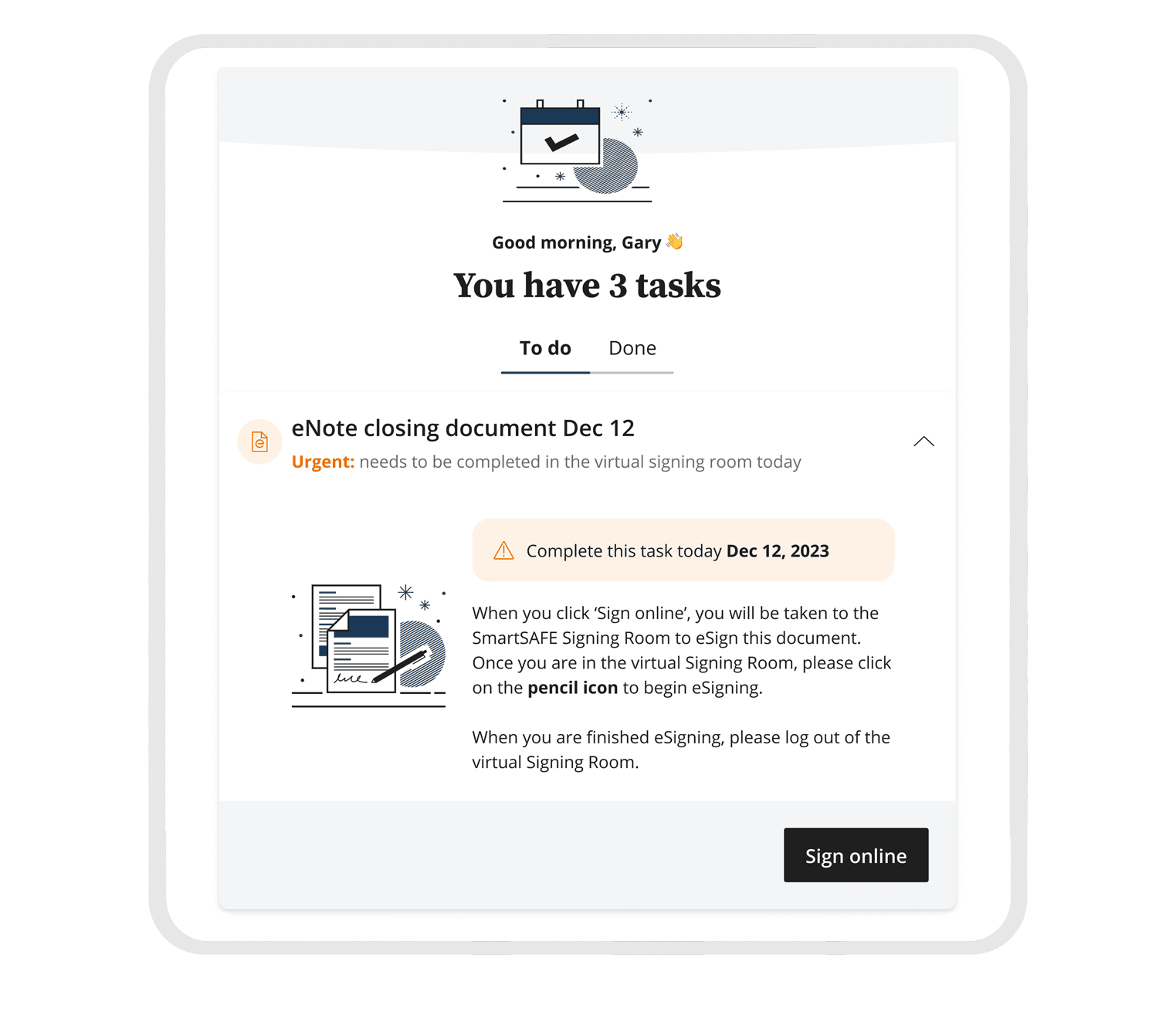
Once you’re comfortable with the documents, you’ll use an electronic signature tool to sign them. These platforms often require identity verification through methods like email codes, phone calls, or even video checks.
Make sure you understand the signing order and deadlines. Signing electronically saves time but requires your prompt attention to avoid delays.
Finalizing And Recording The Sale
After signing, the documents are sent to the appropriate parties for final review and processing. This includes the lender, title company, and county recorder’s office.
Once recorded, the sale becomes official. You’ll receive copies of all finalized documents electronically, allowing you to keep everything organized and accessible.
Legal Aspects Of E-closings
The legal aspects of electronic home closings, or e-closings, are crucial to understand before you decide to sign documents digitally. These aspects ensure that your transaction is secure, binding, and compliant with the law. Knowing the legal framework helps you avoid surprises and confidently embrace digital closings.
Compliance With State Laws
State laws vary widely on whether e-closings are allowed and how they must be conducted. Some states have embraced electronic notarization and recording, while others still require traditional paper signings. You should check if your state permits electronic closings and what specific rules apply.
For instance, a few states require in-person notarization, which can complicate a fully electronic closing. Being aware of your state’s rules can save you time and prevent delays in your home purchase.
Validity Of Electronic Signatures
Electronic signatures are legally binding under federal laws such as the ESIGN Act and UETA, but they must meet certain conditions. The signature must clearly show the signer’s intent and be linked to the document in a way that prevents tampering.
Have you ever wondered if clicking “sign” online holds the same weight as pen on paper? It does, as long as the platform you use complies with these laws and keeps a secure audit trail. This ensures your electronic signature is valid and enforceable.
Privacy And Data Protection
Handling sensitive personal and financial information digitally raises concerns about privacy and data security. E-closing platforms must follow strict security protocols to protect your data from unauthorized access or breaches.
When choosing an e-closing service, ask about their encryption methods and how they store your information. You want assurance that your private details are safe throughout the closing process.
Common Challenges
Electronic home closings offer convenience but come with challenges. These hurdles affect the smoothness of the process and the confidence of all parties involved. Understanding these common issues helps prepare for a better experience.
Technical Difficulties
Technology problems can delay or stop an electronic closing. Slow internet or software glitches cause frustration. Not all platforms work well on every device. Uploading documents may fail or take too long. These issues can create confusion and slow the process.
Access And Digital Literacy Issues
Not everyone has equal access to digital tools. Some people lack reliable internet or modern devices. Others may not know how to use electronic signing tools. This gap can lead to mistakes or missed steps. Support is needed to guide those less familiar with technology.
Fraud Prevention And Detection
Protecting against fraud is harder online. Verifying identities and signatures requires strong security measures. Hackers may try to intercept or alter documents. Electronic systems must use encryption and multi-factor checks. These steps help keep the transaction safe and trustworthy.

Credit: www.wsj.com
Future Of Home Closings
The future of home closings is shifting towards digital platforms. Electronic closings offer speed, convenience, and less paperwork. Buyers, sellers, and agents can complete transactions from anywhere. This shift changes how real estate deals are finalized. Technology and law evolve to support secure online closings.
Emerging Technologies Impacting Closings
New tools simplify and secure home closings. Electronic signatures and document sharing speed up the process. Blockchain technology can track ownership and prevent fraud. Artificial intelligence helps verify documents and data accuracy. Virtual reality tours allow buyers to inspect homes remotely. These tools reduce errors and save time.
Potential Changes In Legislation
Governments are adapting laws for electronic closings. Many states now accept e-signatures for legal documents. Rules ensure privacy and data security during transactions. Laws may require stricter identity verification online. Future policies will likely support more digital closings. This legal support builds trust in electronic processes.
Predictions For 2025 And Beyond
By 2025, most home closings could be digital. Remote notarization will become a standard practice. Paperless transactions will be common across the country. Faster closing times will benefit buyers and sellers. Real estate agents will use more digital tools daily. The process will be simpler, safer, and more accessible for everyone.
Frequently Asked Questions
Can Home Closing Be Completed Entirely Online?
Yes, many states now allow full electronic home closings. Digital signatures and remote notarizations enable safe, fast transactions without in-person meetings.
What Documents Are Needed For Electronic Home Closing?
Typical documents include the purchase agreement, title documents, loan papers, and disclosures. These are securely shared and signed digitally during closing.
Is Electronic Home Closing Legally Binding?
Electronic home closings are legally binding when compliant with federal and state e-signature laws. They hold the same validity as paper closings.
Are Electronic Closings Safe And Secure?
Yes, electronic closings use encryption and secure platforms to protect sensitive information. This reduces fraud risks and ensures confidentiality.
Conclusion
Electronic home closings save time and reduce stress for buyers and sellers. You can sign documents online from anywhere. This process makes transactions smoother and faster. Not all states allow full electronic closings yet. Check with your lender or agent about available options.
Digital closings offer convenience but still require careful review. Technology keeps improving to make closings easier. Embracing electronic closings can help in today’s busy world. Consider this option for your next home purchase or sale.
Leave a Reply