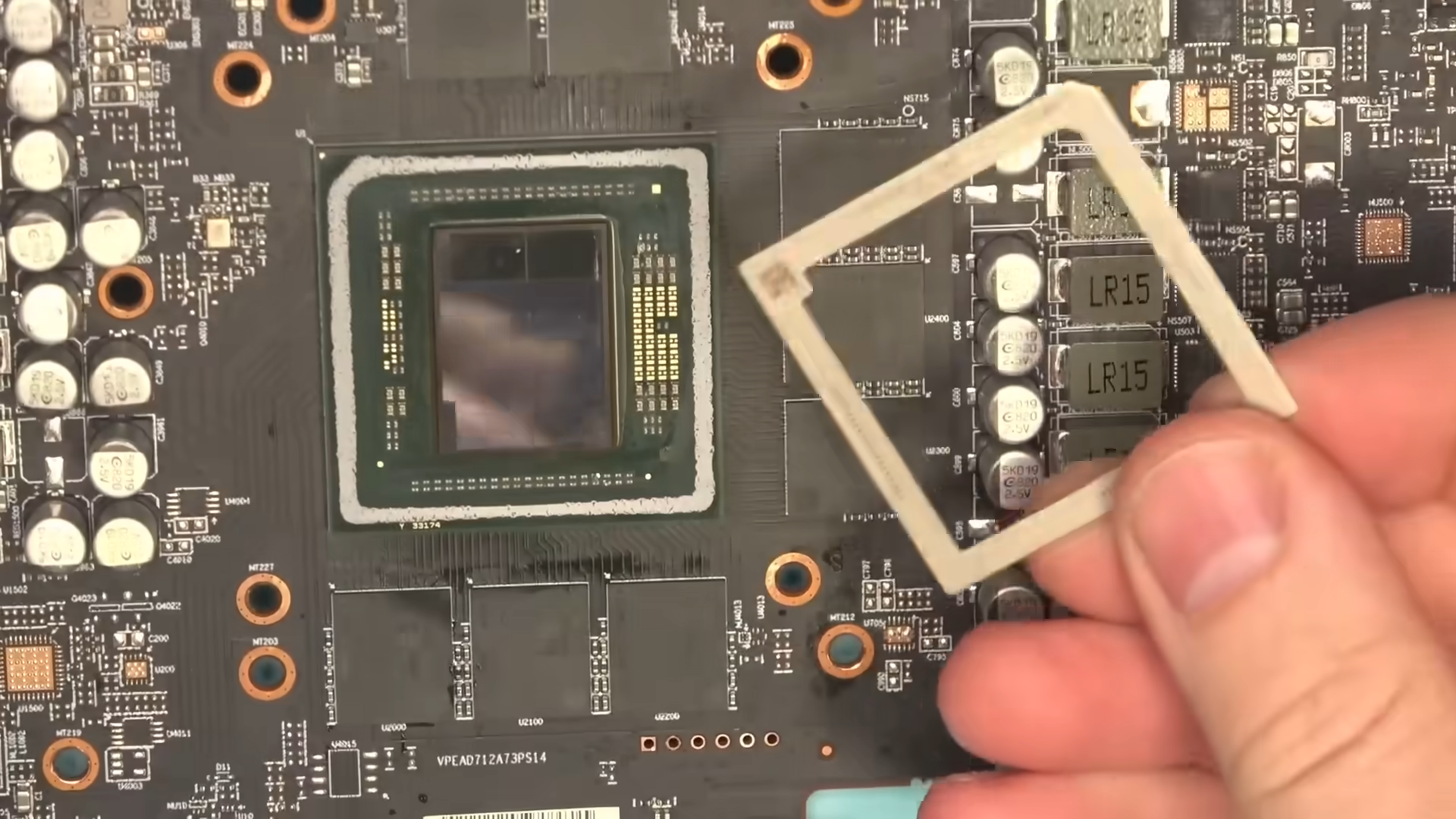
Ever wondered if that old smartphone or outdated laptop could hold a hidden treasure? It’s not just wishful thinking; there’s a golden opportunity right in your hands.
You might be surprised to learn that your unused electronics could contain small quantities of gold. Yes, actual gold! This precious metal is used in electronics because of its excellent conductivity and resistance to corrosion. But can you really extract gold from electronics at home?
The idea might sound like something only a professional could handle, but you might find it more accessible than you think. Imagine turning obsolete gadgets into a potential source of wealth with just a bit of knowledge and the right tools. Curious to uncover the truth and perhaps try it yourself? Stay with us as we delve into the fascinating process of home gold extraction and discover if it’s worth your while.

Credit: www.youtube.com
Why Gold Is In Electronics
Gold is a key material in many electronic devices. Its unique properties make it ideal for use in electronics. It conducts electricity without corrosion, ensuring devices work reliably over time. Gold’s resistance to rust and oxidation helps maintain strong connections. This durability is vital in small, complex circuits inside gadgets.
Electronics need metals that last long and keep signals clear. Gold fits these needs perfectly. Its value goes beyond decoration; it plays a practical role in technology.
Gold’s Role In Electronics
Gold provides excellent electrical conductivity. It allows electric signals to pass smoothly. Gold plating on connectors prevents wear and tear. This keeps devices functioning without interruption.
Gold also resists corrosion better than copper or silver. This means fewer failures in circuits. It improves device lifespan and performance. Gold’s softness helps create tight seals in tiny parts.
Types Of Electronics With Gold
Many devices contain small amounts of gold. Common examples include:
- Smartphones and tablets
- Computers and laptops
- Television sets and remote controls
- DVD players and gaming consoles
- Audio and video cables
Inside these gadgets, gold appears in connectors, circuit boards, and microchips. Even small traces of gold improve device reliability. This widespread use explains why electronics recycling often targets gold recovery.
Safety First
Extracting gold from electronics involves chemicals and processes that can harm your health. Safety must be the top priority. Proper protection and careful handling reduce risks.
Protective Gear Needed
Wear gloves made of nitrile or latex to protect your hands. Use safety goggles to shield your eyes from splashes. A respirator mask helps avoid inhaling toxic fumes. Long sleeves and pants prevent skin contact. Always work in a well-ventilated area to keep fresh air flowing.
Handling Chemicals Safely
Use chemicals like acids with extreme caution. Store them in labeled, sealed containers away from children and pets. Never mix chemicals unless instructions say it is safe. Pour acids slowly to avoid splashes. Clean any spills immediately using proper neutralizers. Dispose of waste according to local regulations to protect the environment and yourself.
Tools And Materials
Extracting gold from electronics at home requires specific tools and materials to ensure safety and effectiveness. Having the right equipment not only makes the process smoother but also helps avoid accidents. Let’s take a closer look at what you’ll need before you start.
Essential Equipment
- Protective Gear:Gloves, safety goggles, and a mask are crucial. These protect you from harmful chemicals and dust.
- Plastic or Glass Containers:Use these for soaking and chemical reactions. Avoid metal containers as they can react with chemicals.
- Scraper or Small Screwdrivers:These help remove gold-plated components from circuit boards carefully.
- Fine Sandpaper or Emery Board:Useful for cleaning and preparing the gold surfaces.
- Heating Source:A small stove or hot plate can be needed if you plan to melt or refine gold after extraction.
- Stirring Tools:Plastic or glass stirrers help mix chemicals safely.
Have you thought about how important safety is in this process? Skipping protective gear can expose you to serious health risks. It’s easy to overlook but absolutely necessary.
Common Chemicals Used
- Aqua Regia:A mix of hydrochloric acid and nitric acid. It dissolves gold but requires extreme caution.
- Hydrogen Peroxide:Often added to speed up reactions and assist in cleaning.
- Salt and Baking Soda:Used for neutralizing acids after the extraction process.
- Water:Essential for rinsing and diluting chemicals safely.
Using chemicals at home might sound risky, but with careful handling, it’s possible. Do you have a well-ventilated space to work in? Proper ventilation is just as critical as gloves and goggles.
Remember, gathering the right tools and chemicals is the first step toward a successful extraction. Without them, your efforts might fall short or become unsafe. What’s your plan to manage these materials responsibly?

Credit: www.youtube.com
Mechanical Extraction Methods
Mechanical extraction methods allow you to recover gold from electronics without chemicals. These methods focus on physically separating gold parts from other materials. They are safer and easier for home use. Mechanical methods require patience and careful handling to avoid damage.
Removing Gold-plated Components
Start by identifying gold-plated parts on circuit boards. Common parts include connectors, pins, and fingers. Use pliers or small tools to carefully detach these components.
Handle parts gently to avoid bending or breaking them. Collect all gold-plated pieces in one container for further processing. This step reduces the amount of material to be processed later.
Physical Separation Techniques
Separate gold pieces from other metals and plastics using simple physical methods. Use a magnifying glass to spot small gold bits.
- Cut or scrape off gold layers from components.
- Use a small brush to clean gold surfaces.
- Sort pieces by size and type for easier processing.
These techniques help concentrate gold before chemical extraction or melting. They make gold recovery more efficient and less wasteful.
Chemical Extraction Techniques
Chemical extraction techniques offer a way to recover gold from old electronics at home. These methods use chemicals to dissolve other metals and leave gold behind. They require caution and proper handling. Understanding these techniques helps you decide if DIY extraction is right for you.
Using Acid Baths
Acid baths dissolve metals except gold, which resists many acids. Common acids include hydrochloric acid and nitric acid. Mixing these creates aqua regia, a powerful solvent for gold.
To use acid baths safely:
- Wear gloves and eye protection.
- Work in a well-ventilated area.
- Keep acids away from skin and eyes.
Electronics are soaked in the acid mixture to dissolve metals like copper and silver. Gold settles as a solid or can be filtered out. This process needs patience and care to avoid accidents.
Safe Chemical Alternatives
Some safer chemicals can extract gold with less risk. Household items like vinegar and baking soda create mild solutions. These are less effective but safer for beginners.
- Use vinegar to clean and loosen metals.
- Baking soda neutralizes acids after treatment.
- Hydrogen peroxide can assist in breaking down metals.
Safe alternatives reduce toxic fumes and harsh reactions. They work slower and may recover less gold. Still, they offer a gentler way to experiment with gold extraction at home.

Credit: www.youtube.com
Refining And Purifying Gold
Refining and purifying gold recovered from electronics is a crucial step. The raw gold extracted usually contains impurities and other metals. These need removal to increase gold purity and value. Proper refining improves the quality and usability of the gold. It also ensures the gold can be reused or sold with confidence. The process involves melting, casting, and thorough cleaning.
Melting And Casting
Melting is essential to separate gold from impurities. Use a small crucible designed for high temperatures. Heat the gold scraps until they turn into liquid form. This helps heavier impurities sink to the bottom as slag. Carefully pour the molten gold into a mold. This process shapes the gold into bars or nuggets. Cooling solidifies the gold for easier handling and further cleaning.
Cleaning The Extracted Gold
Cleaning removes leftover dirt, chemicals, and unwanted metals. One common way is to soak the gold in acid baths. Nitric acid or aqua regia can dissolve impurities without harming the gold. Rinse the gold well with water after cleaning. Dry the gold completely to avoid corrosion. Repeat the cleaning steps if the gold still looks dull or dirty. Clean gold shines brighter and holds better value.
Environmental Considerations
Extracting gold from electronics at home might seem like an exciting project, but it comes with serious environmental responsibilities. Handling electronic waste improperly can release harmful chemicals into your surroundings. Understanding these environmental considerations helps you protect your health and the planet.
Proper Disposal Of Waste
After extracting gold, you’re left with toxic materials like acids and heavy metals. These substances must never go down the drain or into regular trash. Instead, collect the waste in clearly labeled containers and take it to a certified hazardous waste facility.
Many communities offer e-waste recycling programs where you can safely dispose of leftover parts. Have you checked if such services exist near your home? Proper disposal not only prevents pollution but also ensures materials get recycled responsibly.
Minimizing Pollution Risks
Working with chemicals at home can create fumes and spills that harm your indoor air and soil. To minimize risks, always work in a well-ventilated area and wear protective gear like gloves and goggles. Avoid open flames or sparks since some chemicals are flammable.
- Use spill trays to catch drips and prevent contamination.
- Keep a first aid kit nearby for emergencies.
- Store chemicals in secure, labeled containers away from children and pets.
Have you considered how small changes in your setup can reduce pollution risks? Taking these precautions safeguards your health and keeps your neighborhood clean.
Economic Viability
Extracting gold from electronics at home might sound like a quick way to make some extra cash, but understanding the economic viability is crucial before you start. You need to weigh the costs involved against the actual amount of gold you can recover. This balance determines whether your effort will pay off or end up costing you more time and money than it’s worth.
Cost Vs. Yield Analysis
Recovering gold from electronics isn’t as simple as just pulling out the shiny parts. The costs include buying chemicals, safety gear, and tools, plus the time you spend on the process. For example, a small batch of old circuit boards might yield only a fraction of a gram of gold.
Let’s say you spend $50 on supplies and manage to extract 0.1 grams of gold. With gold prices around $60 per gram, you’d make only $6 back. This doesn’t even factor in the labor and safety risks involved. So, the yield often doesn’t justify the cost, especially if you’re only working with small amounts.
When Home Extraction Makes Sense
Does this mean you should never try extracting gold at home? Not necessarily. If you have access to a large quantity of old electronics, the numbers start to look different. Bulk processing increases your total gold yield and can help spread out the cost of supplies.
Also, if you’re learning a new skill or enjoy chemistry experiments, the process can be rewarding beyond just money. But ask yourself—are you prepared for the hazards and the patience it requires? If your goal is pure profit, home extraction might not be the best route unless you’re handling a significant volume.
Common Mistakes To Avoid
Extracting gold from electronics at home sounds tempting, but many beginners stumble into avoidable errors. These mistakes can waste your time, damage your health, or even ruin your chances of recovering any precious metal at all. Knowing what to watch out for helps you stay safe and realistic about what you can achieve.
Overestimating Gold Content
One common trap is assuming every circuit board or device contains a lot of gold. In reality, the gold layer on most electronics is incredibly thin—just a few microns thick. This means you need a significant amount of material to extract even a tiny bit of gold.
I’ve seen people get discouraged after spending hours on a few old phones only to get a negligible amount of gold. Ask yourself: Is the effort worth the reward? Focus on devices known for higher gold content like old computer connectors or certain types of SIM cards to avoid disappointment.
Ignoring Safety Protocols
Gold extraction often involves hazardous chemicals like acids and solvents. Skipping safety gear or working in unventilated spaces puts your health at serious risk. Even if you’re careful, fumes and spills can cause lasting damage.
Always wear gloves, goggles, and masks. Work outdoors or in well-ventilated areas. Have a plan for proper disposal of chemicals—your safety and the environment depend on it. Would you risk your health for a few milligrams of gold?
Frequently Asked Questions
Can You Extract Gold From Old Electronics At Home?
Yes, you can extract gold from old electronics at home. It requires proper tools, chemicals, and safety measures. Small amounts of gold are found in circuit boards and connectors.
What Electronics Contain The Most Gold?
Mobile phones, computers, and laptops contain the most gold. Gold is used in connectors and circuit boards for its conductivity and resistance to corrosion.
Is Home Gold Extraction Safe?
Home gold extraction can be hazardous without proper safety gear. Chemicals like acid are toxic and require ventilation and protective equipment.
How Much Gold Can You Get From Electronics?
The amount of gold varies by device but is usually small. You need many devices to extract a significant quantity of gold economically.
Conclusion
Extracting gold from electronics at home is possible but tricky. It needs special tools and careful steps to stay safe. Small amounts of gold are found in devices, so results may vary. Always handle chemicals and parts with care to avoid harm.
For many, selling old electronics to recycling centers feels easier and safer. Remember, patience and safety come first in any home project. Try learning more before starting to make smart choices.
Leave a Reply