Imagine waking up one morning to find your beloved laptop, television, or smartphone damaged or stolen. Panic sets in, and the first question that might cross your mind is, “Does my home insurance cover this?”
You’re not alone. Many homeowners wonder about the extent of their home insurance coverage, especially when it comes to protecting valuable electronics. In this blog post, we dive deep into the specifics of home insurance and its coverage for electronics.
You’ll discover what is typically included, what might require additional coverage, and how you can ensure your gadgets are fully protected. By the end, you’ll have a clear understanding of how your home insurance can safeguard your electronics, giving you peace of mind and saving you from unexpected expenses. Ready to find out if your gadgets are covered? Let’s get started!

Credit: www.youtube.com
Home Insurance Basics
Understanding home insurance is important before checking if it covers electronics. Insurance protects your home and belongings from damage or theft. Policies vary in coverage, cost, and conditions. Knowing the basics helps you make smart choices. This section explains the main types of policies and what standard coverage includes.
Types Of Home Insurance Policies
Home insurance policies come in several types. Each type offers different levels of protection.
- HO-1:Basic coverage for few perils like fire and theft.
- HO-2:Broader coverage for common risks such as storms and vandalism.
- HO-3:Most popular; covers all risks except those excluded.
- HO-4:Renters insurance, covering personal belongings but not the building.
- HO-5:Comprehensive coverage for home and personal property.
- HO-6:For condo owners, covering personal property and parts of the unit.
Standard Coverage Components
Standard home insurance covers several key areas:
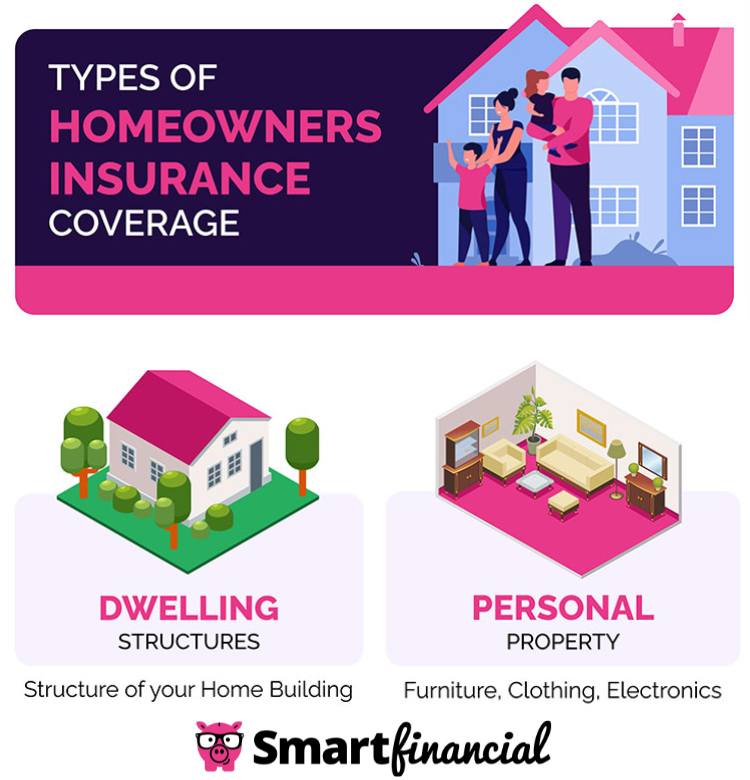
- Dwelling Protection:Repairs or rebuilds your house after damage.
- Personal Property:Covers belongings inside your home, including furniture.
- Liability Protection:Protects against legal claims for injuries or damage.
- Additional Living Expenses:Pays for temporary housing if your home is unlivable.
Electronics usually fall under personal property coverage. Limits and exclusions may apply. Extra coverage may be needed for expensive devices.

Credit: www.nerdwallet.com
Electronics Coverage Explained
Understanding how home insurance covers your electronics is crucial to protecting your valuable devices. Electronics coverage isn’t always straightforward, and knowing what your policy includes can save you from unexpected costs. Let’s break down what counts as electronics and the limits and conditions that apply.
What Counts As Electronics
Electronics typically include devices like laptops, smartphones, tablets, TVs, gaming consoles, and home audio systems. Some policies also cover smaller gadgets such as cameras and smart home devices. However, not all electronics automatically qualify; for instance, business equipment used at home might need separate coverage.
Think about your own devices: Are your expensive headphones or your high-end printer considered under your current policy? Checking your policy details can clarify what’s included and what isn’t. Many people assume all gadgets are covered, only to find surprises when filing a claim.
Coverage Limits And Conditions
Most home insurance policies set a limit on how much they will pay for electronics. This limit might be a specific dollar amount or a percentage of your total personal property coverage. You could face a cap that’s lower than the actual replacement cost of your devices.
Conditions often require that damage or loss happens due to covered perils like theft, fire, or certain natural disasters. Accidental damage or mechanical breakdowns usually aren’t included. Some insurers might offer add-ons or endorsements to extend coverage for these scenarios.
Have you checked if your policy requires you to file a police report for stolen electronics? Or if you need to prove ownership with receipts or serial numbers? These details affect how smoothly your claim will be processed.
Common Exclusions For Electronics
Home insurance policies often exclude certain types of damage to electronics. Knowing these exclusions helps you avoid surprises during a claim. Many policies limit coverage for common issues affecting your devices.
Understanding what is not covered allows better planning for extra protection.
Wear And Tear
Insurance rarely covers damage caused by wear and tear. This includes gradual problems like battery failure or screen scratches. Normal aging and use are considered the owner’s responsibility. Repair or replacement due to old age usually falls outside the policy.
Accidental Damage
Not all accidental damage to electronics is covered. Dropping a phone or spilling liquid might be excluded. Some policies offer optional add-ons for this type of damage. Without extra coverage, repairs from accidents may require out-of-pocket payment.
Theft Without Proper Security
Theft coverage often depends on security measures. If electronics are stolen without proper locks or alarms, claims may be denied. Insurers expect homeowners to take reasonable steps to protect their items. Lack of security can lead to exclusion of theft claims.
Additional Protection Options
Standard home insurance may not cover all types of damage to your electronics. Many policies have limits on the amount they pay for gadgets like laptops, TVs, or gaming consoles. These limits might not cover the full cost of repair or replacement. Additional protection options help bridge this gap.
Extra coverage can protect expensive electronics from accidents, theft, or damage. This coverage can be added to your existing policy or bought separately. Knowing these options can help you avoid unexpected expenses and keep your devices safe.
Electronics Endorsements
Electronics endorsements add extra coverage to your home insurance policy. They increase the payout limit for your devices. This helps cover the full value of expensive items.
- Covers accidental damage or drops
- Protects against theft outside the home
- Includes coverage for power surges
This option is often cheaper than buying a separate policy. It is good for people with a few valuable gadgets. Check with your insurer about specific limits and coverage details.
Separate Electronics Insurance
Separate electronics insurance is a standalone policy. It offers broader protection than endorsements. Ideal for those with many or very expensive devices.
- Covers accidental damage, theft, loss, and breakdowns
- Often includes worldwide coverage
- May cover repairs or replacement costs fully
This type of insurance is flexible. You can insure individual items or a group of devices. It often comes with faster claims processing and specialized service.
Filing A Claim For Electronics
Filing a claim for electronics under home insurance requires clear steps and proper preparation. Knowing what documents to gather and how to follow the claim process helps speed things up. Careful attention to detail increases the chance of claim approval.
Documentation Needed
Gather proof of ownership such as receipts or invoices. Take photos or videos of the damaged or lost electronics. Collect any repair estimates or professional assessments. Keep a copy of your insurance policy for reference. Prepare a detailed list of the items with brand, model, and purchase date.
Claim Process Steps
- Contact your insurance company promptly after the loss or damage.
- Submit the claim form along with all required documents.
- Provide clear descriptions of the incident causing the damage or loss.
- Schedule an inspection if the insurer requests it.
- Follow up regularly to track your claim status.
Tips To Maximize Claim Approval
- Be honest and thorough in your claim description.
- Keep copies of all communications with the insurer.
- Provide detailed and organized evidence.
- Act quickly to report the incident and file the claim.
- Review your policy limits and coverage before filing.
Credit: smartfinancial.com
Tips To Protect Your Electronics
Protecting your electronics goes beyond just having home insurance. Taking practical steps can prevent damage or loss, saving you from headaches and potential claim denials. Here are some effective tips to help you safeguard your valuable gadgets.
Home Security Measures
Installing a reliable security system can deter burglars and protect your electronics from theft. Consider motion detectors, surveillance cameras, and alarm systems that alert you immediately if something is wrong.
Locking windows and doors every night is a simple habit that can make a big difference. Have you ever thought about how often small lapses in security invite trouble?
Proper Maintenance
Keep your electronics clean and dust-free to extend their lifespan. Regularly updating software and checking cables reduces the risk of malfunction or damage.
Unplug devices during storms or when not in use to avoid power surges. This small action protects your electronics from unexpected electrical damage.
Keeping Receipts And Warranties
Store purchase receipts and warranty documents in a safe place. They are essential when filing insurance claims or requesting repairs.
Take photos or videos of your electronics and their serial numbers. This visual record speeds up the claim process and proves ownership.
Frequently Asked Questions
Does Home Insurance Cover All Types Of Electronics?
Home insurance typically covers electronics against theft, fire, or damage. However, coverage limits and exclusions vary by policy. Check your policy details for specific electronics coverage and consider additional endorsements for high-value items.
Are Accidental Damages To Electronics Included In Home Insurance?
Most standard home insurance policies do not cover accidental damage to electronics. You may need to purchase a separate rider or warranty for accidental damage protection.
How Much Coverage Do Electronics Have Under Home Insurance?
Coverage limits for electronics depend on your policy. Standard limits may be low, so consider increasing coverage or adding endorsements for expensive devices.
Is Theft Of Electronics Covered By Home Insurance?
Yes, home insurance generally covers theft of electronics from your home. Ensure you report theft promptly and provide proof of ownership for claims.
Conclusion
Home insurance may protect some electronics, but not all. Standard policies often cover damage from fire, theft, or storms. Yet, accidental drops or spills usually need extra coverage. Knowing your policy details helps avoid surprises later. Consider adding special protection for valuable devices.
Review your coverage regularly as your electronics change. Stay informed to keep your gadgets safe and secure. Simple steps can save you money and stress. Don’t leave your electronics unprotected. A little effort goes a long way.
Leave a Reply