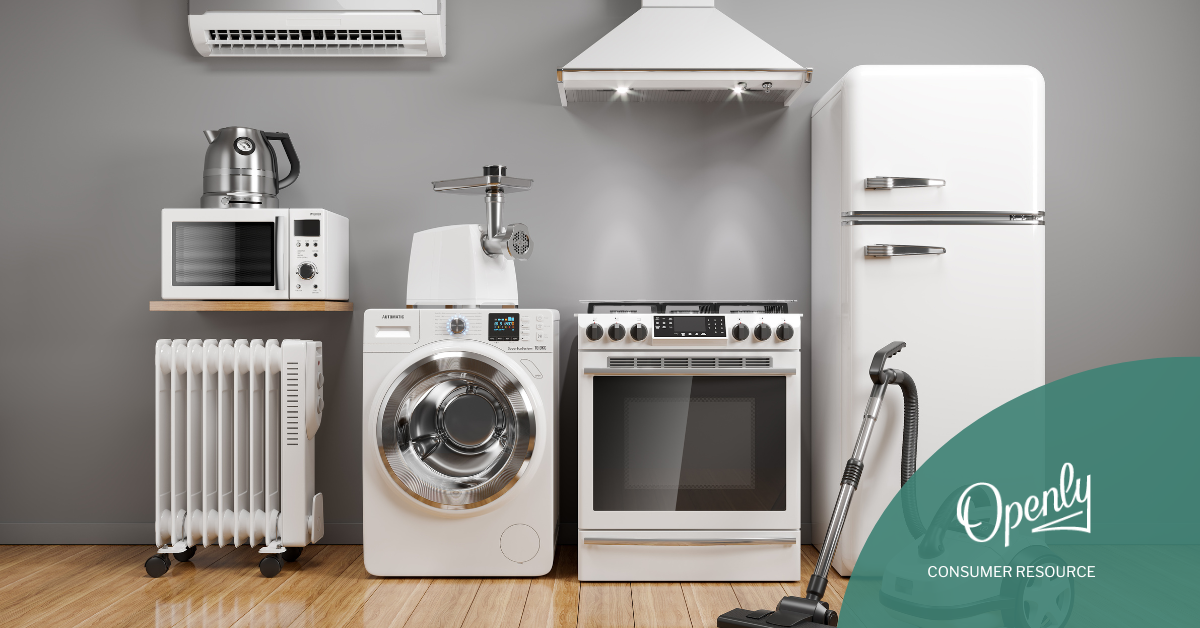
Imagine this: you’re relaxing at home when a sudden power surge fries your beloved television, laptop, and other electronics. It’s a frustrating and costly situation.
You might wonder, “Does my homeowners insurance cover this? ” This question is more common than you think, and the answer could save you a lot of stress and money. Understanding what your insurance covers is crucial. You pay for this policy, so you deserve to know what protection it provides.
We’ll dive into the specifics of homeowners insurance and fried electronics. You’ll learn how to ensure you’re prepared for unexpected electrical mishaps. So, if you want peace of mind and a clear understanding of your coverage, keep reading. You might discover a few surprises along the way!
What Homeowners Insurance Covers
Homeowners insurance protects your house and belongings from many risks. It offers financial help if damage or loss happens. Understanding what your policy covers is important. This knowledge helps you know when you are protected.
Policies vary but share common features. Coverage usually includes the house structure, personal property, and liability protection. Knowing what is included and excluded can prevent surprises during claims.
Common Inclusions
- Damage to the house caused by fire, wind, or hail
- Replacement of personal belongings stolen or damaged by covered events
- Liability protection if someone is hurt on your property
- Additional living expenses if your home is unlivable after damage
- Damage caused by water from burst pipes or certain plumbing failures
Typical Exclusions
- Wear and tear or damage from poor maintenance
- Flood damage unless you have separate flood insurance
- Earthquake damage, usually needing a separate policy
- Damage from pests like termites or rodents
- Electronics damaged by power surges or frying, unless added by endorsement
Credit: www.georgiaairrepair.com
Causes Of Fried Electronics
Electronics can stop working due to various reasons. Knowing the common causes helps protect your devices. Many factors can lead to fried electronics in your home. Understanding these causes is important for insurance purposes and prevention.
Power Surges
Power surges happen when electricity flows too strongly. This sudden spike can burn out electronic circuits. Lightning strikes and faulty wiring often cause power surges. Surge protectors help, but they are not foolproof. Many devices are vulnerable to these unexpected surges.
Water Damage
Water can ruin electronics quickly. Spills, leaks, or floods let moisture inside devices. Water causes short circuits and corrosion in parts. Even small amounts of water can cause big damage. Electronics exposed to water often stop working immediately.
Wear And Tear
Repeated use can degrade electronic components. Over time, parts can overheat or break down. Dust and dirt buildup also harm devices. Older electronics are more likely to fail. Regular maintenance can extend the life of your gadgets.
Coverage For Electrical Damage
Electrical damage in your home can be frustrating and costly. Understanding how your homeowners insurance handles such damage is crucial. Coverage for electrical damage varies widely, so knowing what’s included can save you from unexpected expenses.
Damage From Power Surges
Power surges can fry your electronics in an instant. Many homeowners insurance policies cover damage caused by lightning strikes or sudden power surges, but coverage for everyday electrical surges from utility issues might be limited.
Think about the last time a storm hit your neighborhood—did your insurance cover your fried TV or computer? Often, the key is whether the surge was external (like lightning) or internal (like an appliance malfunction).
Accidental Damage Policies
Some insurance policies offer accidental damage coverage, which can include electrical mishaps. This means if you accidentally cause damage to your electronics or wiring, your insurance might step in.
However, these policies usually come as add-ons or separate endorsements. Check if your policy offers this option to avoid paying out of pocket for unexpected electrical accidents.
Exclusions To Note
Not all electrical damage is covered. Wear and tear, gradual deterioration, and damage from poor maintenance are common exclusions. Insurance companies expect homeowners to keep their electrical systems in good shape.
Have you ever wondered why your claim was denied after an electrical fire? It might be due to these exclusions. Carefully review your policy to understand what’s not covered and consider additional protection if needed.
Filing A Claim For Fried Electronics
Filing a claim for fried electronics can feel overwhelming, especially when you’re unsure what your homeowners insurance covers. Understanding the right steps and preparing the necessary documents can make the process smoother and increase your chances of approval. Let’s break down what you need to know and do when your electronics have suffered damage due to electrical issues.
Steps To Take
First, act quickly to limit further damage. Unplug the fried device and avoid using it until you’ve consulted a professional.
Next, contact your insurance company as soon as possible to report the incident. Be ready to explain what happened clearly and honestly.
Scheduling an inspection or assessment by an insurance adjuster might be necessary. Cooperate fully to provide access and information.
Documentation Needed
- Proof of purchase:Receipts or invoices show the original value and purchase date.
- Photos or videos:Visual evidence of the damage helps your claim stand out.
- Repair estimates:Get quotes from certified technicians for repair or replacement costs.
- Incident report:Notes on how and when the damage occurred, including any electrical problems in your home.
Gathering these documents before filing can save you from delays and back-and-forth with your insurer.
Claim Approval Factors
Insurance companies consider several points before approving a claim for fried electronics. They check if the damage resulted from a covered peril, such as power surges caused by lightning or faulty wiring.
Your policy’s specific coverage limits and exclusions play a big role. For instance, some policies exclude damage from power surges unless you have additional riders.
Also, insurers look at your maintenance habits. Did you use surge protectors? Was your home’s wiring up to code? Small details like these can impact the outcome.
What steps can you take right now to protect your electronics and strengthen your claim if disaster strikes?
Preventing Electronics Damage
Protecting your electronics from damage is key to avoiding costly repairs or replacements. Fried electronics can be a real headache, especially when you rely on them daily. Taking simple steps to prevent damage can save you both money and stress.
Using Surge Protectors
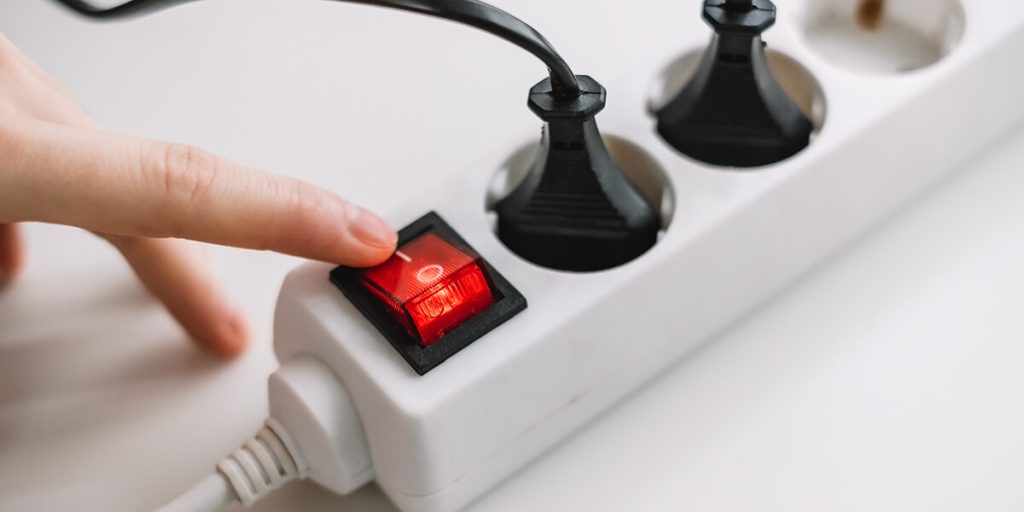
Surge protectors are your electronics’ first line of defense against power spikes. These spikes can happen during storms or when large appliances turn on and off. Plugging your devices into a surge protector helps absorb excess voltage, keeping your gadgets safe.
Not all surge protectors are created equal. Look for ones with a high joule rating to ensure better protection. Have you checked if your current protector still offers protection, or has it worn out over time?
Routine Maintenance
Keeping your electronics clean and dust-free prevents overheating and malfunction. Dust buildup inside devices can block vents and cause circuits to fry. Regularly wiping and vacuuming around your gadgets helps maintain proper airflow.
Don’t ignore software updates either. Many electronics have firmware that needs updating to avoid glitches and performance issues. How often do you take time to give your devices a little care?
Safe Usage Tips
Using electronics properly reduces the risk of damage. Avoid overloading power outlets and unplug devices during electrical storms. These simple habits protect both your gadgets and your home’s electrical system.
Be mindful of where you place your electronics. Keep them away from heat sources and areas prone to spills. Have you ever accidentally damaged a device by placing it too close to a window or kitchen counter?

Credit: smartapple.us
Alternatives To Homeowners Insurance
Homeowners insurance often falls short when it comes to covering fried electronics. This gap can leave you facing unexpected repair or replacement costs. Fortunately, there are alternative options designed specifically to protect your valuable devices.
Electronics Warranties
Many electronics come with a manufacturer’s warranty that covers defects and malfunctions for a limited time. These warranties sometimes include protection against electrical damage, but coverage varies widely. Always read the fine print to understand what’s included and how to file a claim.
If your device is fairly new, a warranty might save you from hefty repair bills. However, warranties usually don’t cover accidental damage like power surges unless you purchased an extended plan.
Separate Device Insurance
Separate device insurance is a popular choice for those who want comprehensive protection beyond what homeowners insurance offers. This type of coverage is tailored to gadgets like smartphones, laptops, and gaming consoles.
Policies typically cover damage from accidents, theft, and even electrical issues. Signing up might feel like extra hassle, but it can be worth it if you rely heavily on your electronics every day.
Extended Protection Plans
Extended protection plans, often sold by retailers or third-party providers, extend your device’s coverage after the original warranty expires. They can include repairs for fried components caused by power surges or other electrical problems.
These plans usually come with a fee, but they provide peace of mind if you want to avoid unexpected expenses. Have you checked if your favorite electronics store offers these plans at checkout? It might be easier than you think to add this layer of security.

Credit: www.georgiaairrepair.com
Frequently Asked Questions
Does Homeowners Insurance Cover Fried Electronics?
Homeowners insurance usually does not cover fried electronics. It covers damage from fire, theft, or disasters. Electrical damage often requires a separate policy or warranty.
Can I Add Electronics Coverage To My Policy?
Yes, you can add electronics coverage as an endorsement. This protects devices against power surges and accidental damage. Check with your insurer for available options and costs.
What Causes Fried Electronics Not Covered By Insurance?
Power surges, electrical faults, and user damage often aren’t covered. Standard policies exclude these unless you have specific add-ons. Always review your policy details for exclusions.
How Can I Protect My Electronics From Power Surges?
Use surge protectors and uninterruptible power supplies (UPS). Regular maintenance and proper wiring also help prevent damage. Insurance alone may not cover all electrical issues.
Conclusion
Homeowners insurance usually does not cover fried electronics. Most policies protect against fire damage to the house, not gadgets. Electronics often need separate coverage or warranties. Check your policy details to avoid surprises. Protect devices with extra insurance or service plans.
Stay informed to keep your home and tech safe. Understanding your coverage helps you plan better. Don’t wait until damage happens to learn what’s covered. Simple steps can save money and stress later.
Leave a Reply