Are you planning to sell your home? If so, understanding the role of electronic transfers in the process is crucial.
These digital transactions are the backbone of modern real estate deals, ensuring that funds move swiftly and securely from buyer to seller. But how exactly do they work in a home sale? Imagine having the power to navigate this complex process with ease and confidence.
By grasping the ins and outs of electronic transfers, you can avoid common pitfalls and ensure a smooth transaction. This knowledge not only saves you time but also provides peace of mind. Keep reading to uncover the secrets of electronic transfers in home sales, and empower yourself with the insights that can make your real estate journey a success.
Electronic Transfers In Home Sales
Electronic transfers play a vital role in the home sale process. They allow buyers and sellers to move large sums of money quickly and securely. This method reduces paperwork and speeds up the closing. Understanding how these transfers work helps avoid delays and errors.
Role In Real Estate Transactions
Electronic transfers ensure safe and fast payment during home sales. They replace traditional checks and cash payments. Banks and escrow companies use these transfers to handle deposits and final payments. This system protects both buyers and sellers from fraud. It also tracks the movement of funds clearly and efficiently.
Types Of Electronic Transfers
Several types of electronic transfers are common in home sales:
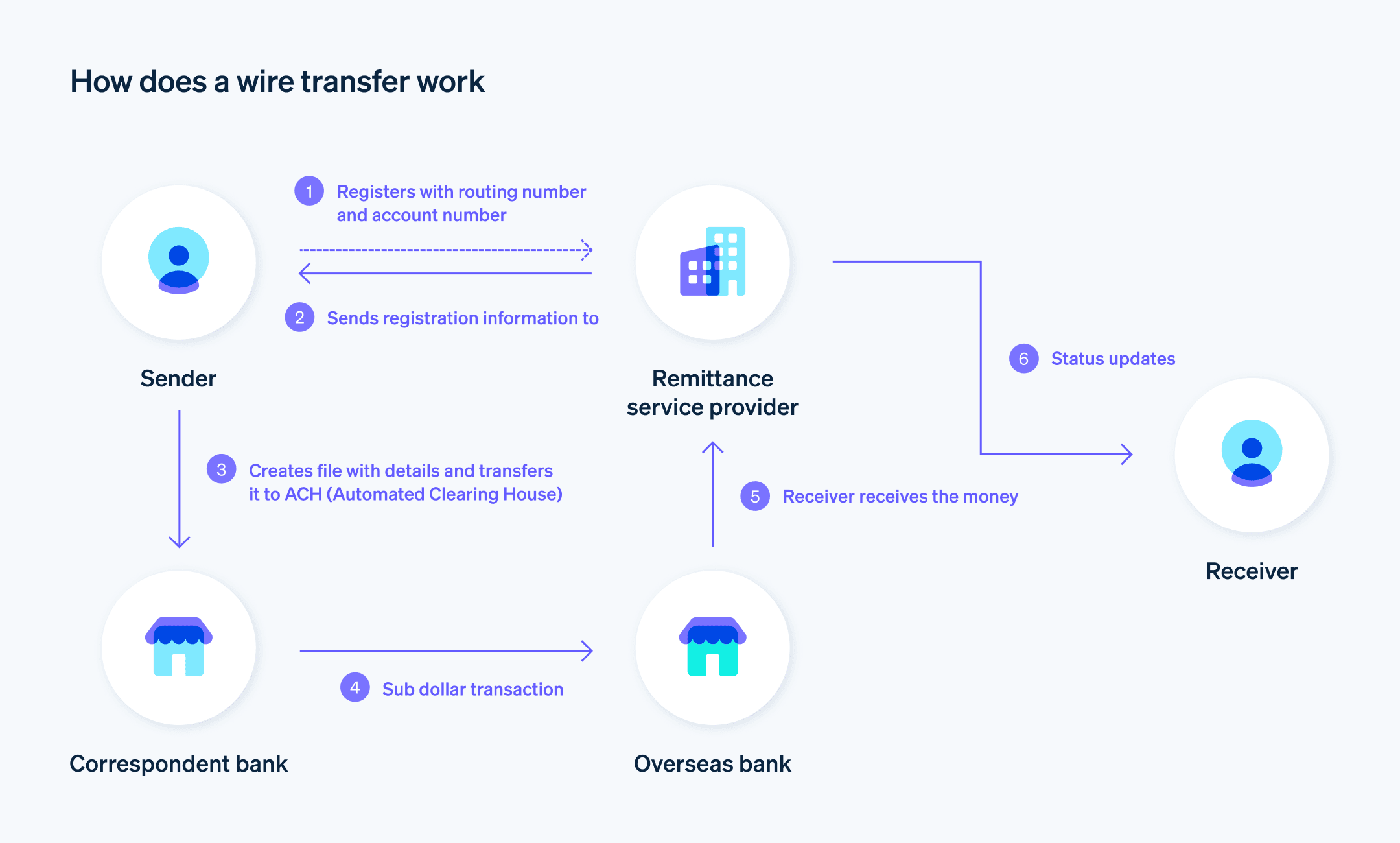
- Wire Transfers:Direct bank-to-bank transfers, often used for large sums.
- Automated Clearing House (ACH):Transfers that process through a network for smaller or recurring payments.
- Escrow Account Transfers:Funds held by a third party until all sale conditions are met.
Each type has different timing and fee structures. Buyers and sellers should confirm the best option with their bank or agent.

Credit: stripe.com
Steps For Secure Transfers
Secure electronic transfers are crucial during a home sale. They protect both the buyer and seller from fraud or errors. Following clear steps reduces risks and ensures smooth transactions.
Verification Of Parties Involved
Confirm the identity of everyone in the transaction. Verify buyer, seller, and agent details carefully. Use official documents and contact information. Avoid trusting emails or phone calls without confirmation.
Use Of Trusted Financial Institutions
Choose banks or payment platforms known for security. Trusted institutions have strong protections against hacking and fraud. They provide clear records of all transactions. Avoid using unknown or unregulated services.
Double-checking Transfer Details
Review all transfer information before sending money. Check account numbers, names, and amounts twice. Confirm wiring instructions directly with the recipient. Small errors can cause delays or lost funds.
Speeding Up The Transfer Process
Speeding up the electronic transfer process in a home sale can save you time, reduce stress, and help close deals faster. Understanding how to make the transfer smooth and quick gives you an edge in a competitive market. Let’s look at practical ways to speed things up without risking security or accuracy.
Choosing The Right Transfer Method
You have several options to move money electronically, but some are faster than others. Wire transfers are popular because they are usually processed the same day, especially if sent early. However, services like ACH transfers might take a few days but could be less expensive.
Think about your priorities: Is speed more important than cost? If you want to avoid delays, ask your bank about expedited wire transfers. Also, confirm the recipient’s bank details to prevent any hold-ups caused by errors.
Timing And Cutoff Considerations
Bank processing times play a big role in how quickly your transfer completes. Most banks have daily cutoff times; missing these means your transfer waits until the next business day. Scheduling your transfer early in the morning can help you avoid unnecessary delays.
Weekends and holidays also impact timing. Plan transfers around these dates to ensure funds arrive when needed. Have you ever experienced a transfer delay because of a missed cutoff? Adjusting your schedule can prevent this headache.
Automation And Digital Platforms
Using digital platforms can drastically reduce manual work and speed up transfers. Many real estate companies now use automated escrow services that handle electronic transfers securely and swiftly. These platforms provide real-time updates, so you always know where your funds are.
Apps and online banking tools also let you set up transfers in advance, eliminating last-minute rushes. Automation isn’t just convenient—it helps avoid human errors that slow down the process. Are you leveraging these digital tools to their full potential in your home sale?

Credit: www.epsteinlawyers.com
Common Risks And How To Avoid Them
Electronic transfers in home sales speed up the process but bring their own set of risks. Knowing what can go wrong and how to protect yourself is key to a smooth transaction. Let’s dive into the most common dangers and practical ways you can avoid them.
Phishing And Fraud Prevention
Phishing scams often target homebuyers and sellers by impersonating real estate agents or banks. You might receive an email asking you to confirm payment details or change wire instructions—this is a red flag.
Always verify any requests by calling your agent or bank directly using a number you trust, not one provided in the email. Avoid clicking on links or downloading attachments from unknown sources.
Consider setting up multi-factor authentication on your email and financial accounts to add an extra layer of security.
Protecting Sensitive Information
Electronic transfers require sharing personal and financial details. If this information falls into the wrong hands, it can lead to identity theft or financial loss.
Only share sensitive data through secure channels, such as encrypted email or secure portals provided by your real estate company. Avoid using public Wi-Fi when handling these transactions.
Keep a close eye on your bank statements after the transfer to catch any unauthorized activity early.
Dealing With Transfer Errors
Even with precautions, errors in electronic transfers can happen, such as sending funds to the wrong account or incorrect amounts.
Double-check all bank details before authorizing any transfer. Confirm account numbers, names, and routing numbers with your agent or lawyer.
If something seems off after you send money, contact your bank immediately. Acting fast can sometimes stop or reverse a mistaken transfer.
Legal And Regulatory Aspects
Legal and regulatory aspects play a key role in electronic transfers during home sales. These rules protect buyers, sellers, and financial institutions. They ensure funds move safely and transactions stay transparent. Understanding these laws helps avoid risks and delays.
Electronic transfers must follow strict guidelines set by government agencies. These rules reduce fraud and maintain trust in the real estate market. Both parties and their agents need to comply with these regulations.
Compliance Requirements
Electronic transfers in home sales must meet several compliance requirements. Financial institutions must follow anti-money laundering (AML) laws. They verify the identity of buyers and sellers to prevent illegal activity.
Regulations like the Bank Secrecy Act require reporting of large transactions. These rules help monitor suspicious transfers. Real estate professionals must also confirm funds come from legal sources. They maintain transparency during the sale process.
Record Keeping And Documentation
Keeping accurate records is essential for electronic transfers in home sales. Every transaction needs documentation to prove its legitimacy. Banks and escrow companies store these records securely.
Documents include transfer confirmations, contracts, and identity verification forms. These records support audits and legal reviews. They also protect all parties in case of disputes.
Clear documentation speeds up closing and builds confidence. It shows the funds were transferred properly and on time.

Credit: ramp.com
Tips For Buyers And Sellers
Navigating electronic transfers during a home sale can be tricky for both buyers and sellers. Paying close attention to communication, verification, and timing helps avoid costly mistakes. Here are some practical tips to keep the transfer smooth and stress-free.
Communicating With Your Agent And Bank
Clear communication is essential. Keep your real estate agent and bank in the loop about the transfer timeline and any specific instructions.
Ask your agent to confirm the exact amount and the due date for the transfer. At the same time, check with your bank about processing times and any limits on transfers.
Have you ever experienced a delay because someone wasn’t on the same page? Avoid that by setting up a quick call or email chain with all parties involved.
Confirming Receipt Of Funds
After initiating the electronic transfer, don’t assume the process is complete. Contact the recipient’s bank or your agent to verify the funds have cleared.
Request a written confirmation, such as an email or receipt, that shows the transfer was successful. This record can save you headaches if any disputes arise.
Remember, funds may appear pending before fully clearing. Checking early helps you catch issues before closing day.
Planning For Closing Day
Plan your transfer timing carefully to avoid last-minute problems. Transfers that arrive late can delay closing or even derail the sale.
Schedule your electronic transfer a day or two before closing. This buffer helps accommodate any unexpected bank processing delays.
Also, keep your agent informed once the transfer is complete. That way, they can prepare the closing documents without delay.
Frequently Asked Questions
What Is An Electronic Transfer In Home Sales?
An electronic transfer in home sales is a digital payment method. It moves funds securely between buyer and seller accounts. This process replaces checks or cash, making transactions faster and safer. It ensures timely payment during closing and reduces fraud risks.
How Are Electronic Transfers Secured In Home Sales?
Electronic transfers use encryption and authentication protocols. Banks verify identities to prevent unauthorized access. Transactions are monitored for suspicious activity. These measures protect buyers and sellers from fraud. Secure platforms ensure funds reach the correct accounts safely.
When Do Electronic Transfers Occur During Home Sales?
Electronic transfers usually happen at closing. After all documents are signed, funds are released. The buyer’s payment moves to the seller’s account electronically. This timing ensures legal and financial obligations are met before ownership changes.
What Fees Are Involved In Electronic Home Sale Transfers?
Fees vary by bank and transfer type. Some transfers are free, while others charge a small fee. Wire transfers typically cost more than ACH transfers. It’s important to check with your financial institution beforehand.
Conclusion
Electronic transfers in home sales make payment fast and safe. Buyers send money directly to sellers or escrow accounts. Banks check and confirm each transfer carefully. This process reduces delays and avoids errors. Both parties get clear records of payments.
Knowing how electronic transfers work helps build trust. It keeps the sale smooth and stress-free. Always double-check details before sending money. Using electronic transfers saves time and effort. Simple steps lead to successful home sales.
Leave a Reply