Have you ever wondered what goes into making the tiny parts inside your favorite gadgets? Electronics components might seem simple, but their creation is a fascinating process full of precision and innovation.
Understanding how these parts are made can give you a new appreciation for the devices you use every day. You’ll discover the step-by-step journey of electronics components—from raw materials to the finished pieces that power your world. Stay with me, and you’ll see how science and technology come together to create the building blocks of modern life.
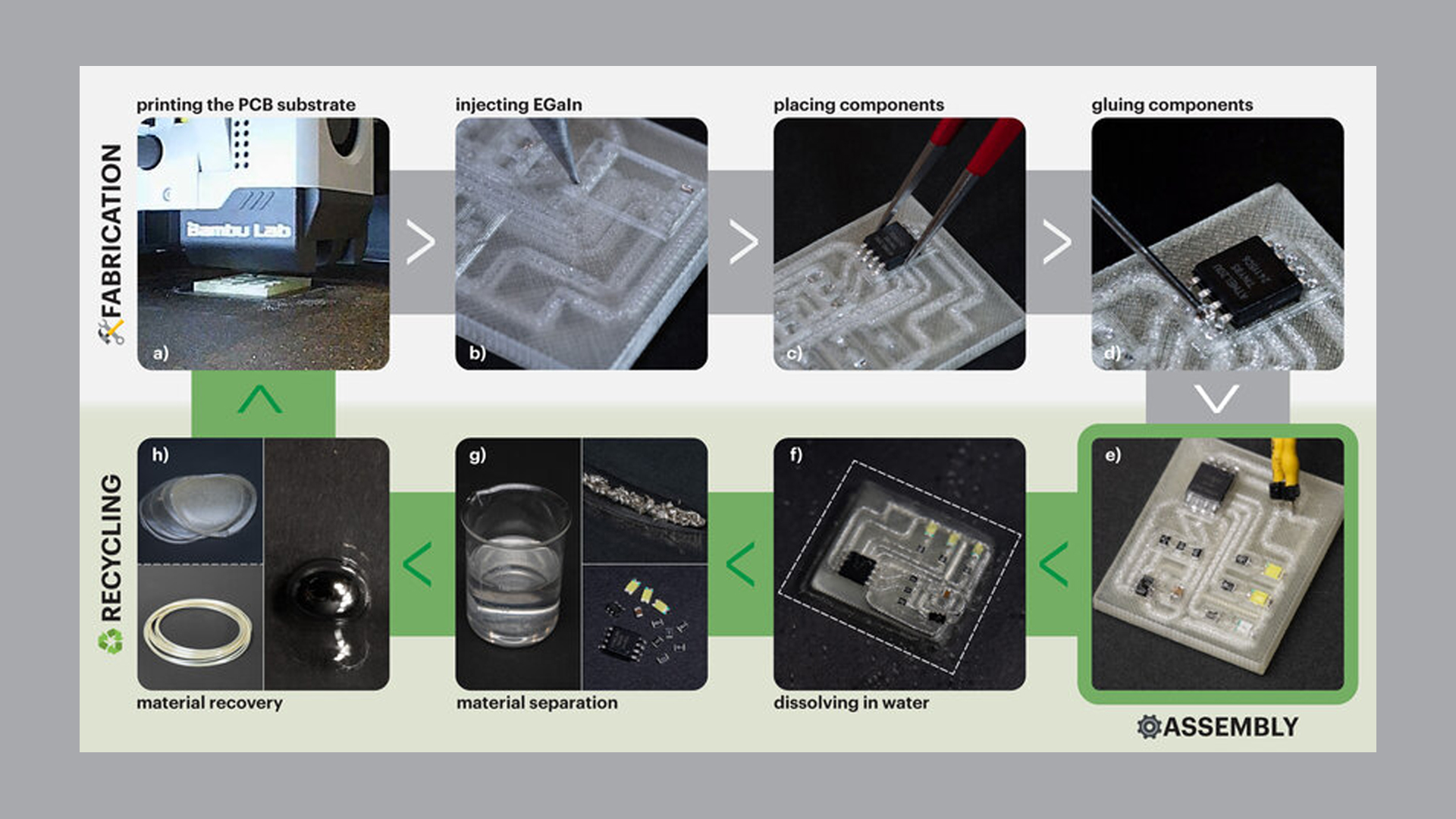
Credit: www.tomshardware.com
Raw Materials Selection
Choosing the right raw materials is vital for making electronic components. Metals, plastics, and semiconductors form the base. Quality materials ensure better performance and durability.
Selecting the right raw materials is a critical step in the manufacturing of electronic components. The choice of materials affects not only the performance but also the durability and efficiency of the final product. Understanding the importance of each material can guide you in making informed decisions, whether you’re an engineer or a curious enthusiast.Common Materials Used
Electronics rely on a variety of materials, each serving a specific function. Silicon is the cornerstone of semiconductors due to its excellent conductive properties and abundance. Copper is widely used for wiring because of its high electrical conductivity. Other essential materials include gold for plating connectors and aluminum for heat sinks. It’s fascinating how different materials come together to create something as complex as a smartphone or a computer.Material Purity Importance
The purity of materials can make or break the functionality of electronic components. Impurities in silicon wafers can lead to reduced performance or even complete failure of semiconductor devices. This is why manufacturers invest heavily in ensuring the highest purity levels possible. Imagine a tiny impurity causing your phone to malfunction; the stakes are high in getting it right. By focusing on material purity, you contribute to the reliability and efficiency of the final product.
Credit: www.pcbdirectory.com
Component Design And Engineering
The journey of creating electronic components begins long before the tiny parts reach your hands. Component design and engineering form the backbone of this process, where ideas transform into functional blueprints. This stage demands precision, creativity, and a deep understanding of both the electrical and mechanical aspects involved.
Circuit Schematics
Circuit schematics act as the roadmap for any electronic component. They show how every resistor, capacitor, and transistor connects to create a working circuit. Without clear schematics, building a reliable device becomes nearly impossible.
Designers use specialized software to draft these schematics. This digital layout allows quick changes and error checking, saving time and reducing mistakes. Have you ever wondered how a tiny chip performs complex tasks? It all starts here.
Prototyping Methods
Prototyping brings schematics to life. Engineers create physical models or simulations to test how a component behaves in real-world conditions. This step often reveals hidden problems that schematics alone can’t predict.
Common prototyping methods include breadboarding, 3D printing, and using development boards. Breadboards let you quickly swap parts without soldering, which is perfect for early testing. 3D printing helps with creating custom housings or mechanical parts that fit the electronics perfectly.
Trying different prototypes helps you find the best design faster. How many versions of a prototype do you think it takes to get a perfect final product? Usually more than you expect.
Semiconductor Fabrication
Semiconductor fabrication is the heart of making electronic components. It transforms raw materials into tiny, complex circuits that power your devices. Understanding this process can help you appreciate the precision and technology behind every chip.
Wafer Preparation
The process starts with a pure silicon crystal, sliced into thin discs called wafers. These wafers act as the canvas for building microchips. Each wafer must be polished to a mirror finish to ensure accuracy in later steps.
Imagine trying to draw fine details on a rough surface—without smooth wafers, circuits would be faulty. The quality of wafer preparation directly affects the performance of the final product.
Photolithography Process
Photolithography uses light to transfer circuit patterns onto the wafer. A light-sensitive material called photoresist covers the wafer. When exposed to light through a mask, it changes, revealing the pattern.
This step is like creating a stencil for etching. Have you ever wondered how tiny patterns smaller than a human hair are made? Photolithography is the answer.
Doping Techniques
Doping adds impurities to silicon to change its electrical properties. By injecting elements like phosphorus or boron, manufacturers control how electrons move. This step is crucial for making semiconductors conductive or insulating.
Think of doping as tuning a musical instrument; the right adjustment makes the chip work perfectly. Without it, your electronics wouldn’t function correctly.
Etching And Deposition
Etching removes material to create the circuit’s shape, while deposition adds thin layers of materials. These steps build the complex, multi-layered structures inside a chip. Both must be extremely precise to avoid defects.
Have you noticed how intricate the tiny components inside your phone are? Etching and deposition are responsible for that fine detail. Missing a step here can cause the entire chip to fail.
Passive Component Manufacturing
Passive components are essential parts in electronic circuits. They do not generate energy but control current and voltage. The manufacturing process of passive components involves careful material selection and precise assembly. These components include resistors, capacitors, and inductors. Each type requires unique production methods to meet strict quality and performance standards.
Resistors Production
Resistors control current flow by offering resistance. Their production starts with a ceramic or metal core. A resistive material, like carbon or metal film, coats the core. This coating thickness determines resistance value. The coated core then dries and bakes in ovens to solidify the layer.
Next, the resistor is trimmed to adjust its resistance precisely. Metal end caps attach to both ends to connect it to circuits. Finally, resistors receive protective coatings to guard against heat and moisture. Quality checks ensure each resistor meets resistance and tolerance standards.
Capacitors Fabrication
Capacitors store electrical energy temporarily. They consist of two conductive plates separated by an insulating material called a dielectric. Fabrication begins by preparing the metal plates. The dielectric material is placed between the plates carefully.
These layers are rolled or stacked depending on capacitor type. After assembly, capacitors are sealed to prevent damage. Electrolytic capacitors undergo electrolyte filling before sealing. Testing follows to verify capacitance, voltage rating, and leakage current. Proper sealing and testing ensure reliability and long life.
Inductors Assembly
Inductors store energy in a magnetic field through coils of wire. The assembly process starts by winding copper wire around a core. The core may be air, ferrite, or iron powder, depending on the inductor design.
Winding tightness and coil turns control inductance value. After winding, the coil is coated with insulation to avoid shorts. The inductor is then placed in a housing or molded for protection. Final tests check inductance, resistance, and quality to ensure performance in circuits.
Assembly And Packaging
Assembly and packaging are key steps in making electronic components. They connect tiny parts to form working circuits. Proper assembly ensures parts fit and work well. Packaging protects parts from damage and dust. It also helps with heat control and electrical safety. These processes improve the component’s life and performance.
Surface Mount Technology
Surface Mount Technology (SMT) places parts directly on the circuit board surface. It uses small pads instead of holes. SMT parts are tiny and fit closely together. Machines place and solder these parts quickly and accurately. This method allows for compact and lightweight devices. SMT is common in modern electronics like smartphones and computers.
Through-hole Mounting
Through-Hole Mounting inserts part leads into holes on the circuit board. The leads are soldered on the opposite side to hold parts firmly. This method provides strong mechanical support. It suits larger parts and devices needing durability. Through-hole is common in power supplies and industrial equipment. It’s simpler but less space-efficient than SMT.
Encapsulation Methods
Encapsulation protects electronic parts from moisture, dust, and shock. It uses materials like plastic, epoxy, or silicone. These materials cover the component fully or partially. Encapsulation improves durability and prevents short circuits. It also helps to manage heat generated by parts. Different methods suit different types of components and uses.
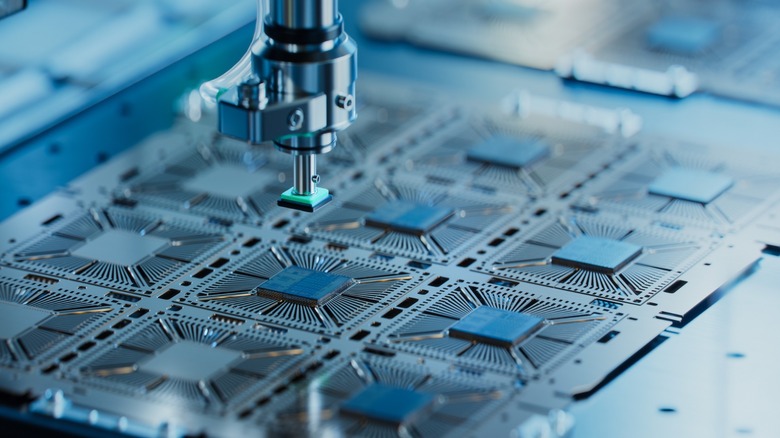
Credit: www.slashgear.com
Quality Control And Testing
Quality control and testing ensure electronic components work correctly and last long. These processes catch defects early and keep standards high. Manufacturers use different tests and checks to guarantee the best results.
Electrical Testing
Electrical testing checks if components work as designed. It measures voltage, current, and resistance. Tests confirm proper connections and no short circuits. This step finds hidden faults that affect performance. Automated machines often perform these tests quickly and accurately.
Visual Inspection
Visual inspection looks for visible defects like cracks or misalignment. Trained workers or cameras examine each component closely. They check solder joints, shapes, and surface quality. This step stops damaged parts from moving forward. It helps maintain high product quality.
Reliability Assessments
Reliability assessments test components under stress to predict lifespan. They simulate heat, humidity, and vibration conditions. This shows how parts behave in real-world use. Tests help improve design and materials for durability. Reliable components reduce failures and increase customer trust.
Environmental And Safety Standards
Environmental and safety standards play a crucial role in electronics component manufacturing. These standards protect the environment and ensure worker safety. Manufacturers must follow strict rules to reduce harmful substances and manage waste properly. They also need to create safe workplaces for their employees. Meeting these standards helps create reliable products and reduces health risks.
Rohs Compliance
RoHS stands for Restriction of Hazardous Substances. It limits dangerous materials like lead, mercury, and cadmium in electronics. Manufacturers must test components to meet RoHS rules. This reduces pollution during production and disposal. RoHS compliance ensures products are safer for users and the environment.
Waste Management
Proper waste management is essential in making electronic parts. Factories separate hazardous and non-hazardous waste. They recycle metals and plastics to reduce landfill use. Special care is taken to dispose of toxic chemicals safely. This lowers environmental damage and keeps communities healthy.
Worker Safety Protocols
Worker safety is a top priority in electronics factories. Protective gear like gloves and masks helps prevent injuries. Training programs teach workers how to handle materials safely. Machines have safety guards to avoid accidents. Regular health checks monitor employee well-being. These steps create a safer work environment for everyone.
Frequently Asked Questions
How Are Electronic Components Manufactured?
Electronic components are made through precise processes like wafer fabrication, doping, and assembly. Materials like silicon undergo shaping and layering to form functional parts. Automated machinery ensures accuracy and consistency in production.
What Materials Are Used In Electronic Component Production?
Common materials include silicon, copper, gold, and various polymers. Silicon forms the semiconductor base, while metals create conductive paths. Polymers act as insulators and protective coatings in components.
How Is Silicon Processed For Electronics?
Silicon is purified, melted, and formed into wafers. These wafers are sliced thinly and polished to create the base for circuit patterns. Photolithography then etches intricate designs onto the wafer surface.
What Role Does Photolithography Play In Making Components?
Photolithography transfers circuit patterns onto silicon wafers using light exposure. It defines the microscopic paths and structures needed for electronic functionality. This step is crucial for component precision and performance.
Conclusion
Electronic components start as raw materials shaped by many steps. Each part plays a key role in devices we use daily. The process needs precision and careful control. Technology keeps improving how these parts are made. Understanding this helps us appreciate the gadgets around us.
Small parts, big impact. The next time you use electronics, remember the journey inside. It’s a blend of science and skill. Simple pieces, powerful results.
Leave a Reply