
Are you wondering why the price of your favorite gadgets seems to be changing so much lately? Tariffs are playing a bigger role than you might think in how much you pay for consumer electronics.
These taxes on imported goods can affect everything from smartphones to laptops, and they might even change what products are available to you. Understanding how tariffs work can help you make smarter choices when buying electronics and prepare you for what’s coming next.
Keep reading to find out exactly how tariffs are shaping the world of consumer electronics—and what it means for your wallet.
Tariffs And Consumer Electronics
Tariffs can have a surprising impact on the gadgets you love. As countries adjust trade policies, the prices of consumer electronics can skyrocket, influencing everything from your next smartphone purchase to the latest gaming console. But how exactly do tariffs shape the electronics market, and which countries play pivotal roles in this economic dance?
Types Of Tariffs Impacting Electronics
Different types of tariffs can affect the electronics industry in various ways. Import tariffs increase the cost of bringing products into a country, directly impacting the retail prices. Export tariffs, though less common, can also disrupt global supply chains and increase costs for manufacturers abroad.
- Import Tariffs:These are the most common and can make imported electronics more expensive, affecting consumer choices.
- Export Tariffs:Less frequent but can still affect the global market by making exported goods pricier for foreign buyers.
- Retaliatory Tariffs:These are imposed in response to tariffs from other countries and can lead to a trade war, affecting prices and availability.
Consider how these tariffs can alter your buying decisions. Are you willing to pay more for a device simply because of trade policies? Understanding these tariffs gives you the power to make informed choices.
Key Countries Involved
Several key players dominate the tariff landscape in consumer electronics. The United States and China are often at the forefront, with ongoing trade negotiations that can impact global electronics prices. Meanwhile, the European Union and emerging markets like India also play significant roles.
Imagine the ripple effect when two economic giants, like the US and China, adjust their tariffs. It can lead to increased prices not just locally, but globally, affecting where and how electronics are manufactured and sold. Recognizing the countries involved helps you grasp the bigger picture of global trade.
Think about your next purchase. Are you aware of how much tariffs are influencing its price? This awareness can be as crucial as choosing the right specs for your new gadget.
Price Changes In Electronics
Price changes in consumer electronics have become a noticeable impact of recent tariff policies. These adjustments affect how much you pay at checkout and influence the variety of products available. Understanding these shifts can help you make smarter purchasing decisions.
Cost Increases For Consumers
Tariffs often lead to higher production costs for electronics manufacturers. These added expenses are usually passed down to you, the buyer, resulting in pricier gadgets and accessories.
For instance, a smartphone that once cost $700 might now be priced closer to $800 due to tariffs on imported components. This means you might need to reconsider your budget or delay upgrades.
Have you noticed your favorite devices getting more expensive lately? That’s likely the effect of these ongoing tariff changes.
Effect On Product Availability
Tariffs can also disrupt the supply chain, making some electronics harder to find. Manufacturers might reduce the variety of models they offer or delay new releases to manage costs.
This can limit your choices and force you to settle for products that may not fully meet your needs. Sometimes, popular items become scarce, causing frustration during your shopping experience.
Think about the last time you struggled to find a specific electronic device. Could tariffs be a reason behind that scarcity?
Supply Chain Adjustments
Tariffs have pushed companies to rethink how they manage their supply chains. These changes are not just about cutting costs but also about securing a steady flow of components and finished goods. Adjusting supply chains can protect your business from sudden price hikes and shipping delays.
Manufacturing Relocation Trends
Many consumer electronics companies are moving production closer to their main markets. This shift helps avoid hefty tariffs on imports and reduces shipping time. For example, some brands have started building factories in Southeast Asia or Mexico instead of relying solely on China.
This move isn’t easy or cheap, but it gives companies more control over their supply chains. It also means faster response to market changes and lower risks from trade tensions. Have you noticed more local manufacturing in your favorite gadgets?
Supplier Diversification
Relying on one supplier or country is risky when tariffs can change overnight. Companies now spread their sourcing across several countries to balance costs and risks. This way, if tariffs hit one region, they can still keep production running smoothly from others.
Diversifying suppliers also means building new relationships and sometimes adapting to different quality standards. It requires effort but pays off with more stable prices and fewer interruptions. What steps can you take to make your supply chain less vulnerable?

Credit: www.achrnews.com
Market Competitiveness
Tariffs have shaken up the consumer electronics market, pushing brands to rethink how they compete. These taxes on imports raise costs, which often trickle down to you, the consumer. But they also spark shifts in brand strategies and open doors for new companies eager to grab market share.
Shifts Among Major Brands
Major electronics brands have had to adjust quickly to rising tariffs. Many are moving production to countries with lower tariffs or even reshoring some operations to avoid extra costs. This shift affects product pricing, availability, and sometimes even the features you expect.
For example, a brand known for affordable smartphones might increase prices or delay new models. Others might focus on premium products where higher prices are more acceptable. Have you noticed your favorite brand changing its lineup or prices recently? That could be the tariff effect at work.
Emergence Of New Players
Higher tariffs create gaps in the market that new players rush to fill. Smaller companies often have more flexible supply chains and can offer competitive prices by sourcing locally or from low-tariff regions.
This trend means you might see more diverse options in stores or online, often at better prices. New brands also tend to experiment with features and designs, pushing innovation. Are you open to trying lesser-known brands if they offer better value or unique features?
Consumer Behavior Shifts
Tariffs on consumer electronics have led to noticeable shifts in how people shop and what products they choose. These changes affect not only prices but also the overall shopping experience and decision-making process. Understanding these shifts can help you make smarter purchases in a market influenced by trade policies.
Changes In Buying Patterns
Higher tariffs often push prices up, making certain electronics less affordable. You might find yourself delaying upgrades or opting for older models to save money. Some shoppers are turning to online marketplaces where tariffs may not impact prices as much, seeking better deals.
Retailers also adjust by promoting budget-friendly brands or bundling products to add value. This means you could see more discounts on less popular items or combos that make spending more attractive. Have you noticed yourself comparing prices more intensely or choosing products based on deals rather than brand loyalty?
Preference For Local Vs. Imported Goods
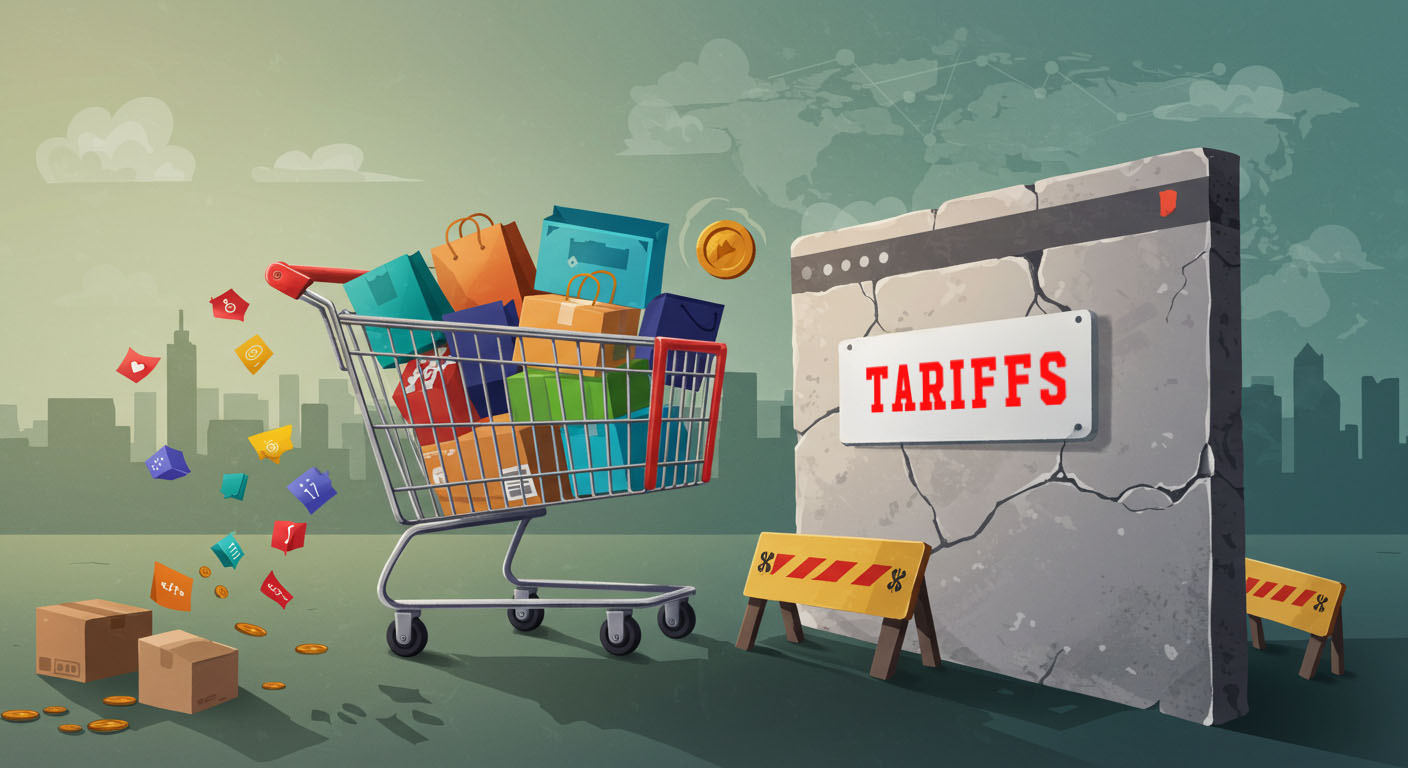
Tariffs make imported electronics pricier, nudging many buyers toward locally made alternatives. You might start valuing local brands not just for patriotism but for cost savings and quicker service. Local products often come with easier warranty claims and better customer support, which adds to their appeal.
However, some consumers still prefer imported goods for their advanced features or design, willing to pay the extra cost. This split shows how tariffs influence not only price sensitivity but also brand perception and trust. What matters more to you: cost, quality, or convenience when choosing between local and imported electronics?
Credit: www.efulfillmentservice.com
Future Outlook
The future of consumer electronics faces many changes due to tariffs. These trade barriers affect prices and product availability. Companies and consumers must adapt to a shifting economic environment. Understanding upcoming trends helps predict how the market will evolve.
Potential Policy Changes
Governments may adjust tariffs based on economic goals. Some may reduce tariffs to boost trade and lower costs. Others might increase tariffs to protect local industries. Trade agreements between countries could also reshape tariff rules. Companies watch these changes closely to plan production and pricing.
Long-term Market Implications
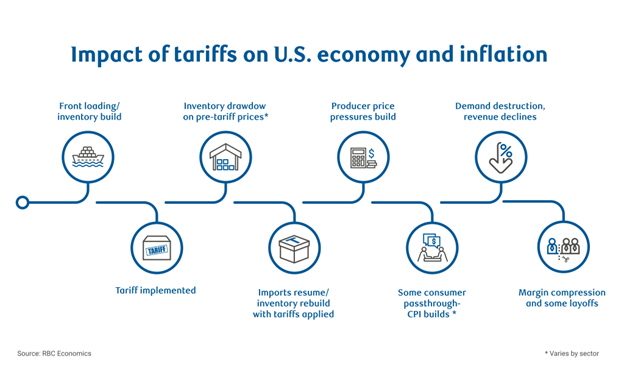
Tariffs influence product costs and supply chains over time. High tariffs can lead to higher prices for consumers. Businesses might move manufacturing to countries with lower tariffs. Innovation could slow if companies face higher costs. Consumer choices may shift towards locally made or tariff-free products. The market may see more competition and varied pricing strategies.
Credit: www.rbccm.com
Frequently Asked Questions
How Do Tariffs Impact Consumer Electronics Prices?
Tariffs increase import costs for electronics manufacturers. This often leads to higher retail prices for consumers. The added cost affects affordability and purchasing decisions. Tariffs can cause price volatility in the electronics market.
Why Are Tariffs Imposed On Consumer Electronics?
Governments use tariffs to protect domestic industries from foreign competition. They aim to boost local manufacturing and jobs. Tariffs also serve as leverage in trade negotiations. However, they can increase costs for consumers and businesses.
Which Electronics Are Most Affected By Tariffs?
Tariffs commonly target smartphones, laptops, and other imported gadgets. Components like semiconductors and circuit boards also face tariffs. High-value and mass-produced items feel the greatest price impact. This disrupts supply chains and pricing strategies.
Can Tariffs Influence Innovation In Electronics?
Yes, tariffs can increase production costs, limiting R&D budgets. Higher prices may reduce market demand, slowing innovation incentives. Conversely, tariffs can encourage local innovation and manufacturing growth. The net effect varies by industry and policy.
Conclusion
Tariffs change the price of many electronics we use daily. They can make gadgets more expensive or harder to find. Companies often adjust their plans to deal with these costs. Consumers might notice higher prices or fewer choices. Understanding tariffs helps us see why devices cost what they do.
Keeping an eye on trade policies can prepare buyers for shifts in the market. The impact of tariffs reaches beyond stores and factories. It touches how we buy and enjoy technology every day.
Leave a Reply