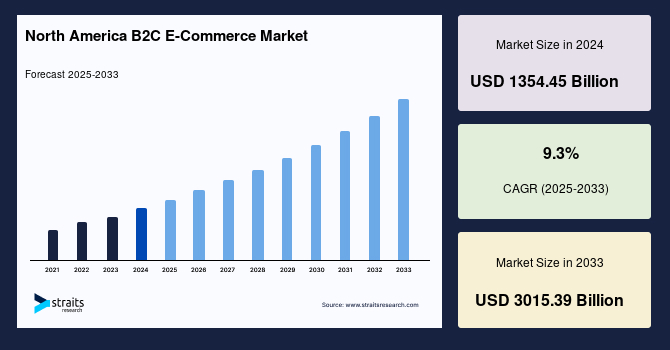
Have you ever wondered just how massive the consumer home electronics market really is? From smart TVs and gaming consoles to smart speakers and home security devices, these products have become a part of your daily life.
But do you know the scale of this market and what drives its rapid growth? Understanding this can help you make smarter choices when upgrading your tech or investing in the latest gadgets. Keep reading, and you’ll discover surprising facts and key insights about the size and impact of the consumer home electronics market that could change the way you think about the devices you use every day.
Market Size Overview
Understanding the size of the consumer home electronics market is crucial for both consumers and businesses. This sector is constantly evolving, driven by innovations and shifting consumer preferences. Let’s dive into some key aspects of this market to see how expansive it truly is.
Global Market Value
The consumer home electronics market is a behemoth in the global economy. It boasts a value that runs into trillions of dollars, reflecting its massive scale. This market includes everything from smartphones and tablets to smart home devices and entertainment systems.
Think about the last time you bought a new gadget. The sheer variety of products available points to the immense value of this sector. Companies are constantly competing to capture your interest with their latest offerings.
Regional Market Distribution
While the global market is vast, different regions contribute varying portions to this value. The Asia-Pacific region, for example, is a major player, largely due to manufacturing powerhouses like China and tech-savvy consumers in countries like South Korea and Japan.
North America and Europe also hold significant shares, driven by high consumer spending and a penchant for early adoption of new technologies. It’s fascinating how different cultures and economies influence the types of products that are popular in each region.
Growth Trends
The consumer home electronics market is not just big; it’s expanding rapidly. Innovations in technology, such as AI and IoT, are fueling this growth. As these technologies become more integrated into everyday products, the market’s potential continues to rise.
Consider the rise of smart home devices. They weren’t mainstream just a few years ago, and now they’re becoming household staples. What new technology do you think will capture the market’s attention next?

Credit: market.us
Key Product Categories
The consumer home electronic market covers a wide range of products that fit into several key categories. Understanding these categories helps you see where most of your spending goes and which gadgets are shaping everyday life. Each category offers unique devices that improve convenience, entertainment, and connectivity in your home.
Audio And Video Devices
Audio and video devices remain central to home entertainment. Think about your TV, soundbars, or wireless speakers that fill your space with rich sound and vivid images. Streaming devices and smart TVs have changed how you watch shows, giving instant access to countless options.
Have you noticed how much better your music sounds with a quality Bluetooth speaker compared to your phone’s built-in one? These devices focus on delivering immersive experiences, making your living room a mini cinema or concert hall.
Smart Home Gadgets
Smart home gadgets transform regular houses into intelligent living spaces. From smart lights that adjust with your mood to thermostats learning your schedule, these products save energy and add convenience. Security cameras and smart locks give you peace of mind by letting you monitor your home remotely.
Do you use any smart home gadget? Often, once you try them, you find it hard to go back to manual controls because of the ease and control they provide.
Wearable Electronics
Wearable electronics like smartwatches and fitness trackers have become part of daily life for many. These devices track health metrics, notify you of messages, and even help with navigation. They blend technology with personal wellness in a way few other gadgets do.
If you wear a fitness tracker, have you realized how it pushes you to move more or sleep better just by giving you simple data? This category is about making technology personal and proactive.
Computing Devices
Computing devices include laptops, tablets, and desktop computers that power work, gaming, and creativity. They remain essential for many tasks, despite the rise of mobile phones. Advances in processing power and portability keep this category relevant and evolving.
Think about the last time you upgraded your laptop. Did you notice how much faster and lighter it became? Computing devices continue to shape how efficiently you work and play at home.
Consumer Demographics
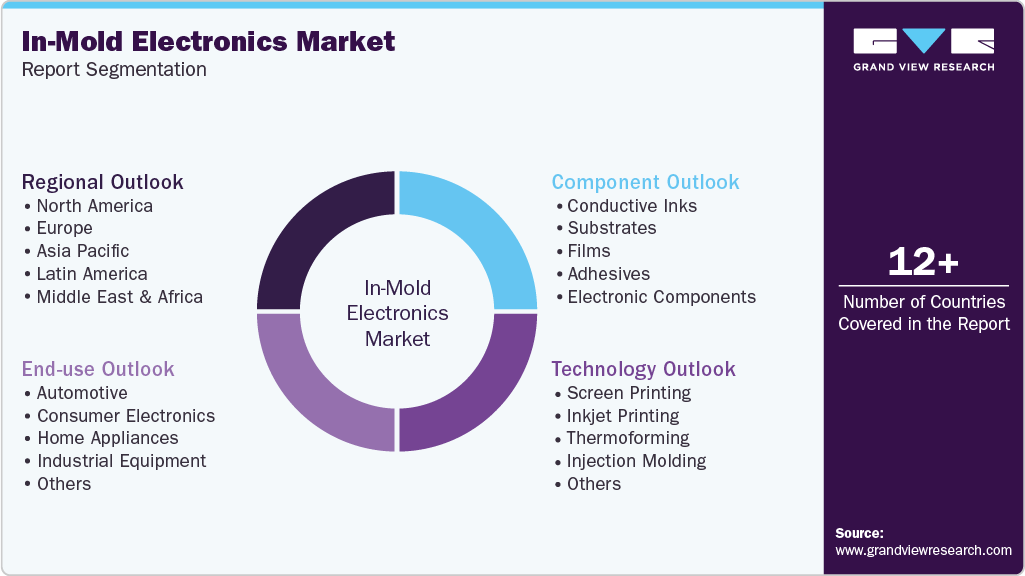
The consumer home electronic market serves a wide variety of buyers. Understanding who these consumers are helps explain market size and trends. Demographics reveal patterns in age, income, location, and tech use. These factors affect product demand and innovation.
Age And Income Groups
Young adults often seek affordable, trendy gadgets. Middle-aged buyers prefer reliable, high-quality devices. Older consumers look for ease of use and support. Income plays a key role in purchasing power. Higher income groups buy premium electronics more often. Lower income groups focus on basic and budget-friendly options.
Urban Vs Rural Buyers
Urban consumers have easier access to new technology. They tend to buy more advanced electronics. Rural buyers may face limited availability and slower adoption. However, rural areas show growing interest in smart home devices. Delivery and service improvements are closing the gap.
Tech-savvy Consumers
Tech-savvy buyers drive innovation and early adoption. They often buy the latest gadgets and smart systems. This group values connectivity, performance, and brand reputation. Many are younger and have higher incomes. Their feedback influences product development and features.
Credit: www.grandviewresearch.com
Market Drivers
The consumer home electronic market grows fast, driven by many factors. These factors shape how people buy and use technology. Understanding these market drivers helps explain the market size and trends.
Technological Advancements
New technology makes home electronics smarter and easier to use. Devices connect to the internet, giving more features and control. Innovations in AI, voice control, and smart sensors attract buyers. These advancements keep the market fresh and exciting.
Changing Consumer Lifestyles
People want more convenience and entertainment at home. Remote work and online learning increase demand for electronic devices. Health and fitness gadgets become popular as people focus on wellness. Lifestyle changes push consumers to buy new and better products.
Affordable Pricing
Prices for home electronics drop as production improves. More brands enter the market, creating competition and lower costs. Budget-friendly products make technology accessible to many buyers. Affordable pricing encourages more people to upgrade their devices.
Challenges Facing The Market
The consumer home electronic market is booming, but it’s not without its hurdles. If you’re involved in this space, understanding the key challenges can help you navigate smarter decisions and avoid costly pitfalls. These obstacles range from logistical bottlenecks to fierce competition and growing environmental demands.
Supply Chain Issues
Supply chain disruptions continue to impact the availability and pricing of home electronics. You might have noticed delays when ordering new gadgets or rising costs at checkout. These issues arise from material shortages, shipping delays, and manufacturing slowdowns.
For instance, semiconductor shortages have slowed down production of smart TVs and home assistants. If you rely on timely product launches, these delays can hurt your market momentum. Staying connected with suppliers and having backup plans can reduce risks.
Competition And Saturation
The market is packed with countless brands offering similar products. This saturation makes it tough to stand out and grab consumer attention. When every smart device boasts nearly identical features, how do you convince customers to pick yours?
Price wars often become the default strategy, squeezing profit margins. To thrive, focus on unique features, exceptional customer service, or niche audiences. Ask yourself: What makes your product unforgettable in a sea of options?
Environmental Concerns
Consumers and regulators are increasingly aware of the environmental impact of electronics. You’re now expected to consider sustainable materials, energy efficiency, and recyclability. Ignoring these factors can lead to backlash and lost trust.
For example, companies that offer trade-in programs or use recycled plastics gain a competitive edge. Are you prepared to meet growing demands for greener products? Taking early action can position your brand as a responsible leader.
Credit: www.prnewswire.com
Future Outlook
The consumer home electronic market is evolving fast. New ideas and tools shape how people use technology daily. The future holds many chances for growth and change. Understanding these trends helps businesses and buyers prepare for what is next.
Emerging Technologies
Smart home devices grow more common. They include voice assistants, smart lights, and security cameras. Artificial intelligence improves how devices learn user habits. Wearable tech merges health and convenience. Augmented reality offers new entertainment ways at home.
Predicted Market Growth
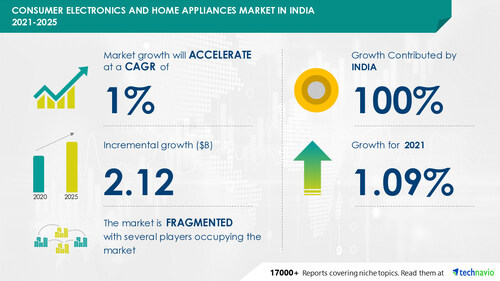
Experts expect steady market expansion over the next decade. Demand rises as prices become affordable. More people want connected and automated homes. Sales of smart appliances and entertainment systems will increase. Growth also stems from better internet access worldwide.
Potential Disruptors
Supply chain issues can slow product availability. Privacy concerns might affect customer trust. New regulations could change how companies operate. Emerging startups may introduce unexpected innovations. Economic shifts might influence consumer spending on electronics.
Frequently Asked Questions
What Is The Current Size Of The Consumer Home Electronic Market?
The consumer home electronic market is valued at over $400 billion globally. It continues to grow annually due to innovation and demand. Smart devices and home automation drive much of this growth.
Which Countries Lead The Consumer Home Electronic Market?
The United States, China, and Japan are top leaders in this market. These countries have high consumer spending and advanced manufacturing sectors. Emerging markets also show rapid growth potential.
What Factors Influence Market Growth In Home Electronics?
Technological advancements, rising disposable incomes, and smart home trends fuel growth. Increased internet access and urbanization also play key roles. Consumer preferences shift towards energy-efficient and connected devices.
How Does Smart Technology Impact The Market Size?
Smart technology significantly expands the market by adding new product categories. It enhances user convenience and functionality, driving consumer interest. Integration with IoT and AI boosts overall market value.
Conclusion
The consumer home electronic market is large and growing fast. Millions of people buy devices every year. From smart TVs to home assistants, demand stays high. New technology keeps drawing attention and sales. This market affects many parts of daily life.
Understanding its size helps businesses and buyers alike. Expect continued growth as tech becomes more common. The home electronic market shapes how we live today.
Leave a Reply