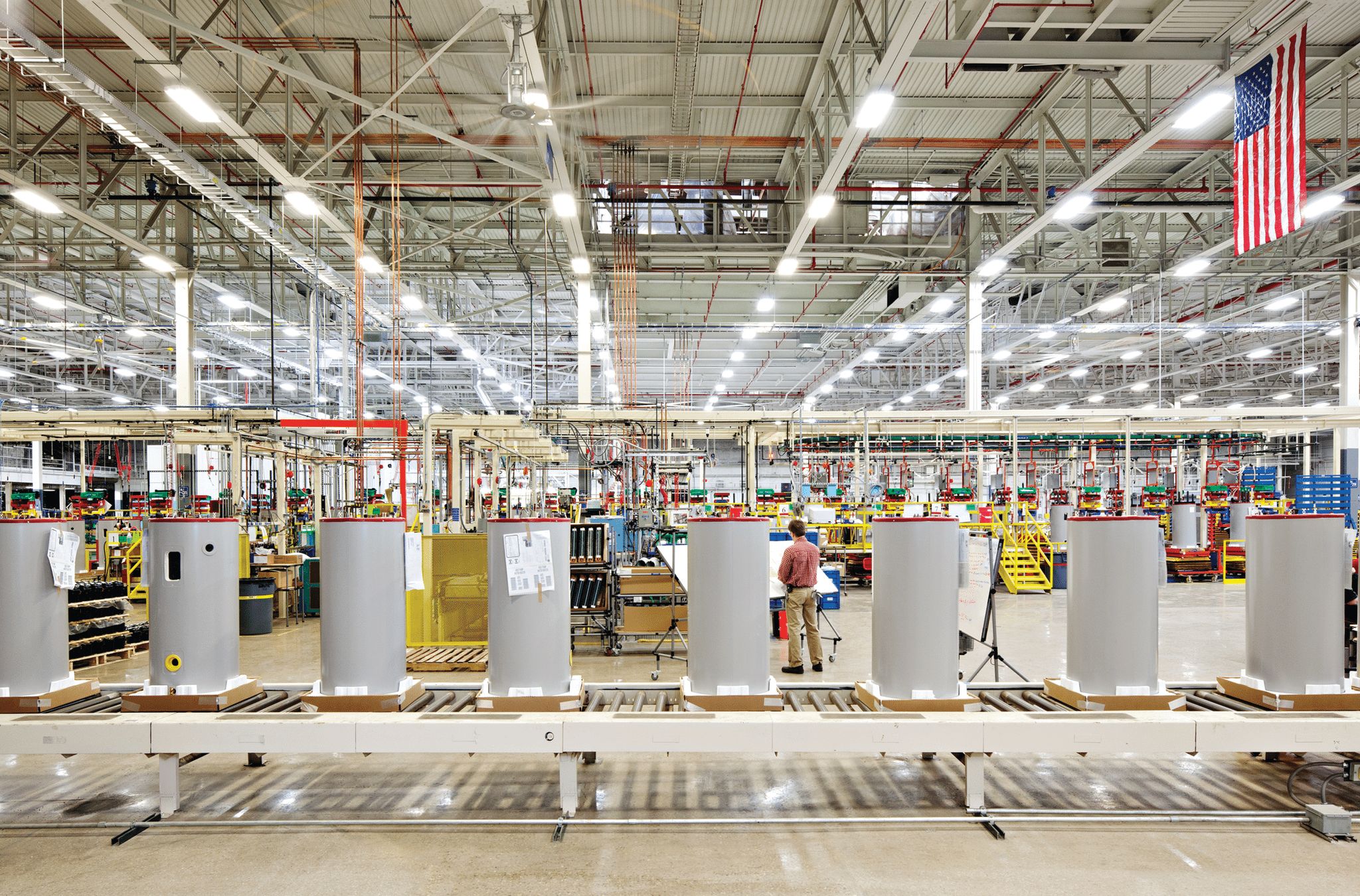
Imagine holding the next big gadget made right here in the USA. What if your favorite smartphone, laptop, or smart home device was built closer to home, supporting local jobs and boosting the economy?
You might wonder how the country can make this a reality again. Rebuilding America’s consumer electronics manufacturing isn’t just about factories; it’s about innovation, strategy, and your role as a consumer. You’ll discover the key steps the USA can take to bring back strong electronics production and why it matters to you.
Keep reading to find out how this transformation can impact your everyday life and the future of technology.
Current State Of Us Electronics Manufacturing
The current state of US electronics manufacturing reveals a complex mix of challenges and opportunities. While the sector has seen significant shifts over the past few decades, understanding where it stands now is crucial to imagining how it can bounce back. Let’s look closely at the trends shaping domestic production, economic impacts, and supply chain issues.
Decline In Domestic Production
US electronics manufacturing has dropped dramatically since the late 20th century. Many factories moved overseas seeking lower labor costs, leaving behind a reduced industrial base. This decline means fewer products are made at home, from smartphones to circuit boards.
Have you noticed how most gadgets you buy are labeled “Made in China” or “Made in Vietnam”? That’s a direct result of this shift. It also means the US depends heavily on foreign suppliers for critical components.
Impact On Economy And Jobs
The drop in local manufacturing has hit the economy hard. Thousands of skilled jobs disappeared, affecting communities that once thrived on electronics plants. This loss isn’t just about numbers—it changes the quality of work available and limits career paths in tech manufacturing.
When you lose manufacturing jobs, the ripple effect touches other industries too, like logistics and retail. It raises a question: How can your community benefit if these jobs don’t come back?
Global Supply Chain Challenges
Recent events like the pandemic and geopolitical tensions have exposed weaknesses in global supply chains. Delays, shortages, and price hikes have become more common, affecting everything from microchips to consumer devices. The US feels these impacts acutely due to its reliance on overseas production.
Imagine waiting months for a new laptop because a tiny chip is stuck halfway across the world. This situation highlights why rebuilding domestic capabilities could reduce risks and improve reliability for your next purchase.

Credit: www.ien.com
Benefits Of Revitalizing Manufacturing
Revitalizing consumer electronics manufacturing in the USA offers more than just a boost to factories—it reshapes the economy, strengthens communities, and enhances national resilience. When production moves closer to home, you gain faster innovation cycles and better quality control. These benefits ripple across many layers of society, impacting your daily life in ways you might not expect.
Economic Growth Opportunities
Bringing manufacturing back means more than just building gadgets; it drives local economies forward. Increased production leads to higher demand for raw materials, logistics, and services, creating a ripple effect across industries.
Think about small towns that have lost jobs to overseas factories—revitalization offers a chance to bring them back to life. Plus, domestic manufacturing can attract investment and encourage startups focused on new technologies.
How often do you consider where your phone or laptop is made? Supporting local production could stimulate economic activity right in your community.
Job Creation And Workforce Development
Manufacturing jobs often provide stable wages and benefits, offering a solid foundation for many families. Revitalizing this sector means creating thousands of such opportunities, especially in regions hit hard by industrial decline.
These jobs also require skilled workers, pushing companies and educational institutions to develop better training programs. You might see more apprenticeships, technical schools, and partnerships that prepare workers for the future.
Imagine your own neighborhood gaining new career paths with good pay and growth potential. What skills do you think will be most valuable in this new manufacturing era?
National Security Considerations
Relying heavily on foreign manufacturing for critical electronics can leave the country vulnerable during global disruptions. Producing key components at home strengthens supply chains and reduces dependency on uncertain sources.
It also allows faster responses to emergencies, whether a pandemic or geopolitical tension. When you buy products made domestically, you’re supporting a more secure and resilient infrastructure.
Have you thought about how a break in supply chains might impact your daily tech use? Domestic manufacturing can help prevent those disruptions.
Policy Measures To Encourage Production
Policy measures play a vital role in rebuilding the USA’s consumer electronics manufacturing. Clear, strong policies can attract businesses and boost production. These measures make it easier for manufacturers to grow and compete globally.
Government support can reduce costs and risks for companies. It encourages innovation and investment. This section explores key policy actions that can drive production.
Tax Incentives And Subsidies
Tax incentives lower the cost of setting up factories and hiring workers. They help companies save money on equipment and operations. Subsidies provide direct financial support to manufacturers. This funding can cover research, training, or expanding production lines.
These incentives make the USA more attractive for electronics firms. They encourage businesses to invest domestically rather than overseas. Tax breaks also help startups and small manufacturers grow faster.
Trade Policies And Tariffs
Trade policies influence how products move across borders. Tariffs on imported electronics can protect local manufacturers from cheap foreign goods. This gives US factories a fair chance to compete.
Balanced trade policies encourage domestic production while keeping access to global markets. Rules that promote fair competition and reduce supply chain risks help manufacturers plan better and increase output.
Investment In Research And Development
Funding for research and development (R&D) leads to new technologies and better products. Government investment can support labs, universities, and private companies working on electronics innovation.
Stronger R&D creates jobs and boosts manufacturing quality. It also helps the USA stay ahead in technology trends and meet global demand.
Technological Innovations Driving Growth
Technological innovations play a key role in rebuilding the USA’s consumer electronics manufacturing. These new technologies help factories produce better products faster and cheaper. They also create safer workplaces and reduce environmental harm.
Innovation drives growth by improving efficiency and quality. It attracts investment and skilled workers. These advances help American companies compete globally and meet modern consumer demands.
Automation And Robotics
Automation uses machines to perform tasks without human help. Robots can assemble small parts with high precision. They work 24/7 and reduce errors.
Factories that use robotics increase production speed. Workers focus on supervising and improving processes. This lowers labor costs and boosts output.
Advanced Materials And Components
New materials improve product performance and durability. Lightweight metals and flexible plastics enable sleek designs. Advanced semiconductors enhance device speed and battery life.
Using cutting-edge components helps make electronics more reliable. It also cuts waste by reducing defective items. These materials support innovation in smart devices and wearables.
Sustainable Manufacturing Practices
Sustainability reduces environmental impact during production. Factories use less water and energy. They recycle materials and minimize waste.
Green manufacturing attracts eco-conscious customers and partners. It lowers costs through energy savings and waste reduction. Sustainable practices build a positive brand image for U.S. manufacturers.
Strengthening Supply Chains
Strengthening supply chains is key for the USA to rebuild its consumer electronics manufacturing. Reliable supply chains reduce delays and cut costs. They ensure steady access to parts and materials. This stability attracts more manufacturers to produce domestically. Strong supply chains also help the industry adapt to global challenges faster.
Diversifying Suppliers
Diversifying suppliers reduces risk from one source failing. The USA can work with multiple countries and companies. This approach limits the impact of political or natural disruptions. It encourages competition, which can lower prices and improve quality. Domestic and international suppliers both play important roles in a balanced supply chain.
Building Domestic Component Ecosystems
Creating local component ecosystems supports faster production. It means more parts are made close to assembly plants. This cuts shipping time and costs. Local ecosystems also create jobs and boost the economy. The USA can invest in materials, chips, and other key parts. A strong domestic network makes the entire supply chain more resilient.
Improving Logistics And Infrastructure
Efficient logistics speed up the movement of goods. Modern ports, highways, and railways reduce delays. Upgraded infrastructure supports just-in-time delivery systems. Technology like automated warehouses can increase efficiency. The USA needs to invest in these areas to keep supply chains smooth. Better logistics means faster production and delivery to customers.

Credit: www.latimes.com
Workforce Training And Education
Workforce training and education form the backbone of rebuilding the USA’s consumer electronics manufacturing. Skilled workers drive innovation and ensure quality production. Developing talent through focused education and hands-on experience closes the gap between industry needs and available skills. Training programs must adapt quickly to the fast-changing technology landscape. A strong workforce boosts manufacturing competitiveness and attracts investments.
Skills Gap Challenges
The consumer electronics sector faces a shortage of skilled workers. Many jobs require technical knowledge that current workers lack. Rapid technology changes leave some workers behind. The gap slows manufacturing growth and raises production costs. Companies struggle to find employees with the right skills.
Addressing this gap needs clear identification of needed skills. Soft skills like problem-solving and teamwork also matter. Training programs must cover both technical and interpersonal abilities.
Partnerships With Educational Institutions
Collaboration between manufacturers and schools creates stronger training programs. Schools can update curriculums to match industry demands. Industry input helps align courses with real-world tasks.
- Community colleges offering specialized electronics programs
- Universities conducting research and innovation
- Vocational schools providing practical skill training
These partnerships help students gain relevant skills. They also create clear career paths from education to employment.
Apprenticeships And On-the-job Training
Apprenticeships combine learning with real work experience. Workers develop skills under expert guidance. This method builds confidence and expertise faster.
- Apprentices earn while they learn
- Companies train workers to fit specific roles
- Hands-on experience improves problem-solving skills
On-the-job training keeps workers updated on new technologies. Continuous learning supports long-term workforce growth and adaptability.
Collaborations And Public-private Partnerships
Collaborations and public-private partnerships play a key role in rebuilding consumer electronics manufacturing in the USA. Bringing together industry leaders, government bodies, and research institutions creates strong foundations. These partnerships foster growth, innovation, and competitiveness in the sector.
Industry And Government Cooperation
Industry and government cooperation helps align goals and resources. The government can create supportive policies and incentives. Companies gain clearer direction and better access to funding. This cooperation also improves supply chain security and workforce development. Both sides benefit from shared knowledge and coordinated efforts.
Innovation Hubs And Clusters
Innovation hubs and clusters gather companies and research centers in one area. These clusters encourage faster idea exchange and product development. They make it easier to attract talent and investment. Focused hubs support startups and established firms alike. The result is a vibrant ecosystem that drives manufacturing forward.
Funding And Resource Sharing
Funding and resource sharing reduce costs and risks for all partners. Public funds can support research, training, and infrastructure. Private companies contribute expertise, technology, and market access. Sharing resources speeds up innovation and production. Together, they create a strong network that sustains growth.
Case Studies Of Successful Revitalization
Revitalizing consumer electronics manufacturing in the USA requires learning from success stories. These examples offer clear paths and proven strategies. Understanding what worked elsewhere can guide future efforts.
Case studies highlight different approaches. Some focus on regional growth, others on corporate reshoring. International models also provide valuable lessons.
Regional Manufacturing Resurgence
Certain US regions have reignited manufacturing through local efforts. Investments in infrastructure and workforce training played key roles.
- Midwestern states developed advanced manufacturing hubs.
- Local governments provided incentives for tech startups.
- Collaboration between colleges and companies boosted skills.
These actions created jobs and attracted new businesses. The regional focus helped rebuild supply chains closer to home.
Corporate Initiatives In Reshoring
Many companies returned production to the US by reshoring. They aimed to reduce dependency on overseas suppliers.
- Automakers invested in US-based electronics plants.
- Tech firms upgraded facilities with automation.
- Companies partnered with local suppliers for faster delivery.
Corporate reshoring improved quality control and shortened lead times. It also supported local economies and innovation.
International Examples To Emulate
Other countries rebuilt their electronics sectors with strong policies. These examples offer useful strategies for the USA.
| Country | Key Strategy | Outcome |
|---|---|---|
| South Korea | Government-funded R&D and cluster development | Global leader in semiconductor production |
| Germany | Focus on high-tech manufacturing and apprenticeships | Strong export-oriented electronics industry |
| Japan | Investment in precision manufacturing and innovation | World-renowned consumer electronics brands |
Adapting these approaches can help the US regain its manufacturing edge. Smart policies and strategic investments are crucial.
Credit: www.ibtimes.co.uk
Frequently Asked Questions
What Strategies Can Boost Us Consumer Electronics Manufacturing?
Investing in advanced technology and skilled labor is key. Supporting startups and local suppliers also strengthens the supply chain. Government incentives can encourage domestic production and innovation.
How Does Reshoring Impact Us Consumer Electronics Growth?
Reshoring brings jobs back and reduces reliance on foreign suppliers. It improves product quality and shortens delivery times. This boosts the local economy and enhances supply chain resilience.
What Role Do Government Policies Play In Rebuilding Manufacturing?
Policies that offer tax breaks and grants attract manufacturers. Trade protections help local companies compete globally. Clear regulations and infrastructure investments also foster a supportive environment.
Why Is Innovation Important For Us Electronics Manufacturing?
Innovation drives product differentiation and efficiency. It helps companies meet changing consumer demands. Continuous R&D investment ensures competitiveness in the global market.
Conclusion
Rebuilding USA’s electronics manufacturing needs focus and innovation. Support local industries. Educate skilled workers for growth. Invest in technology and infrastructure. Encourage collaboration between companies. Create friendly policies for businesses. This strengthens the economy and creates jobs. A sustainable future is possible.
Support homegrown electronics to reduce dependency on imports. By focusing on these steps, the USA can thrive in the global market. Change is within reach. The journey begins now.
Leave a Reply