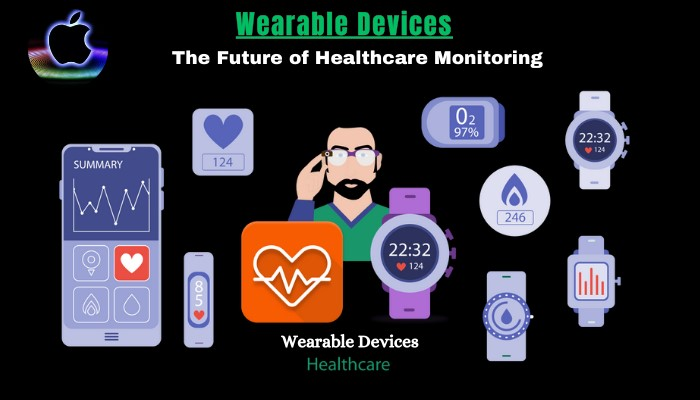
Imagine having a personal health assistant right on your wrist or tucked inside your clothes—one that constantly monitors your body and helps you stay on top of your well-being. Wearable technology in healthcare is making this possible, and it’s changing the way you manage your health every day.
But how exactly can these smart devices be adopted in healthcare to benefit you and those around you? Keep reading to discover the simple ways wearable tech can transform your health routine and improve medical care like never before.
Role Of Wearables In Healthcare
Wearable technology helps monitor health by tracking vital signs and activity levels. It supports early detection and better management of diseases. Hospitals and patients can use wearables for real-time health data and improved care.
Wearable technology is reshaping the healthcare landscape by providing innovative ways to monitor and improve health. These compact devices are transforming how patients and doctors engage with health data, fostering a more proactive approach to health management. Imagine being able to track your heart rate, monitor your sleep patterns, or even detect early signs of a health issue—all from a device on your wrist.Types Of Wearable Devices
Wearable devices come in various forms, each serving a unique purpose in healthcare. Smartwatches are perhaps the most popular, offering features like heart rate monitoring and step tracking. Fitness trackers focus on physical activity, while smart clothing integrates sensors into fabrics to monitor vital signs. Medical-grade wearables, such as continuous glucose monitors, provide critical data for managing chronic conditions.Key Features Beneficial For Patients
These devices offer a range of features that can significantly benefit patients. Real-time data tracking allows for continuous monitoring, providing insights into your daily health patterns. Alerts and notifications can remind you to take medication or inform you of irregular health metrics. User-friendly interfaces ensure that even those who are not tech-savvy can easily access and understand their health data.Integration With Medical Systems
A crucial aspect of wearable technology in healthcare is its ability to integrate with medical systems. Data synchronization with electronic health records means your doctor can access your health data in real time, improving diagnostic accuracy. Remote monitoring capabilities allow healthcare providers to keep tabs on patients from afar, reducing the need for frequent in-office visits. Secure data sharing ensures that your health information is protected while being accessible to your healthcare team. Have you considered how a wearable could change your healthcare experience? As technology advances, these devices could become as essential as a stethoscope in your health journey.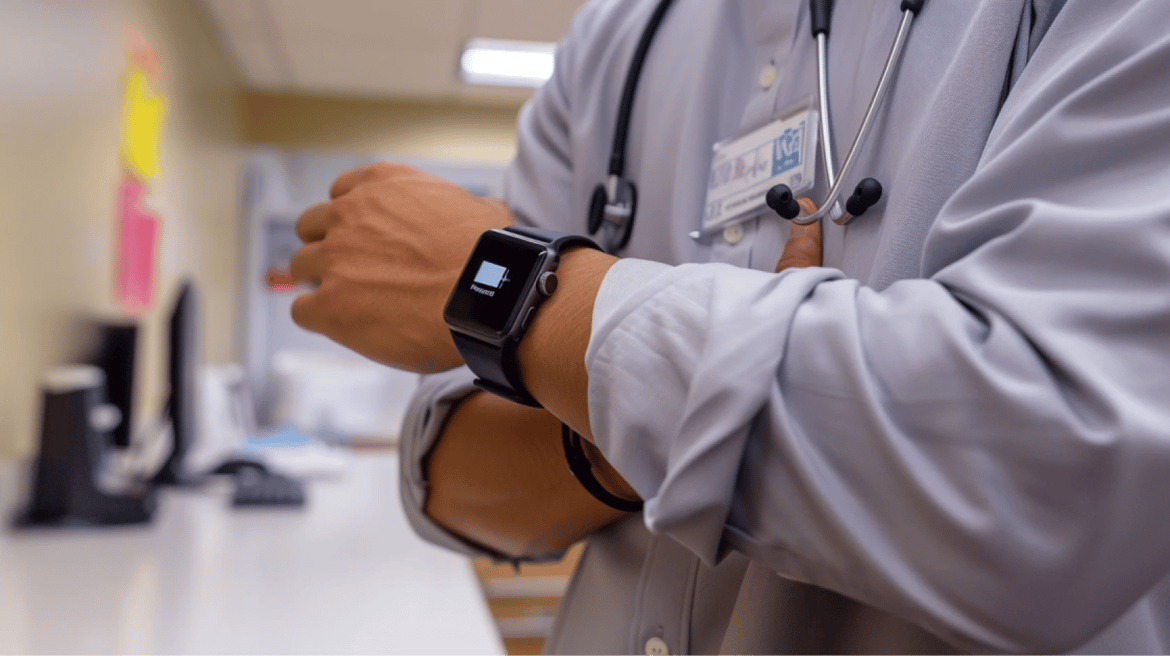
Credit: www.otandp.com
Benefits For Patient Care
Wearable technology is changing how healthcare supports patients every day. Its benefits for patient care go beyond convenience, offering real value in monitoring, managing, and engaging with health conditions. Imagine having your health data available instantly and sharing it effortlessly with your healthcare provider.
Real-time Health Monitoring
Wearables track vital signs like heart rate, blood pressure, and oxygen levels continuously. This constant monitoring helps catch problems early, sometimes even before symptoms appear. For example, a smartwatch alerting you to irregular heartbeats can prompt a timely doctor visit that might prevent serious complications.
Real-time data means doctors can adjust treatments quickly and accurately. You don’t have to wait for your next appointment to know how your body is doing. This immediate feedback loop can improve outcomes and reduce emergency visits.
Chronic Disease Management
Managing chronic diseases like diabetes or asthma becomes simpler with wearable devices. These gadgets remind you to take medication, track your activity, and even detect warning signs that require medical attention. You get personalized support that fits into your daily routine.
Patients often feel more in control when they can see how lifestyle choices affect their condition. For instance, a diabetic patient can monitor glucose levels continuously, adjusting diet or insulin doses based on real-time readings. This hands-on approach can decrease hospitalizations and enhance quality of life.
Enhanced Patient Engagement
Wearables encourage you to take an active role in your health. They offer insights and motivation through apps that track progress and set goals. This engagement helps turn abstract health advice into concrete, manageable actions.
Have you noticed how easy it is to ignore health recommendations when they feel distant? Wearables bring your health to your fingertips, making it personal and immediate. This connection often leads to better adherence to treatment plans and healthier habits over time.
Challenges In Adoption
Adopting wearable technology in healthcare brings many benefits, but it’s not without its hurdles. These challenges affect how quickly and widely wearables get accepted by both patients and healthcare providers. Understanding these barriers can help you make better decisions about using wearables in your health routine or practice.
Data Privacy And Security
Your health data is extremely personal. Wearable devices collect sensitive information like heart rate, sleep patterns, and activity levels. This raises questions about who has access to your data and how securely it’s stored.
Healthcare providers and tech companies must invest heavily in encryption and secure data storage. If you’ve ever hesitated to share your health details with an app, you’re not alone. You should ask yourself: How confident am I that my data won’t be misused or leaked?
Technical Limitations
Wearable technology is still evolving. Many devices face issues like limited battery life, inconsistent accuracy, and connectivity problems. These technical setbacks can frustrate users and reduce trust in the technology.
Imagine relying on a wearable to monitor your heart condition, only to find it gives erratic readings or dies quickly. Such experiences can discourage both patients and doctors from adopting these tools fully. What improvements would make you feel more comfortable using wearables daily?
User Compliance And Accessibility
Even the best wearable device is useless if you don’t wear it consistently or find it hard to use. Some people find wearables uncomfortable or complicated, especially older adults or those with disabilities.
Cost is another factor. Not everyone can afford the latest health trackers, which limits their reach. How can healthcare systems ensure that wearables are easy to use and affordable for everyone who needs them?
Strategies For Effective Implementation
Effective implementation of wearable technology in healthcare needs careful planning. It involves teamwork, training, and patient involvement. These strategies help ensure smooth adoption and better results. Each part plays a key role in making wearables useful and accepted.
Collaborations Between Tech And Healthcare
Tech companies and healthcare providers must work closely. This partnership helps create devices that fit real medical needs. Sharing knowledge leads to better design and function. Collaboration also speeds up testing and approval processes.
Joint efforts can focus on:
- Developing user-friendly devices
- Ensuring data security and privacy
- Integrating wearables with existing health systems
Training For Healthcare Providers
Healthcare workers need proper training to use wearable tech. Understanding device features improves patient care. Training also helps providers interpret data correctly. This leads to timely and accurate decisions.
Programs should cover:
- Device operation basics
- Data analysis and reporting
- Addressing patient concerns
Patient Education And Support
Patients must learn how to use wearable devices well. Clear instructions and ongoing support build confidence. Education should focus on device use and benefits. Support helps patients stay motivated and engaged.
Effective patient education includes:
- Simple user guides
- Access to help centers or hotlines
- Regular follow-ups to answer questions
Future Trends In Wearable Healthcare
The future of wearable healthcare is exciting and full of potential. As technology evolves, these devices will not only track your health but will also predict, prevent, and personalize care in ways we haven’t seen before. Imagine wearables that learn from your body and adapt to your unique needs every day.
Ai And Machine Learning Integration
AI and machine learning are making wearables smarter. These devices can analyze your health data in real time and spot patterns that humans might miss.
This means faster detection of health issues like irregular heartbeats or early signs of diabetes. Have you ever thought about how your watch could alert you to a problem before symptoms appear? That’s the power of AI working behind the scenes.
Personalized Medicine
Wearables will help tailor treatments specifically for you. Instead of one-size-fits-all medicine, data from your device can guide doctors to create personalized health plans.
Think about how this could change managing chronic conditions like asthma or hypertension. Your wearable might suggest adjustments in medication or lifestyle based on how your body responds daily.
Remote Patient Monitoring Expansion
Remote monitoring is becoming more widespread thanks to wearables. This lets healthcare providers keep an eye on patients without needing frequent hospital visits.
Patients with mobility challenges or those living far from clinics can benefit greatly. How much easier would managing your health be if your doctor could monitor your recovery from home?

Credit: medium.com
Credit: cubettech.com
Frequently Asked Questions
What Are The Benefits Of Wearable Technology In Healthcare?
Wearable technology provides real-time health data, improves patient monitoring, and enhances chronic disease management. It helps in early diagnosis and personalized treatment, reducing hospital visits and healthcare costs.
How Can Healthcare Providers Integrate Wearable Devices?
Providers can integrate wearable devices by using compatible platforms and electronic health records. Training staff and ensuring data security are also essential for smooth adoption and patient trust.
What Challenges Exist In Adopting Wearable Healthcare Tech?
Challenges include data privacy concerns, high costs, and device accuracy. Additionally, patient compliance and integration with existing systems can hinder widespread adoption.
Which Wearable Devices Are Most Useful In Healthcare?
Devices like fitness trackers, smartwatches, and biosensors monitor heart rate, activity, glucose levels, and sleep. These tools assist in managing chronic conditions and promoting healthier lifestyles.
Conclusion
Wearable technology can improve healthcare in many ways. It helps track health data quickly and easily. Doctors can monitor patients remotely and act fast. Patients feel more in control of their health. Challenges like privacy and cost still exist. Clear rules and better devices will help solve these issues.
As technology grows, healthcare will become more personal and efficient. This makes wearable tech a useful tool for both patients and doctors. The future of healthcare looks promising with these tools.
Leave a Reply