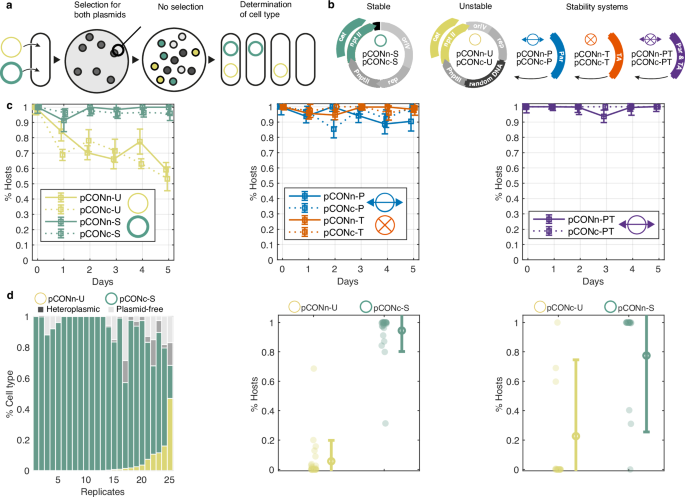
Have you ever wondered how tiny DNA circles called plasmids manage to stick around inside bacteria, even when they don’t seem to offer an obvious benefit? The secret lies in a clever mechanism known as toxin-antitoxin systems.
These systems work like a biological security guard, making sure plasmids don’t get lost or tossed away. If you want to understand how these systems keep plasmids safe and why that matters, you’re in the right place. Keep reading to discover how toxin-antitoxin systems play a crucial role in plasmid maintenance and what that means for science and medicine.
Mechanism Of Toxin Antitoxin Systems
The mechanism of toxin antitoxin (TA) systems plays a crucial role in keeping plasmids stable within bacterial cells. These systems act like a biological safeguard, ensuring that plasmids are not easily lost during cell division. Understanding how these systems work gives you insight into bacterial survival strategies and can guide you in applications like biotechnology or antibiotic development.
Components Of Toxin Antitoxin Systems
Each TA system consists of two main parts: a toxin and an antitoxin.
- Toxin:This is a stable protein that can disrupt essential cellular processes, such as DNA replication or protein synthesis.
- Antitoxin:Usually a less stable protein or RNA molecule that neutralizes the toxin’s harmful effects.
The antitoxin is often encoded alongside the toxin on the plasmid, which means they are produced together. If the plasmid is lost, the antitoxin degrades quickly, leaving the toxin free to act.
Functionality And Interaction
The interaction between toxin and antitoxin is a finely balanced system. As long as the plasmid is present, the antitoxin binds to the toxin and keeps it inactive.
If a daughter cell fails to inherit the plasmid, the antitoxin disappears first due to its instability. This leaves the toxin unopposed, leading to growth arrest or cell death.
This “post-segregational killing” ensures that only cells with the plasmid survive, maintaining plasmid presence in the population.
Have you ever wondered why some bacteria never lose certain plasmids? The TA system explains this by acting as a molecular enforcement agent, making sure the plasmid stays put.
Credit: link.springer.com
Role In Plasmid Stability
Toxin-antitoxin systems play a vital role in keeping plasmids stable inside bacterial cells. These systems help plasmids survive through generations by controlling cell fate based on the plasmid’s presence. They create a balance that encourages cells to keep plasmids rather than lose them. This balance ensures the plasmid’s genetic material is passed on and maintained effectively.
Plasmid Inheritance
Toxin-antitoxin systems support plasmid inheritance by linking cell survival to plasmid retention. The plasmid carries genes for both a toxin and its antitoxin. The antitoxin neutralizes the toxin only as long as the plasmid is present. During cell division, plasmids are distributed to daughter cells. Cells that inherit the plasmid produce the antitoxin and stay healthy. Cells without the plasmid lose the antitoxin and face the toxin’s harmful effects.
This mechanism forces cells to keep the plasmid to survive. It increases the chance that plasmids are passed on to new cells. The system acts as a safeguard ensuring plasmid inheritance over time.
Prevention Of Plasmid Loss
Plasmid loss is risky for bacteria that rely on plasmid-encoded traits. Toxin-antitoxin systems prevent plasmid loss by killing or stopping the growth of cells without plasmids. The toxin remains active longer than the antitoxin, so cells losing the plasmid soon face toxin effects. This selective pressure removes plasmid-free cells from the population.
Through this process, only plasmid-containing cells survive and multiply. This reduces the number of plasmid-free cells, maintaining the plasmid in the bacterial community. The system acts like a quality control for plasmid maintenance.
Types Of Toxin Antitoxin Systems
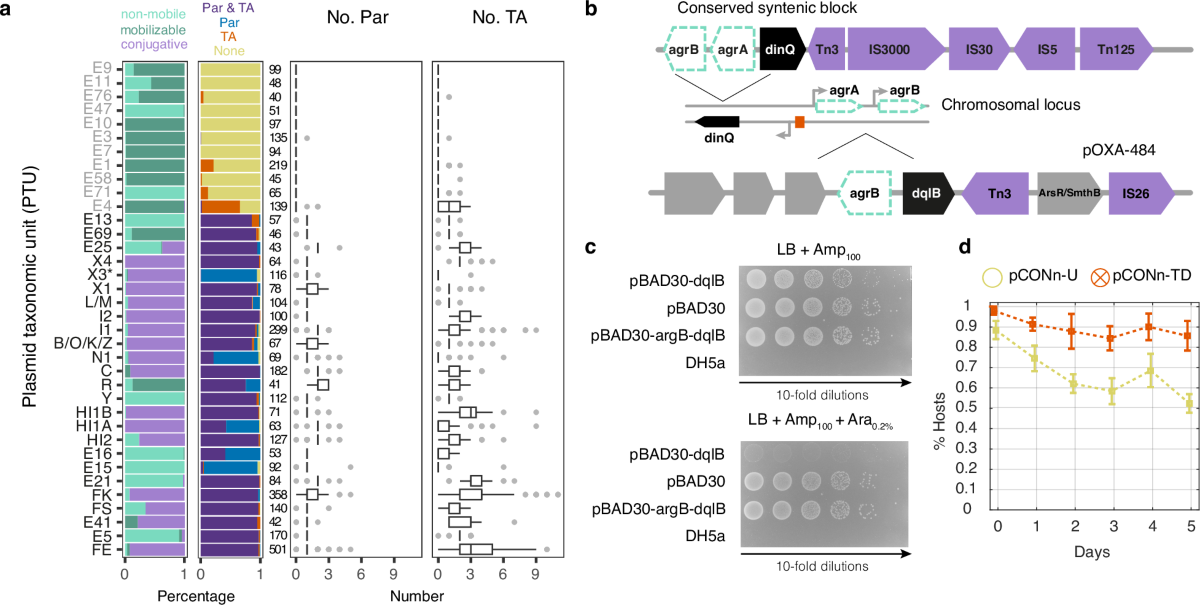
Toxin antitoxin (TA) systems play a crucial role in keeping plasmids stable within bacterial cells. These systems come in different types, each with unique ways of controlling toxins and antitoxins to ensure plasmid maintenance. Understanding these types helps you appreciate how bacteria survive and manage their genetic material.
Type I Systems
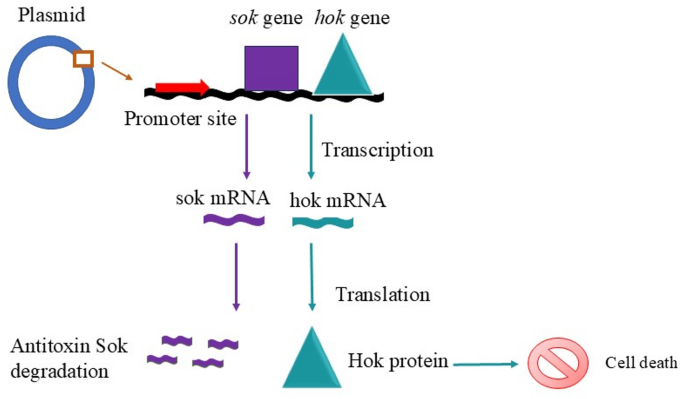
Type I TA systems use small RNA molecules as antitoxins to block the production of toxins. The toxin is usually a small protein that can damage the cell if left unchecked. The antitoxin RNA binds to the toxin’s messenger RNA, preventing it from making the harmful protein.
This system relies heavily on RNA interactions, making it different from others that use proteins for both toxin and antitoxin. Have you considered how this RNA-based control might affect the speed of toxin activation during stress?
Type Ii Systems
In Type II systems, both toxin and antitoxin are proteins. The antitoxin protein binds directly to the toxin protein, neutralizing its harmful effects. This binding is like a tight lock-and-key fit, which keeps the toxin inactive as long as the antitoxin is present.
Type II TA systems are the most studied because they often control plasmid stability by killing cells that lose the plasmid. What would happen if the antitoxin degrades faster than the toxin? This imbalance can trigger cell death, ensuring only plasmid-carrying cells survive.
Type Iii Systems
Type III systems use RNA antitoxins that directly bind to toxin proteins to inhibit their activity. Unlike Type I, where RNA blocks toxin production, here the RNA neutralizes the toxin after it’s made. This interaction forms a stable complex that stops the toxin from damaging the cell.
This system highlights a clever way bacteria manage toxins at the protein level but with RNA antitoxins. Have you thought about how these differences affect the timing and control of toxin activation in plasmid maintenance?
Credit: www.nature.com
Biological Implications
Toxin antitoxin (TA) systems play a vital role beyond plasmid maintenance. They influence bacterial behavior and survival in challenging environments. Understanding their biological implications reveals how bacteria thrive under stress and adapt to changing conditions.
Stress Response Modulation
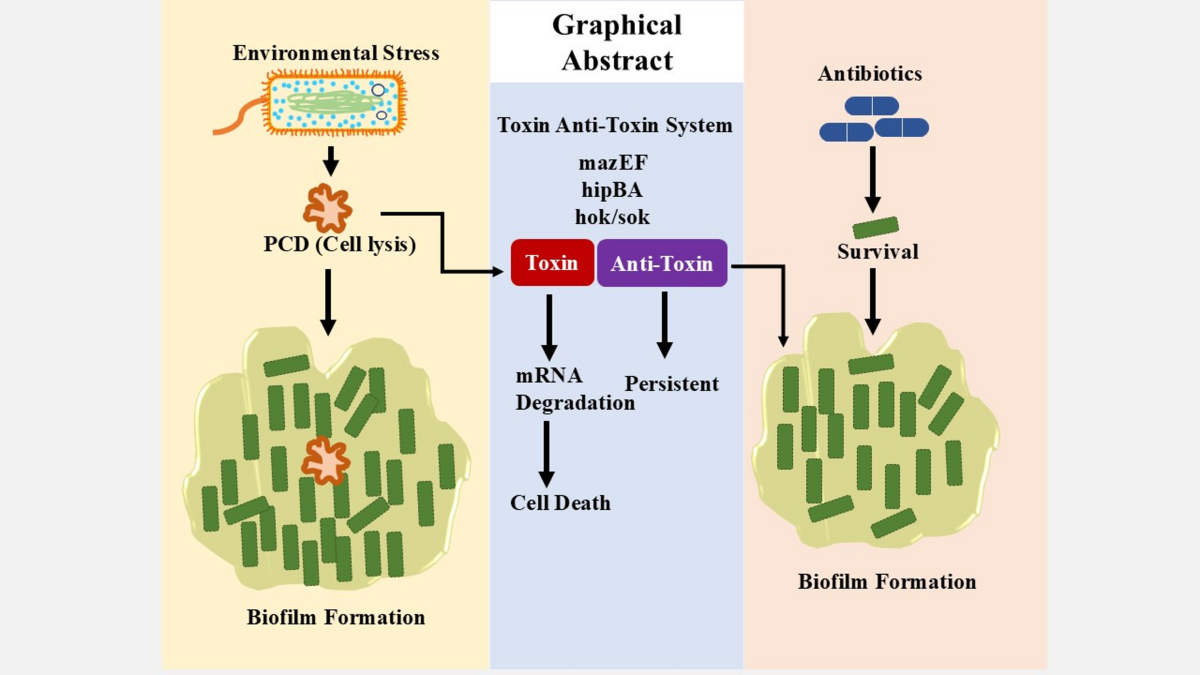
TA systems help bacteria manage stress effectively. Under harsh conditions, toxins slow down cell growth or cause dormancy. This pause allows cells to conserve energy and repair damage. Antitoxins keep toxins in check during normal growth. The balance between toxin and antitoxin adjusts based on stress levels.
This modulation protects bacterial populations from antibiotics and other threats. It increases survival chances by preventing cell death. TA systems also signal stress responses that activate protective genes. These systems act like internal alarms, preparing bacteria for tough times.
Cellular Adaptation And Survival
TA systems support bacterial adaptation by controlling cell fate. They eliminate cells lacking plasmids, ensuring only fit cells survive. This selective pressure maintains important genetic traits within the population. Cells can enter a dormant state to survive nutrient shortages or immune attacks.
During dormancy, bacteria become tolerant to external stress, including antibiotics. TA systems thus contribute to persistence, a key factor in chronic infections. They enable bacteria to survive until conditions improve. This survival mechanism shapes bacterial evolution and resistance development.
Applications In Biotechnology
Toxin-antitoxin (TA) systems play a vital role in biotechnology by ensuring stable plasmid maintenance. These systems help keep plasmids inside bacterial cells, which is crucial for many biotechnological processes. TA systems prevent plasmid loss by killing or stopping cells that lose the plasmid. This feature has practical uses in genetic engineering and biocontainment.
Genetic Engineering
TA systems improve plasmid stability in genetically modified bacteria. Scientists use TA systems to keep plasmids carrying useful genes inside cells. This avoids the need for antibiotics to maintain plasmids, reducing costs and environmental impact. Plasmids with TA systems ensure the bacteria keep producing desired proteins or enzymes. This method increases production efficiency and reliability in labs and industries.
Biocontainment Strategies
TA systems help control genetically engineered microbes in the environment. They act as safety switches to stop unwanted spread of modified bacteria. If bacteria lose their plasmid, the toxin kills them, preventing survival outside controlled settings. This feature is important for environmental safety in biotechnology applications. TA systems offer a natural way to contain engineered microbes without extra chemicals or barriers.
Credit: link.springer.com
Research And Future Directions
The study of toxin-antitoxin (TA) systems is rapidly evolving, revealing new layers of complexity in how bacteria maintain plasmids. These systems are not just molecular curiosities; they hold keys to understanding bacterial survival and adaptation. As research progresses, fresh insights are emerging that could impact fields from microbiology to medicine.
Current Studies And Findings
Scientists have identified various types of TA systems, each with distinct mechanisms to ensure plasmid stability. Recent experiments show that these systems act as a safeguard, eliminating cells that lose the plasmid, which prevents the spread of plasmid-free bacteria.
Advanced genetic tools now allow researchers to observe TA systems in real-time within bacterial populations. This has led to surprising discoveries, such as how environmental stresses can trigger toxin activation, providing a survival advantage to plasmid-bearing cells.
- TA systems can regulate bacterial growth based on plasmid presence.
- Some toxins target essential cellular processes only when antitoxins degrade.
- These dynamics maintain plasmid prevalence without external selection pressure.
Have you ever wondered why some plasmids persist even without obvious benefits? TA systems offer a compelling explanation, shaping how we view bacterial genetics.
Potential For Therapeutic Development
TA systems are now being explored as novel targets for antibacterial therapies. By manipulating these systems, it might be possible to selectively kill harmful bacteria or disrupt antibiotic resistance plasmids.
Imagine a drug that triggers toxin activation in pathogenic bacteria, causing self-destruction without harming beneficial microbes. This precision could reduce side effects and slow resistance development.
- Researchers are testing molecules that inhibit antitoxins, unleashing toxins inside bacteria.
- TA systems could be engineered to deliver therapeutic agents specifically to bacterial cells.
- Understanding TA mechanisms helps design strategies to combat persistent infections.
Could targeting TA systems change the way we fight bacterial infections? Your next infection treatment might come from these tiny molecular switches.
Frequently Asked Questions
What Are Toxin Antitoxin Systems In Plasmids?
Toxin antitoxin systems are genetic modules in plasmids. They produce a stable toxin and a less stable antitoxin, ensuring plasmid retention by killing cells that lose the plasmid.
How Do Toxin Antitoxin Systems Ensure Plasmid Stability?
These systems kill or inhibit cells losing the plasmid. The antitoxin neutralizes the toxin only in plasmid-containing cells, promoting plasmid maintenance in bacterial populations.
Why Are Toxin Antitoxin Systems Important For Bacteria?
They help bacteria retain beneficial plasmids under stress. This increases survival by maintaining genes for antibiotic resistance or metabolic functions.
Can Toxin Antitoxin Systems Affect Bacterial Growth?
Yes, they regulate growth by controlling toxin activity. This helps bacteria survive unfavorable conditions by slowing growth or inducing dormancy.
Conclusion
Toxin antitoxin systems help keep plasmids inside bacteria. They work by killing cells that lose the plasmid. This process ensures plasmids pass on to new cells. Plasmid maintenance supports bacterial survival and adaptation. These systems play a key role in genetic stability.
Understanding them helps in studying bacterial behavior. They also impact antibiotic resistance spread. This knowledge is important for science and medicine. Toxin antitoxin systems show how bacteria protect their DNA. Simple but effective.
Leave a Reply