Are you ready to take your hobby rockets to the next level? Knowing how to make electronic matches can give you more control and safety when launching your rockets.
These small devices ignite your engines with precision, making every launch smooth and exciting. You’ll discover simple steps to create your own electronic matches using easy-to-find materials. By the end, you’ll feel confident and ready to boost your rocket hobby with a powerful new skill.
Keep reading to unlock the secrets that will make your launches safer and more fun!
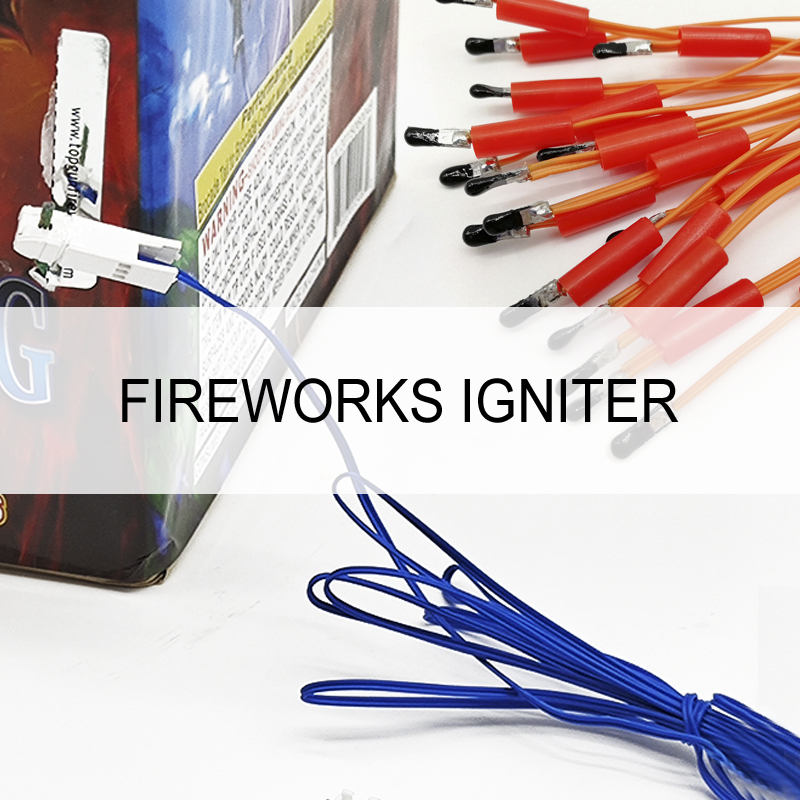
Credit: www.happinessfiringsystems.com
Materials Needed
Creating electronic matches for hobby rockets requires specific materials. Having the right supplies ensures your project works safely and effectively. Prepare all items before starting to avoid interruptions. Organize materials in a clean, dry workspace.
Essential Components
- Thin nichrome wire or bridge wire
- Insulated copper wire
- Small glass or ceramic tube
- Potassium perchlorate or other oxidizers
- Red phosphorus or an ignition mixture
- Non-conductive adhesive or glue
- Sandpaper or fine emery cloth
- Heat shrink tubing for insulation
- Battery or power source (usually 1.5V to 3V)
Safety Gear
- Protective gloves to avoid burns and chemicals
- Safety goggles to protect eyes from sparks
- Respirator mask to avoid inhaling powders
- Fire extinguisher nearby in case of accidents
- Non-flammable work surface like metal or ceramic
- Proper ventilation in the workspace

Credit: www.youtube.com
Basic Electronics Primer
Understanding the basics of electronics is crucial before you start making electronic matches for hobby rockets. These matches rely on simple electrical principles to ignite safely and reliably. Getting a grip on concepts like conductivity and circuit design will make your project smoother and more successful.
Conductivity And Resistance
Conductivity measures how easily electricity flows through a material. Metals like copper and aluminum have high conductivity, making them perfect for wiring your electronic matches.
Resistance, on the other hand, opposes the flow of current. Thin wires or certain materials increase resistance, which can actually help control the heat generated. This heat is what ignites the match.
Have you ever noticed how a thin filament in a light bulb heats up and glows? That’s resistance at work—turning electrical energy into heat. Choosing the right wire thickness and material is key to making an effective electronic match.
Simple Circuits For Matches
Your electronic match circuit doesn’t need to be complicated. At its core, it’s just a power source, a switch, and a heating element (the match wire).
- Power source: Usually a small battery providing enough current.
- Switch: Allows you to control when the circuit is active.
- Heating element: A thin wire or bridge that heats up to ignite the match.
When the switch closes, current flows through the heating element, causing it to heat up quickly and ignite the match composition. It’s like flipping a light switch, but instead of lighting a bulb, you’re starting your rocket’s engine.
Think about safety here: How can you design your circuit to avoid accidental ignition? Adding a reliable switch and using a low-voltage power supply can help you keep control over your launch process.
Step-by-step Assembly
Making electronic matches for your hobby rockets involves precise and careful assembly. Each part plays a crucial role in ensuring your rocket ignites safely and reliably. Let’s break down the process into manageable steps so you can build your matches with confidence.
Preparing The Wire
Start by selecting a thin, insulated copper wire, typically 32 to 36 gauge. Cut the wire into short lengths, around 4 to 6 inches, to keep the match compact and manageable.
Next, strip about a half-inch of insulation from both ends. This exposes the bare wire needed for the ignition compound and electrical connection. Avoid nicking the wire, as it can weaken it and cause failure during ignition.
Applying The Ignition Compound
Mix a small amount of an ignition compound, often a powdered pyrotechnic mixture like boric acid and potassium nitrate. Use a fine brush or toothpick to coat the exposed wire section evenly.
Be careful not to apply too much—excess compound can cause unpredictable burns or fail to ignite. Let the coated wire dry completely in a dust-free area. This ensures a consistent and reliable spark when current passes through.
Connecting The Circuit
Attach one end of the prepared wire to the positive terminal of your ignition source, such as a battery or igniter module. Secure the connection tightly to prevent any voltage drop during ignition.
The other wire end connects to the negative terminal, completing the circuit. Before you test the match, double-check all connections for firmness and proper insulation. Would you risk a loose connection with your rocket’s safety on the line?
Testing Electronic Matches
Testing electronic matches is a crucial step in hobby rocketry. It ensures that the ignition system works reliably and safely. Proper testing helps prevent failures during launch and protects your equipment and yourself.
Safety Precautions
Always wear safety glasses and gloves before testing electronic matches. Keep flammable materials away from the testing area. Work in a well-ventilated, open space to avoid inhaling smoke or fumes. Use insulated tools to handle the matches and wires. Keep a fire extinguisher nearby in case of emergency. Never test near crowds or indoors.
Conducting A Test Ignition
Connect the electronic match to a safe power source with the correct voltage. Place the match on a fireproof surface, like concrete or metal. Stand back at a safe distance before turning on the power. Activate the ignition and watch for a quick, clean burn. If the match fails or burns slowly, discard it and try a new one. Record results for each test to track performance. Repeat tests only after inspecting all components for damage.
Common Mistakes To Avoid
Making electronic matches for hobby rockets requires care and attention. Small errors can cause failure or safety risks. Avoiding common mistakes improves reliability and safety. Focus on the key areas below to get the best results.
Improper Connections
Connections must be secure and clean. Loose wires cause weak sparks or no ignition. Avoid twisting wires without soldering them. Use proper tools for stripping insulation carefully. Avoid exposing too much wire, which may short-circuit.
Check all connections twice before testing. Use a multimeter to confirm continuity. Keep wires separated to prevent accidental contact. Insulate exposed areas with heat shrink or tape. Good connections ensure a strong, consistent spark.
Incorrect Compound Use
Choosing the right ignition compound is critical. Avoid using homemade mixtures without proper knowledge. Some compounds may burn too fast or not ignite at all. Use recommended pyrotechnic powders specific for electronic matches.
Handle compounds carefully to avoid contamination or moisture. Store materials in a dry, cool place. Apply the compound in small, even amounts. Overloading the match can cause dangerous flare-ups or failure to ignite.
Storage And Handling Tips
Proper storage and handling of electronic matches are crucial for safety and reliability. These small devices contain sensitive materials that react to heat, friction, or static electricity. Storing and moving them carefully reduces the risk of accidental ignition and ensures they work when needed.
Safe Storage Practices
Store electronic matches in a cool, dry place away from direct sunlight. Moisture can damage the match’s components and cause malfunction. Use containers that do not conduct electricity to avoid accidental sparks. Keep matches in their original packaging or sealed plastic bags to prevent contamination.
Separate electronic matches from other flammable materials. Label storage containers clearly to avoid confusion. Limit access to authorized persons only. Check the condition of matches regularly and dispose of any damaged ones safely.
Transporting Matches
Transport electronic matches in padded, non-metallic containers. Secure them so they do not move or rub against each other. Avoid carrying large amounts in one container to minimize risk. Keep matches away from heat sources and static electricity during transport.
Use clear labels on transport containers to indicate contents and hazards. Follow local regulations for transporting hazardous materials. Never transport electronic matches with open flames or sparks nearby. Handle with care to prevent accidental activation.
Legal And Safety Considerations
Making electronic matches for hobby rockets requires careful attention to legal and safety matters. These devices involve sensitive materials and can pose risks if handled improperly. Understanding the rules and safety steps helps ensure a secure and responsible hobby experience.
Local Regulations
Different areas have unique laws about making and using electronic matches. Check local rules before starting any project. Some places require permits or restrict certain materials. Ignoring these laws can lead to fines or legal trouble.
Contact your local fire department or government office for clear guidance. Follow all legal requirements to avoid penalties. Being informed keeps you safe and compliant with the law.
Fire Safety Measures
Handling electronic matches involves fire risks. Use a fire extinguisher nearby at all times. Work in a well-ventilated, open area away from flammable materials.
Wear protective gear like gloves and goggles. Keep water or sand ready to put out small fires quickly. Never work alone; have someone nearby for help.
- Store matches in a cool, dry place
- Dispose of unused materials safely
- Avoid sparks near fuel or chemicals
- Test matches carefully to prevent accidental ignition

Credit: www.youtube.com
Frequently Asked Questions
What Materials Are Needed To Make Electronic Matches?
You need nichrome wire, a power source, insulating tape, and a small igniter compound. Nichrome wire heats up quickly when powered. Use insulating tape to secure connections safely.
How Do Electronic Matches Ignite Hobby Rockets?
They heat the igniter compound by electric current. The heated compound ignites the rocket’s propellant. This method ensures a controlled and reliable launch.
Is It Safe To Make Electronic Matches At Home?
Yes, if you follow safety guidelines strictly. Use protective gear and work in a ventilated area. Handle all components carefully to avoid accidental ignition.
Can Beginners Make Electronic Matches For Rockets?
Yes, beginners can make them with basic tools. Follow step-by-step instructions and safety tips closely. Start with simple designs before advancing to complex setups.
Conclusion
Creating electronic matches for hobby rockets can be simple and fun. With the right materials, anyone can learn this. Always prioritize safety during your projects. Follow each step carefully to ensure success. Share your creations with fellow enthusiasts for feedback.
Practice will improve your skills over time. Enjoy the exciting journey of rocket building. Encourage others to explore this fascinating hobby. Let your passion for rockets soar!
Leave a Reply