Are you using a fitness tracker or a smartwatch to monitor your health? You might wonder how safe your personal health information really is.
When it comes to wearable health technology, understanding how HIPAA applies to your data is crucial. This isn’t just about rules—it’s about protecting your privacy and knowing what rights you have. Keep reading to discover what HIPAA means for you and how it impacts the way your health information is handled every time you wear a device.
Hipaa Basics For Wearables
Understanding how HIPAA applies to wearable health technology is essential if you use devices that track your health data. These gadgets collect sensitive information that could impact your privacy and security. Knowing what HIPAA covers helps you make informed choices about your health tech and data sharing.
What Hipaa Covers
HIPAA protects your Protected Health Information (PHI), which includes any data that can identify you and relates to your health condition or treatment. However, HIPAA only applies when your health information is handled by covered entities like healthcare providers, health plans, or their business associates.
If you use a wearable device that shares data directly with your doctor or health insurer, that information is likely protected by HIPAA. But if your device’s app is just a fitness tracker with no connection to a healthcare provider, HIPAA rules might not apply. Have you checked how your device’s data is shared and with whom?
Types Of Wearable Health Devices
- Fitness trackers:Devices like Fitbit or Garmin that monitor steps, heart rate, and sleep.
- Medical-grade devices:Wearables such as continuous glucose monitors or heart rhythm trackers prescribed by a doctor.
- Smartwatches:Apple Watch or Samsung Galaxy Watch, which offer health features along with general apps.
Each type varies in how it collects and uses data. Medical-grade devices often fall under HIPAA because they interact with healthcare providers, while basic fitness trackers may not. Do you know which category your device belongs to?
Data Collected By Wearables
Wearable devices gather a wide range of data points, including:
- Physical activity levels
- Heart rate and rhythm
- Sleep patterns
- Blood glucose levels
- Location and movement
This data can reveal intimate details about your health and lifestyle. If this information is linked to your identity and shared with a healthcare provider, HIPAA rules kick in to protect it. Are you aware of what specific data your wearable collects and how securely it is stored?

Credit: www.medsafe.com
When Hipaa Applies
Understanding when HIPAA applies to wearable health technology is key. HIPAA protects health information but only in specific situations. Knowing these situations helps users and providers handle data correctly. The rules depend on who controls the data and how it is used.
Covered Entities And Business Associates
HIPAA applies mainly to covered entities and their business associates. Covered entities include healthcare providers, health plans, and healthcare clearinghouses. Business associates are companies that handle health data for covered entities.
If a wearable device is used by a covered entity or its business associate, HIPAA rules apply. These entities must protect the data collected from wearables. They must follow HIPAA’s privacy and security standards strictly.
Wearables In Healthcare Settings
Wearable devices used inside healthcare settings are often covered by HIPAA. Hospitals and clinics may provide wearables to patients for monitoring health. Data collected here is protected under HIPAA as it is part of medical records.
Healthcare providers must ensure secure data handling. They must prevent unauthorized access and share data only with allowed parties. This keeps patient information safe and private.
Consumer Vs. Clinical Use
Wearables used by consumers for fitness or wellness usually fall outside HIPAA. Data from these devices is not linked to medical records or healthcare providers. Companies selling consumer wearables are not covered entities.
However, if data from a consumer wearable is shared with a healthcare provider, HIPAA may apply. The provider must then protect this information as part of the patient’s health data. Clear privacy policies help users understand how their data is handled.
Data Privacy And Security
Data privacy and security sit at the heart of how HIPAA applies to wearable health technology. These devices collect a continuous stream of sensitive health information, making it crucial to safeguard this data from unauthorized access or breaches. Understanding the specific protections and security measures required helps you trust and use these technologies confidently.
Protecting Health Information
Your wearable device gathers personal health data like heart rate, activity levels, and sleep patterns. Under HIPAA, this information is considered Protected Health Information (PHI) when linked to your identity. Entities that handle this data must follow strict rules to keep it confidential and prevent misuse.
Think about a fitness tracker connected to your doctor’s office. The healthcare provider must ensure your data stays private just as they do with traditional medical records. This means no sharing or selling your health details without your explicit consent.
Encryption And Access Controls
One of the best ways to protect your wearable data is through encryption. This process scrambles your information so only authorized users can read it. If your device or the associated app uses strong encryption, it creates a secure barrier against hackers.
Access controls also matter. Only people who need to see your health data—like your healthcare provider—should have permission. Devices and apps often use passwords, biometric scans, or two-factor authentication to keep unauthorized users out.
Risk Assessment For Wearable Data
Regularly assessing the risks to your wearable’s data is essential. This means identifying potential vulnerabilities, such as weak passwords or outdated software, that could expose your information. Healthcare organizations and device makers should perform these checks frequently.
Ask yourself: How often do you update your wearable’s software? Do you review app permissions regularly? These small steps reduce risks and align with HIPAA’s requirement to proactively protect your health data.
Challenges For Wearable Tech
Wearable health technology offers incredible benefits, from tracking fitness to monitoring chronic conditions. Yet, these devices also bring unique challenges related to privacy and security. Understanding how HIPAA applies to wearables is crucial, especially when it comes to handling sensitive health information.
Third-party Data Sharing
Many wearable devices rely on third-party apps and services to function fully. These partners often receive your health data, raising questions about who controls and protects that information.
HIPAA covers health information handled by “covered entities” and their “business associates.” But what happens when your data goes beyond these groups? You might unknowingly share your information with companies that aren’t bound by HIPAA rules.
Ask yourself: do you know where your data travels after leaving your device? You should check privacy policies and understand which parties get access to your health details.
User Consent And Transparency
Consent is a cornerstone of HIPAA, but wearable tech complicates this. Devices often collect data continuously, sometimes without clear notifications or options to opt out.
Transparency about what data is collected and how it’s used can be vague or buried in lengthy terms of service. This leaves users unsure about what they’re agreeing to and how their health info is handled.
Think about the last time you clicked “accept” on a device’s terms. Did you fully understand what you were consenting to? Companies must make consent clear and straightforward to protect your rights.
Data Breach Risks
Wearable health devices store vast amounts of personal data, making them attractive targets for hackers. A breach can expose sensitive health information, leading to privacy violations and potential misuse.
Unlike traditional medical providers, many wearable companies may lack robust security measures required by HIPAA. This gap increases the risk of unauthorized access.
You should ask how your device encrypts data and what protections are in place. Taking control of your security settings and staying informed about breaches can help minimize risks.
Compliance Strategies
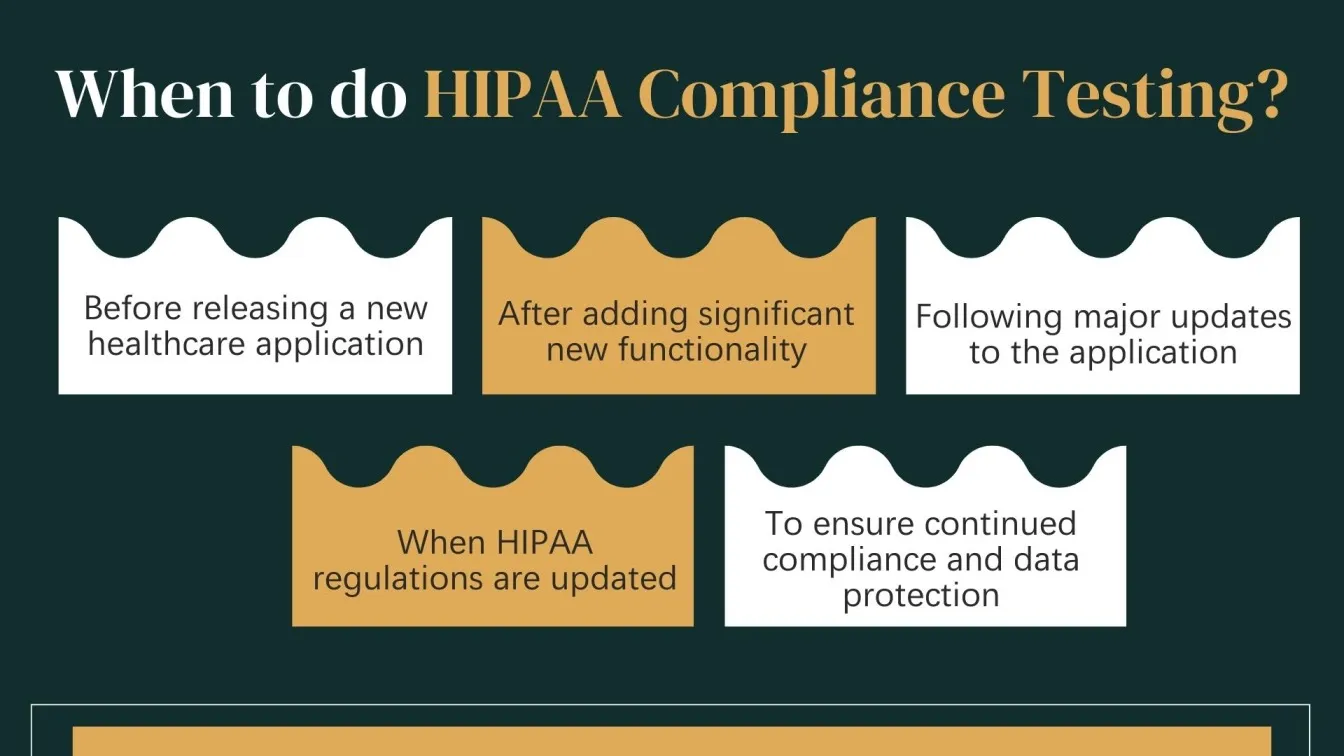
Compliance with HIPAA is essential for wearable health technology. It protects user data and builds trust. Companies must adopt clear strategies to meet these rules. These strategies ensure data privacy and security throughout the device lifecycle. Let’s explore key areas for compliance.
Policies For Developers And Providers
Developers and healthcare providers need strong policies for HIPAA compliance. These policies should define how data is collected, stored, and shared. Clear rules help prevent unauthorized access to sensitive health information. Policies must also cover data encryption and secure transmission. Regular updates keep policies aligned with new threats and regulations.
Training And Awareness
Training staff on HIPAA rules is crucial for compliance. Everyone involved should understand their role in protecting health data. Training must include recognizing risks and handling data properly. Awareness programs remind teams to follow security best practices daily. Ongoing education helps reduce accidental data breaches.
Monitoring And Auditing Practices
Continuous monitoring detects security issues early. Automated tools can track data access and usage. Regular audits assess compliance with HIPAA standards. Audits identify weak points in security or policy enforcement. Corrective actions from audits improve overall data protection. Monitoring and auditing build a strong defense against violations.
Credit: www.frugaltesting.com
Future Trends
The future of HIPAA and wearable health technology is moving fast. New trends show how rules, technology, and data safety will change. These changes will affect how health data from wearables is handled and protected. Understanding these trends helps users and providers stay safe and compliant.
Evolving Regulations
Regulations are adapting to cover more wearable devices. Lawmakers plan clearer rules for data collected by fitness trackers and smartwatches. This helps protect user privacy better and sets standards for companies. Expect more guidance on how to handle wearable health data securely.
Integration With Electronic Health Records
Wearable devices will link more closely with electronic health records (EHR). This means doctors can access real-time data during visits. Better data sharing improves diagnosis and treatment plans. Systems are being built to keep this information safe and private.
Advancements In Data Protection
Data security technology is getting stronger to protect wearable health data. New encryption methods and secure storage options are emerging. These tools reduce risks of data breaches and hacking. Users will have more control over who sees their health information.
Credit: www.withintent.com
Frequently Asked Questions
What Is Hipaa’s Role In Wearable Tech?
HIPAA ensures that personal health information collected by wearable devices is protected. It requires manufacturers to implement security measures. Compliance helps prevent unauthorized access to sensitive data. This ensures user privacy and trust in wearable health technology.
Are Wearables Covered Under Hipaa?
Yes, wearables are covered under HIPAA if they handle health information. Manufacturers must comply with HIPAA’s privacy and security rules. This includes protecting data from unauthorized access. Compliance ensures that users’ health information remains private and secure.
How Do Wearables Store Health Data Securely?
Wearables store health data securely by using encryption and authentication measures. Manufacturers implement robust security protocols. These measures prevent unauthorized data access. Users can trust that their health information is protected. This builds confidence in using wearable health technology.
Can Wearable Data Be Shared Under Hipaa?
Yes, wearable data can be shared under HIPAA if certain conditions are met. Sharing requires user consent or legal necessity. Compliance ensures data is shared responsibly and securely. This protects user privacy while allowing necessary data sharing.
Conclusion
Wearable health technology collects important personal data every day. HIPAA helps protect this information from being misused. Companies must follow rules to keep your health data safe. Knowing how HIPAA applies gives you more control over your privacy. Stay aware of your rights and device settings.
This way, you can enjoy benefits without risking your information. Safety matters as technology grows and changes fast. Keep asking questions and learning about your data protection. Your health and privacy deserve careful attention always.
Leave a Reply