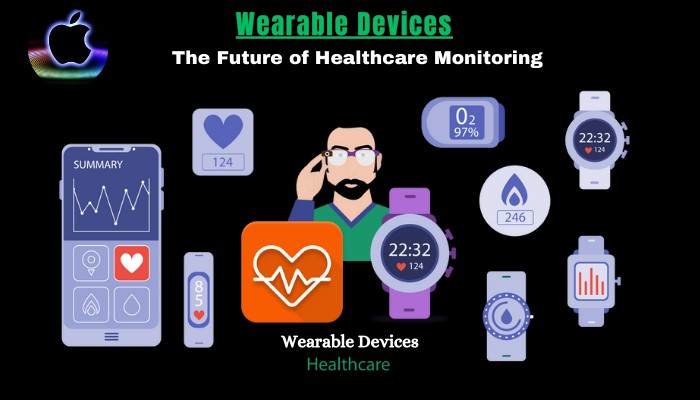
Have you ever wondered how a small device on your wrist can help you live a healthier life? Wearable technology is changing the way you track your health and fitness, making it easier than ever to stay on top of your well-being.
Imagine having a personal coach that watches over your heart rate, sleep quality, and daily activity—all in real time. This isn’t just a gadget; it’s a powerful tool that can motivate you, catch early signs of health issues, and help you make smarter choices every day.
Keep reading to discover how wearable technology can transform your health and why it might be the key to a better, stronger you.
Credit: www.otandp.com
Benefits Of Wearable Technology
Wearable technology offers many benefits for health improvement. It helps people track their body functions easily. Devices like smartwatches and fitness bands provide useful health data. This data supports better decisions about diet, exercise, and rest. These tools make health management simple and accessible for everyone.
Real-time Health Monitoring
Wearables track vital signs like heart rate and blood pressure continuously. This real-time data alerts users to sudden changes or issues. It helps catch health problems early before they become serious. Monitoring sleep patterns also improves rest quality. Users can share this data with doctors for better care.
Motivation And Accountability
Wearables encourage users to stay active and meet health goals. Step counts and activity reminders keep people moving throughout the day. Progress tracking motivates users to improve consistently. Sharing achievements with friends creates healthy competition. Accountability features help users maintain long-term habits.
Personalized Fitness Tracking
Wearable devices collect data tailored to each user’s body and habits. They analyze workouts to suggest ideal exercise plans. Personalized feedback improves fitness results and reduces injury risk. Tracking calories burned and intake supports weight management. Custom insights help users reach their unique health targets.
Key Features Of Health Wearables
Health wearables pack a variety of features designed to keep you informed about your body and well-being. These devices do more than just tell time—they provide real-time data that can help you make smarter health choices. Understanding the key features can help you decide which wearable fits your lifestyle and health goals best.
Heart Rate And Sleep Tracking
Monitoring your heart rate helps you understand how your body responds to different activities and stress levels. Many wearables offer continuous heart rate tracking, alerting you if something feels off. Sleep tracking is equally powerful—it breaks down your sleep into stages like deep, light, and REM, showing how well you’re really resting.
Have you noticed how a poor night’s sleep affects your mood or productivity? Tracking sleep patterns can highlight habits that might be disrupting your rest, giving you a clear path to better sleep hygiene.
Activity And Step Counting
Step counting is a simple yet effective way to keep you moving throughout the day. Beyond just counting steps, many devices track different types of activity, like running, cycling, or swimming, and calculate calories burned. This data helps you set realistic goals and stay motivated.
Think about how often you underestimate your daily movement. Wearables hold you accountable by providing actual numbers, which can push you to add those extra steps or try a new workout.
Stress And Mood Monitoring
Some wearables now include sensors that assess your stress levels by analyzing heart rate variability and skin response. This feature helps you catch signs of stress early, so you can take action before it impacts your health. Mood tracking often works alongside stress data, helping you identify emotional patterns linked to physical symptoms.
Imagine noticing a recurring stress spike every afternoon—would you change your routine if you had that insight? These features empower you to manage stress proactively instead of reacting after it builds up.
Wearables And Chronic Disease Management
Wearable technology is changing how people manage chronic diseases. These devices give you real-time data, helping you stay on top of your health every day. They not only track your condition but also alert you before problems get serious, making daily management easier and more effective.
Diabetes Monitoring
Wearables designed for diabetes help you monitor your blood sugar levels without constant finger pricks. Devices like continuous glucose monitors (CGMs) send data straight to your phone, so you can spot trends and adjust your diet or insulin dose quickly.
Imagine catching a high or low blood sugar episode before it becomes dangerous. This immediate feedback helps you avoid emergency situations and keeps your diabetes under better control.
Cardiovascular Health
Heart rate monitors and smartwatches track your heartbeat and rhythm throughout the day. They can detect irregularities such as arrhythmias early, which might otherwise go unnoticed until they cause serious issues.
By sharing this data with your doctor, you get tailored advice based on your heart’s actual performance. You stay informed about your cardiovascular health and can take action before small problems turn into emergencies.
Respiratory Condition Tracking
If you live with asthma or COPD, wearables can track your breathing patterns and oxygen levels continuously. Alerts warn you about changes that might indicate an impending attack or flare-up.
These devices empower you to respond quickly—whether it’s using medication or avoiding triggers—helping reduce hospital visits and improving your quality of life.
Credit: journalofcloudcomputing.springeropen.com
Impact On Mental Wellness
Wearable technology plays a key role in supporting mental wellness. These devices help users track and improve their emotional and psychological health easily. They offer tools that promote calmness, better sleep, and stress relief. Mental health becomes more manageable with real-time feedback and guidance.
Mindfulness And Meditation Tools
Wearables include apps that guide mindfulness and meditation exercises. Users receive reminders to pause and breathe deeply. These tools help focus the mind and reduce anxiety. Short sessions encourage regular practice and build healthy habits. Simple audio or vibration cues prompt relaxation anytime.
Sleep Improvement Techniques
Wearable devices monitor sleep patterns closely. They track deep and light sleep phases to suggest better routines. Users get tips on bedtime habits that improve rest quality. Some wearables gently wake users during light sleep for a refreshed feeling. Sleep data helps identify issues like insomnia or irregular schedules.
Stress Reduction Features
Many wearables detect physical signs of stress, such as heart rate changes. They alert users to take breaks or perform calming exercises. Features include guided breathing, progressive muscle relaxation, and biofeedback. Real-time stress tracking empowers users to manage tension quickly. These tools support a calmer mind throughout the day.
Integrating Wearables Into Daily Life
Wearable technology blends smoothly into daily routines. It tracks health without disrupting your day. Small changes can lead to big results. Success depends on how well you use this tech daily.
Setting Realistic Goals
Start with simple targets. Choose goals that match your current fitness level. Avoid aiming for too much too soon. Clear goals keep motivation steady. Break bigger goals into smaller steps. Celebrate small wins to stay encouraged.
Building Consistent Habits
Wearables remind you to move and stay active. Create daily routines around these reminders. Consistency helps form strong habits. Use alerts for hydration, sleep, and exercise. Make wearable use a natural part of your day. Habits grow stronger with repetition.
Using Data To Make Lifestyle Changes
Wearables collect valuable health data every day. Review your stats to spot patterns. Notice what helps or harms your health. Adjust diet, sleep, or activity based on data insights. Data guides smarter choices for better health. Keep tracking to measure progress over time.
Challenges And Limitations
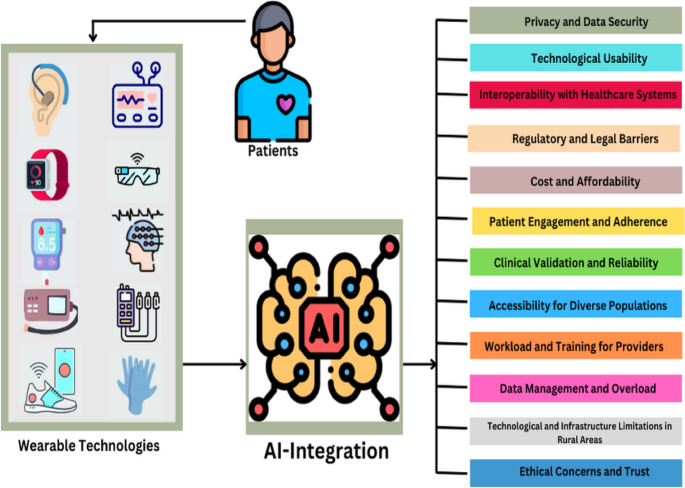
Wearable technology offers many health benefits. Yet, it also faces challenges and limits that affect its impact. These issues shape user experience and trust. Understanding them helps users make better choices.
Data Privacy Concerns
Wearable devices collect sensitive health data. This raises risks of data breaches and misuse. Users worry about who accesses their information. Companies must protect data with strong security measures. Transparency in data use builds user trust. Without it, people may avoid using wearables.
Accuracy And Reliability Issues
Wearables rely on sensors that may not always be precise. Factors like device placement and user movement affect readings. Inaccurate data can lead to wrong health decisions. Some devices perform well only under certain conditions. Continuous improvement in sensor technology is needed. Users should treat wearable data as a helpful guide, not a diagnosis.
User Engagement Over Time
Initial excitement for wearables often fades quickly. Many users stop wearing devices after a short period. Reasons include discomfort, lack of motivation, or unclear benefits. Long-term success depends on ease of use and visible results. Developers work to create more engaging features. Reminders and rewards can help keep users active.
Future Trends In Wearable Health Tech
The future of wearable health technology is shaping up to be more intelligent, connected, and personalized than ever before. As these devices evolve, they will do much more than track your steps or heart rate. They will actively help you manage your health in ways that feel natural and seamless.
Advanced Sensors And Ai
Wearables are getting smarter with new sensors that can detect a wider range of health signals, such as blood sugar levels, hydration, and even stress markers. Combined with AI, these devices can analyze complex data in real time to spot early signs of health issues. Imagine your watch alerting you to subtle changes before you even feel symptoms—this can help you take action sooner and avoid bigger problems.
Integration With Healthcare Systems
Your wearable device will soon connect directly with your healthcare providers, sharing data securely and automatically. This means doctors can monitor your condition remotely and adjust treatments faster based on real-time information. Have you ever wished your doctor knew how you were doing between visits? This integration can make that wish a reality, improving the quality of care and reducing unnecessary appointments.
Personalized Health Recommendations
Wearables will not only collect data but also provide personalized advice tailored to your unique health profile. Instead of generic tips, you’ll get specific recommendations on diet, exercise, and sleep that fit your lifestyle and goals. Think about how much easier it is to stick with changes when the guidance feels like it’s made just for you.

Credit: www.jacc.org
Frequently Asked Questions
What Is Wearable Technology In Healthcare?
Wearable technology in healthcare includes smart devices like fitness trackers and smartwatches. These gadgets monitor health metrics such as heart rate, steps, and sleep patterns. They provide real-time data, helping individuals manage their health proactively. These devices also facilitate remote patient monitoring, enhancing healthcare access and efficiency.
How Do Wearables Track Physical Activity?
Wearables use sensors like accelerometers and gyroscopes to track movements. They measure steps, distance, and even detect specific activities like running or cycling. This data helps users understand their physical activity levels. It encourages a more active lifestyle by providing insights and setting achievable fitness goals.
Can Wearables Monitor Heart Health Effectively?
Yes, wearables can monitor heart health by tracking heart rate and rhythm. Advanced devices even detect irregular heartbeats. This continuous monitoring helps in early detection of potential heart issues. Users receive alerts about abnormal readings, prompting timely medical consultations and reducing the risk of severe health problems.
How Do Wearables Aid In Sleep Improvement?
Wearables track sleep patterns by monitoring movement and heart rate during sleep. They provide insights into sleep quality and duration. This data helps users identify sleep issues and make lifestyle changes. Improved sleep leads to better overall health and well-being, enhancing daily performance and mood.
Conclusion
Wearable technology helps people track their health every day. It gives real-time data on heart rate, steps, and sleep. Users can notice changes early and make better choices. Small habits improve with constant feedback from these devices. They also motivate users to stay active and healthy.
Wearables make health monitoring easy and personal. This technology supports a balanced lifestyle with simple tools. More people can take control of their wellness now. The future of health looks brighter with wearable tech.
Leave a Reply