Your refrigerator works hard every day to keep your food fresh and safe. But have you ever stopped to think about how well your refrigerator system is maintained?
Neglecting its care can lead to unexpected breakdowns, higher energy bills, and spoiled groceries. Imagine opening your fridge to find everything warm and spoiled—frustrating, right? You’ll discover why keeping your refrigerator in top shape is not just important but essential for your daily life and wallet.
Keep reading to learn simple steps you can take to protect your investment and avoid costly repairs.
Benefits Of Regular Maintenance
Regular maintenance of your refrigerator system offers more than just peace of mind. It actively improves the performance, extends the lifespan, and saves you money in the long run. Understanding the benefits can motivate you to keep up with simple maintenance tasks.
Improved Energy Efficiency
A well-maintained refrigerator uses less electricity. Dirt and dust can clog the coils, making the compressor work harder and consume more energy.
Cleaning the coils and checking the door seals regularly can reduce your energy bill noticeably. Imagine cutting costs just by wiping away some dust—it’s that straightforward.
Extended Appliance Lifespan
Regular check-ups prevent small issues from turning into costly repairs. Lubricating moving parts and replacing worn seals help your fridge run smoothly for years.
Have you ever delayed maintenance and faced a sudden breakdown? Avoid that frustration by addressing minor problems early.
Better Food Preservation
Your fridge’s job is to keep food fresh and safe. Faulty components or poor temperature control can spoil your groceries faster.
Consistent maintenance ensures steady cooling and humidity levels, meaning fewer wasted meals and more savings.
Cost Savings On Repairs
Ignoring maintenance often leads to expensive fixes or even replacement. Catching issues early usually means a quick, low-cost repair.
Think about how much a new refrigerator costs compared to spending a few dollars on tune-ups. Which one makes more sense to you?
Reduced Risk Of Health Hazards
A malfunctioning refrigerator can lead to bacterial growth and foodborne illnesses. Regular cleaning and inspection help prevent this risk.
By keeping your fridge in top shape, you’re protecting your family’s health as well as your investment.
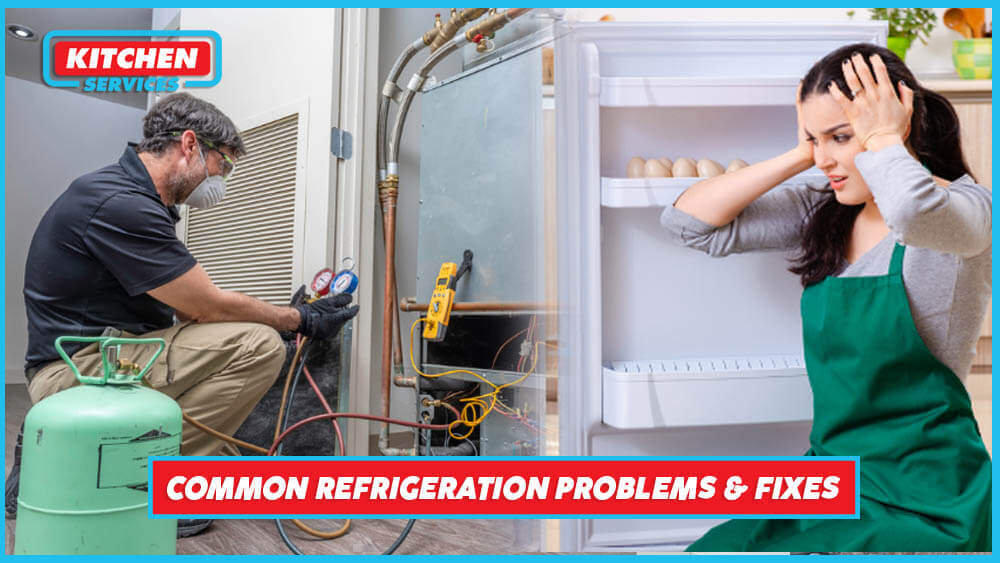
Credit: kitchen.services
Common Refrigerator Issues
Refrigerators are essential for preserving food and keeping it fresh. Yet, they can face several common issues that affect their performance. Knowing these problems helps in early detection and timely maintenance.
Regular checks can prevent minor faults from turning into costly repairs. Understanding common issues also helps in deciding when to call a technician.
Cooling Problems
One frequent issue is poor cooling. The fridge may not keep food cold enough or the freezer may fail to freeze properly. This can happen due to dirty coils, a faulty thermostat, or problems with the compressor. Poor cooling leads to food spoilage and waste.
Unusual Noises
Strange sounds from the refrigerator are signs of trouble. Buzzing, clicking, or rattling noises indicate problems with the motor, fan, or compressor. These noises often mean parts are worn out or blocked. Ignoring these sounds can cause bigger damage.
Water Leaks
Water pooling inside or outside the fridge is another common issue. Leaks can come from clogged drain tubes or broken door seals. Water leaks can damage floors and create mold. Fixing leaks quickly avoids further problems.
Ice Buildup
Ice buildup in the freezer is a sign of a defrost system failure. Excess ice blocks airflow and reduces cooling. This can cause uneven temperatures and increase energy use. Regular defrosting and maintenance keep ice under control.
Cleaning And Inspection Tips
Keeping your refrigerator clean and well-inspected is key to ensuring it runs smoothly and lasts longer. Neglecting these simple tasks can lead to higher energy bills and unexpected breakdowns. Let’s dive into some practical cleaning and inspection tips that you can easily do yourself to keep your fridge in top shape.
Interior Cleaning
Start by emptying your fridge and tossing out expired or spoiled food. Use a mixture of warm water and mild dish soap to wipe down shelves, drawers, and walls. Avoid harsh chemicals that can leave harmful residues or damage surfaces.
Don’t forget to clean the door compartments and the rubber gasket inside the fridge, as crumbs and spills often hide there. Dry everything thoroughly before putting food back in to prevent mold and odors. Have you noticed a strange smell lingering inside your fridge? A quick interior clean often solves that problem.
Coil Cleaning
The coils on the back or underneath your refrigerator help it cool efficiently, but they often collect dust and pet hair. Dirty coils force your fridge to work harder, increasing energy use and wear. Use a vacuum with a brush attachment or a coil cleaning brush to gently remove debris every few months.
Be sure to unplug your fridge before cleaning the coils to avoid any accidents. If you’ve never checked your coils, you might be surprised by how much grime has built up. Regular coil cleaning can reduce your electricity bill and prevent costly repairs.
Door Seal Inspection
The door seal keeps cold air inside and warm air out. Over time, seals can crack, warp, or get dirty, causing cold air to escape. Run your hand along the seal to check for gaps or use a dollar bill test—close the bill in the door and try to pull it out; if it slides out easily, the seal might need replacing.
Clean the seals with a mixture of baking soda and water to remove dirt and prevent mold. A tight seal means your fridge won’t have to work as hard, saving energy and keeping your food fresher. When was the last time you inspected your fridge’s door seals?
Temperature Settings And Controls
Temperature settings and controls play a crucial role in keeping your refrigerator running efficiently. If the temperature is off, food can spoil faster or the fridge may work too hard, wasting energy. Understanding how to set and adjust these controls helps you maintain freshness and save money on your electricity bill.
Optimal Temperature Range
Your refrigerator should ideally be set between 37°F and 40°F (3°C to 4°C). This range keeps most foods fresh without freezing them. The freezer, on the other hand, should be at 0°F (-18°C)to preserve frozen items safely.
Setting temperatures outside these ranges can cause problems. If the fridge is too warm, bacteria grow quickly, leading to food spoilage. Too cold, and some items like fruits and vegetables can get damaged by frost.
Adjusting Controls
Many refrigerators have simple dials or digital panels to adjust temperature. You might find numbers from 1 to 7 or low to high settings. The key is to start in the middle and adjust based on how cold the fridge feels or how quickly food spoils.
Have you noticed your milk turning sour faster than usual? That’s a sign your fridge might be too warm. Conversely, if your lettuce looks frozen, the temperature is probably too low. Regularly check and tweak your controls to suit your household needs.
Remember, frequent opening of the fridge door or overloading can affect internal temperature. So, don’t rely solely on the control settings—keep an eye on how your food is storing and adjust accordingly.
Preventing Odors And Mold
Preventing odors and mold in your refrigerator keeps food fresh and safe. Mold grows fast in damp, dark places. Odors come from spoiled food and bacteria. Regular maintenance stops these problems before they start. Cleanliness and proper storage play key roles in avoiding smells and mold.
Using Baking Soda
Baking soda absorbs bad smells inside the fridge. Keep an open box on a shelf for fresh air. Replace the box every three months for best results. It’s a cheap and natural way to fight odors. Baking soda also helps reduce moisture, which slows mold growth.
Proper Food Storage
Store food in sealed containers or plastic wrap. This prevents spills and stops smells from spreading. Check expiration dates and throw away spoiled items quickly. Keep raw meat separate from other foods to avoid contamination. Organize shelves to improve airflow and keep the fridge dry.

Credit: www.searshomeservices.com
Energy Efficiency Practices
Maintaining energy efficiency in your refrigerator saves money and extends its lifespan. Small habits have a big impact on power use. Keeping your fridge running well reduces electricity bills and helps the environment.
Energy-efficient refrigerators work best when their systems are properly maintained. Simple checks and routines keep the appliance cool without wasting energy. Follow these key practices to improve your fridge’s energy performance.
Checking The Door Seal
The door seal stops cold air from escaping. A damaged seal lets warm air in, making the fridge work harder. Check for cracks, tears, or dirt on the seal. Clean it gently with warm water and soap. Replace the seal if it is broken or loose. A tight door seal keeps cold air inside and energy use low.
Organizing Contents
Keeping items organized helps air flow inside the fridge. Avoid blocking vents with food or containers. This ensures even cooling and reduces energy waste. Store leftovers and fresh foods in clear containers. Group similar items to find them quickly. A well-organized fridge needs less effort to keep cool.
Defrosting Regularly
Ice buildup reduces fridge efficiency. Thick frost makes the compressor work harder. Defrost the freezer when ice is about 1/4 inch thick. Use a cloth or scraper to remove ice safely. Avoid sharp objects that can damage the fridge. Regular defrosting keeps the fridge cold and saves energy.
When To Call A Professional
Knowing when to call a professional for your refrigerator system maintenance can save you time, money, and a lot of stress. Some issues are easy to fix yourself, but others need expert attention to avoid bigger problems down the line. Recognizing these moments is key to keeping your fridge running efficiently and extending its lifespan.
Signs Of Major Issues
Is your refrigerator making loud or unusual noises? Are you noticing water pooling inside or outside the unit? These could be early signs of serious problems.
Other red flags include:
- The fridge isn’t cooling properly, even after adjusting the thermostat.
- Frost buildup is excessive or appears in odd places.
- There’s a persistent bad odor despite cleaning.
- The compressor or fan isn’t running smoothly or stops frequently.
Ignoring these signs can lead to complete system failure. If you spot any of them, it’s time to call in a pro.
Choosing A Reliable Technician
Finding the right technician can feel overwhelming, but it’s worth investing the time. Look for someone with proven experience in refrigerator repairs, not just general appliance fixes.
Check for:
- Positive customer reviews and testimonials.
- Proper certifications or licensing.
- Clear communication about costs and services.
- Availability for emergency or timely visits.
When you speak with a technician, ask specific questions about your fridge model. This helps you judge their knowledge and confidence. Remember, a quick fix might save you money now, but a reliable repair can prevent headaches later.

Credit: americanbiotechsupply.com
Frequently Asked Questions
Why Is Refrigerator System Maintenance Crucial?
Regular maintenance ensures your refrigerator runs efficiently, saving energy and extending its lifespan. It prevents costly repairs by catching issues early, keeping food fresh and safe. Proper upkeep also reduces breakdown risks, maintaining consistent cooling performance.
How Often Should I Service My Refrigerator System?
It’s recommended to service your refrigerator every 6 to 12 months. Regular checks help identify wear and tear early. This frequency keeps the system running smoothly and prevents unexpected failures.
What Are Common Signs Of Refrigerator System Problems?
Common signs include unusual noises, inconsistent cooling, water leakage, and ice buildup. These symptoms indicate potential issues needing prompt maintenance to avoid bigger damage.
Can Maintenance Improve Refrigerator Energy Efficiency?
Yes, routine maintenance like cleaning coils and checking seals improves energy efficiency. A well-maintained fridge uses less power, lowering electricity bills and environmental impact.
Conclusion
Regular maintenance keeps your refrigerator running smoothly. It saves energy and lowers electricity bills. Cleaning coils and checking seals prevent costly repairs. A well-maintained fridge keeps food fresh and safe. Small efforts now avoid big problems later. Don’t wait for breakdowns—act early.
Your fridge works harder without care. Simple steps extend its life and performance. Stay on top of maintenance for peace of mind. Healthy appliances mean a healthier home.
Leave a Reply