Have you ever wondered how the devices you use every day seem to know so much about your habits and preferences? Electronic consumer surveillance is the secret behind this.
It’s not just about collecting data—it’s about understanding you in ways that shape your shopping, browsing, and even your choices. You’ll discover how this powerful tool works, why it matters to you, and what it means for your privacy. Keep reading to uncover the surprising ways your actions are tracked and how that affects your world.
Rise Of Electronic Consumer Surveillance
The rise of electronic consumer surveillance marks a significant shift in how companies gather data. Technology now tracks consumer behavior on many levels. Businesses use this data to understand preferences and predict future choices. This growth is linked to the expansion of digital devices and online platforms. Surveillance tools collect vast amounts of information quickly and efficiently. Privacy concerns grow as surveillance becomes more detailed and widespread.
Tracking Through Mobile Devices
Mobile devices are a major source of consumer data. Apps track location, usage, and interactions. This information helps companies tailor advertisements and offers. Sensors in phones collect data even without direct input. Mobile tracking creates detailed profiles about consumer habits.
Use Of Smart Home Devices
Smart home devices collect data on daily routines. Voice assistants record commands and preferences. Thermostats and lights learn user habits to optimize energy. This data is useful for improving products and services. It also raises questions about constant monitoring at home.
Online Browsing And Cookies
Cookies track browsing history and website visits. They store information about user behavior online. Companies analyze this data to target ads more effectively. Browsing patterns reveal interests and purchase intentions. Cookies have become a standard tool in consumer surveillance.
Facial Recognition And In-store Surveillance
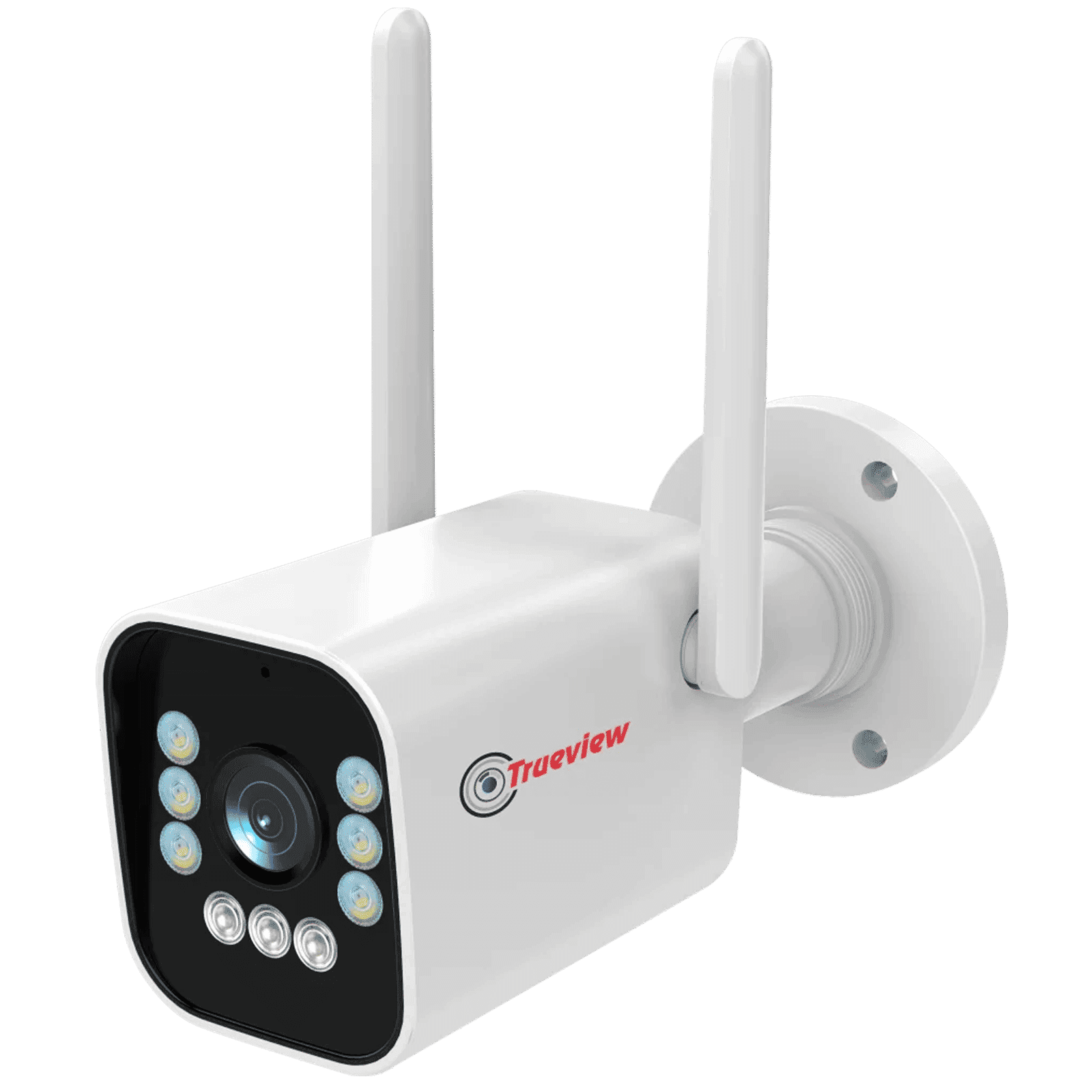
Stores use cameras with facial recognition technology. This helps identify repeat customers and monitor shopping habits. Surveillance cameras track movement and time spent in aisles. Data collected improves store layouts and marketing strategies. Privacy issues arise from the use of biometric data.
Types Of Surveillance Technologies
Electronic consumer surveillance uses many types of technologies. These tools collect data to understand behavior and preferences. Each technology works in a unique way. They track online activities, monitor smart devices, or identify faces.
These technologies help companies target ads and improve services. They also raise concerns about privacy and data security. Understanding these types explains how surveillance affects daily life.
Internet Tracking Tools
Internet tracking tools follow users’ online actions. Cookies and web beacons are common examples. They record websites visited, clicks, and time spent. This data builds detailed user profiles.
Advertisers use these profiles to show relevant ads. Tracking tools also help analyze website traffic. They improve user experience by personalizing content.
Smart Device Monitoring
Smart device monitoring collects data from phones, TVs, and home assistants. These devices listen, watch, or record user interactions. Sensors track location, voice commands, and app usage.
Data from smart devices helps companies understand user habits. It also enables remote control and automation features. Privacy risks increase as more data is collected continuously.
Facial Recognition Systems
Facial recognition systems scan and identify faces using cameras. They compare images to stored databases for identification. This technology appears in stores, airports, and smartphones.
Retailers use facial recognition to detect loyal customers or shoplifters. It also speeds up security checks. Concerns about misuse and errors remain high with this technology.
Data Collection Methods
Electronic consumer surveillance depends on various data collection methods. These methods gather information about user behavior, preferences, and habits. Companies use this data to improve services or target advertisements. Understanding these methods helps users stay aware of their digital footprint.
Cookies And Web Beacons
Cookies are small text files stored on a device by websites. They save user preferences and track browsing activity. Web beacons are tiny images embedded in web pages or emails. They monitor if and when content is viewed. Together, they help companies analyze user actions across sites.
Mobile App Permissions
Mobile apps request permissions to access device features. These include location, contacts, camera, and microphone. Permissions allow apps to collect personal data continuously. Users often grant access without fully understanding the scope. This data fuels targeted marketing and behavior analysis.
Social Media Monitoring
Social media platforms track posts, likes, shares, and comments. They analyze interactions to build user profiles. Third-party tools also scan public profiles for trends and opinions. This monitoring reveals interests and social connections. Brands use this information to tailor content and ads.

Credit: www.jacc.org
Purpose Of Surveillance
Electronic consumer surveillance serves multiple purposes. It helps companies and organizations understand and engage with consumers better. Surveillance collects data that guides marketing, security, and product development. The goal is to create more personalized experiences and protect both businesses and consumers.
Targeted Advertising
Surveillance tracks what consumers like and buy. Advertisers use this data to show ads that fit individual tastes. This makes ads more relevant and increases the chance of a sale. Targeted advertising saves time for consumers by showing what matters most to them.
Consumer Behavior Analysis
Data collected reveals patterns in buying habits and preferences. Companies analyze this information to improve products and services. Understanding behavior helps businesses predict future trends. It also allows for better customer support and satisfaction.
Security And Fraud Prevention
Surveillance detects unusual activities that may signal fraud or theft. It helps protect consumer information and financial transactions. Businesses use this data to build safer shopping environments. Security measures reduce risks for both consumers and companies.
Impact On Consumer Privacy
Electronic consumer surveillance has a deep impact on your privacy, often in ways you might not immediately notice. Every time you shop online, use a loyalty card, or even just browse social media, data about you is being collected and analyzed. Understanding how this affects your privacy helps you make better choices about what information you share and how you protect yourself.
Data Breaches And Security Risks
When companies collect your data, they become targets for hackers. A single data breach can expose your personal information, such as your name, address, and even payment details. You might think your data is safe, but breaches happen frequently, putting your identity at risk.
Have you ever wondered what happens to your data after a breach? It can be sold on the dark web or used for identity theft. Protecting yourself means being cautious about where you share your information and using strong, unique passwords.
Loss Of Anonymity
Surveillance tools track your actions across websites and apps, creating detailed profiles about your habits and preferences. This means your browsing is no longer private—companies know what you like, where you go, and who you interact with.
Imagine you’re shopping for a surprise gift, but targeted ads spoil the surprise by showing products related to your search. This loss of anonymity can feel intrusive and sometimes uncomfortable.
Think about how much control you really have over your personal information when your every move online is monitored.
Ethical Considerations
Is it right for companies to collect so much data without clear consent? Many consumers don’t fully understand how their data is used or who has access to it. This raises ethical questions about transparency and respect for privacy.
Consider the balance between personalized services and your right to privacy. Should convenience come at the cost of your personal data being exploited? You deserve clear answers and choices about how your information is handled.
What would change if companies were required to be more upfront about their surveillance practices? Your awareness and demand for ethical data use can push businesses to act more responsibly.
Legal And Regulatory Framework
Understanding the legal and regulatory framework around electronic consumer surveillance is crucial for anyone concerned about privacy and data security. These laws and rules shape how companies collect, use, and protect your personal information. Knowing your rights and the boundaries set for surveillance can empower you to make safer choices online.
Data Protection Laws
Data protection laws are designed to give you control over your personal information. They require companies to be transparent about what data they collect and how they use it.
For example, the European Union’s General Data Protection Regulation (GDPR) mandates clear consent from users before tracking their activities. It also allows you to request deletion of your data, a right you might not be aware you have.
Have you ever wondered if the apps on your phone follow these laws? Checking their privacy policies can reveal how seriously they take your data protection.
Regulatory Challenges
Regulating electronic consumer surveillance is not straightforward. Technology evolves faster than laws, creating gaps in oversight.
Companies often use complex algorithms and data-sharing networks that regulators struggle to monitor effectively. This raises questions about whether current rules are enough to protect your privacy.
Do you feel confident that regulators can keep up with these advancements, or do you think new approaches are needed?
International Variations
Privacy laws vary significantly across countries, affecting how surveillance is conducted worldwide. What’s legal in one place might be restricted or banned in another.
For instance, the United States has sector-specific laws, while the EU applies broad regulations like GDPR. This patchwork can confuse consumers about their rights depending on where they live or shop online.
When you use global platforms, do you consider how your data might be treated differently based on your location? Understanding these variations helps you protect your privacy better.
Consumer Awareness And Rights
Consumer awareness and rights play a key role in electronic consumer surveillance. People must know how their data is collected and used. Understanding privacy rights helps protect personal information from misuse. Awareness empowers consumers to make informed choices about their digital footprint.
Knowing your rights encourages safer online habits. It also promotes transparency from companies that collect data. Consumers can demand better privacy protections and fair treatment. This section explains how privacy policies, opting-out options, and support groups assist consumers.
Privacy Policies And Terms
Companies provide privacy policies to explain data use. These documents detail what information is collected and why. Consumers should read these policies carefully. Policies reveal how long data is stored and who accesses it. Clear terms help consumers understand their privacy limits. They also show if data is shared with third parties. Transparency in policies builds trust between consumers and companies.
Opting-out Options
Many services offer ways to opt-out of data tracking. These options reduce the amount of personal data collected. Opting out can stop targeted ads and data sharing. Consumers should look for opt-out links or settings. Some websites provide cookie controls to manage tracking. Opting out respects user privacy and limits unwanted surveillance.
Advocacy And Support Groups
Advocacy groups work to protect consumer rights online. They raise awareness about privacy issues and data misuse. These groups offer resources to help consumers understand their rights. Support organizations provide advice on handling data breaches. Joining or following these groups keeps consumers informed. They push for stronger laws and better corporate practices.
Credit: link.springer.com
Future Of Consumer Surveillance
The future of consumer surveillance is shaping up to be both exciting and challenging. As technology evolves, the ways companies monitor and analyze consumer behavior will become more sophisticated. This raises important questions about how you, as a consumer, can protect your privacy while still benefiting from new innovations.
Technological Advancements
Surveillance tools are becoming smarter and more precise. Artificial intelligence and machine learning help companies predict your preferences with greater accuracy. Imagine a system that notices your shopping habits and offers personalized deals before you even realize you need them.
Wearable devices, smart home gadgets, and even biometric sensors are adding new layers of data collection. This means your daily activities, health metrics, and even emotions could be tracked. The challenge? Staying aware of what data you’re sharing and how it’s used.
Potential For Increased Regulation
Governments worldwide are starting to pay closer attention to consumer surveillance. Stricter laws could soon limit how much data companies can collect and how they must protect it. This might give you more control over your personal information.
Regulations like GDPR have already set strong examples, but many regions still lack comprehensive rules. Are you familiar with your rights in your country? Understanding this can help you demand better transparency and accountability from businesses.
Balancing Innovation And Privacy
Companies want to innovate without losing your trust. Striking the right balance means creating technologies that respect your privacy but still offer value. Think about apps that let you customize your data-sharing preferences easily.
As a user, you can push for tools that are both useful and respectful of your boundaries. What privacy features matter most to you? Sharing your expectations can guide companies toward better solutions.
Credit: www.tataneu.com
Frequently Asked Questions
What Is Electronic Consumer Surveillance?
Electronic consumer surveillance involves tracking customer behaviors using digital tools. It collects data from devices like smartphones and computers to analyze consumer habits and preferences, helping businesses improve marketing and product offerings.
How Do Companies Use Electronic Consumer Surveillance?
Companies use electronic consumer surveillance to gather data on shopping habits, online activities, and preferences. This data helps personalize ads, optimize user experience, and predict future buying trends for better customer targeting.
Is Electronic Consumer Surveillance Legal?
Yes, electronic consumer surveillance is legal if it follows privacy laws and obtains user consent. Regulations like GDPR and CCPA set guidelines to protect consumer data and ensure transparency in surveillance practices.
What Devices Enable Electronic Consumer Surveillance?
Devices like smartphones, smart TVs, wearable tech, and computers enable electronic consumer surveillance. These devices collect data through apps, browsing history, and sensors, providing insights into consumer behavior.
Conclusion
Electronic consumer surveillance affects daily life in many ways. It helps businesses understand what people like and want. This data can improve products and services. Yet, it raises important questions about privacy and trust. People should know how their information is used.
Clear rules and smart choices can protect personal data. Staying aware helps everyone stay safe online. Consumer surveillance is a tool, but it needs careful use. Understanding its role helps us make better decisions.
Leave a Reply