Imagine having a small device on your wrist or a patch on your skin that keeps track of your health every second of the day. Sounds like something from a sci-fi movie, right?
But this is exactly what wearable technology is doing in healthcare right now. If you want to understand how these smart gadgets can help you monitor your heart rate, manage chronic conditions, or even alert you to potential health issues before they become serious, keep reading.
This article will show you how wearable technology is changing the way you take care of your health—making it easier, smarter, and more personal than ever before.
Wearable Devices In Healthcare
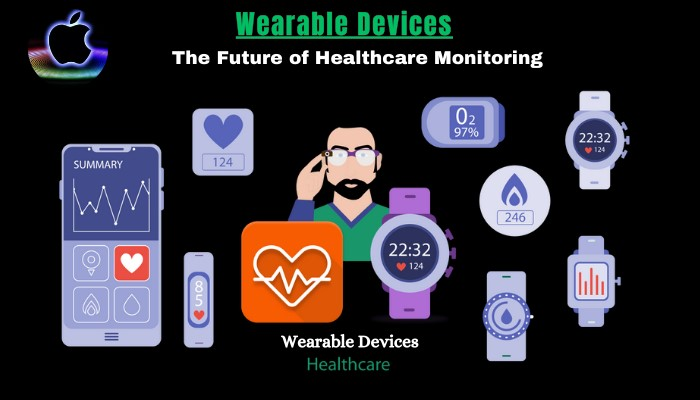
Wearable devices in healthcare help monitor health and improve patient care. These small gadgets collect real-time data about the body. Doctors and patients use this data to track health conditions and make better decisions. Wearables support early detection of problems and help manage chronic diseases. They provide a simple and continuous way to stay informed about health.
Types Of Wearable Technology
- Smartwatches: Track heart rate, steps, and sleep patterns.
- Fitness Bands: Monitor physical activity and calorie burn.
- Wearable ECG Monitors: Record heart rhythms for heart health.
- Glucose Monitors: Measure blood sugar levels for diabetes care.
- Pulse Oximeters: Check oxygen levels in the blood.
- Wearable Blood Pressure Monitors: Track blood pressure regularly.
- Smart Clothing: Embedded sensors to monitor muscle activity and posture.
Key Features And Sensors
- Heart Rate Sensors: Measure pulse for cardiovascular health.
- Accelerometers: Detect movement and activity levels.
- Gyroscopes: Track balance and orientation.
- Optical Sensors: Measure blood oxygen and heart rate using light.
- Electrodes: Capture electrical signals from the heart or muscles.
- Temperature Sensors: Monitor body temperature changes.
- GPS: Track location and distance during physical activity.
Credit: www.bgosoftware.com
Monitoring Vital Signs
Monitoring vital signs is a key use of wearable technology in healthcare. These devices collect important health data in real time. This helps patients and doctors track health conditions easily. Wearables provide continuous updates without needing hospital visits. They are small, easy to use, and offer valuable insights.
Heart Rate And Blood Pressure Tracking
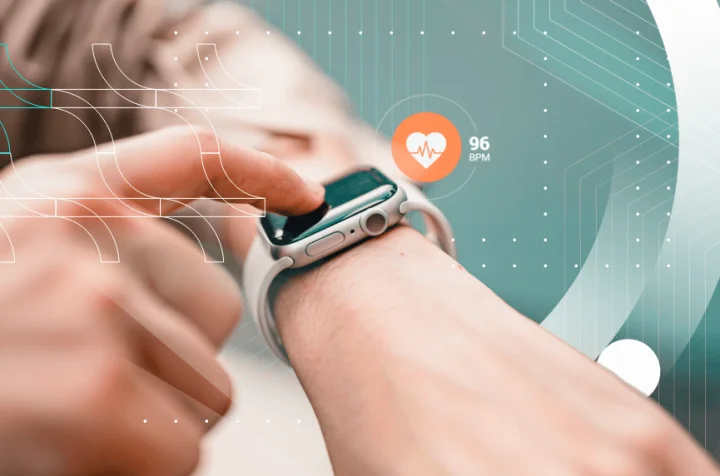
Wearable devices measure heart rate continuously throughout the day. This helps detect irregular heartbeats or stress levels early. Many wearables also track blood pressure trends. Users can see how their blood pressure changes with activity or rest. Doctors use this data to adjust treatments quickly. It reduces the need for manual checks and clinic visits.
Respiratory And Oxygen Levels
Monitoring breathing patterns is possible with modern wearable sensors. These devices measure respiratory rate to detect breathing difficulties. Oxygen level sensors check how well oxygen travels in the blood. This is crucial for people with lung diseases or COVID-19. Wearables alert users and doctors to low oxygen levels fast. Early warnings help prevent serious health problems.
Chronic Disease Management
Managing chronic diseases often feels like a full-time job, requiring constant monitoring and adjustments. Wearable technology offers tools that make this process simpler and more accurate. These devices provide real-time data, helping you stay on top of your health without frequent trips to the doctor.
Diabetes Monitoring
Wearable devices like continuous glucose monitors (CGMs) track blood sugar levels throughout the day. They alert you when your glucose levels are too high or too low, allowing quick action to avoid complications.
Imagine no longer needing to prick your finger multiple times a day. CGMs provide painless, continuous data that syncs with your smartphone. This immediate feedback helps you understand how food, exercise, and stress affect your glucose.
Are you ready to take control of your diabetes with technology that fits right on your wrist or arm? These wearables not only improve management but also reduce anxiety by keeping you informed.
Cardiac Health Support
Wearables like smartwatches monitor heart rate, rhythm, and other vital signs. They can detect irregularities such as arrhythmias early, prompting timely medical consultation.
Some devices even track your activity levels and encourage healthier habits by setting personalized goals. This constant monitoring helps you and your doctor spot warning signs before they become serious problems.
How often do you think about your heart health throughout the day? With these tools, your heart’s wellbeing becomes part of your daily routine, not just something you check during doctor visits.
Enhancing Patient Engagement
Wearable technology plays a key role in boosting how patients take part in their own health care. These devices help patients stay active in managing their health by providing useful information and easy ways to track progress. This active involvement often leads to better health results and more informed decisions.
Real-time Feedback And Alerts
Wearables give instant feedback about health conditions. Patients receive alerts about irregular heart rates, activity goals, or medication reminders. This immediate information helps users act quickly and avoid serious problems. It also encourages healthy habits by showing progress throughout the day.
Personalized Health Insights
These devices collect data to create health reports tailored to each patient. Wearables analyze sleep patterns, activity levels, and vital signs. Patients get clear advice based on their unique health needs. Personalized insights motivate users to make small changes that improve overall wellness.
Remote Patient Monitoring
Remote Patient Monitoring (RPM) is changing the way healthcare is delivered. It allows doctors to track your health data continuously without the need for in-person visits. This technology makes healthcare more accessible and responsive, especially for those with chronic conditions or mobility challenges.
Telehealth Integration
Wearable devices collect real-time health data like heart rate, blood pressure, and glucose levels. This information is sent directly to healthcare providers through telehealth platforms.
You can have virtual consultations where your doctor reviews your data live and adjusts your treatment plan immediately. This seamless connection reduces delays in care and helps catch potential issues early.
Think about how easy it is to share your health stats during a call instead of trying to remember symptoms or write them down. It makes your appointments more productive and tailored to your needs.
Reducing Hospital Visits
With RPM, many routine checkups and monitoring sessions happen remotely, so you don’t have to travel to a hospital or clinic. This saves time and reduces exposure to infections.
Wearables alert both you and your doctor if something unusual happens, like an irregular heartbeat or a sudden drop in oxygen levels. This early warning system can prevent emergencies that often lead to hospital stays.
Imagine how much peace of mind you gain knowing your health is being watched over constantly, even when you’re at home. How would fewer hospital visits change your daily life and stress levels?

Credit: medium.com
Data Security And Privacy
Wearable technology in healthcare collects a large amount of personal health information. Protecting this data is crucial to maintain trust and safety. Data security and privacy measures keep sensitive details safe from theft or misuse. Patients and providers must feel confident that health data stays confidential and secure.
Protecting Sensitive Health Data
Wearable devices use encryption to secure data during transmission and storage. Strong passwords and two-factor authentication add extra protection layers. Regular software updates fix security weaknesses and prevent cyberattacks. Data is often stored anonymously to reduce privacy risks. Users should control who accesses their health information at all times.
Compliance With Regulations
Healthcare wearables must follow strict laws to protect patient data. Regulations like HIPAA in the US set standards for privacy and security. Devices need to meet these rules to be used in medical settings. Companies conduct audits and risk assessments to ensure compliance. Staying within legal guidelines helps avoid fines and protects users’ rights.
Future Trends In Wearable Healthcare
Wearable technology in healthcare is evolving rapidly, promising more personalized and efficient care. These devices are not just tracking steps or heart rate anymore—they’re becoming sophisticated health monitors and diagnostic tools. Let’s look at what the near future holds and how these advancements might impact your health journey.
Ai And Machine Learning Applications
Artificial intelligence (AI) and machine learning are making wearable devices smarter. They analyze the data collected to detect patterns that humans might miss. For example, some wearables can predict potential heart issues before symptoms appear, allowing you to act early.
Imagine a device that learns your daily habits and warns you if your health metrics deviate from your normal range. This proactive approach could reduce hospital visits and improve your quality of life. How comfortable would you feel trusting a wearable to alert you about your health risks?
Advancements In Sensor Technology
Sensors in wearables are becoming more accurate and capable of measuring a wider range of health indicators. New sensors can track blood sugar, hydration levels, and even stress hormones without invasive procedures. This means you could monitor chronic conditions like diabetes more easily at home.
These advancements also mean devices are getting smaller and more comfortable to wear all day. Think about having a tiny sensor that continuously monitors your health without interrupting your routine. Would you be more motivated to stay healthy if monitoring was effortless and seamless?

Credit: www.biohealthmatics.com
Frequently Asked Questions
What Are Common Wearable Devices Used In Healthcare?
Common wearable devices include fitness trackers, smartwatches, glucose monitors, and heart rate monitors. These devices collect vital health data in real time. They help monitor physical activity, heart rate, sleep patterns, and chronic conditions effectively.
How Do Wearables Improve Patient Health Monitoring?
Wearables provide continuous, real-time health data to patients and doctors. This helps in early detection of health issues and better management of chronic diseases. They enable personalized treatment plans and timely interventions, improving overall patient outcomes.
Can Wearable Technology Help Manage Chronic Diseases?
Yes, wearables track symptoms and vital signs for chronic conditions like diabetes and heart disease. They send alerts to users and healthcare providers for timely action. This improves disease management and reduces emergency visits.
How Does Wearable Technology Support Remote Healthcare?
Wearables enable remote monitoring by transmitting health data to medical professionals. This reduces the need for frequent hospital visits. It enhances telemedicine services and ensures continuous care for patients at home.
Conclusion
Wearable technology transforms healthcare with simple, effective solutions. Patients can monitor health easily. Doctors receive real-time data for better decisions. Early detection of issues becomes possible. Health management improves significantly. These devices offer convenience and accessibility. They help in personalizing care for individuals.
Wearables motivate users to stay active and healthy. The future of healthcare looks promising with technology. It’s clear that wearables play a vital role. They bridge the gap between patients and healthcare providers. Embracing this technology benefits everyone. Healthcare becomes more efficient and patient-centered.
Leave a Reply