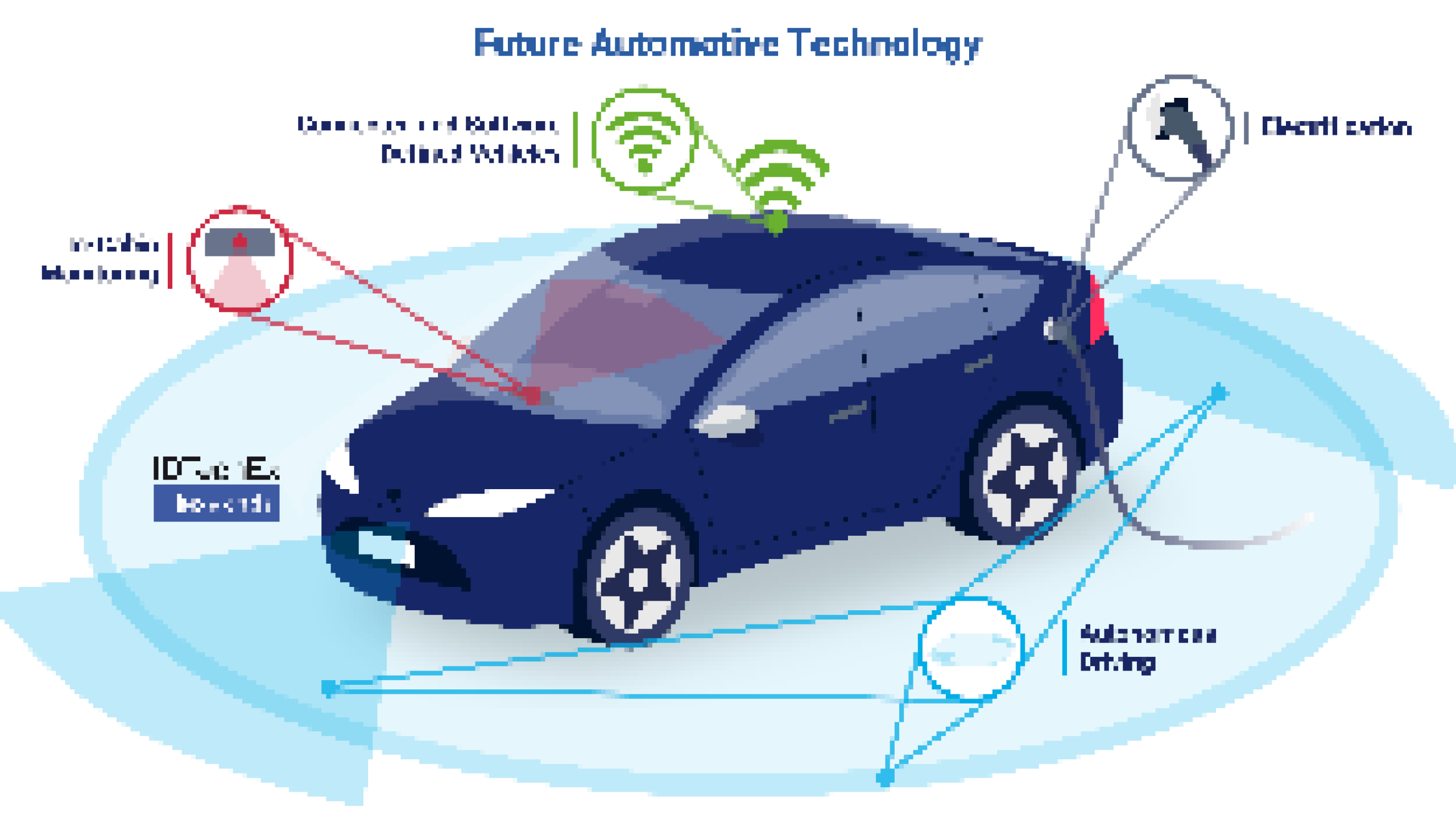
Have you ever wondered how many electronic components are inside your car? You might be surprised to learn that modern vehicles rely on hundreds, sometimes thousands, of tiny electronic parts to keep everything running smoothly.
These components control everything from safety features to entertainment systems, making your driving experience safer and more enjoyable. Keep reading, and you’ll discover just how these small parts play a big role in your car’s performance—and why understanding them can help you take better care of your vehicle.
Electronic Components In Modern Cars
Modern cars are marvels of technology. Electronic components play a vital role in their operation. These components enhance safety, efficiency, and comfort. Cars today are more than just mechanical devices. They are computers on wheels, filled with intricate electronic systems.
Role Of Electronics In Vehicles
Electronics manage various functions in vehicles. They control everything from engine performance to entertainment. Electronic systems ensure optimal fuel efficiency. They also enhance safety with advanced features. Electronics make cars more user-friendly and efficient.
Types Of Electronic Components
Modern cars contain numerous electronic components. Each serves a specific function. Common components include:
- Sensors:These detect changes in the car’s environment. They help manage engine performance and safety systems.
- Microcontrollers:These are small computers inside the car. They process data from sensors and control different functions.
- Actuators:These move or control a mechanism in the car. They convert electronic signals into physical actions.
- ECUs (Electronic Control Units):These control specific functions. For example, the engine, transmission, or airbags.
- Displays:These provide information to the driver. They show speed, fuel levels, and navigation data.
Each component plays a crucial role. Together, they make driving safer and more enjoyable.
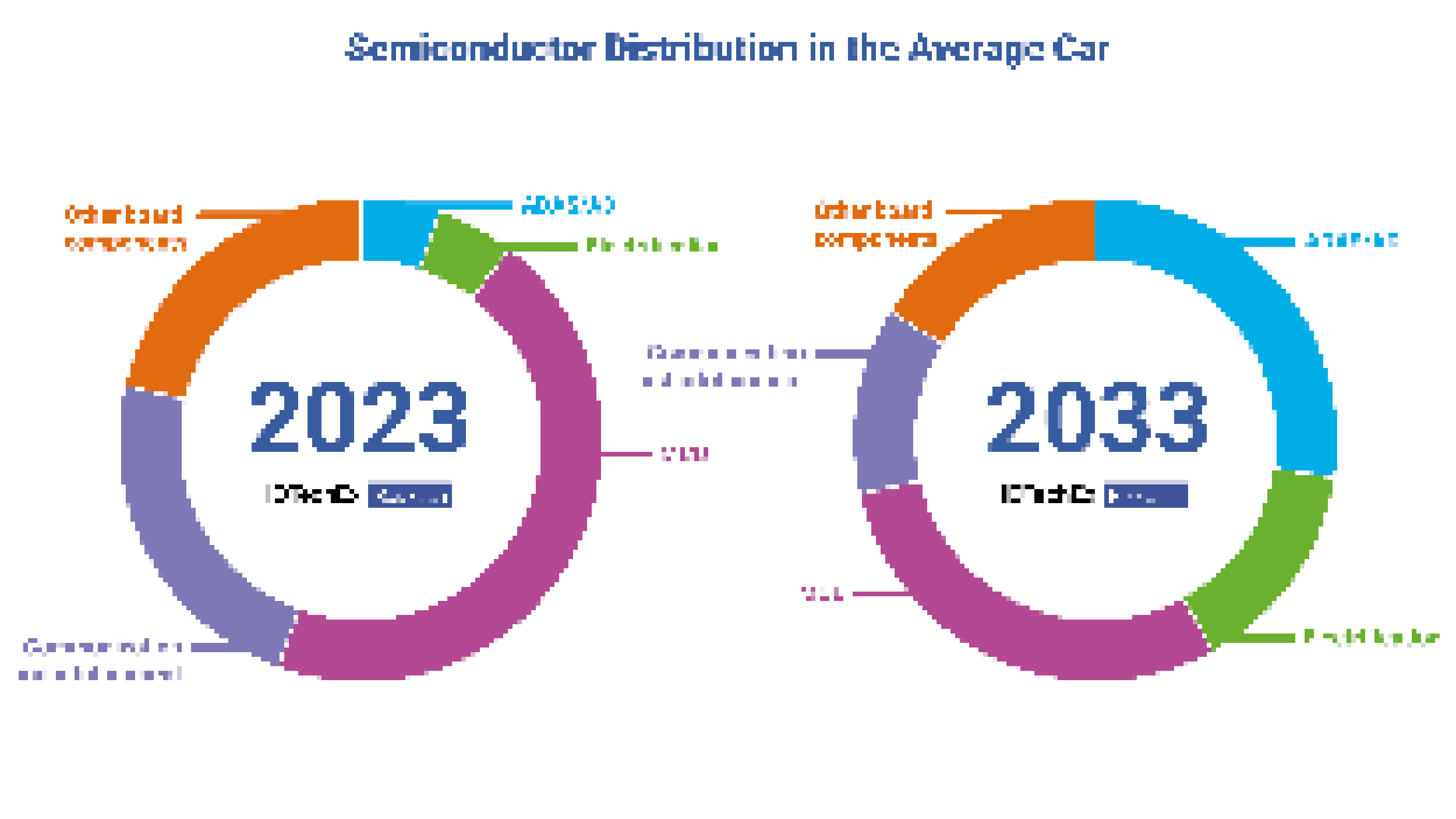
Credit: www.idtechex.com
Common Electronic Parts In Cars
Cars today are packed with a variety of electronic parts that keep them running smoothly and safely. These components work together to improve your driving experience, from monitoring engine performance to providing entertainment on the road. Understanding the common electronic parts in cars can help you appreciate how technology influences your daily drive.
Sensors And Actuators
Sensors gather information about the car’s environment and internal systems. They monitor things like temperature, speed, and pressure to help the vehicle operate efficiently. Actuators then respond to this data by controlling mechanical parts such as brakes or fuel injectors.
For example, a parking sensor detects nearby obstacles and alerts you to avoid collisions. Have you ever wondered how your car knows when to adjust fuel injection based on road conditions? That’s the sensors and actuators at work.
Control Units And Microcontrollers
Control units act as the brain of your car’s electronic system. These microcontrollers process data from sensors and make real-time decisions to optimize performance. They manage everything from engine timing to transmission shifts.
Without these control units, your car wouldn’t respond accurately to changing driving conditions. Think about how smoothly your car accelerates or how well it maintains stability—this is the result of these tiny computers working nonstop.
Infotainment Systems
Your car’s infotainment system is more than just a screen for music and navigation. It integrates GPS, voice commands, smartphone connectivity, and even internet access. These systems keep you connected and entertained while driving.
Have you ever used your car’s touchscreen to find the fastest route or stream your favorite playlist? That convenience comes from sophisticated electronics designed to improve your journey.
Safety And Security Modules
Safety and security modules protect you and your vehicle from harm. They control airbags, anti-lock brakes, traction control, and alarm systems. These modules constantly monitor your car’s status and react instantly during emergencies.
Imagine the difference between a car that can alert you about a potential crash and one that cannot. These electronic parts play a crucial role in keeping you safe every time you drive.
Complex Systems Powered By Electronics
Modern cars rely heavily on electronic components to operate smoothly. These components manage complex systems that control everything from engine function to safety features. Electronics have transformed vehicles into smart machines that enhance comfort and safety.
Engine Management Systems
Engine management systems use sensors and computers to control fuel injection, ignition timing, and emissions. These systems optimize engine performance and fuel efficiency. They adjust automatically to different driving conditions, reducing pollution and improving power.
Advanced Driver Assistance Systems
Advanced driver assistance systems (ADAS) include features like automatic braking, lane keeping, and adaptive cruise control. These systems use cameras, radar, and sensors to monitor the surroundings. They help drivers avoid accidents and make driving safer and easier.
Electric And Hybrid Vehicle Electronics
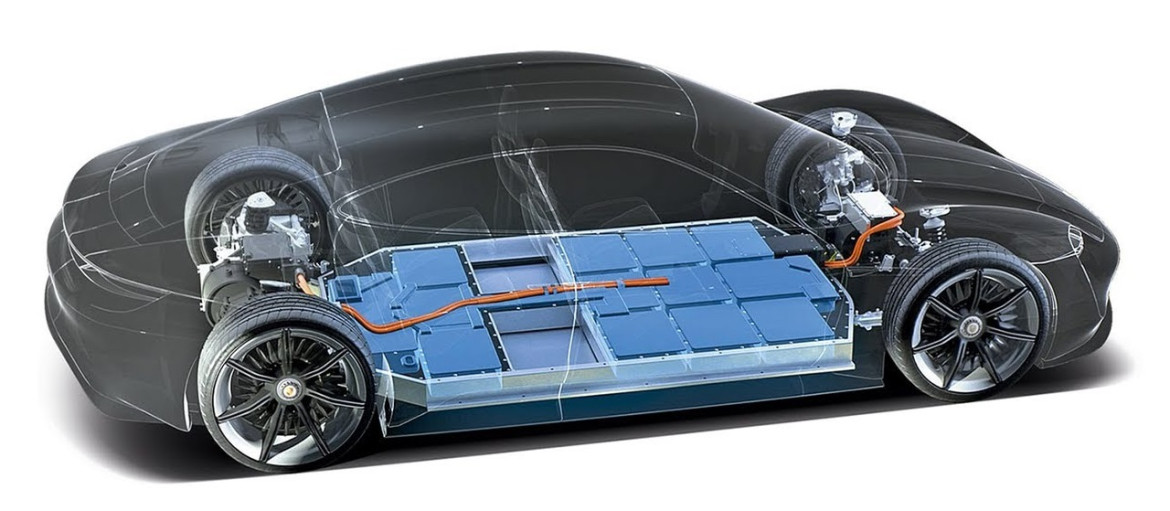
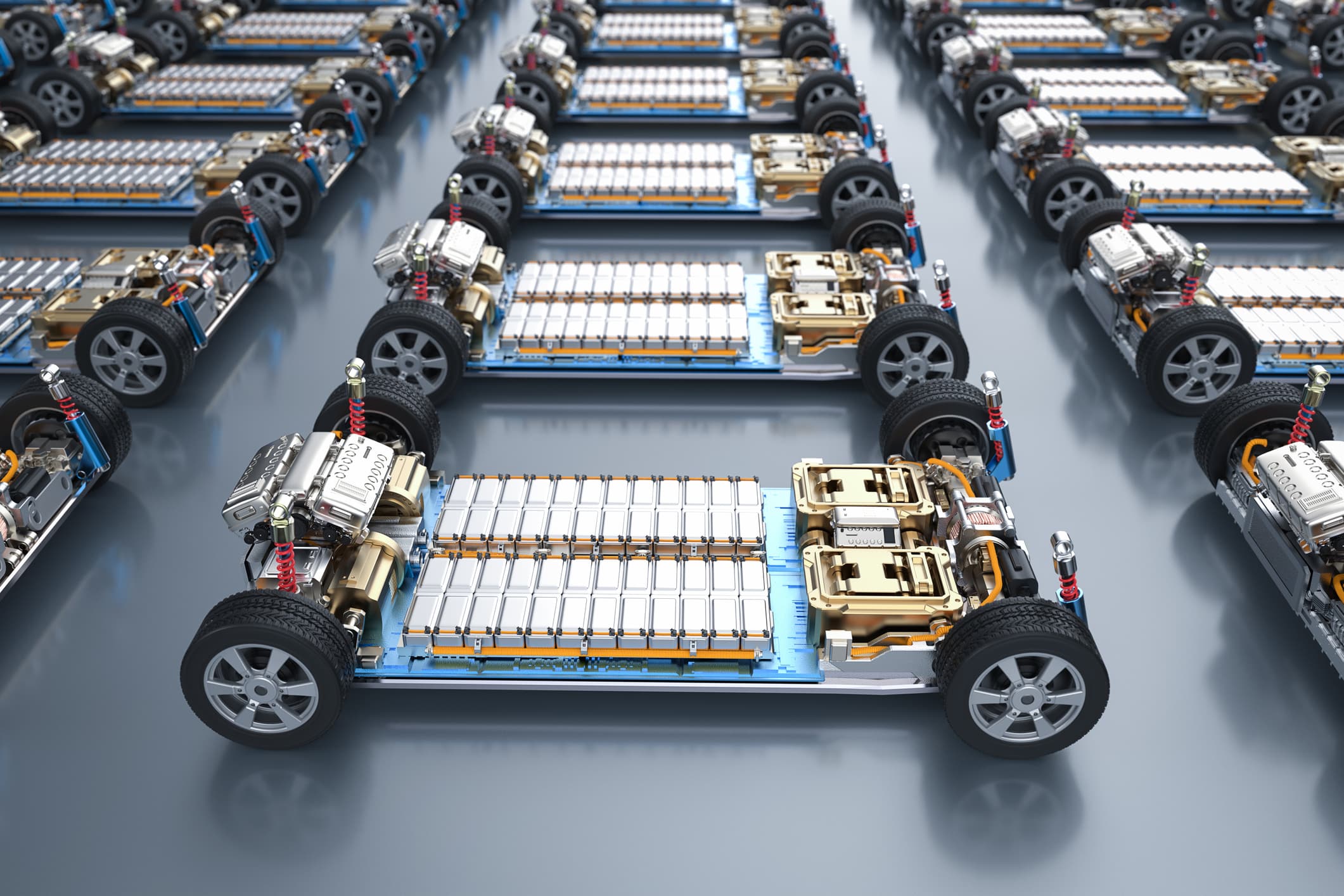
Electric and hybrid vehicles depend on electronic systems to manage battery power and electric motors. These systems control charging, energy distribution, and regenerative braking. They ensure efficient energy use and extend the vehicle’s driving range.
Credit: www.laserax.com
Estimating The Number Of Components
Estimating how many electronic components are inside a car might seem like a guessing game, but it’s actually a complex task. Each vehicle varies widely depending on its design and purpose. Knowing these numbers helps you appreciate the technology packed into your daily drive and can guide smarter maintenance decisions.
Component Counts By Vehicle Type
Different types of vehicles have very different electronic footprints. A basic economy car might have around 1,000 to 1,500 electronic components. These include sensors, control units, wiring, and connectors.
Luxury cars and electric vehicles usually contain much more—sometimes exceeding 3,000 components. They add advanced systems like adaptive cruise control, infotainment, and battery management. Meanwhile, trucks and SUVs can vary significantly depending on their configuration and features.
| Vehicle Type | Estimated Electronic Components |
|---|---|
| Economy Car | 1,000 – 1,500 |
| Luxury Car | 2,500 – 3,500+ |
| Electric Vehicle | 3,000 – 4,000+ |
| Truck/SUV | Varies widely (1,500 – 3,000+) |
Factors Influencing Component Quantity
The number of electronic parts depends on more than just the vehicle type. Features like safety systems, entertainment options, and engine complexity all add components. For example, a car with lane-keeping assist and blind-spot monitoring will have extra sensors and control modules.
Manufacturers also differ in how they design and source their electronics. Some use fewer, multifunctional components, while others prefer many specialized parts. This affects both the quantity and complexity you might encounter during repairs or upgrades.
Have you ever thought about how the tech in your car might change if you add aftermarket gadgets? Each addition brings more electronics into the mix, sometimes complicating your vehicle’s system without you realizing it. Understanding these factors puts you in control of your car’s technology, not the other way around.
Future Trends In Automotive Electronics
The future of automotive electronics is full of exciting changes. Cars will have more electronic parts than ever before. These parts work together to make driving safer, easier, and more fun. Advances in technology will shape how cars operate and interact with drivers.
Electronics will become more integrated and complex. Autonomous driving will change the role of electronic components. New technologies will emerge to improve car performance and safety.
Increasing Integration And Complexity
Electronic systems in cars will combine many functions into fewer parts. This integration saves space and reduces weight. It also improves efficiency and reliability. Complex software will manage these systems to enhance vehicle control. Cars will use advanced sensors and processors to handle more tasks.
Impact Of Autonomous Driving
Self-driving cars depend heavily on electronics. They use cameras, radar, and lidar to understand surroundings. Electronics process this data quickly to make driving decisions. Safety features will rely on these systems to prevent accidents. Autonomous technology will increase the number of electronic components dramatically.
Emerging Technologies
New tech like artificial intelligence and 5G networks will enter cars. AI helps in decision-making and personalizing the driving experience. 5G improves communication between cars and infrastructure. Electric vehicles will use advanced battery management systems. These technologies will shape the future landscape of automotive electronics.
Credit: www.dickhannah.com
Frequently Asked Questions
How Many Electronic Components Are In Modern Cars?
Modern cars contain over 1,000 electronic components. These include sensors, microcontrollers, actuators, and infotainment systems. The number varies by model and features but is increasing with advanced technology integration.
What Roles Do Electronic Components Play In Cars?
Electronic components control engine performance, safety systems, navigation, and entertainment. They improve fuel efficiency, emissions, and driver comfort. These parts enable modern vehicles to be smarter and safer.
Why Are Electronic Components Increasing In Vehicles?
Growing demand for electric cars, autonomous driving, and connectivity drives component growth. Advanced safety features and infotainment systems also require more electronics. This trend is expected to continue rapidly.
Which Car Systems Rely Most On Electronics?
Engine management, braking systems, airbag deployment, and infotainment heavily depend on electronics. Advanced driver assistance systems (ADAS) also require numerous sensors and control units. Electronics enhance vehicle functionality and safety.
Conclusion
Cars today contain hundreds of electronic parts. These parts control safety, comfort, and performance. More electronics mean better driving experiences. Yet, they also need careful maintenance and repair. Understanding these components helps you appreciate modern cars. Technology will keep adding more parts in the future.
Staying informed makes you a smarter car owner. Electronics are key to how cars work now. Simple, reliable, and smart—this is the future of vehicles.
Leave a Reply