Are you curious about how much you might be spending on smart home electronics? With the convenience and innovation they offer, it’s no wonder these gadgets have become household staples.
But have you ever wondered if your investment is truly worth it? Understanding the costs can help you make informed decisions and maybe even save some money along the way. Get ready to discover surprising insights into the world of smart home spending.
By the end of this article, you’ll have a clearer picture of where your money goes and how to optimize your smart home experience. Keep reading to uncover the secrets behind smart home electronics expenses!
Smart Home Electronics Market Trends
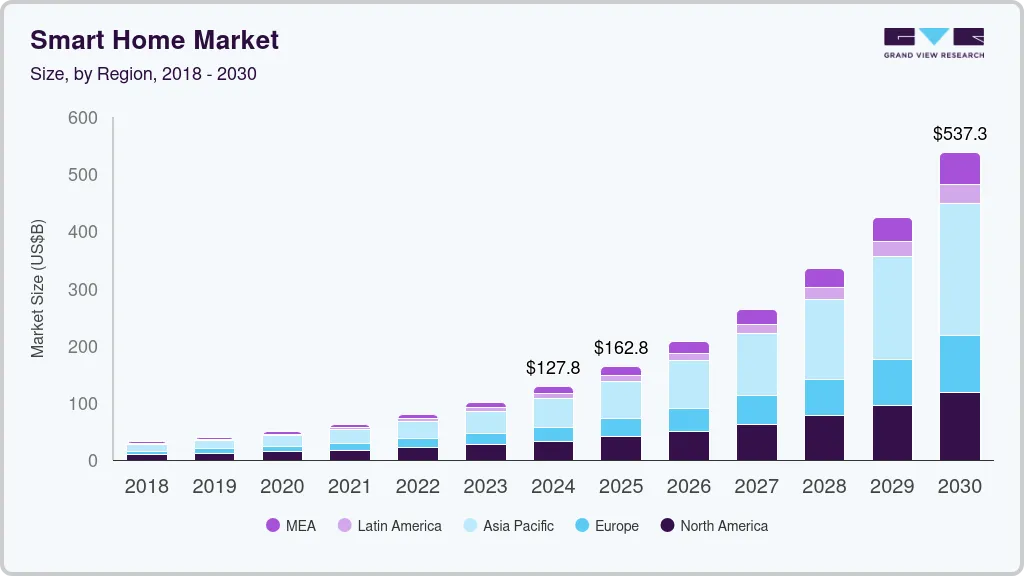
The smart home electronics market is expanding rapidly as technology becomes more affordable. More people want connected devices that make life easier and safer. This growth shapes spending habits and product choices worldwide.
Consumers are drawn to innovations that offer convenience and energy savings. The market reflects changing lifestyles and increased interest in home automation. Understanding these trends helps reveal how much people spend on smart home products.
Growth Drivers
- Lower prices make smart devices accessible to many buyers.
- Improved internet connectivity supports smoother device integration.
- Rising interest in energy efficiency fuels demand for smart thermostats and lights.
- Increased focus on home security encourages investment in cameras and alarms.
- Voice control technology simplifies device use, attracting more users.
Popular Devices
- Smart speakers lead the market with voice assistant features.
- Security cameras and video doorbells are top choices for safety.
- Smart thermostats help reduce energy bills and improve comfort.
- Connected lighting systems offer customization and energy savings.
- Robot vacuums provide convenience in daily cleaning routines.
Consumer Adoption Rates
- Young adults and families show the highest interest in smart tech.
- Urban areas have faster adoption due to better internet infrastructure.
- Smart home device ownership grows steadily each year worldwide.
- Many buyers start with one device and gradually add more.
- Trust and privacy concerns slightly slow adoption among older users.
Common Smart Home Devices
Smart home devices have become common in many households. They make daily tasks easier and improve home comfort. These gadgets vary in price and function but share the goal of making homes smarter. Understanding common smart devices helps estimate how much people spend on them.
Smart Speakers And Assistants
Smart speakers like Amazon Echo and Google Nest provide voice control. They answer questions, play music, and manage other smart devices. Prices range from $30 to $200 depending on features and brand. Many users start their smart home setup with these devices.
Smart Lighting Systems
Smart lights allow control of brightness and color via apps or voice. Brands like Philips Hue and LIFX offer bulbs and light strips. Costs depend on the number of bulbs and starter kits, usually from $50 to $200. These systems save energy and add convenience.
Security Cameras And Alarms
Home security devices include cameras, motion sensors, and alarms. Popular options are Ring, Arlo, and Nest cameras. Prices vary from $50 to $300 for a single camera. Monthly fees may apply for cloud storage or monitoring services.
Thermostats And Climate Control
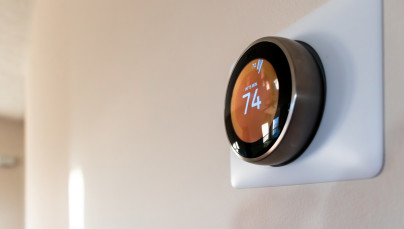
Smart thermostats control heating and cooling efficiently. Nest and Ecobee models adjust temperatures based on schedules. These devices cost between $100 and $250. They help reduce energy bills by optimizing home climate.
Home Entertainment Systems
Smart TVs, streaming devices, and sound systems enhance media experience. Devices like Roku, Apple TV, and Sonos are popular choices. Prices range from $50 for basic devices to over $500 for premium systems. These add comfort and entertainment to smart homes.
Average Spending On Smart Devices
Understanding how much people spend on smart home electronics helps you plan your budget wisely. Spending varies widely based on what you want your smart home to do. Knowing typical costs can guide your choices without breaking the bank.
Entry-level Budgets
If you’re just starting, entry-level smart devices can cost between $50 and $200 each. Think about smart plugs, basic smart bulbs, or entry-level voice assistants. These give you smart home benefits without a big upfront cost.
You might spend around $100 to set up a basic smart lighting system or add voice control to one room. It’s a low-risk way to see how these gadgets fit your lifestyle. Have you tried a simple device that surprised you with its usefulness?
Mid-range Investments
Mid-range smart home setups typically range from $200 to $800 per device or kit. This includes smarter thermostats, security cameras, and multi-room audio systems. These devices offer better features and integration options.
For example, a smart thermostat like the Nest or Ecobee might cost about $250. Adding a few smart sensors or a video doorbell could bring your total to $600 or more. These investments improve comfort and security noticeably.
High-end Purchases
High-end smart home electronics can easily exceed $1,000 per item. These include advanced security systems, whole-home automation hubs, and premium smart appliances. The cost reflects superior technology and seamless control.
Imagine spending $1,500 on a comprehensive security setup with cameras, alarms, and monitoring services. Or investing in smart refrigerators and ovens that connect with your phone. Are these expenses justified by the convenience and peace of mind you get?
Credit: www.premium-electric.ca
Factors Influencing Spending
Spending on smart home electronics varies widely. Several factors shape how much a person invests. These influences help explain the differences in costs from one home to another. Understanding these factors can guide better budget decisions for smart devices.
Home Size And Layout
Larger homes need more devices to cover all areas. Multiple rooms require extra sensors and smart hubs. Open layouts may need fewer devices for full coverage. Complex layouts often demand advanced systems to work well. The size and shape of a home affect the total spend.
Technology Preferences
Some prefer basic smart lights and plugs. Others want advanced security cameras and smart appliances. Interest in voice control or automation increases spending. Choosing more features means higher costs. Personal taste drives the type and number of devices bought.
Integration And Compatibility
Devices that work well together often cost more upfront. Compatibility with existing systems affects buying choices. Easy integration saves time and future expenses. Spending rises with the need for seamless control across gadgets. The effort to sync devices impacts the budget.
Brand Choices
Popular brands usually charge higher prices. Lesser-known brands can offer budget-friendly options. Trusted brands promise better quality and support. Brand reputation influences buyer confidence and spending. Choosing a brand depends on balance between cost and reliability.
Cost Breakdown By Device Type
Understanding the cost breakdown by device type helps in planning a smart home budget. Different devices vary in price and features. Knowing these costs aids in making smart choices. Below is an overview of common smart home electronics and their average expenses.
Smart Speakers
Smart speakers are often the first smart home device. Prices range from $30 to $250. Basic models offer voice commands and music playback. High-end versions include better sound and multiple microphones. Many households spend around $50 to $100 per speaker.
Security Systems
Security systems include cameras, sensors, and alarms. Costs start at $100 for simple setups. Advanced systems with monitoring services can exceed $500. Installation fees may apply for professional setup. Monthly service fees also add to the total cost.
Lighting
Smart lighting offers control and energy savings. Individual bulbs cost between $10 and $50. Starter kits with multiple bulbs and hubs range from $50 to $150. Some systems include color-changing and scheduling features. Users often replace standard bulbs gradually.
Thermostats
Smart thermostats improve home energy use. Prices typically fall between $100 and $300. Models with learning capabilities cost more. Installation by a professional may add $100 or more. Savings on energy bills can offset initial costs over time.
Entertainment
Smart entertainment devices include smart TVs and streaming players. Streaming devices cost $30 to $150. Smart TVs vary widely, from $200 to over $1,000. Soundbars and home theater systems add to expenses. Many users invest gradually based on needs.
Credit: www.valuepenguin.com
Hidden Costs And Maintenance
Smart home electronics offer convenience and efficiency, but their costs often go beyond just the initial purchase. Hidden expenses and ongoing maintenance can add up quickly, catching many homeowners off guard. Understanding these factors can help you budget better and avoid surprises down the road.
Installation Fees
Setting up smart devices might seem straightforward, but professional installation can be necessary, especially for complex systems like security cameras or smart thermostats. Hiring experts ensures devices work properly and integrate smoothly with your home network.
Installation fees vary widely depending on the complexity and location. You might pay anywhere from $50 to several hundred dollars per device. Have you checked if your device includes free installation or if you’ll need to budget extra for this service?
Subscription Services
Many smart home products require ongoing subscription plans for full functionality. Security systems, video doorbells, and cloud storage often come with monthly or annual fees.
For example, a smart security camera might charge $10 a month for video history access. Over a year, this adds up to $120, which many buyers overlook initially. Do you know the subscription costs before buying your smart devices?
Upgrades And Repairs
Technology evolves rapidly, and smart home gadgets aren’t immune to this. You might need to upgrade firmware or replace parts to keep everything running smoothly.
Repairs can be costly if devices break outside warranty periods. Sometimes, manufacturers discontinue support, pushing you to buy new models. Are you prepared for these potential expenses to keep your smart home fully functional?
Budgeting Tips For Smart Home Buyers
Setting a budget for smart home electronics helps you avoid overspending. Planning your purchases keeps your finances under control and ensures you get the best value. Smart home devices vary in price and features, so smart buying is essential.
Prioritizing Needs
Focus on devices that improve your daily life the most. Start with essentials like smart lights or thermostats. Avoid buying gadgets just because they are popular. List your needs and buy what fits your lifestyle first. This keeps your spending focused and practical.
Choosing Scalable Systems
Pick smart home systems that grow with your budget. Start small and add more devices later. Scalable systems save money and prevent waste. Check if new devices will work with your current setup. This approach spreads costs over time and reduces pressure on your wallet.
Researching Deals And Discounts
Look for sales, coupons, and bundle offers before buying. Many retailers offer discounts during holidays and special events. Compare prices on different websites to find the best deal. Signing up for newsletters can give access to exclusive discounts. Saving money on each purchase adds up quickly.

Credit: www.cnet.com
Future Spending Trends
Future spending on smart home electronics shows clear growth. More people want smarter, easier homes. Costs will rise but so will value. New tech and better automation drive this change. Buyers expect better control, security, and energy savings. Let’s explore key trends shaping these expenses.
Emerging Technologies
New devices enter the market each year. Smart mirrors, health monitors, and advanced sensors gain popularity. These tools offer more than basic functions. They track wellness and improve daily life. Prices vary but tend to fall over time. Early adopters spend more but enjoy unique features.
Smart Home Automation Expansion
Automation systems become more common and complex. Homeowners add smart lighting, heating, and security. Integration with voice assistants grows. This increases spending on hubs and compatible gadgets. Bundled systems may lower costs. Continuous updates also require ongoing investment.
Impact Of Ai And Iot
Artificial intelligence improves device intelligence and responsiveness. IoT connects more appliances and sensors seamlessly. These advances push consumers to upgrade frequently. Spending focuses on devices that learn and adapt. Data privacy and security features also influence choices and costs.
Frequently Asked Questions
How Much Do People Typically Spend On Smart Home Devices?
Most people spend between $200 and $1,500 on smart home electronics yearly. The cost depends on device types, brand, and system size.
What Factors Influence Smart Home Electronics Spending?
Spending varies due to product quality, home size, technology preferences, and integration complexity. Premium brands and advanced automation increase costs.
Are Smart Home Devices A Good Investment?
Smart home devices improve convenience, security, and energy efficiency. They can save money long-term despite initial purchase costs.
How Can I Budget For Smart Home Electronics?
Start with essential devices like smart speakers and lights. Gradually add more features to spread out expenses.
Conclusion
Smart home electronics costs vary by device type and brand. Many people spend a few hundred to a few thousand dollars. Budgeting helps avoid surprises in your expenses. Start with basics like smart lights or speakers. Add more devices as your needs grow and budget allows.
Remember, prices change with new technology and sales. Investing wisely leads to a comfortable, efficient home. Choose devices that fit your lifestyle and budget well. Smart home tech can save time and energy daily. Consider long-term benefits alongside initial costs.
Leave a Reply