
Have you ever wondered how often people actually repair their electronic products instead of tossing them away? Your gadgets, from smartphones to laptops, can often be fixed rather than replaced.
Knowing how frequently consumers choose repair can help you make smarter decisions about your own devices. You’ll discover surprising facts about repair habits, what drives people to fix or ditch their electronics, and how you can save money and reduce waste by choosing repair more often.
Keep reading to find out how you can get the most out of your electronics and avoid common pitfalls.
Credit: ambadar.com
Repair Frequency Patterns
Understanding how often consumers repair their electronic products reveals a lot about usage habits and product reliability. Repair frequency patterns can help you decide when it’s worth fixing a device or when it’s better to replace it. These patterns vary widely depending on the type of device, its age, and even the time of year.
Commonly Repaired Devices
Smartphones top the list of devices sent for repairs due to their constant use and vulnerability to drops and water damage. Laptops and tablets follow closely, often needing screen replacements or battery fixes. You might be surprised to find household appliances like microwaves and washing machines also frequently repaired, especially in families trying to cut down on waste.
Think about your own experience—how many times have you sent a phone or laptop for repair? What about less obvious devices? Knowing which gadgets commonly break can help you prepare better, either by buying extended warranties or handling devices with extra care.
Age Of Products At Repair
Most electronic devices are repaired within the first two to three years of purchase. This is the period when warranties often expire, and wear and tear become noticeable. Beyond five years, repair frequency drops because many consumers find replacement more cost-effective than fixing older devices.
Have you ever fixed a device after the warranty ended? Many do, but it’s worth weighing repair costs against the value of your product’s age and features. Keeping track of when your device starts acting up can save you money and frustration in the long run.
Seasonal Repair Trends
Repairs tend to spike during certain times of the year. For example, after summer vacations, many phones and cameras come back damaged from trips. Winter months see more issues with heating devices and gadgets exposed to cold temperatures.
Also, the holiday season often leads to increased repairs, as gifts get heavily used or accidentally damaged. Have you noticed your gadgets failing after a big event or trip? Understanding these trends can help you plan repairs or protect your electronics better during vulnerable times.

Credit: pirg.org
Consumer Motivations
Understanding why consumers choose to repair their electronic products reveals a lot about current trends in spending, values, and priorities. These motivations often balance practicality with personal beliefs, showing that repair decisions aren’t just about fixing a device—they reflect deeper considerations. Let’s look at the main factors driving these choices.
Cost Vs Replacement
Many people weigh the cost of repair against buying a new product. If the repair is too expensive or close to the price of a new item, replacement seems more appealing. However, sometimes simple fixes like replacing a battery or screen can extend a device’s life significantly, saving you money in the long run.
Have you ever hesitated to fix your phone because the repair cost felt too high? That hesitation is common, yet quick fixes often prevent you from spending hundreds on a new device. Think about how much value your gadget still holds before deciding to replace it.
Environmental Concerns
More consumers are aware of how electronic waste harms the planet. Repairing devices reduces waste and lowers the demand for new product manufacturing, which uses up resources and energy. This growing eco-consciousness motivates many to choose repair over replacement.
Even small actions, like fixing a cracked phone screen instead of tossing the device, contribute to less landfill waste. Would you consider repair a way to reduce your environmental footprint? This mindset is gradually influencing shopping habits worldwide.
Sentimental Value
Sometimes the motivation to repair goes beyond cost or environment; it’s about the memories attached to a device. People often hold on to electronics that remind them of special moments or achievements. Repairing such items keeps those memories alive and maintains a personal connection.
You might have a laptop or camera that’s been with you through important life events. Would you pay to fix it just to keep that connection? Sentimental value can make the decision to repair feel less like a financial choice and more like preserving a piece of your life.
Barriers To Repair
Repairing electronic products sounds simple, but many face real obstacles that stop them from trying. These barriers affect how often people fix gadgets instead of tossing them out. Understanding these challenges can help you decide when and how to repair your own devices.
Availability Of Spare Parts
Finding the right spare parts is often the first big hurdle. Some manufacturers limit access to parts, making repairs difficult or impossible for everyday users. If you can’t get the exact battery or screen replacement, your repair plans might end before they start.
Imagine trying to fix your smartphone but only finding generic parts that don’t fit well or work properly. Would you trust your device to those parts? This scarcity pushes many to buy new products instead of repairing old ones.
Technical Skills Required
Not all repairs are straightforward. Opening a laptop or smartphone can require special tools and knowledge. If you aren’t confident in your skills, the fear of causing more damage can stop you from even attempting a fix.
Have you ever hesitated to repair your device because the instructions seemed too complicated? That feeling is common, and it often leads people to choose professional repairs, which might be costly or inconvenient. Learning basic repair skills can save you time and money, but it’s not always easy to find reliable guides or training.
Repair Costs
Repair costs can be surprisingly high, especially if professionals are involved. Sometimes, the price of fixing a device approaches or even exceeds the cost of buying a new one. This makes many question if repairing is worth it.
Think about your last phone repair—did the cost make you pause? You’re not alone. Balancing repair expenses against the value and lifespan of your gadget is tricky, but knowing when a repair is sensible can help you avoid unnecessary spending.
Impact Of Warranty And Insurance
Warranties and insurance shape how often consumers repair their electronic products. These protections reduce repair costs and encourage users to fix devices instead of replacing them. The presence of warranty or insurance can extend a product’s life by making repairs affordable and accessible.
Role Of Manufacturer Warranties
Manufacturer warranties cover defects for a set time, usually one year. Consumers tend to repair products during this period because repairs are free or cheap. Warranties build trust and reduce hesitation to fix devices. After the warranty expires, repair rates often drop as consumers face full repair costs.
Third-party Repair Services
Third-party repair shops offer repairs outside warranty coverage. These services often provide lower prices and faster service. Consumers without warranties rely on them to keep devices working. Some third-party repairs risk voiding warranties, causing careful decisions by consumers.
Insurance Coverage Influence
Insurance plans protect against damage, theft, or loss. These plans encourage repairs by covering repair or replacement costs. Consumers with insurance are more likely to repair expensive electronics quickly. Insurance reduces financial risk, making consumers confident in fixing devices.
Diy Repairs And Online Resources
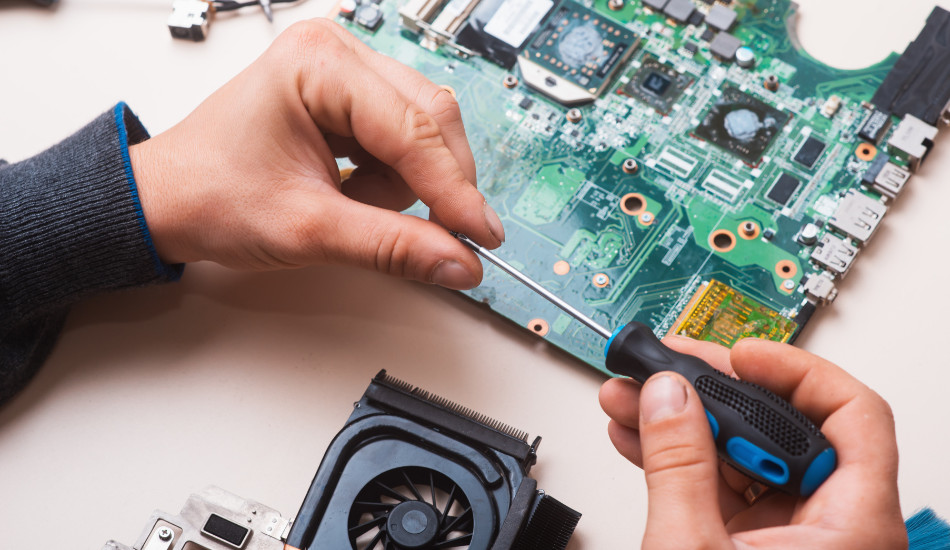
DIY repairs have become a popular way for consumers to extend the life of their electronic products. With the rise of online resources, many feel empowered to tackle fixes themselves rather than immediately seeking professional help or buying new devices. These resources offer practical guidance and foster a community spirit around repair, saving money and reducing electronic waste.
Rise Of Repair Tutorials
Online repair tutorials have exploded in popularity, covering everything from smartphone screen replacements to laptop battery swaps. Websites like iFixit provide step-by-step guides with clear images and videos, making complex repairs accessible to beginners.
Have you ever watched a tutorial and thought, “I can do this myself”? Many consumers share that moment, gaining confidence as they follow detailed instructions. These tutorials reduce the fear factor and encourage people to try repairs they might have previously avoided.
Community Repair Initiatives
Community repair events and groups have formed to support DIY repairers. These initiatives often provide hands-on workshops, shared tools, and expert advice in a social setting.
Joining a local repair café or online forum can connect you with others facing similar challenges. Imagine exchanging tips on fixing a stubborn laptop hinge or sharing success stories about reviving old gadgets—you might find more support than you expected.
Tools And Kits Accessibility
The availability of affordable repair kits and specialized tools has made DIY repairs more feasible. Many kits come with everything you need, including screwdrivers, pry tools, and replacement parts, tailored to specific devices.
Have you checked how easy it is to order these kits online? They arrive quickly and often include instructions, removing guesswork from the process. Having the right tools at hand can turn a daunting task into a manageable project.
Regional And Demographic Differences
How often people repair their electronic products varies widely across regions and groups. These differences reflect access to services, economic status, and local culture. Understanding these variations helps businesses and consumers make better decisions about repairs.
Urban Vs Rural Repair Habits
People in cities often repair electronics more frequently. Urban areas have more repair shops and easier access to parts. Rural residents might delay repairs due to fewer service options. Travel distance and cost can discourage fixing devices outside cities.
Age And Income Factors
Younger consumers tend to replace gadgets rather than repair them. Older adults usually prefer repairs to extend product life. Income also plays a key role. Higher earners can afford new devices, while lower-income groups often choose repairs to save money.
Cultural Influences
Some cultures value fixing items to reduce waste. Others favor owning the latest technology and replace devices quickly. Attitudes toward repair also depend on environmental awareness and traditional habits. These cultural views shape how often people choose to repair electronics.
Future Of Electronic Repairs
The future of electronic repairs holds many changes. Repair habits may shift as new factors emerge. Consumers will likely face easier or harder repair processes depending on these changes. Let’s explore key areas shaping this future.
Trends In Product Design
Manufacturers now create devices with repair in mind. Parts are more modular and easier to replace. Designs focus on reducing waste and extending product life. This helps consumers fix items rather than replace them. Simple repairs save money and reduce environmental impact.
Legislation And Right To Repair
New laws support consumer rights to repair electronics. These laws require companies to provide repair manuals and parts. They aim to stop planned obsolescence in gadgets. Laws encourage fair access to repair services. This boosts repair rates and lowers electronic waste.
Technological Advances
Technology improves diagnostic tools for repairs. AI and apps guide consumers through fixing devices step-by-step. 3D printing allows easy creation of replacement parts. Remote repair services grow, helping users fix problems without visits. These advances make repairs faster and cheaper.

Credit: timesofmalta.com
Frequently Asked Questions
How Often Do Consumers Repair Electronic Products?
Consumers typically repair electronics every 2 to 3 years, depending on product type and usage. Frequent issues include screen damage and battery failure. Repair decisions depend on cost, product value, and warranty status. Many prefer repair over replacement to save money and reduce waste.
What Factors Influence Repairing Electronic Products Frequency?
Repair frequency depends on device quality, usage intensity, and technological advancements. Older devices may need repairs more often due to wear and tear. Consumer habits, such as maintenance and care, also affect repair needs. Additionally, repair costs and available service options impact how often repairs occur.
Which Electronic Products Are Repaired Most Often?
Smartphones, laptops, and tablets are repaired most often due to frequent use. Common repairs include screen replacements, battery swaps, and software fixes. Household appliances like microwaves and washing machines also see regular repairs. Repair trends vary by product lifespan and consumer preference.
Why Do Some Consumers Avoid Repairing Electronics?
High repair costs, quick product obsolescence, and lack of repair services discourage some consumers. Many choose replacement for newer features or better performance. Limited repair knowledge and warranty concerns also play a role. Convenience and time constraints can push consumers toward buying new devices.
Conclusion
Repairing electronics varies by product and consumer habits. Some fix regularly, others rarely. Cost often influences this decision. Affordable repairs encourage more frequent fixes. Complex devices might deter attempts. Knowing repair options helps consumers decide. Local repair shops offer personalized service.
DIY solutions save money. Regular maintenance extends product life. This reduces e-waste. Awareness of repair benefits is growing. Consumers seek sustainable choices. This shift benefits both wallet and environment. Educated consumers make informed repair decisions. Understanding repair trends aids better purchase choices.
Stay informed, choose wisely.
Leave a Reply