Choosing the right electronic components can feel overwhelming. You might wonder which parts will work best for your project or how to avoid costly mistakes.
But don’t worry—this guide will help you make smart, confident decisions every time. By the end, you’ll know exactly what to look for, saving you time, money, and frustration. Ready to take control of your electronic designs? Let’s dive in and make your next project a success.

Credit: suntsu.com
Understanding Your Project Requirements
Understanding your project requirements is the foundation of choosing the right electronic components. Without a clear grasp of what your project needs, you risk overspending or selecting parts that won’t perform as expected. Taking the time to analyze your goals and constraints will save you from costly mistakes and frustration down the line.
Identify The Functional Needs
Start by listing what your project must do. Are you building a sensor system, a power supply, or a communication device? Each function demands specific components tailored to those tasks.
Think about the signals you need to process, the type of inputs and outputs, and the level of precision required. This helps you narrow down your choices to parts that actually fit your project’s purpose.
Determine Power Requirements
Knowing how much power your project consumes is crucial. Check the voltage and current levels your components will need to operate safely and efficiently.
Ask yourself: Will the device run on batteries or a constant power supply? This affects your choice of voltage regulators, batteries, and power management ICs.
Consider Environmental Conditions
Where will your project operate? Temperature, humidity, and exposure to dust or moisture can impact component performance.
Choosing components rated for harsh environments might add cost but ensures reliability. For example, a device used outdoors needs different components than one for indoor use.
Set Budget And Availability Limits
How much are you willing to spend? Component costs vary widely, and your budget will shape your options.
Also, check component availability. Some parts may have long lead times or be discontinued. It’s worth verifying this early to avoid delays.
Plan For Size And Form Factor
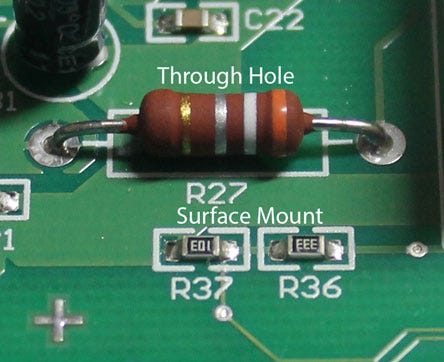
Space constraints matter. Will your project fit on a small PCB or inside a tight enclosure? Size can limit your choices to smaller or surface-mount components.
Balancing size with functionality often requires compromises. Have you thought about how much room you actually have?
Researching Component Specifications
Researching component specifications is crucial for selecting the right electronic parts. Specifications provide details about the component’s performance, limits, and compatibility. Knowing these helps avoid costly mistakes and ensures your project works smoothly.
Specifications vary by component type, such as resistors, capacitors, or integrated circuits. Each has unique data points that affect how it functions in a circuit. Careful study of these details ensures the component meets your design needs and safety standards.
Identifying Key Specifications
Start by understanding the main specs for your component type. For example, resistors have resistance, tolerance, and power rating. Capacitors include capacitance, voltage rating, and equivalent series resistance (ESR). Integrated circuits have supply voltage, pin configuration, and operating temperature range.
Focus on these crucial specs:
- Electrical values (resistance, capacitance, voltage, current)
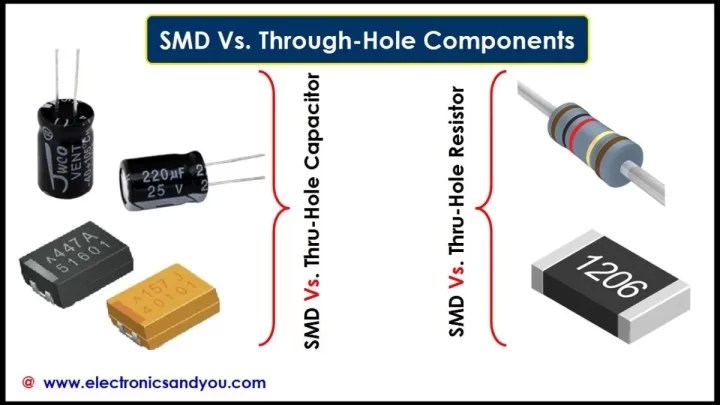
- Physical size and package type
- Operating temperature and environmental ratings
- Power consumption and efficiency
- Tolerance and precision levels
Identifying these helps match the component to your circuit’s demands.
Comparing Datasheets
Datasheets hold detailed technical information from manufacturers. Compare datasheets from different brands for the same component. Check specs side by side to spot differences that affect performance or reliability.
Look closely at:
- Maximum ratings like voltage and current limits
- Typical operating conditions and recommended uses
- Pin layout and mechanical dimensions
- Test results and graphs showing performance
Datasheets help you verify component quality and suitability. They reduce the risk of errors in your design and improve product durability.
Evaluating Component Quality
Evaluating the quality of electronic components is essential for building reliable devices. Poor-quality parts can cause failures and increase costs. Checking quality saves time and money in the long run.
Focus on brand reputation and manufacturer reliability. These factors help ensure the parts meet industry standards. Quality components also improve performance and durability.
Recognizing Trusted Brands
Trusted brands have a long history of producing reliable components. Their products often pass strict quality control tests. Choose brands known for consistency and innovation.
- Look for brands with positive reviews from engineers and technicians.
- Consider brands recommended by industry experts and standards organizations.
- Check if the brand provides detailed datasheets and certifications.
Trusted brands usually offer better customer support. They provide clear warranty policies and technical assistance. This support helps solve issues quickly.
Assessing Manufacturer Reliability
Manufacturer reliability affects component consistency and performance. Reliable manufacturers use advanced production methods and quality materials.
- Research the manufacturer’s history and production capacity.
- Verify if they comply with international quality standards like ISO 9001.
- Check if they have a system for traceability and batch control.
Reliable manufacturers often provide samples and testing results. This helps verify component quality before buying in bulk. Choose manufacturers that prioritize transparency and accountability.
Credit: www.electronicsandyou.com
Considering Cost And Budget
Considering cost and budget is essential when choosing electronic components. Costs can vary widely depending on quality, brand, and supplier. Keeping your project within budget ensures it stays feasible and successful.
Budget constraints require smart choices without sacrificing reliability. Understanding cost factors helps in making balanced decisions. Planning your expenses early avoids surprises later on.
Balancing Quality And Price
Choosing components means balancing quality with price. Low-cost parts may fail sooner or cause issues. High-quality components often last longer and perform better. Find parts that meet your needs without overspending.
Consider these points:
- Check component ratings and reviews for reliability.
- Avoid the cheapest option if it risks failure.
- Select trusted brands for critical parts.
- Test samples before buying large quantities.
Exploring Bulk Purchase Options
Buying in bulk can reduce the cost per unit. Suppliers often offer discounts for larger orders. This saves money on frequently used components.
Keep in mind:
- Only buy bulk if you need many parts.
- Check storage conditions to prevent damage.
- Compare prices from multiple suppliers.
- Watch for minimum order quantities and shipping costs.
Availability And Lead Time
Availability and lead time are crucial factors when selecting electronic components. If a part is out of stock or has a long wait time, your project timeline can suffer significantly. Understanding these aspects helps you avoid unexpected delays and keeps your design process smooth.
Checking Stock Levels
Always verify the current stock levels before finalizing your component choices. Many suppliers provide real-time inventory updates online, making it easier to see if the parts you need are ready to ship.
Don’t rely solely on one supplier. Checking multiple sources can reveal better availability or lower prices. Have you ever faced a project hold-up just because a key component was suddenly unavailable?
Tracking stock levels regularly also helps you spot trends. For instance, a sudden drop in availability might indicate a component is being discontinued or in high demand.
Planning For Long Lead Times
Some components require weeks or even months to arrive after ordering. Knowing lead times upfront lets you plan your project milestones realistically.
Consider ordering critical parts early or in larger quantities to cover future needs. This approach saves you from scrambling for replacements later.
Communicate clearly with your suppliers about expected delivery dates. If a lead time seems too long, ask if they have alternatives or faster shipping options.
What strategies do you use to handle parts with unpredictable lead times? Sharing your experience might help others navigate similar challenges.
Compatibility And Interchangeability
Choosing electronic components isn’t just about picking the right specs on paper. Compatibility and interchangeability play a huge role in ensuring your system works smoothly and lasts longer. If components don’t match well, you could face performance issues or even damage your device.
Ensuring System Compatibility
Start by checking the voltage and current ratings of each component against your system’s requirements. Using a resistor or capacitor with incompatible values can cause circuit failure or erratic behavior.
Look at the communication protocols if you’re dealing with microcontrollers or sensors. For example, a sensor using I2C won’t work directly with a system expecting SPI signals without proper interface adjustments.
Don’t overlook physical compatibility. Pin layouts and package sizes should fit your board design exactly. I once replaced a microcontroller with a similar model but overlooked the pin configuration, which led to hours of troubleshooting.
Ask yourself: Will this component fit seamlessly into my current setup without extra adapters or redesign?
Exploring Alternative Components
Sometimes, the exact component you want isn’t available. Knowing which alternatives you can use saves time and cost. Look for components with the same key electrical parameters and pin configurations.
Manufacturers often provide cross-reference guides showing compatible parts. These guides help you find substitutes with similar specs and performance.
Consider the tolerance and temperature ratings too. An alternative component with a wider tolerance may work but could affect precision in sensitive circuits.
- Check datasheets side-by-side for critical differences
- Test alternatives in your design when possible
- Think about long-term availability and support for the replacement
Have you ever swapped a component only to find out it wasn’t truly compatible? What steps did you take to fix it? Understanding interchangeability helps you avoid that hassle and keeps your projects on track.
Environmental Considerations
Choosing electronic components involves more than just checking specs and prices. Environmental factors can make or break your project’s reliability and lifespan. Understanding how your components will perform under different conditions is key to making smart decisions.
Evaluating Temperature Tolerance
Temperature is one of the biggest challenges electronic components face. Components that work perfectly at room temperature might fail quickly in high heat or extreme cold. You need to check the operating temperature range specified by the manufacturer carefully.
Think about where your device will be used. Will it sit inside a car’s dashboard baking in the sun? Or will it be part of an outdoor sensor exposed to frost? Choose components with temperature ratings that exceed your expected environment to avoid unexpected failures.
Don’t just look at the maximum temperature. Consider thermal cycling—the repeated heating and cooling that can cause cracks or solder joint failures. Components designed for automotive or industrial use usually handle these conditions better.
Understanding Environmental Regulations
Environmental laws impact the types of materials you can use in your components. For example, restrictions on hazardous substances like lead and mercury affect solder and component choices. Ignoring these rules can result in legal issues and product recalls.
Check if your product must comply with standards like RoHS (Restriction of Hazardous Substances) or REACH (Registration, Evaluation, Authorization, and Restriction of Chemicals). These rules aim to reduce harmful materials and promote safer electronics.
Manufacturers often provide compliance certificates. Make sure you ask for them before finalizing your component selection. This step protects you from costly redesigns and ensures your product meets global market requirements.

Credit: southelectronicpcb.com
Consulting With Industry Experts
Consulting with industry experts can dramatically improve your ability to choose the right electronic components. These professionals bring real-world experience that helps you avoid costly mistakes. Engaging with them can also introduce you to components you might not have considered, saving time and effort.
Seeking Professional Advice
Reaching out to engineers and designers who specialize in electronics gives you access to valuable insights. They can guide you on component specifications like voltage ratings, tolerance, and compatibility. A quick conversation can reveal hidden pitfalls, such as selecting a capacitor that won’t perform well under your operating conditions.
I once consulted a seasoned electronics consultant before finalizing a PCB design. Their advice on choosing a specific transistor helped me avoid overheating issues later on. Would you risk building a prototype without tapping into expert knowledge first?
Utilizing Online Forums
Online forums are a goldmine for advice from a global community of experts and hobbyists. Websites like EEVblog, Stack Exchange’s Electrical Engineering section, and Reddit’s electronics communities provide practical tips and component recommendations. You can post your specific questions and get tailored responses quickly.
Forums also let you learn from others’ challenges and solutions, which broadens your understanding beyond datasheets. When was the last time you found a perfect component just by reading a thread from someone who faced the same design challenge?
Testing And Prototyping
Testing and prototyping are essential stages when choosing electronic components. They help you verify your design’s functionality before committing to final production. Skipping these steps can lead to costly mistakes and wasted materials.
Importance Of Prototyping
Prototyping lets you build a working model of your circuit. This hands-on approach reveals how components interact in real conditions. You might find that a resistor value you picked doesn’t deliver the expected current or that a capacitor causes unwanted delays.
During a project, I once selected an IC based on datasheet specs alone. Only after prototyping did I discover it overheated under load. This saved me from a bigger failure later on.
Creating a prototype also allows you to test different components quickly and cheaply. You can swap parts without redesigning the whole system. This flexibility sharpens your understanding of what each component contributes.
Conducting Rigorous Testing
Testing should go beyond simple power-up checks. You need to simulate real-world conditions and stress your components to identify weak points. Ask yourself: How will this part perform under temperature changes or voltage spikes?
Use tools like multimeters, oscilloscopes, and logic analyzers to monitor signals and measure performance. Check parameters such as current consumption, response time, and signal integrity.
- Test under different voltages to ensure stability.
- Run the prototype continuously to detect overheating or failures.
- Validate timing and communication protocols if applicable.
Rigorous testing helps you catch subtle issues early. It also builds confidence that your chosen components will work reliably in the final product. Are you prepared to invest time in testing, or are you risking surprises later?
Frequently Asked Questions
What Factors Should I Consider When Choosing Electronic Components?
Consider voltage, current, power ratings, tolerance, and temperature range. Check compatibility with your circuit and ensure quality and reliability.
How Do I Select The Right Resistor For My Circuit?
Choose based on resistance value, power rating, tolerance, and temperature coefficient. Match specifications to your circuit’s requirements for best performance.
Why Is Component Quality Important In Electronics Design?
High-quality components ensure durability, safety, and consistent performance. They reduce failure rates and improve overall circuit reliability and lifespan.
Where Can I Find Datasheets For Electronic Components?
Datasheets are available on manufacturer websites, distributor portals, and electronics databases. They provide essential specs and usage guidelines.
Conclusion
Choosing the right electronic components takes care and thought. Know your project needs first. Check component specifications carefully. Think about quality and cost together. Test parts if you can, to avoid mistakes. Good choices help your project work well and last long.
Take your time to compare options. This helps you build with confidence and success. Keep learning about new parts as technology changes. Your efforts pay off in better results every time.
Leave a Reply