If you rely on a produce misting system, keeping it clean and well-maintained is key to making sure your fruits and veggies stay fresh and safe. You might not realize it, but buildup and clogs can quickly reduce the system’s effectiveness—and even lead to costly repairs.
This guide will walk you through simple, practical steps you can take to clean and maintain your misting system. By following these tips, you’ll save time, avoid headaches, and keep your produce looking its best every day. Ready to get started?
Let’s dive in.
Importance Of Clean Misting Systems
Keeping produce misting systems clean plays a key role in food safety and freshness. Dirty systems can spread bacteria and mold. This harms the quality of fruits and vegetables.
Regular cleaning also helps the system work well. Clogged nozzles or pipes reduce misting efficiency. This leads to uneven moisture and faster spoilage.
Proper maintenance saves money. It prevents costly repairs and extends the system’s life. Clean systems use less water and energy.
Health And Safety Of Consumers
Clean misting systems stop harmful germs from spreading. This protects shoppers from foodborne illnesses. It also keeps stores meeting health rules.
Preserving Produce Freshness
Misting adds moisture to fruits and vegetables. Clean systems spray water evenly. This slows drying and keeps produce crisp longer.
Maintaining System Efficiency
Build-up in pipes or nozzles blocks water flow. Clean systems mist properly every time. This ensures even coverage and saves water.
Reducing Maintenance Costs
Regular cleaning prevents damage and breakdowns. It lowers repair bills and replacement parts. Well-maintained systems last many years.

Credit: cool-off.com
Tools And Materials Needed
Cleaning produce misting systems requires specific tools and materials. Having the right items makes maintenance easier and more effective. Prepare these supplies before starting the cleaning process. This helps avoid interruptions and ensures thorough care.
Cleaning Brushes
Small brushes help remove dirt and buildup inside nozzles. Use soft-bristled brushes to avoid damage. Toothbrushes or pipe cleaners work well for tight spaces.
Cleaning Solution
A mild detergent or vinegar solution dissolves mineral deposits. Choose a non-toxic cleaner safe for food-related equipment. Mix solutions according to label instructions for best results.
Protective Gloves
Wear gloves to protect your hands from chemicals and grime. Nitrile or latex gloves provide good protection and flexibility. Gloves keep your hands clean and safe during maintenance.
Water Source
Access to clean water is important for rinsing. Use warm water to help dissolve residues. A hose or sink with running water works best.
Cloths And Towels
Use soft cloths to wipe down surfaces after cleaning. Microfiber towels absorb moisture effectively. These help dry the system and remove leftover dirt.
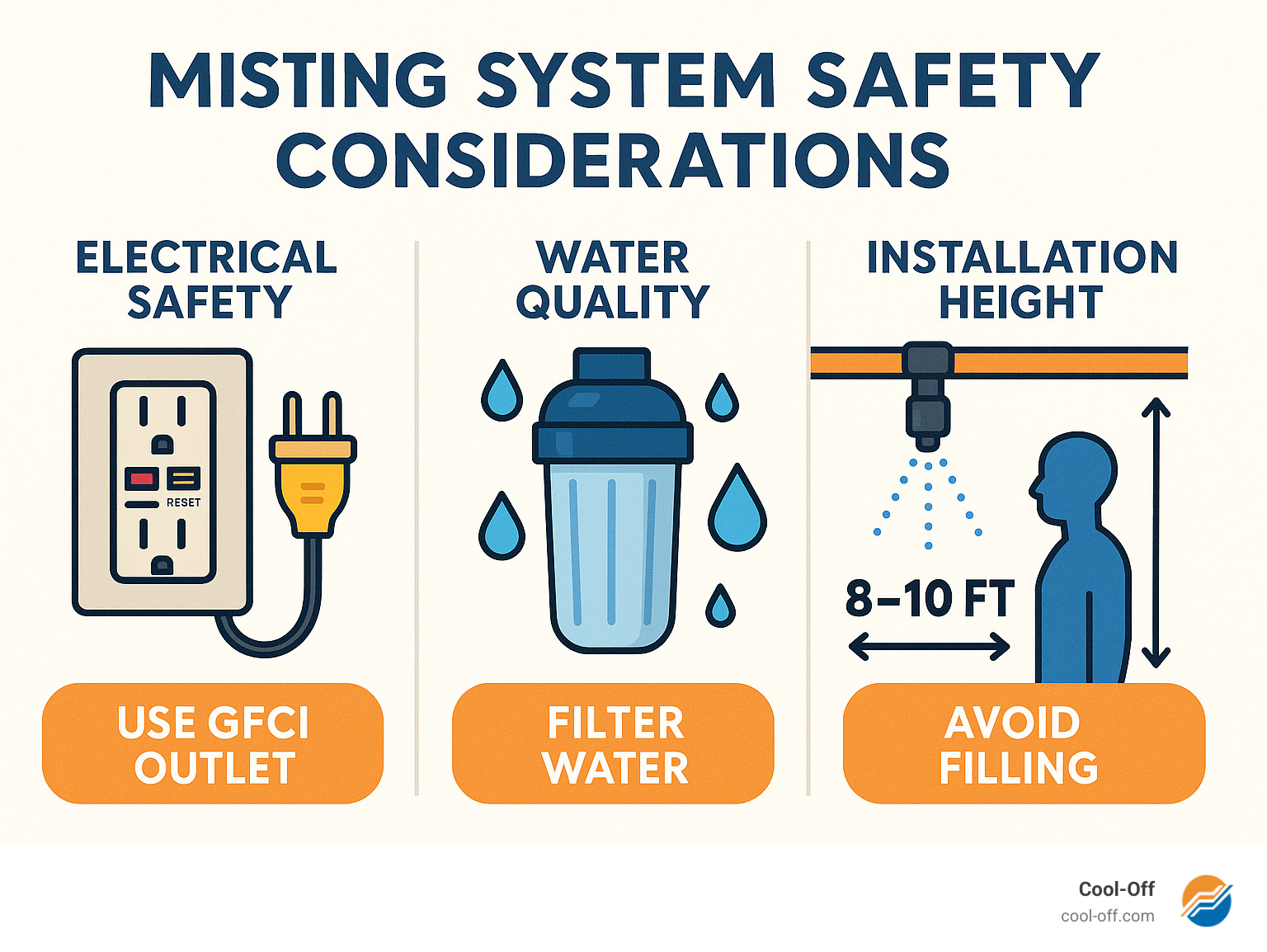
Safety Precautions
Safety is the top priority when cleaning produce misting systems. These systems involve water, electrical parts, and sometimes chemicals, which can create risks if not handled properly. Taking the right precautions protects you and ensures your equipment lasts longer.
Wear Protective Gear
Always wear gloves to protect your hands from harsh cleaning agents and potential contaminants. Safety goggles shield your eyes from splashes, especially when using sprays or chemicals. If you’re working in a tight space with poor ventilation, consider a mask to avoid inhaling fumes.
Turn Off Power Before Cleaning
Never start cleaning without disconnecting the misting system from its power source. This simple step prevents electric shocks and damage to the system. I once skipped this and got a nasty shock, which taught me to never rush this part.
Use Food-safe Cleaning Products
Only choose cleaning agents labeled safe for food contact surfaces. This prevents harmful residues from contaminating your produce. Avoid bleach or strong acids unless the manufacturer specifically approves them.
Avoid Water Damage To Electrical Components
Keep water away from control panels, wiring, and other electrical parts. Use a damp cloth rather than a hose or soaking method. Have you noticed how a small splash can cause a system malfunction? Staying dry around electronics saves you costly repairs.
Work In A Well-ventilated Area
Cleaning chemicals can release fumes that irritate your skin and lungs. Open windows or use fans to keep fresh air flowing. This helps you stay alert and comfortable throughout the cleaning process.
Check System For Leaks Before Restarting
After cleaning, inspect all connections and nozzles for leaks. A tiny drip can waste water and create slippery floors, which are hazards. Fix leaks immediately before turning the system back on.

Credit: www.foodengineeringmag.com
Step-by-step Cleaning Process
Keeping your produce misting system clean is essential for maintaining freshness and preventing bacterial growth. A thorough cleaning routine can extend the life of your equipment and ensure your fruits and vegetables stay crisp and safe. Let’s walk through a practical cleaning process that you can easily manage on your own.
Preparation And Setup
Start by turning off the misting system and unplugging it from the power source. This prevents any accidents during cleaning. Gather all necessary cleaning supplies, including mild detergent, a soft brush, clean cloths, and a sanitizing solution suitable for food contact surfaces.
Choose a well-ventilated area to work in. Lay down towels or a plastic sheet to catch any drips or spills. Having everything ready saves time and avoids last-minute trips for forgotten tools.
Disassembling The System
Carefully remove the nozzles, tubes, and water tanks according to your system’s manual. Handle each part gently to avoid damage. Place small components in a container so they don’t get lost during cleaning.
Take note of how parts fit together or take photos for reference. This makes reassembly much smoother and reduces frustration.
Cleaning Nozzles And Tubes
Soak nozzles and tubes in warm water mixed with a mild detergent for about 15-20 minutes. Use a soft brush or pipe cleaner to remove any buildup inside the tubes and nozzle openings. Avoid using harsh brushes that can scratch or damage delicate parts.
Rinse everything thoroughly with clean water to remove soap residue. Clogged nozzles can disrupt mist flow, so ensure all passages are clear.
Sanitizing Water Tanks
Empty the tanks completely, then fill them with a sanitizing solution recommended for food equipment. Let the solution sit for at least 10 minutes to kill bacteria and mold. After soaking, rinse tanks well with clean water to avoid chemical taste or residue on your produce.
Check tanks for any cracks or wear during this step. Damaged tanks should be replaced to maintain system hygiene.
Reassembling And Testing
Once all parts are dry, carefully reassemble the system using your notes or photos. Ensure each component is securely connected to prevent leaks. Plug the system back in and run a short test cycle to check for proper misting and leaks.
Watch closely as the mist sprays. Is it even and consistent? If not, double-check nozzle placement and tube connections. A well-maintained system will deliver a fine, steady mist that keeps your produce fresh longer.
Regular Maintenance Tips
Keeping produce misting systems clean is vital for fresh and safe fruits and vegetables. Regular maintenance prevents clogs and bacteria buildup. Simple routines help your system work well and last longer.
Weekly Checks
- Inspect nozzles for blockages or uneven spray patterns.
- Wipe down surfaces to remove dirt and residue.
- Check water filters and replace if dirty.
- Test the misting pressure to ensure consistent output.
- Look for leaks in hoses and connections.
Monthly Deep Cleaning
- Flush the system with a mild cleaning solution to remove buildup.
- Soak nozzles in vinegar or a descaling agent to clear mineral deposits.
- Clean water tanks and reservoirs thoroughly.
- Sanitize all parts that contact water or produce.
- Check for worn or damaged parts and replace as needed.
Annual Inspections
- Have a professional inspect the entire misting system.
- Test water quality to avoid corrosion or deposits.
- Replace aging hoses, nozzles, and filters.
- Verify electrical components and safety features.
- Review system performance and update maintenance schedules.
Troubleshooting Common Issues
Maintaining produce misting systems ensures fresh and crisp fruits and vegetables. Troubleshooting common issues helps keep the system running smoothly. Identify problems early to avoid damage and reduce downtime. Quick fixes restore proper function and save money.
Clogged Nozzles
Clogged nozzles block water flow and reduce mist output. Mineral buildup and dirt cause blockages. Clean nozzles by soaking them in vinegar or a mild acid solution. Use a soft brush or toothpick to clear tiny holes. Regular cleaning prevents buildup and keeps mist fine and even.
Uneven Mist Distribution
Uneven mist causes some produce to dry out. Check nozzle alignment and spacing to ensure even coverage. Inspect water pressure; low pressure affects mist spread. Replace worn or damaged nozzles to restore balance. Adjust system layout to cover all produce areas equally.
Leaking Components
Leaks waste water and reduce system efficiency. Inspect hoses, fittings, and connectors for cracks or loose parts. Tighten connections and replace damaged parts immediately. Use plumber’s tape on threaded joints to stop leaks. Regular inspections catch leaks before they cause bigger problems.
Benefits Of Proper Maintenance
Keeping your produce misting system well-maintained offers more than just a clean appearance. It directly impacts the freshness and safety of the produce, efficiency of the system, and your overall costs. You might be surprised how a little regular upkeep can save you from big headaches down the line.
Improved Produce Quality And Shelf Life
Clean misting nozzles deliver a consistent, fine spray that keeps fruits and vegetables hydrated without oversaturating them. This balance prevents premature wilting and spoilage, helping your produce stay fresh longer.
Think about the last time you noticed uneven mist or clogging. That often leads to dry spots or soggy patches, which can quickly degrade the quality of your display.
Prevention Of Bacterial Growth And Contamination
Residue buildup inside the system creates a perfect environment for bacteria and mold. Regular cleaning removes these harmful microorganisms before they reach your produce.
Your customers trust you to provide safe, clean products. Would you risk their health by ignoring the maintenance of your misting system?
Enhanced System Efficiency And Longevity
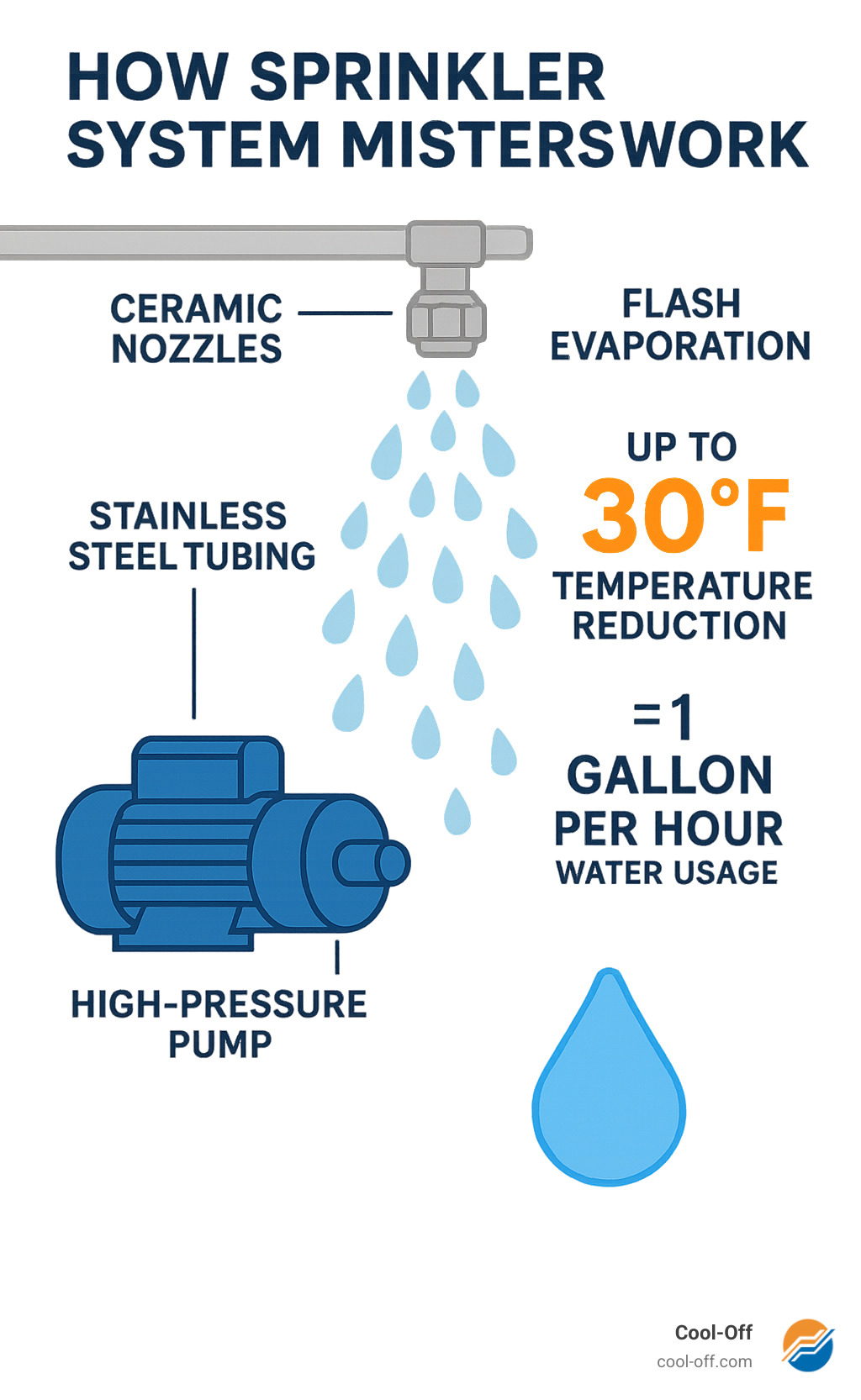
A well-maintained misting system runs smoothly and uses water efficiently. Clogged nozzles force the system to work harder, increasing wear and energy costs.
By cleaning and checking your equipment regularly, you reduce repairs and extend its lifespan, saving money on replacements.
Cost Savings And Reduced Waste
Proper maintenance reduces water waste by ensuring the spray is targeted and effective. This lowers utility bills and cuts down on unnecessary produce loss.
Have you ever calculated how much spoiled produce costs your business? Maintaining your misting system can significantly cut those losses.
Credit: cool-off.com
Eco-friendly Cleaning Solutions
Eco-friendly cleaning solutions keep produce misting systems safe and green. They avoid harsh chemicals that harm plants and water sources. Using natural ingredients protects the environment and extends the life of your equipment. These solutions clean effectively without leaving toxic residues. They support sustainability and reduce waste in the cleaning process.
Benefits Of Natural Ingredients
Natural ingredients like vinegar and baking soda break down dirt and mineral build-up. They are gentle on pipes and nozzles. These ingredients prevent clogging and corrosion without harsh chemicals. They also reduce the risk of allergic reactions or irritations for users.
Safe Recipes For Cleaning Solutions
- Mix equal parts water and white vinegar for a strong cleaner.
- Combine baking soda with water to create a gentle scrubbing paste.
- Use lemon juice to remove mineral deposits and add a fresh scent.
- Add a few drops of mild liquid soap to water for extra cleaning power.
Tips For Applying Eco-friendly Cleaners
- Turn off the misting system before cleaning to avoid damage.
- Soak nozzles and small parts in the cleaning solution for 15 minutes.
- Use a soft brush to remove stubborn build-up gently.
- Rinse thoroughly with clean water to remove any residue.
- Run the system with clean water to flush out remaining cleaner.
Choosing Professional Services
Choosing professional services for cleaning produce misting systems ensures safety and efficiency. Experts have the right tools and knowledge to maintain your equipment properly. This prevents damage and extends the system’s life. Professionals also follow health standards to keep produce fresh and clean.
Hiring experts saves time and effort. You avoid costly mistakes or system downtime. Professionals can identify hidden issues early and fix them promptly. This keeps your misting system running smoothly and your produce looking fresh.
Experience And Expertise
Choose services with proven experience in produce misting system maintenance. Skilled technicians know how to handle different system types and brands. Their expertise ensures thorough cleaning and proper repairs.
Use Of Safe And Effective Cleaning Products
Professional cleaners use safe, non-toxic products suitable for food-related equipment. These products remove dirt and bacteria without harming the misting system or the produce.
Customized Maintenance Plans
Good services offer tailored cleaning schedules based on your system’s needs. Regular maintenance prevents buildup and mechanical issues. Customized plans improve system performance and save money over time.
Compliance With Health Regulations
Experts follow local and national health rules strictly. Proper cleaning reduces contamination risks and protects consumer health. Compliance avoids fines and legal problems.
Reliable Customer Support
Choose services with strong customer support. Quick responses and helpful advice matter when problems arise. Reliable support ensures your system stays in top condition.
Frequently Asked Questions
How Often Should I Clean Produce Misting Systems?
Clean produce misting systems weekly to prevent bacteria and mineral buildup. Regular cleaning ensures fresh produce and system efficiency.
What Is The Best Cleaning Solution For Misting Systems?
Use a mild vinegar solution or specialized cleaner. Avoid harsh chemicals to protect system components and food safety.
Can Clogged Nozzles Affect Produce Freshness?
Yes, clogged nozzles reduce misting efficiency. Clean nozzles regularly to maintain consistent moisture and prolong produce freshness.
How Do I Prevent Mineral Deposits In Misting Systems?
Use filtered or softened water and clean nozzles weekly. This reduces mineral buildup and extends system lifespan.
Conclusion
Regular cleaning keeps produce misting systems working well. It helps prevent clogs and bacteria growth. Clean nozzles spray evenly and save water. Check the system often for any leaks or damage. Simple maintenance extends the life of your equipment. A clean system means fresher, safer produce for customers.
Follow these steps to keep your misting system in top shape. Small efforts make a big difference in daily operation. Stay consistent and enjoy smooth, efficient misting every day.
Leave a Reply